Diet & Nutrition
Diet & Nutrition focuses on healthy eating habits, meal planning, and the benefits of various nutrients, providing tips for maintaining a balanced diet and improving overall health.

The Benefits of Carrot Seed Essential Oil
Carrot seed oil is a form of essential oil obtained by steam distillation of the seeds of the Daucus carota plant. This flowering species, notable for its white umbels and carrot-like aroma from its roots, is often referred to as wild carrot or Queen Anne’s lace. People sometimes confuse carrot seed essential oil with carrot oil, which is produced by macerating crushed carrot roots in a carrier oil such as…
How to Treat a Viral Fever at Home
Unlike bacteria, viruses aren’t affected by antibiotics. Most viral illnesses simply need to run their natural course. Keeping up fluid intake and using over-the-counter medications to reduce fever can help ease symptoms while the infection resolves. A viral fever is any elevated body temperature that results from a viral infection. Viruses are microscopic organisms that spread readily from person to person. When you catch a viral illness, such as a…
What’s the Ideal Ketosis Level for Weight Loss?
The ideal ketone concentration for promoting weight loss is between 0.5 and 3 millimoles per liter (mmol/L). Reaching this range requires a substantial reduction in carbohydrate consumption. The ketogenic (keto) diet is a very low-carb, high-fat eating plan designed to shift your metabolism into ketosis. In this state, your body relies on fat for fuel instead of carbohydrates. For many individuals, maintaining ketosis can help stabilize blood glucose, curb hunger,…
How to Calculate When You Should Go to Sleep
Monitoring your sleep pattern may not always top your to-do list, yet getting sufficient sleep is vital for overall well-being. The amount of rest you obtain influences a wide range of functions, from metabolism and weight to cognitive performance and emotional state. For many individuals, wake times tend to be relatively steady day-to-day, while bedtimes often vary. Understanding the exact amount of sleep you require to perform optimally can help…
Mullein Tea Uses, Benefits, and Side Effects
While human studies are scarce, laboratory research indicates mullein tea might ease some respiratory ailments, including asthma, and could possess antiviral and antibacterial qualities. Mullein tea is a fragrant infusion traditionally used for generations to address ailments like persistent coughs, colds, and asthma. The tea has a warm, aromatic flavor and is prepared from the leaves of the common mullein (Verbascum thapsus), a flowering species native to Europe, Africa, and…
Monk Fruit Sweetener: Benefits and Safety
Monk fruit sweetener is a natural sugar substitute that contains no calories and is believed to possess antioxidant qualities. (img by Organic Formulas for Sensitive Toddler Tummies) It is derived from the monk fruit, also called luo han guo or “Buddha fruit,” a small round fruit cultivated in Southeast Asia. Monk fruit extract can be used as: a component in foods and beverages a taste enhancer an element in sweetener…
Gong Baths for Relaxation, Meditation, and Stress Reduction
A gong bath entails participants immersing themselves in the resonant sound waves generated when a practitioner strikes a gong with a mallet. This “bath” is believed to relieve stress and encourage profound relaxation and rejuvenation. Baths are often a go-to in many self-care regimens. Soaking in a warm, steamy tub is a familiar way to decompress after a busy day. Gong baths offer a similar attraction, but they require no…
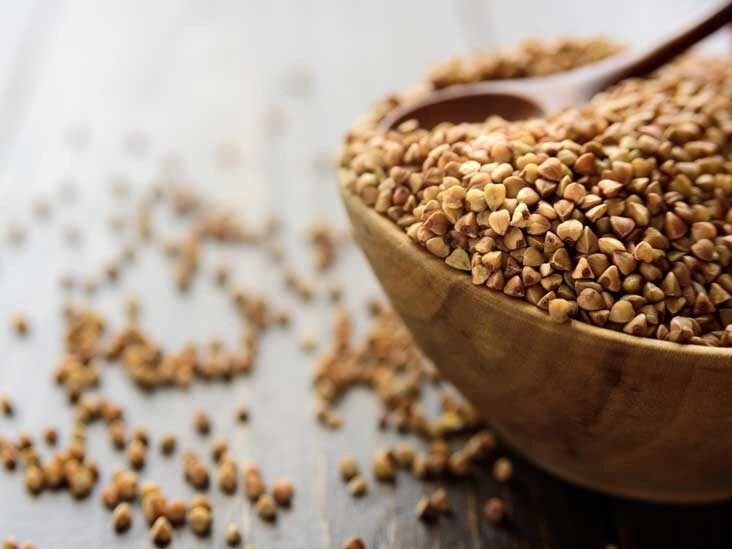
Buckwheat 101: Nutrition Facts and Health Benefits
Buckwheat provides a notable amount of fiber and several plant compounds with antioxidant activity, which may support cardiovascular health and help regulate blood sugar. It can, however, trigger allergic reactions in some individuals. Buckwheat is classified among foods often called pseudocereals. Pseudocereals are seeds eaten like cereal grains but that do not develop on grasses. Other familiar pseudocereals include quinoa and amaranth. Despite its name, buckwheat is unrelated to wheat…
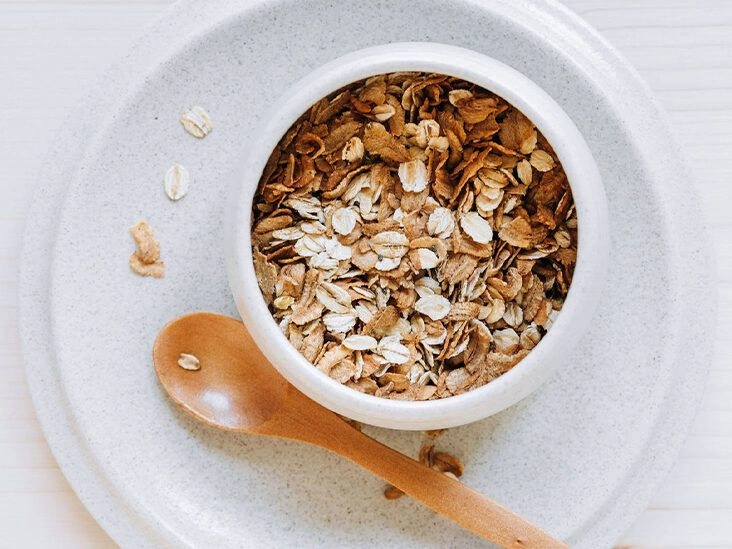
9 Health Benefits of Eating Oats and Oatmeal
Research indicates that oats and oatmeal offer numerous health advantages, such as aiding weight management, helping control blood sugar, and lowering the risk of cardiovascular disease. Oats rank among the most nutritious grains available. They are a gluten-free whole grain and provide valuable vitamins, minerals, fiber, and antioxidant compounds. Below are nine science-backed health benefits of consuming oats and oatmeal. What are oats and oatmeal? Oats are a whole-grain food,…
Baking Soda Benefits and Uses
Baking soda serves more purposes than just helping pastries rise. It has numerous household applications and might provide relief for certain health issues, including mouth ulcers. Also known as sodium bicarbonate or bicarbonate of soda, baking soda is a common baking staple. It helps produce light, fluffy textures in foods such as bread, cakes, muffins, and cookies. This happens because it has leavening effects: it reacts with an acid like…