Diet & Nutrition
Diet & Nutrition focuses on healthy eating habits, meal planning, and the benefits of various nutrients, providing tips for maintaining a balanced diet and improving overall health.

Chia Seeds vs. Flax Seeds: Is One Healthier Than the Other?
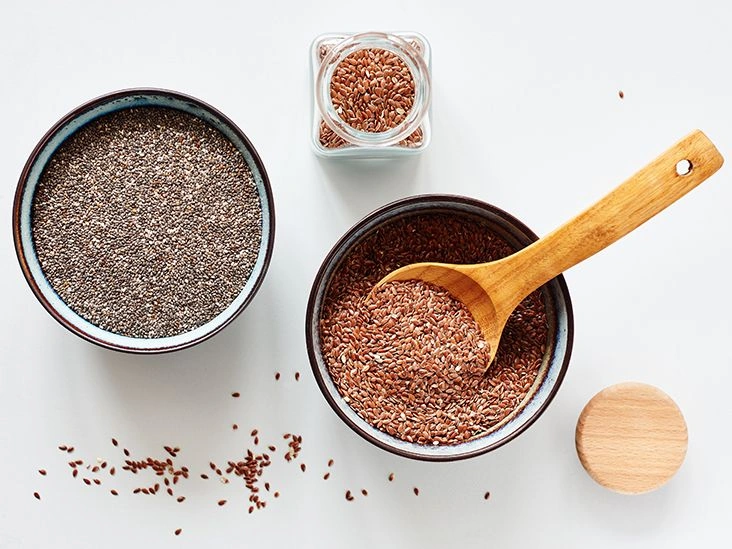
Although chia and flax seeds differ in their nutrient profiles, both can contribute to improved health. Chia seeds provide more fiber, while flax seeds are richer in certain antioxidants. In recent years, some seeds have earned reputations as superfoods. Chia and flax seeds are two prominent examples. Both are densely packed with nutrients and have been associated with benefits such as improved cardiovascular health, better blood sugar control, and potential…
35 Fun Ways to Eat Chia Seeds
You can incorporate chia seeds into baked items, beverages such as smoothies, and many other recipes to enhance the nutritional value of your meals. Chia seeds are tiny yet highly nutrient-dense. In just 1 ounce (28.35 grams) you’ll find roughly 10 grams of fiber, 5 grams of protein, and about 138 calories. They’re an excellent source of omega-3 fats and provide minerals tied to bone health, including calcium, phosphorus, and…
Kefir vs. Yogurt: What’s the Difference?
Definition Yogurt and kefir are dairy-based foods produced by fermenting milk. Kefir is a drinkable milk product with a tangy, creamy flavor. Yogurt is thicker and typically eaten with a spoon; it’s often used as a base in smoothies or sauces. Plain yogurt tends to be tart, though many varieties are sweetened or flavored, sometimes with honey, vanilla, or fruit. (img by Real Gut Doctor) How are kefir and yogurt…
9 Evidence-Based Health Benefits of Kefir
This well-loved fermented milk beverage is frequently praised for its health-promoting qualities. Kefir is nutrient-dense, rich in probiotics, and easy on the digestive system. Below is the research that supports these claims. Kefir, a common food in numerous cultures worldwide, has gained notable popularity within the natural health community. (img by Prevention) Packed with vitamins, minerals, and beneficial microbes, it supports digestion and gut wellbeing. Many people even regard it…
15 Foods That Boost the Immune System
Regularly consuming a range of nutrient-dense foods rich in vitamins and minerals — like citrus fruits, spinach, red peppers, and ginger — can help support your immune defenses. While no single food can prevent or cure illnesses, giving your body certain nutrients may help keep your immune system functioning well. If you want to lower your risk of catching colds, the flu, and other infections, a simple first step is…
11 Foods to Eat to Beat Fatigue
Eating smaller portions and opting for minimally processed, whole foods can help lower feelings of tiredness. Your body depends on the fuel you give it. To get the most energy from your meals, prioritize the highest-quality foods you can. Certain eating patterns can also contribute to tiredness. (img by Happify) For example, feeling lethargic after a large meal is common. That happens because your body redirects energy to digesting the…
Do I Need Vitamin B Complex and Are Supplements Safe?
Vitamin B complex refers to a collection of B vitamins that support a variety of bodily processes, including heart health and cellular function. Most people obtain these nutrients through a balanced, nutrient-rich diet. What is vitamin B complex? Vitamin B complex consists of eight distinct B vitamins: B1 (thiamine) B2 (riboflavin) B3 (niacin) B5 (pantothenic acid) B6 (pyridoxine) B7 (biotin) B9 (folic acid) B12 (cobalamin) Each of these vital vitamins…
What Are the Ayurveda Doshas? Vata, Kapha, and Pitta Explained
Ayurveda ranks among the oldest holistic healing systems and continues to be widely practiced today. Integrating physical, mental, and spiritual wellness, Ayurveda emphasizes whole-person healing and proposes that an individual’s dosha is the active principle shaping their temperament and health. Ayurvedic thinking is rooted in the belief that the universe consists of five elements — aakash (space), jala (water), prithvi (earth), teja (fire), and vayu (air). Different mixes of these…
A Guide to Sleep Based on Your Ayurvedic Type
Ayurveda regards sleep as a fundamental life instinct, vital for all living beings. We require sleep to restore and revitalize our body, mind, and spirit. Within Ayurvedic thought, sleep is one of the three foundational supports of health, termed nidra. The other two are diet (ahara) and restraint of sexual energy (brahmacharya). A healthy life depends on the proper harmony of these three pillars. Kinds of sleep (img by Total…
Tyrosine: Benefits, Side Effects and Dosage
Tyrosine is a supplement that may enhance alertness, attention, and concentration. Depending on the amount taken, it might boost both physical and cognitive performance. However, not all studies are definitive, and adverse effects are possible. Tyrosine helps generate vital brain chemicals that facilitate nerve cell communication and can influence mood regulation. Despite these potential upsides, taking tyrosine supplements can cause side effects and may interfere with certain medications. This article…