Diet & Nutrition
Diet & Nutrition focuses on healthy eating habits, meal planning, and the benefits of various nutrients, providing tips for maintaining a balanced diet and improving overall health.

What to Eat After a Workout for Nutrition and Muscle Recovery
Eating foods that contain both carbohydrates and protein can support your muscles after exercise. Experts advise consuming these nutrients soon after finishing your workout for the greatest benefit. Providing the right fuel following exercise can help you get the most from your fitness efforts. When you exercise, your muscles use up glycogen, the body’s preferred energy source. This leaves muscles partially depleted of glycogen. Some muscle proteins may also be…
When and What to Eat Before a Workout
Combining carbohydrates with protein before exercising can enhance both performance and recovery. Maintaining hydration is essential, and certain supplements, such as creatine or caffeine, may offer added benefits. Proper nutrition supports better performance and quicker recovery following each training session. Consuming the right nutrients before exercise not only helps you get the most from your workout but also reduces muscle damage. Below is a comprehensive overview of what you should…
Science-Backed Tips to Lose Weight Fast and Sustainably
Reducing carbohydrates, boosting protein intake, doing resistance training, and prioritizing sleep are all strategies that can support long-term weight loss. Concentrating on durable habits and health changes you can maintain over time will benefit your overall well-being and are more likely to lead to lasting weight reduction. Below are evidence-based recommendations to assist you in losing weight. How to lose weight in 6 straightforward steps 1. Include protein, healthy fats,…
Top 13 Keto-Friendly Drinks (Besides Water)
If you follow the ketogenic diet, there are a variety of beverages beyond plain water that fit within a low-carb plan. Teas, sparkling waters, and certain fruit or vegetable juices can all be compatible with keto. If you’re eating a low-carb, high-fat ketogenic diet, you may be wondering what drinks you can have other than water. While water remains the healthiest choice because it has no calories, carbs, or additives,…
30 Delicious and Healthy Keto Snacks
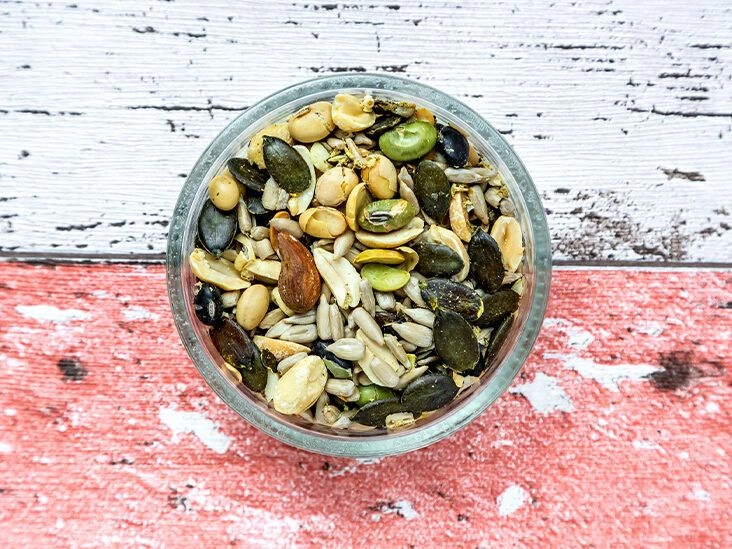
There are numerous high-fat, low-carb snack choices that are tasty, nourishing, and simple to incorporate into a ketogenic eating plan. Snacking while following keto requires a bit more thought. The ketogenic approach focuses on foods rich in fats and protein, yet many mainstream snack items are loaded with carbohydrates. No need to fret — you haven’t run out of options. Plenty of scrumptious keto snacks remain available. These selections are…
The 10 Best Keto Smoothie Recipes
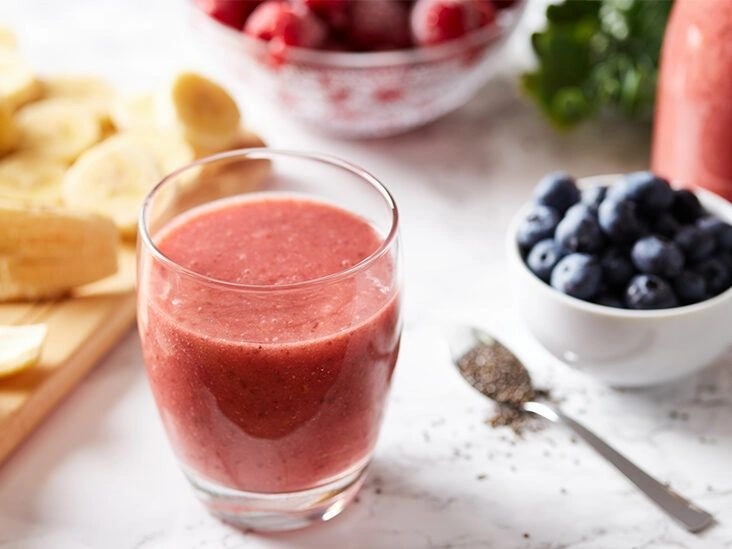
The ketogenic eating plan focuses on drastically cutting carbohydrates and deriving the majority of calories from fats. It’s used to help children control epilepsy and has also been associated with weight reduction, improved blood sugar regulation, and lower cholesterol. Because the keto approach restricts carbs, smoothies made with high-carb ingredients like fruit, yogurt, honey, and milk aren’t typically compatible. That can be a problem for people who depend on smoothies…
The 30 Best Keto-Friendly Restaurants
If you follow a low‑carb, high‑fat ketogenic diet, you might assume dining out is off the table. It can be challenging to find keto-friendly choices beyond bunless burgers and grilled chicken salads. Most people on keto aim to limit total daily carbs to 50 grams or less, or 25 grams or fewer of net carbs (total carbs minus fiber). Fortunately, many restaurants now provide a broader selection of keto-appropriate meals.…

The Benefits of Almond Oil for Skin, Hair, and Cooking
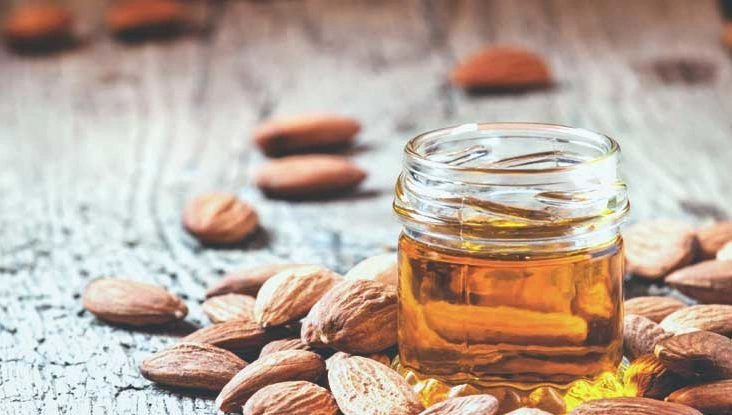
Almond oil is rich in nutrients like vitamin E, magnesium, and other trace minerals. Incorporating it into your routine may support overall wellness, tame frizz, and enhance your complexion, among other advantages. Almonds are nutrient-dense foods. They contain healthy fats, fiber, phytochemicals, vitamins, and minerals. Almonds originated in the Middle East. Today, California produces more almonds than anywhere else. Over the last two decades, California’s almond output has doubled as…
Health Benefits and Uses of Almond Oil
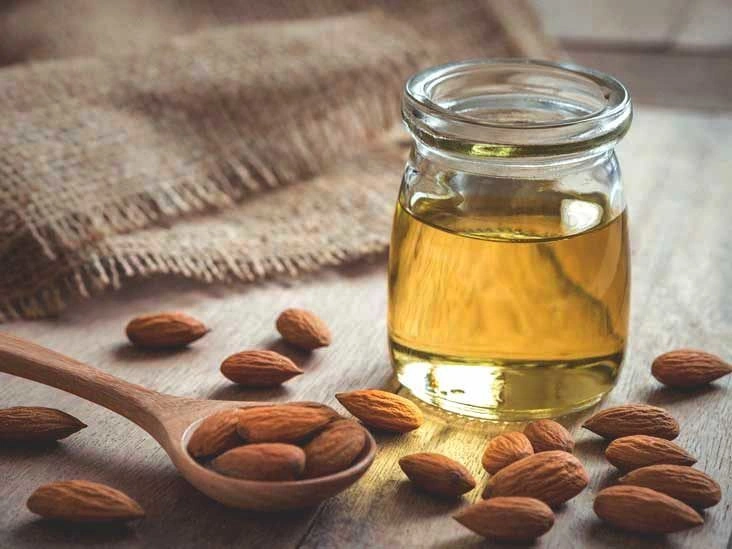
Almonds are a filling snack with numerous possible health advantages. The oil derived from these tasty tree nuts is often incorporated into natural skin and hair care routines, yet many people don’t realize it may also support overall health. This piece explores how almond oil might be beneficial for wellbeing and how it can serve as a versatile, non-toxic beauty remedy. (img by Byrdie) What Is Almond Oil? Almonds are…
Top 15 Calcium-Rich Foods – Including Many Nondairy Options
You can obtain calcium from both plant and animal sources. These include dairy items, sardines, seeds, and leafy vegetables, among others. Calcium constitutes a large portion of your bones and teeth and is involved in heart health, muscle activity, and nerve communication. For most adults, a minimum of per day is advised, though some groups need higher amounts, such as teenagers, postmenopausal women, and older adults. Although dairy foods like…