Diet & Nutrition
Diet & Nutrition focuses on healthy eating habits, meal planning, and the benefits of various nutrients, providing tips for maintaining a balanced diet and improving overall health.

Peanut Oil: Health Benefits, Drawbacks, and Best Uses
Peanut oil is rich in vitamin E but also contains high levels of omega-6 fats. Read on to learn its advantages, disadvantages, and how to use it safely. With so many cooking oils available, it can be difficult to determine which ones are healthiest for regular use. Peanut oil is a commonly used cooking oil, especially favored for frying. Although peanut oil offers some potential health perks, it also presents…
Peanuts 101: Nutrition Facts and Health Benefits
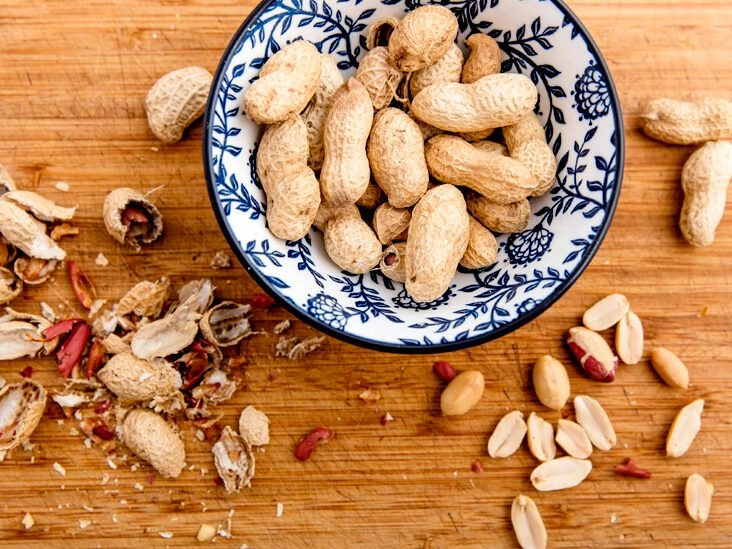
Peanuts deliver protein, vitamins, minerals, and antioxidants. They may offer additional health advantages, such as increasing satiety and potentially helping protect against cardiovascular disease. Peanuts (Arachis hypogaea) are a leguminous crop that originated in South America. They are known by several names, including groundnuts, earthnuts, and goobers. Despite their common name, peanuts are not related to tree nuts. As legumes, they are kin to beans, lentils, and soybeans. In the…
10 Magnesium-Rich Foods That Are Super Healthy
Magnesium is present in many nutrient-packed foods, such as whole grains, nuts, seeds, legumes, and a variety of fruits and vegetables. Magnesium is an incredibly vital mineral. It participates in hundreds of biochemical processes in the body and supports overall health, yet many individuals fall short of the Daily Value (DV) of magnesium. Fortunately, you can easily fulfill your daily requirement by consuming magnesium-rich foods. Below are 10 wholesome foods…
26 Foods to Eat to Gain Muscle
The top foods for building muscle tend to be rich in protein and low in saturated fat. That said, combining strength training with a balanced diet that includes carbohydrates and fats yields the best outcomes. Both nutrition and consistent exercise are essential for developing muscle. Protein-rich foods play a central role in preserving and creating muscle mass. Alongside resistance training, evidence indicates consuming about 1.6–2.2 grams of protein per kilogram…
12 Healthy Protein Shakes for Weight Gain
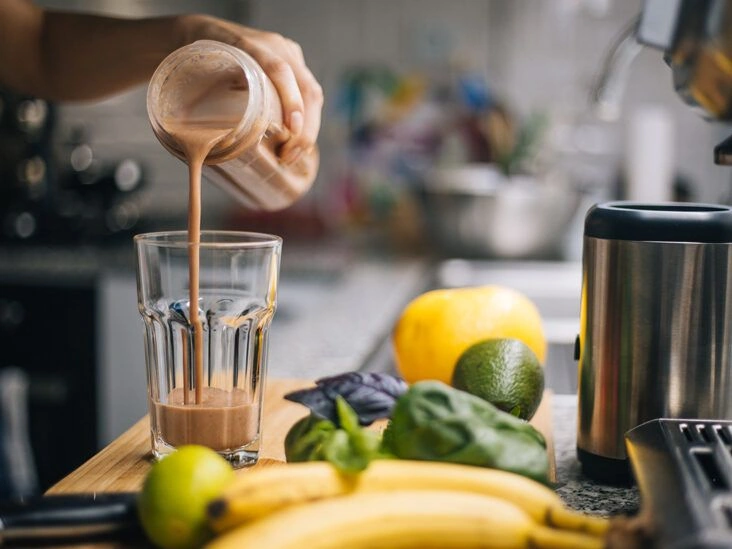
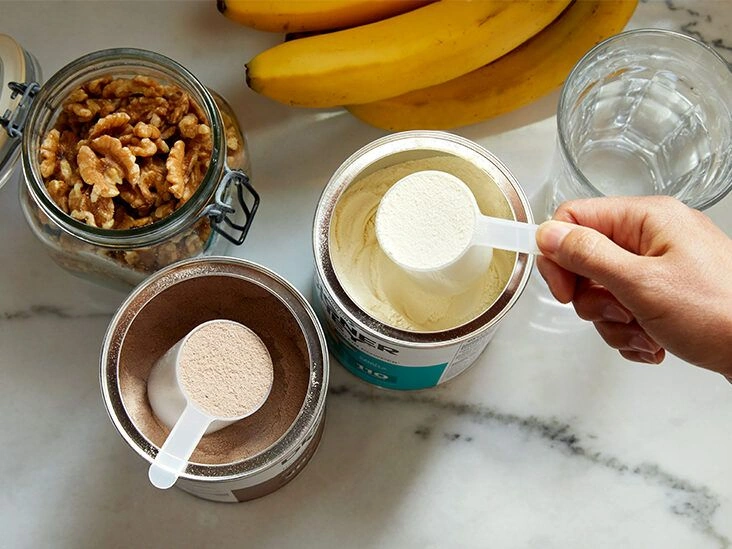
To gain weight, you must consume more calories than you expend. Protein shakes and smoothies made with ingredients like bananas, eggs, yogurt, avocado, and tofu can supply the right nutrients without causing uncomfortable bloating. Consistently eating sufficient calories can be difficult if you’re trying to put on weight. One popular approach is to take advantage of liquid calories from protein shakes and smoothies. These drinks deliver concentrated amounts of protein,…
The 18 Best Healthful Foods to Gain Weight Fast
The most effective foods for gaining weight typically include sources of plant and animal protein, healthy fats and oils, complex carbohydrates, and full-fat dairy products. Exactly what you should eat, though, depends on your individual weight and health objectives. For some individuals, adding weight or building muscle can be as challenging as losing weight is for others. To gain weight, you need to consume more calories than you expend during…
How to Gain Weight Fast: Tips to Be Safe and Healthy
Altering your diet can support healthy weight gain, such as boosting your consumption of protein, carbohydrates, and beneficial fats. You might also incorporate nuts, dried fruits, and calorie-dense shakes into your routine. People choose to gain weight for various reasons — some are naturally slim due to genetics or a rapid metabolism. Being underweight can also reflect inadequate nutrition or underlying medical issues. Furthermore, many individuals who are not medically…
11 Proven Benefits of Olive Oil
Olive oil may provide a variety of health advantages, including antioxidants, heart-healthy fats, and anti-inflammatory effects, among other benefits. The role of dietary fat in health remains debated. Nonetheless, many experts agree that olive oil — particularly extra virgin — is a beneficial choice. Below are 11 health benefits of olive oil backed by scientific research. (img by Vanity Wellness Center) 1. Olive oil is high in beneficial monounsaturated fats…
What Is Extra Virgin Olive Oil, and Why Is It Healthy?
Extra virgin olive oil is an abundant source of antioxidant compounds such as vitamin E, oleacein, and oleocanthal. It may play a role in lowering the risk of heart disease, supporting cognitive health, and offering protection against certain cancers. Celebrated for its deep flavor, flexibility, and wellness advantages, extra virgin olive oil is a valuable staple to keep in your kitchen pantry. It’s simple to use for roasting, frying, baking,…
Beginner’s Guide to the Mediterranean Diet: Video, Meal Plan, Food List, and Snack Ideas
Abundant in fruits, vegetables, whole grains, and heart-friendly fats, the Mediterranean eating pattern can support weight management, protect cardiovascular health, and help reduce the risk of diabetes. This way of eating typically emphasizes whole, minimally processed foods — including lots of produce, whole grains, and lean proteins — while reducing reliance on processed items. The Mediterranean diet doesn’t mandate strict calorie counting, but general recommendations can guide you in adopting…