Emotional Health
Prioritize your Emotional Health with effective strategies, the latest insights, and tools to manage stress, anxiety, and overall well-being. Start your journey to a balanced mind!

Why Am I So Scared to Leave the House?
Symptoms of agoraphobia can also include an intense dread of wide-open or densely populated areas, reluctance to use public transit, or anxiety about being in situations that seem hard to get away from. A diagnosis is often considered when these signs persist for six months or longer. (img by Verywell Mind) Avoidance of leaving the house can also stem from a prior traumatic event or from feeling unsafe in the…
8 Family Manipulation Tactics and How to Respond to Them
Confronting manipulating behavior in your family can sometimes lead to positive change, but if it doesn’t, remember you can’t force someone to alter their actions. Prioritizing your own health is essential. In some situations, putting distance between yourself and the person is the best option. Many family relationships include a degree of manipulation. Some manipulative antics — like a parent’s annual guilt routine — are relatively harmless: “I was in…
How Are Perfectionism and Anxiety Connected?
Perfectionism and anxiety often intersect, with perfectionistic individuals more prone to experiencing anxiety and anxiety disorders. Cultivating mindfulness and employing other techniques can be crucial for managing unrealistic expectations. For some people, anxiety and perfectionism are connected. Perfectionism is a personality disposition defined by excessively high standards and expectations. While a degree of perfectionism can drive achievement, it is frequently fueled by a fear of making mistakes. When perfectionism becomes…
Identifying and Treating Maladaptive Behavior
Maladaptive behaviors are actions or patterns that hinder your ability to adjust to new or challenging situations. They may emerge after a major life transition, illness, or traumatic experience, or stem from habits formed in childhood. These behaviors can be identified and substituted with healthier responses. If left unaddressed, they may cause emotional, social, and physical difficulties. When things feel unmanageable, professional help is available. A licensed therapist can guide…
Best CBD Oils for Anxiety in 2025
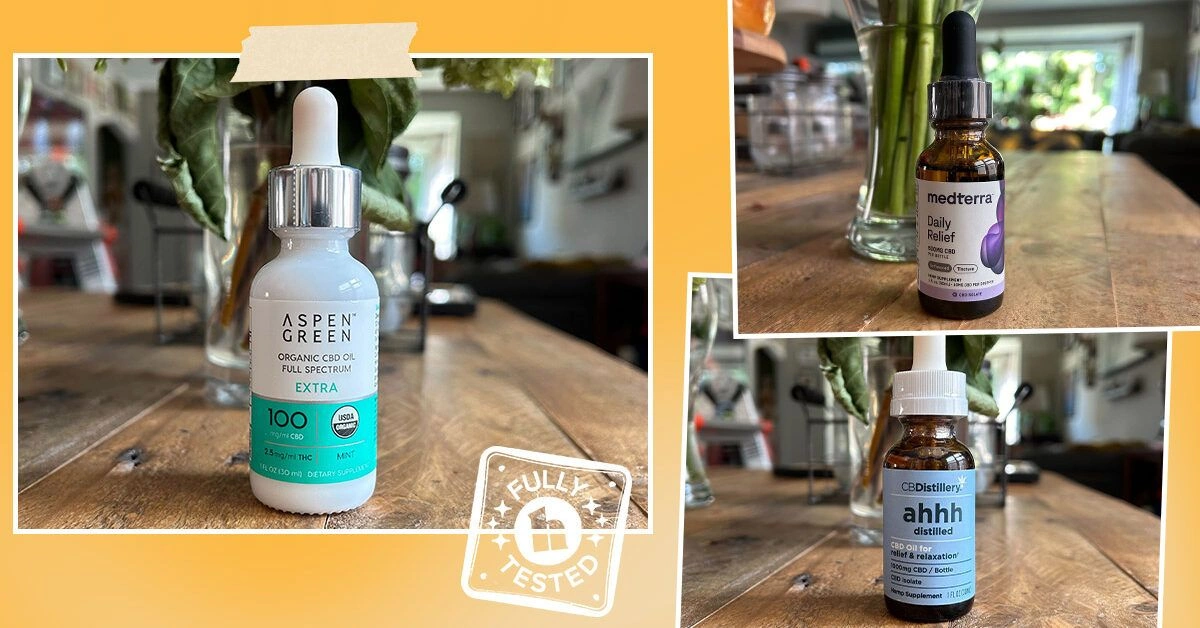
The Fast Facts Research into CBD for anxiety is still developing, though many people report benefits. We examined (and sometimes re-examined) 25 CBD oils. These six rose to the top for how they affected stress and anxiety. If anxiety disrupts your sleep, a CBD product with soothing elements might help. If your anxiety is mostly daytime, a lower-strength CBD may be preferable. Quick look at the best CBD oils for…

How Can I Get Help for Depression?
First, understand that you aren’t alone. There are numerous supports available if you feel trapped or overwhelmed and can’t find a way out. You’re not alone. If you need immediate help, there are resources you can reach out to: Call the Suicide and Crisis Lifeline at 988. Text “HOME” to the Crisis Text Line at 741741. Call the Samaritans 24-Hour Crisis Helpline at (877) 870-4673 (HOPE). If you have a…
How Rumination Can Fuel the OCD Cycle
Rumination involves repetitive, intrusive thinking and is frequently seen across various forms of obsessive-compulsive disorder (OCD). If pervasive rumination is increasing your stress, psychotherapy can teach strategies to interrupt the pattern. Have you ever noticed a single negative thought balloon into a torrent of gloomy ideas you can’t seem to stop? Psychologists label this pattern rumination, and most people experience it at times. (img by Harvard Health) Rumination refers to…
Are Histrionic Personality Disorder (HPD) and Narcissistic Personality Disorder (NPD) the Same Thing?
Although NPD and HPD share certain traits, the overall symptom profiles differ considerably. Treatment for both often involves professional support and sometimes medications. Our personalities shape much of who we are and influence how we relate to ourselves and others. For individuals with personality disorders, personality characteristics can have a greater impact on behaviors, relationships, and daily functioning. Histrionic personality disorder (HPD) and narcissistic personality disorder (NPD) are both categorized…
Asperger’s in Adulthood: Building Healthy Relationships
Autism spectrum disorder (ASD) is a multifaceted neurodevelopmental condition that can influence many areas of a person’s life, including cognition, learning, and behavior. Individuals on the spectrum frequently face challenges with social interaction and communication, which can complicate forming and sustaining relationships in adulthood. People with autism can and do enjoy fulfilling, healthy romantic partnerships — with both neurotypical and neurodivergent companions — though there may be distinctive obstacles to…
Is There a Relationship Between Asperger’s and Narcissism?
Asperger’s and narcissistic personality disorder (NPD) share some overlapping features, yet they are distinct diagnoses. It’s possible for someone to live with both autism and a personality disorder at the same time. Narcissism is a personality characteristic that many people may display to varying degrees. People labeled as “narcissists” are often described as having an inflated sense of self, limited empathy, or a strong sense of entitlement. Occasional narcissistic behavior…