Fitness
Fitness offers tips and guidance on exercise routines, strength training, cardio, and overall physical health, helping individuals improve endurance, flexibility, and well-being.

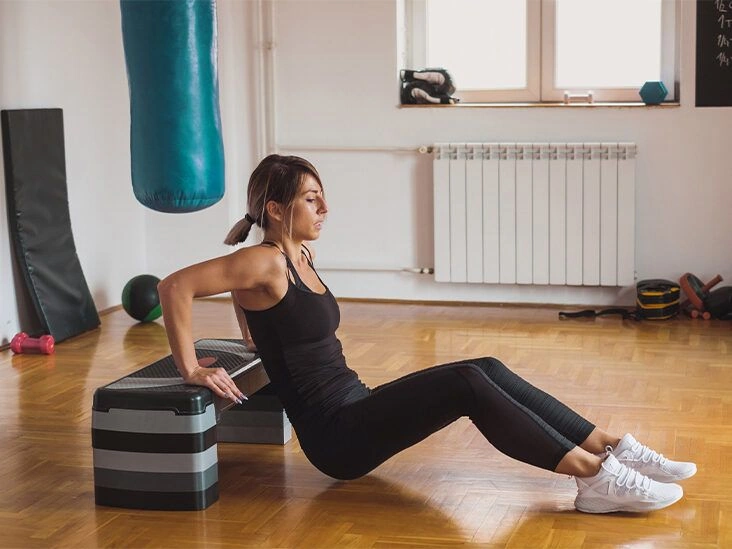
19 Exercises to Relieve Upper Back Pain, Neck Pain, and More
Both dynamic and static stretching along with strengthening moves can alleviate discomfort in the upper back. Working on your core may also provide benefit. Ouch — is neck and back discomfort getting in your way? No matter what’s causing your pain — from leaning over a phone, sitting at a desk for long hours, or an injury — targeted stretches and strength exercises can significantly speed recovery. Below are 19…

How to Perform a Lacrosse Ball Massage on Sore Muscles
With the surge of fitness routines, lacrosse balls have become a staple in many workout spaces. They’re often used incorrectly, though. Unlike tennis balls, lacrosse balls are firm and compact — they don’t compress much under pressure. This makes them an effective tool for self-massage that can reduce discomfort and restore function in achy muscles. Using a lacrosse ball for massage is a type of self-myofascial release. Fascia is the…
Routines and Guide for Building Muscle with Push-Pull Workouts
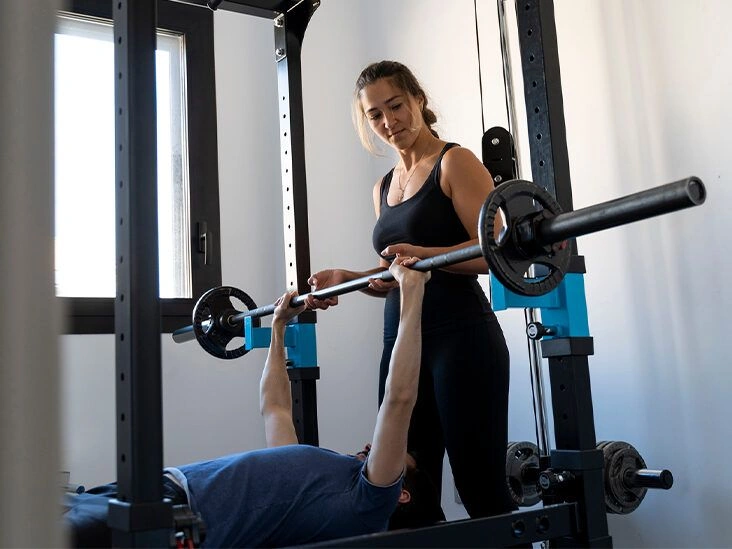
Push-pull training divides workouts into two categories: pushing movements that target the chest, shoulders, and triceps, and pulling movements that focus on the back, biceps, and forearms. This approach can enhance muscular strength and power. A push-pull split is a workout format that groups exercises by whether the primary action is a push or a pull. These splits are favored by bodybuilders and many athletes because they maximize recovery between…
Split Workout Schedule: What To Know and Examples
Split training means breaking up your weekly exercise sessions or total training volume into separate days so you can concentrate on specific elements. Common formats include full-body sessions or push/pull/legs arrangements. Workout splits typically group exercises by muscle regions to optimize energy, performance, and strength for particular muscles. In resistance training, the primary muscle groupings are: Upper body: chest, back, shoulders, and abdominals Lower body: quadriceps, hamstrings, glutes, and calves…
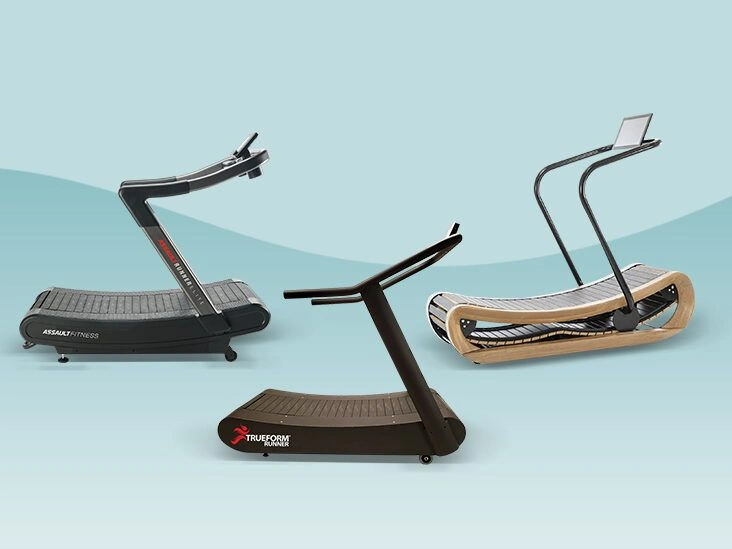
The 5 Best Curved Treadmills
A quick look at the best curved treadmills Best overall: Assault Fitness AssaultRunner Elite Best value: SB Fitness Equipment CT400 Self-Generated Curved Treadmill Best design: NOHrD Sprintbok Curved Manual Treadmill Most customizable: TrueForm Runner Treadmill Best for small spaces: IN10CT Curved Manual Treadmill Curved treadmills have grown in popularity among runners and athletes wanting to diversify their training. What is a curved treadmill? Distinct from conventional treadmills, curved models have…
What’s a Fat-Burning Heart Rate, and How Is It Calculated?
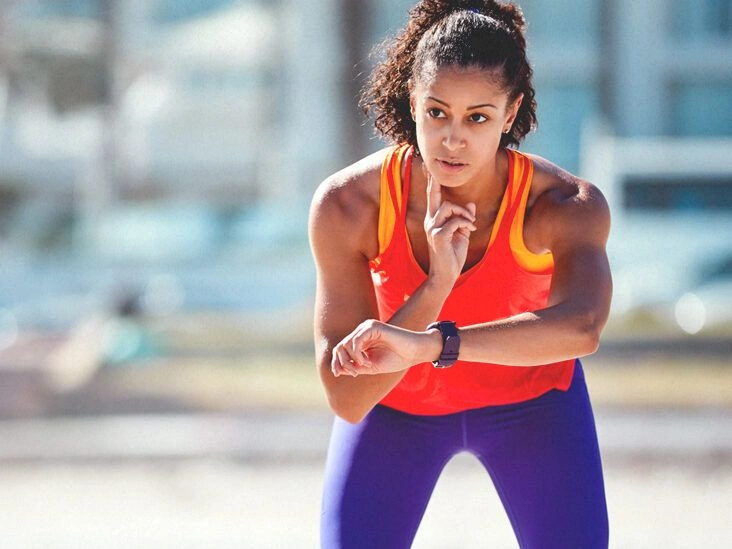
Working out at a heart rate that places you in the fat-burning zone can support losing body fat. Your individual fat-burning heart rate varies based on factors like age. Your pulse provides a gauge of exercise intensity. For most adults, the resting heart rate falls between 60 and 100 beats per minute. During physical activity, heart rate rises. The more intense the workout, the higher the heart rate climbs. When…
What’s My Ideal Running Heart Rate?
Your optimal running heart rate can differ based on your age and level of fitness. Environmental conditions such as heat, humidity, and stress can also influence your pulse. Your heart rate, often called your pulse, is expressed in beats per minute (bpm). When you do aerobic activities like running, your heart rate rises. As your speed and exertion increase, so does your pulse. Blood flow increases to your muscles so…
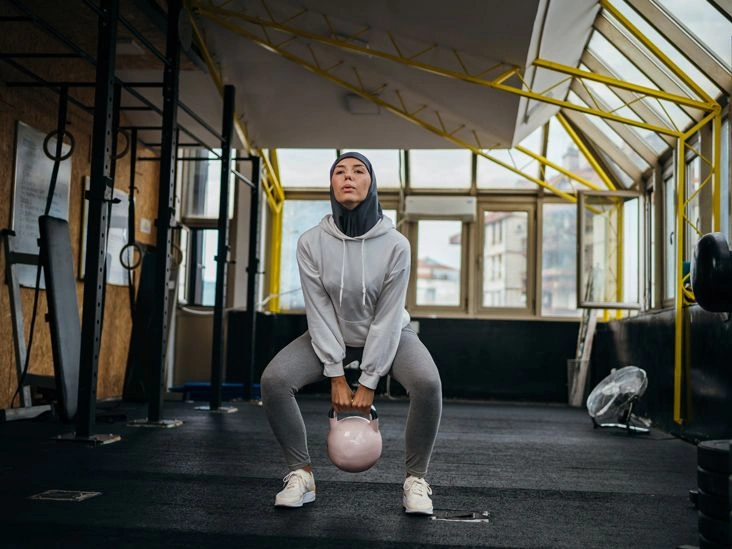
7 Kettlebell Exercises to Include in Your Workout
Kettlebell sessions can engage multiple muscle groups simultaneously within a short timeframe. They’re effective for enhancing strength, power, and cardiovascular endurance. Kettlebells serve as a popular option for strength training, offering an alternative to traditional barbells, dumbbells, and resistance machines. Originally used as agricultural tools in Russia, kettlebells were later reimagined as weights for exercise after strongmen used them in displays of strength. Kettlebells for workouts usually range in weight…
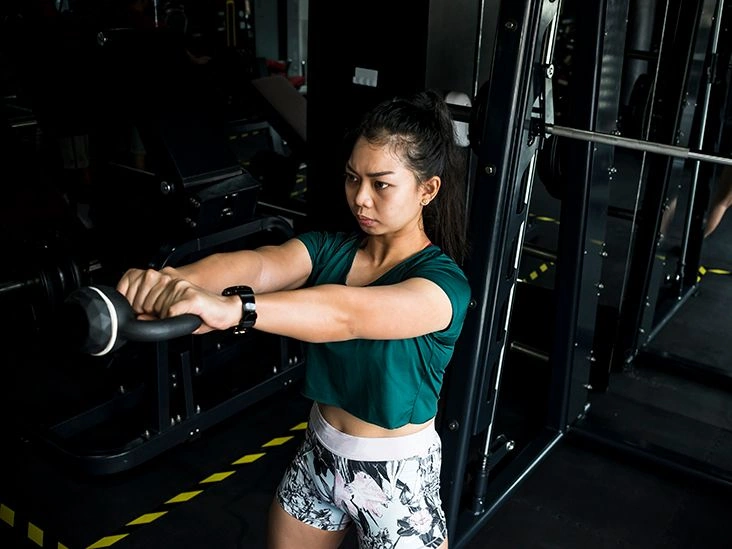
The Benefits of Kettlebell Swings and How to Do Them Right
Kettlebell swings are a high-intensity, low-impact movement that engages muscles in your upper and lower body as well as your core. They can boost both cardiovascular endurance and muscular strength. Over recent years, kettlebell swings have become a go-to quick full-body workout. Originating in Russia, kettlebells (known as girya in Russian) have long been linked with strength and power. Initially used to compare weights of goods, they later became a…
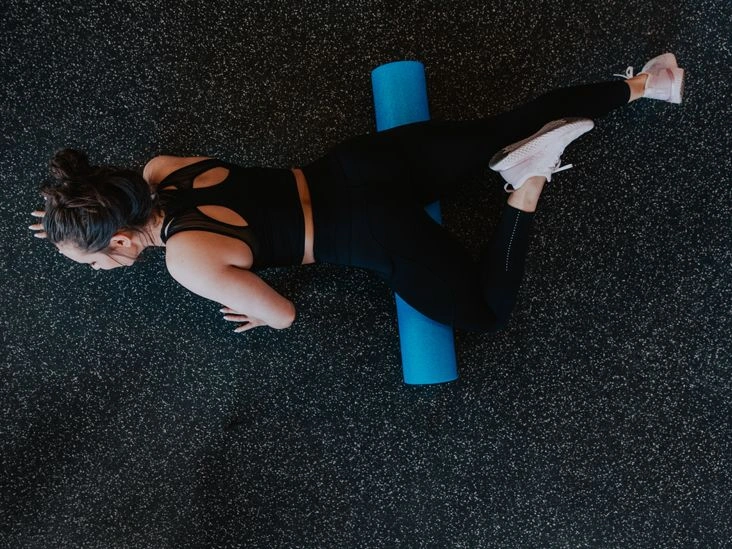
What Are the Benefits of Foam Rolling?
Foam rolling is a form of self-myofascial release (SMR). It can help alleviate muscle tightness, soreness, and inflammation, while also improving joint range of motion. Using a foam roller can be a useful addition to your warm-up or cooldown around exercise. The effects of foam rolling can differ between individuals. Continue reading to learn about the advantages and possible downsides of foam rolling, plus guidance on how to incorporate it…