Fitness
Fitness offers tips and guidance on exercise routines, strength training, cardio, and overall physical health, helping individuals improve endurance, flexibility, and well-being.

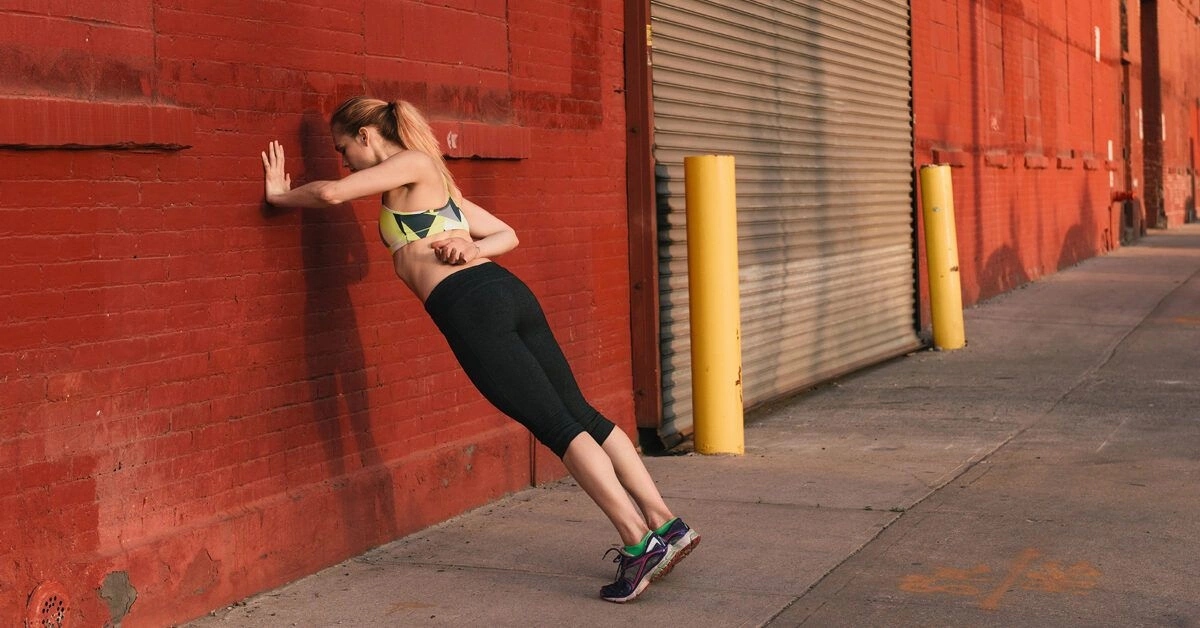
Wall Pushup Variations for a Strong Chest, Shoulders, and Back
Wall pushups are a gentler alternative to traditional floor pushups that still engage the same muscle groups. They’re useful if you can’t yet do a standard pushup with correct technique or need to reduce stress on your wrists. Pushups rank among the most efficient bodyweight movements to include in your workouts. They work the arms, chest, back, and shoulders, and require a fair degree of strength to complete multiple repetitions…
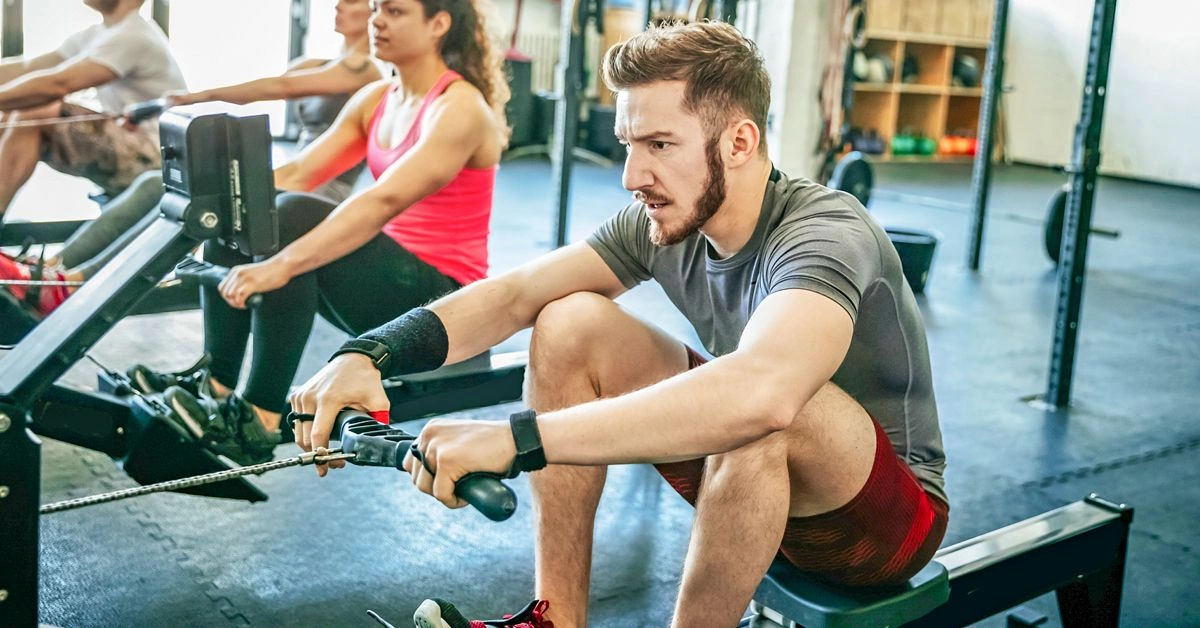
Try This: Seated Rows for Back and Upper Arms
Seated rows are excellent for building upper-body strength. A stronger upper body enhances posture, shields your shoulders, and lowers your chance of injury. If your goal is to develop upper-body power, the seated row is a top choice. This strength exercise primarily targets the back and the upper arms. The movement involves pulling a weighted handle on a seated row apparatus. You can also perform it using a seated cable…
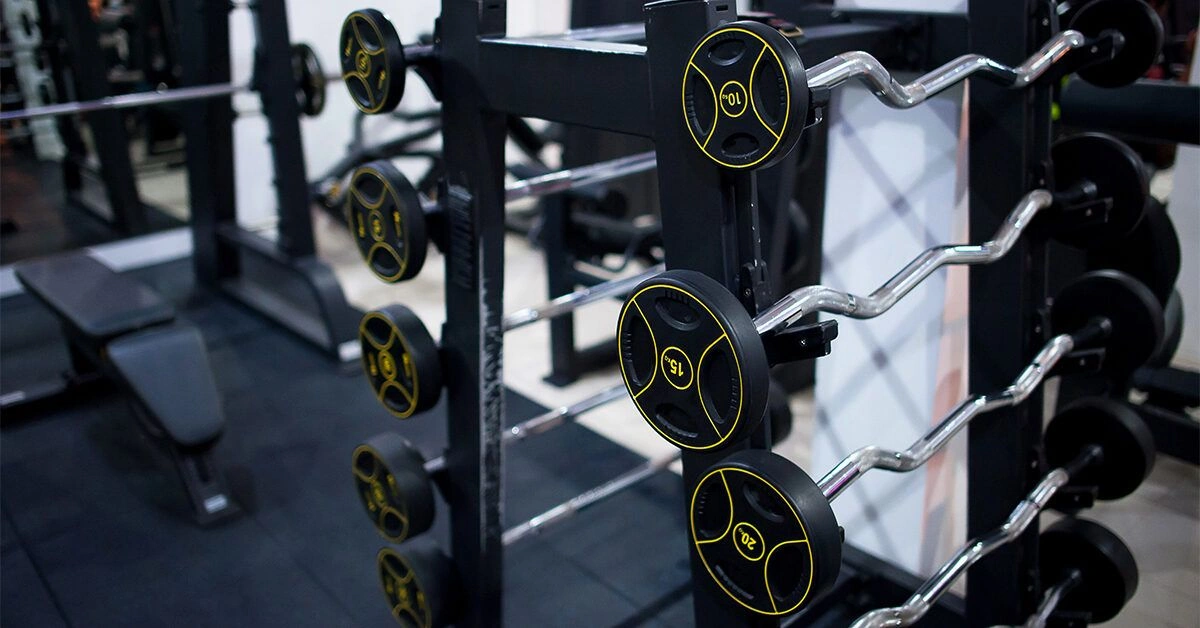
Rack Pull: Benefits, Techniques, and Muscles Worked
In strength training, modified forms of familiar lifts are frequently used to support other aspects of training. The rack pull is one such deadlift variant where a loaded barbell is positioned on the uprights of a power rack, typically just above or below the knees, and lifted by gripping the bar and extending the hips to full lockout. This demanding deadlift alternative effectively develops pulling strength, which carries over to…
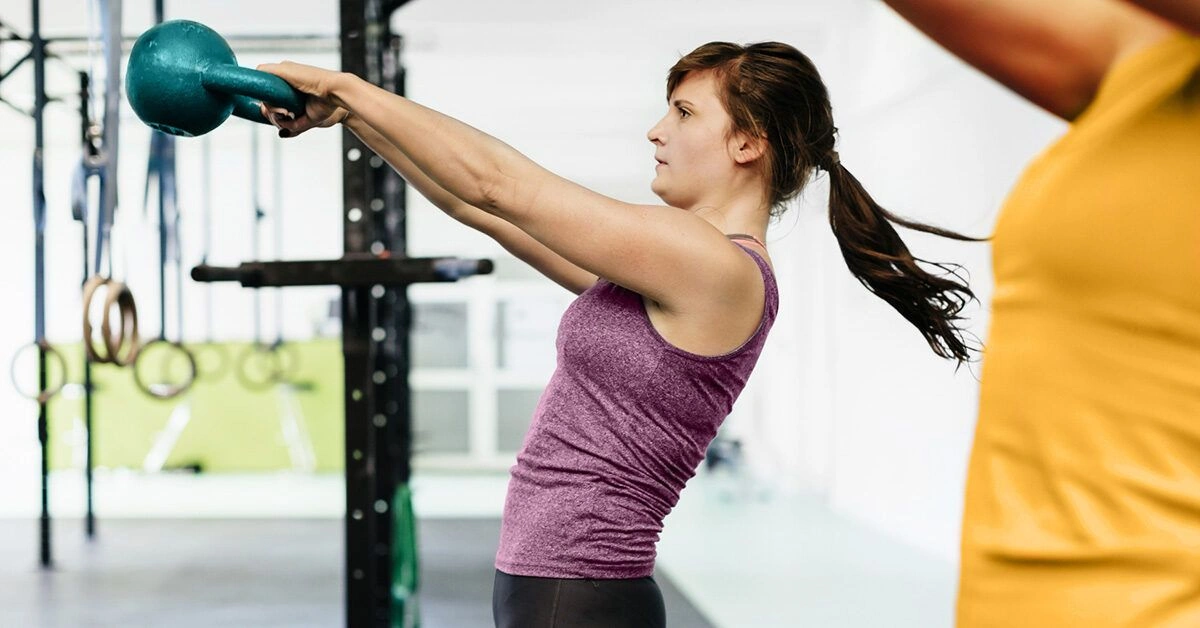
Explosive Workouts for Speed, Power, and Strength
Explosive workouts encompass movements designed to boost strength, power, and velocity to enhance athletic output. By manipulating movement types, tempo, and repetition schemes, you can emphasize speed, power, or a combination of both to gain an edge in your sport or to elevate your general athletic capability. This piece explains everything you need to know about planning and executing explosive workouts as part of your training routine. (img by Peloton)…

14 Exercises for Strengthening and Increasing Mobility in the Hips
Everyone can gain from a focused hip routine, even if you don’t currently have hip issues. Mobilizing and reinforcing these muscles improves stability and mobility. Many people develop weak or stiff hips from prolonged sitting and inadequate movement. Conversely, athletes who repeatedly load their hips can suffer pain or injury from overuse. With a wide range of hip workouts available, it can be tough to pick the ones that suit…
8 of the Best Hip Flexor Stretches and Exercises
Tight and weak hip flexors can lead to lower back discomfort, hip soreness, and increased risk of injury. Performing targeted hip flexor routines, including yoga-based stretches, can help build strength and reduce tightness. Although not all of us will have hips as limber as Shakira’s, we can all gain from lengthening and reinforcing the muscles that support these ball-and-socket joints. Our hips do more than power occasional dance moves. They’re…
Improving Mobility with Hip Internal Rotation: Stretches and Exercises
Turning your hip inward engages muscles such as the tensor fasciae latae, the upper gluteal muscles, and the inner thigh group. Without adequate internal rotation, routine tasks like pulling on trousers or stepping into a tub can become awkward. Your hip internal rotators are active when you walk, run, squat, crouch, or crawl. They also work when you stand on one leg and rotate your pelvis. Continue reading for exercises…
Gyno and Bodybuilding: How to Handle Excess Breast Tissue
If you take part in bodybuilding, you might worry about developing gynecomastia. For those devoted to physique sports, gynecomastia is particularly troubling because the discipline emphasizes visual appearance. Many competitors use anabolic steroids to accelerate muscle gains, which can disturb hormonal balance and trigger gynecomastia. (img by Dr. Mazaheri) This article explains everything a bodybuilder should know about gynecomastia. What is gynecomastia? Gynecomastia is the formation of breast tissue in…
What’s the Difference Between Biceps and Triceps?
The biceps and triceps are two major muscle groups of the arm that play an important role in moving the upper limbs. Well-developed biceps and triceps are popular goals for bodybuilders and recreational lifters alike. Some people may know where they sit and what they do, while others might be curious about their differences. This piece explains the biceps and triceps, covering their anatomy, effective exercises to target them, and…
How Much Muscle Mass Should I Have, and How Do I Measure It?
Measuring muscle mass precisely is challenging because it’s influenced by many variables. Although research is somewhat limited, available studies offer useful perspectives. Your total body weight is composed of two main parts: body fat and lean body mass. People frequently conflate “lean body mass” with “muscle mass,” but they aren’t identical. Lean body mass encompasses muscle tissue as well as skin, bone, water, and organs. Muscle mass denotes the weight…