
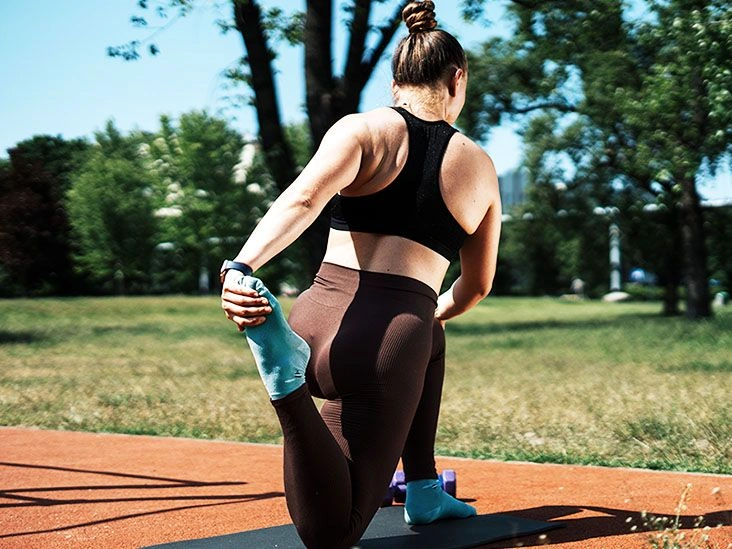
Everyone can gain from a focused hip routine, even if you don’t currently have hip issues. Mobilizing and reinforcing these muscles improves stability and mobility.
Many people develop weak or stiff hips from prolonged sitting and inadequate movement. Conversely, athletes who repeatedly load their hips can suffer pain or injury from overuse.
With a wide range of hip workouts available, it can be tough to pick the ones that suit you. We’ve simplified that process.
Below are 14 top hip exercises that benefit a broad audience—from weightlifters, hikers, and runners to older adults and people living with arthritis.
Continue reading to discover which hip movements fit your needs and how to perform them properly.
Which muscles should you focus on?
To loosen and fortify your hips, concentrate on:
- the gluteus maximus, the primary hip extensor
- the gluteus medius, the principal muscle on the outer hip
In short, you’ll be working the back and lateral aspects of the hips.
Avoid excessively activating the tensor fasciae latae, which lies anterior to the hip joint. Overworking this muscle can lead to knee, hip, or lower-back discomfort.
Both men and women target the same groups. Men often present with tighter hips than women, though individual differences apply. If your hips are tight or inflexible, begin gently and increase intensity gradually.
Warmup drills
Always prepare the large muscles around your hips before a session. Warming up increases blood flow and primes these muscles before advancing to more demanding moves.
Try these warm-up drills to get started:
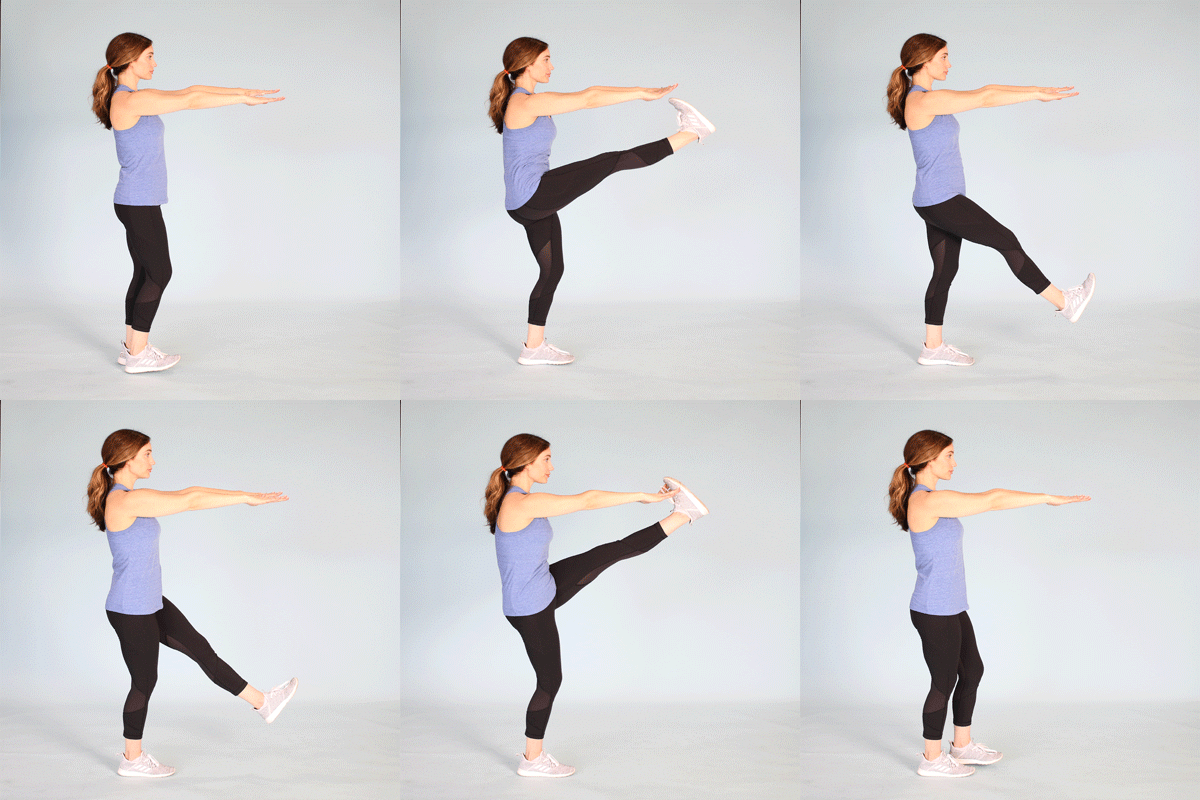
1. Frankenstein walk
This drill activates the hips, quads, and hamstrings while expanding range of motion. Keep an upright posture, avoid bending from the waist, and pick up the tempo as you warm up.
Instructions:
- Stand with both arms extended forward, palms down.
- Step forward while lifting your right leg straight out in front of you to about a 90-degree angle from your torso.
- Lower the right leg, then lift the left leg in the same manner as you continue forward.
- Carry on for 1 minute, switching direction if space is limited.
- Optionally, perform 2–3 sets of 10–12 reps per leg.
When ready, reach your hand to touch the opposite foot and extend the other arm behind you for a progressed variation.
2. Hip circles
This motion enhances hip mobility and control. For added balance, hold onto a sturdy object.
Instructions:
- Balance on your right leg while lifting your left leg slightly.
- Trace circles with your left leg.
- Perform 20 circles in each direction.
- Then switch and repeat with the other leg.
- Consider 2–3 sets of 10–15 reps per leg.
To increase challenge, enlarge the circles and maintain 2–3 sets.
Band-based exercises
These moves require a resistance band. Use a heavier band for more resistance.
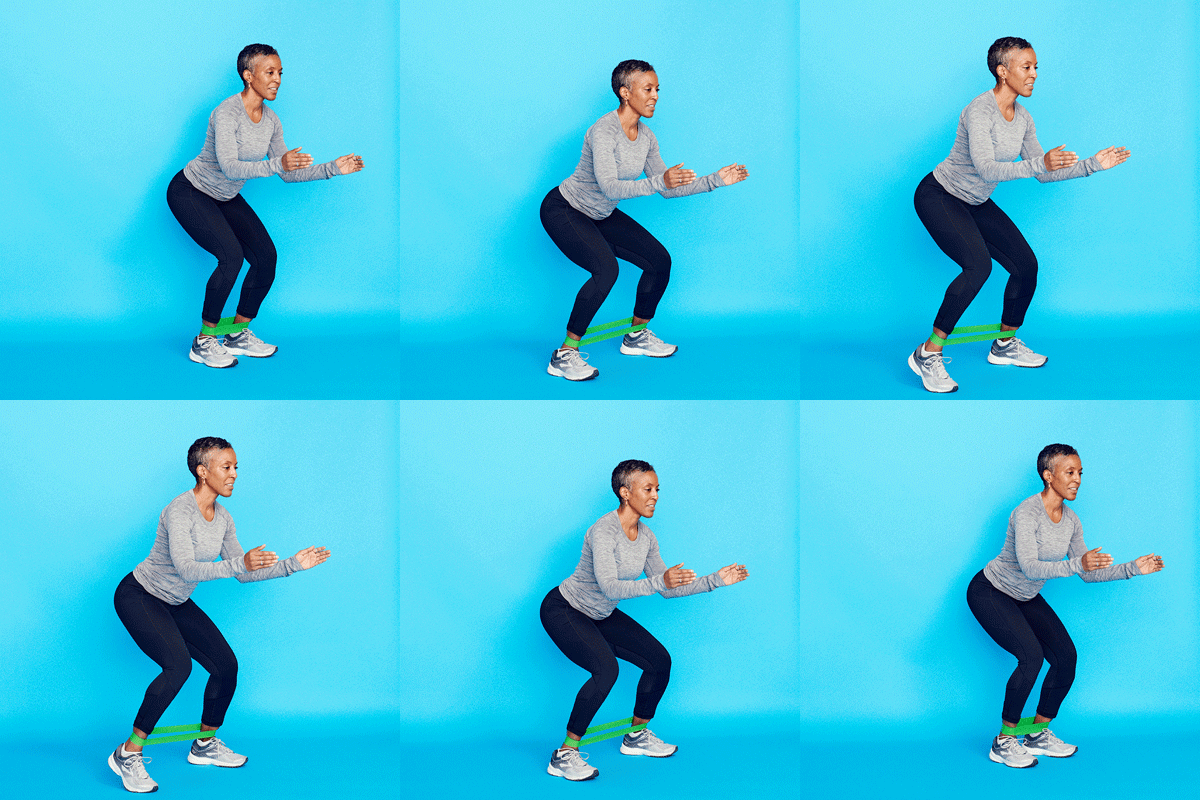
3. Sidestep exercise
Keep hips and toes pointing forward. Increase difficulty by moving the band lower toward the ankles and lowering your squat depth.
Instructions:
- Assume a half-squat with a resistance band looped around your lower thighs.
- Engage the hip musculature as you take small lateral steps.
- Take 8–15 steps in one direction.
- Then repeat back the other way.
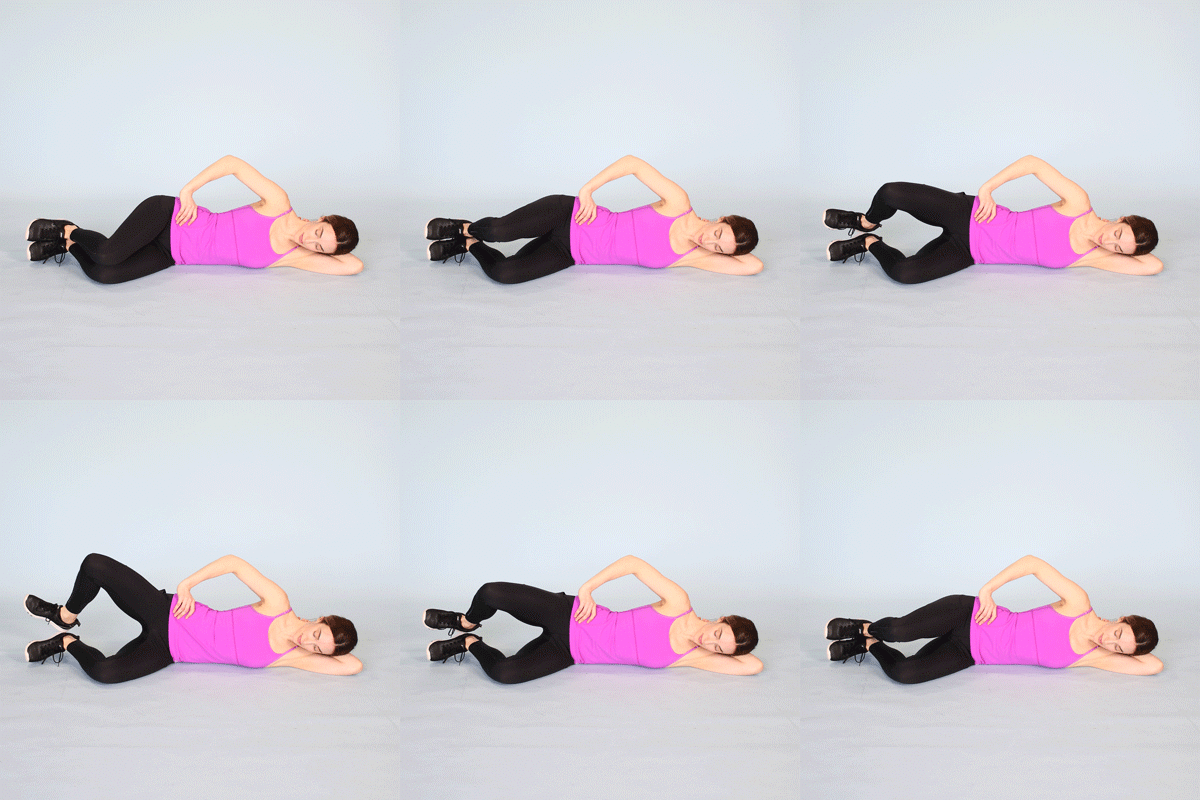
4. Clamshell exercise
This movement strengthens the hips, outer thighs, and glutes. It helps stabilize the pelvis and can ease lower-back tightness, reducing risk of overuse injuries. After mastering the basic form, explore variations.
Instructions:
- Lie on your side with knees bent and a resistance band around your lower thighs.
- Lift your top knee as high as you can, pause briefly.
- Lower back to the start.
- Perform 1–3 sets of 8–15 reps.
Weighted exercises
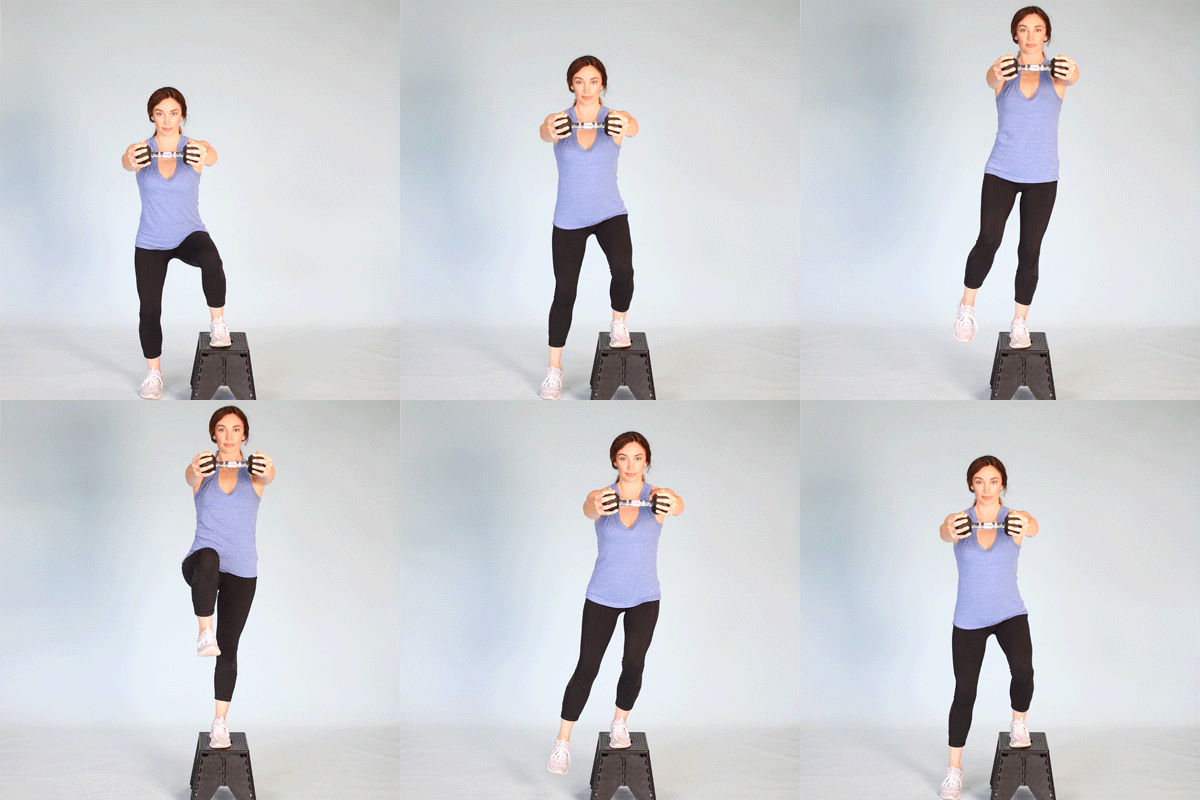
5. Lateral step-up
This move targets glutes, quads, and hamstrings while engaging your core for stability. Increase the load to make it tougher.
Instructions:
- Hold a dumbbell or plate with both hands at chest level.
- Stand beside a bench or box on your right.
- Place your right foot on the bench and push up to stand tall, tapping your left foot onto the bench.
- Slowly lower the left foot back to the ground.
- Do 2–3 sets of 8–15 reps per side.
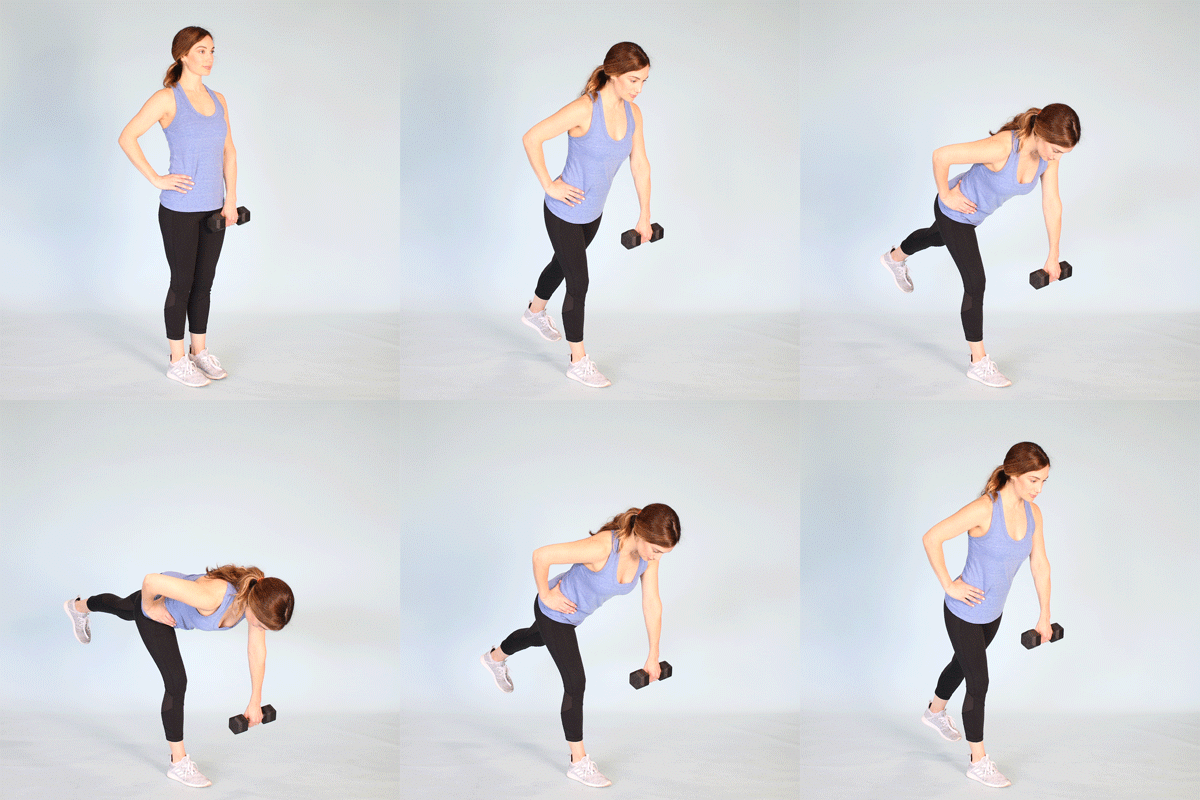
6. Single-leg Romanian deadlifts
Enhance balance, hip mobility, and core stability with this unilateral hinge. It primarily engages the glutes and hamstrings.
Instructions:
- Stand on your right foot with a slight knee bend, holding a dumbbell in your left hand.
- Keep a neutral spine as you hinge forward until your torso is near parallel to the floor while lifting your left leg behind you.
- Return to standing and lower the left leg.
- Complete 2–3 sets of 8–15 reps per side.
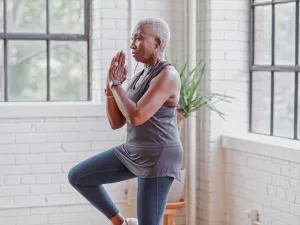
Exercises suited for older adults
These movements enhance balance, coordination, and functional patterns, which can reduce the chance of falls and injuries.
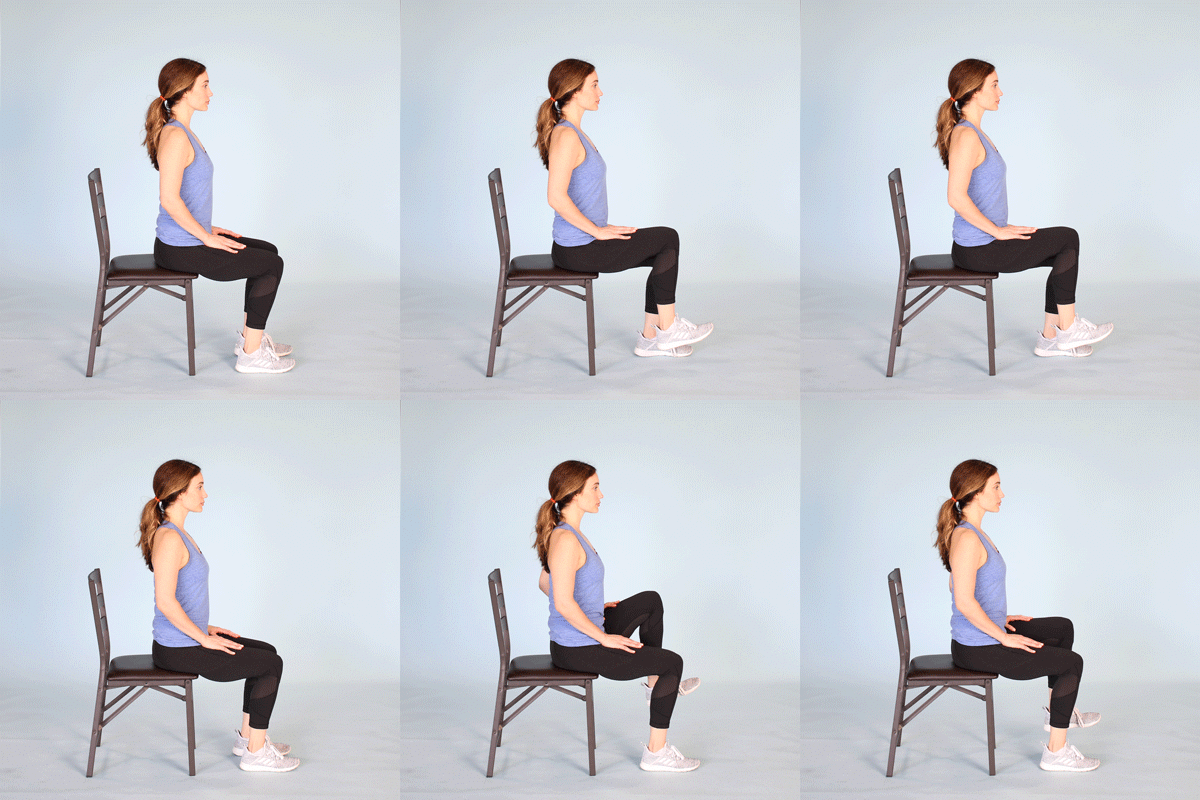
7. Hip marching
This drill strengthens and mobilizes the hips and thigh muscles.
Instructions:
- Sit near the front edge of a chair.
- Lift your left knee as high as comfortable while keeping it bent.
- Lower the foot with control.
- Repeat on the right side; that completes one rep.
- Do 2–3 sets of 5–12 reps.
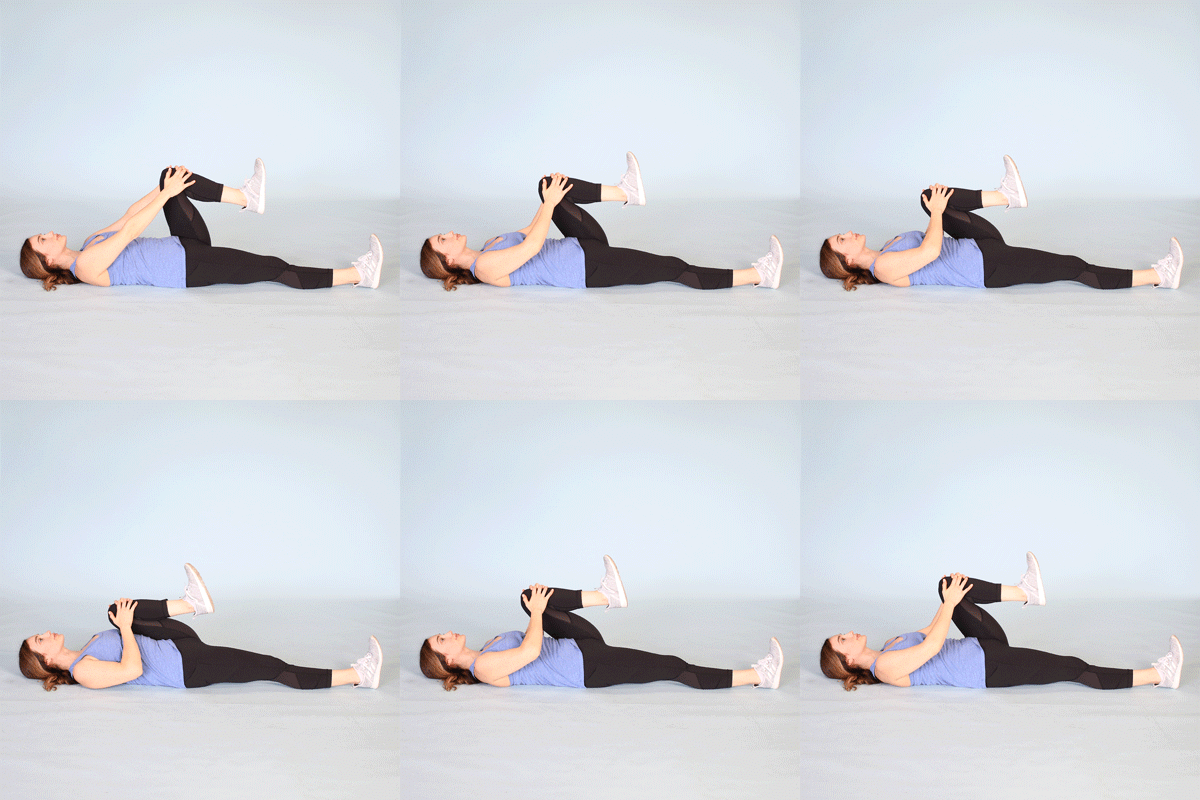
8. Floor hip flexor stretch
This stretch targets the hip flexors, front thighs, and glutes.
Instructions:
- Lie on your back and draw your right knee toward your chest.
- Press the back of your left knee gently into the floor to feel the hip stretch.
- Hold up to 30 seconds.
- Repeat 2–3 times on each side.
Exercises for people with arthritis
When you have arthritis, shorter daily stretching sessions are preferable to infrequent longer ones. Aim for consistent, gentle mobility work every day.
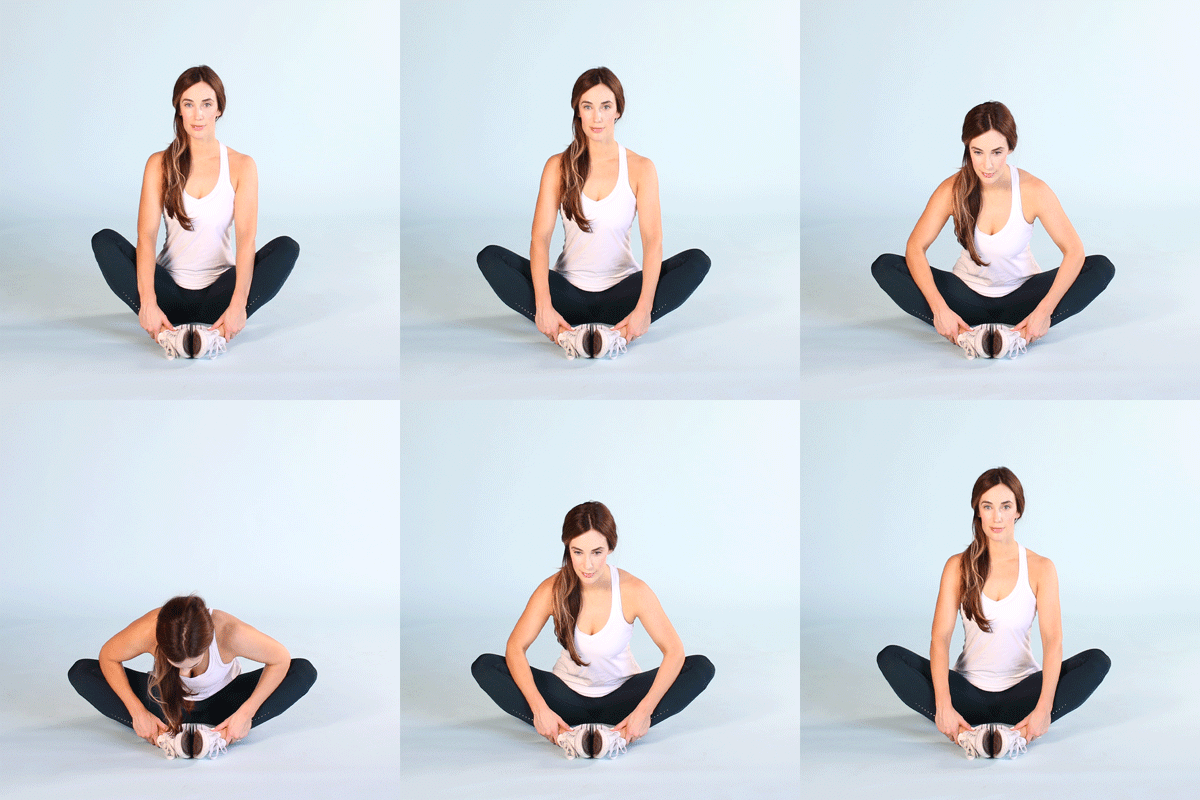
9. Butterfly pose
This seated stretch opens the hips and improves local circulation.
Support your sit bones on a folded blanket or cushion to encourage a pelvic tilt. If your hips feel tight, place blocks or cushions beneath your thighs.
Instructions:
- Sit with knees bent and the soles of your feet together.
- Thread your fingers under your feet. Use your elbows to gently encourage your knees toward the floor.
- Allow the hips to soften as tension releases.
- After about 30 seconds, extend your arms and fold forward.
- Hold the forward fold for up to 1 minute.
To intensify the stretch, bring your heels closer to your pelvis.
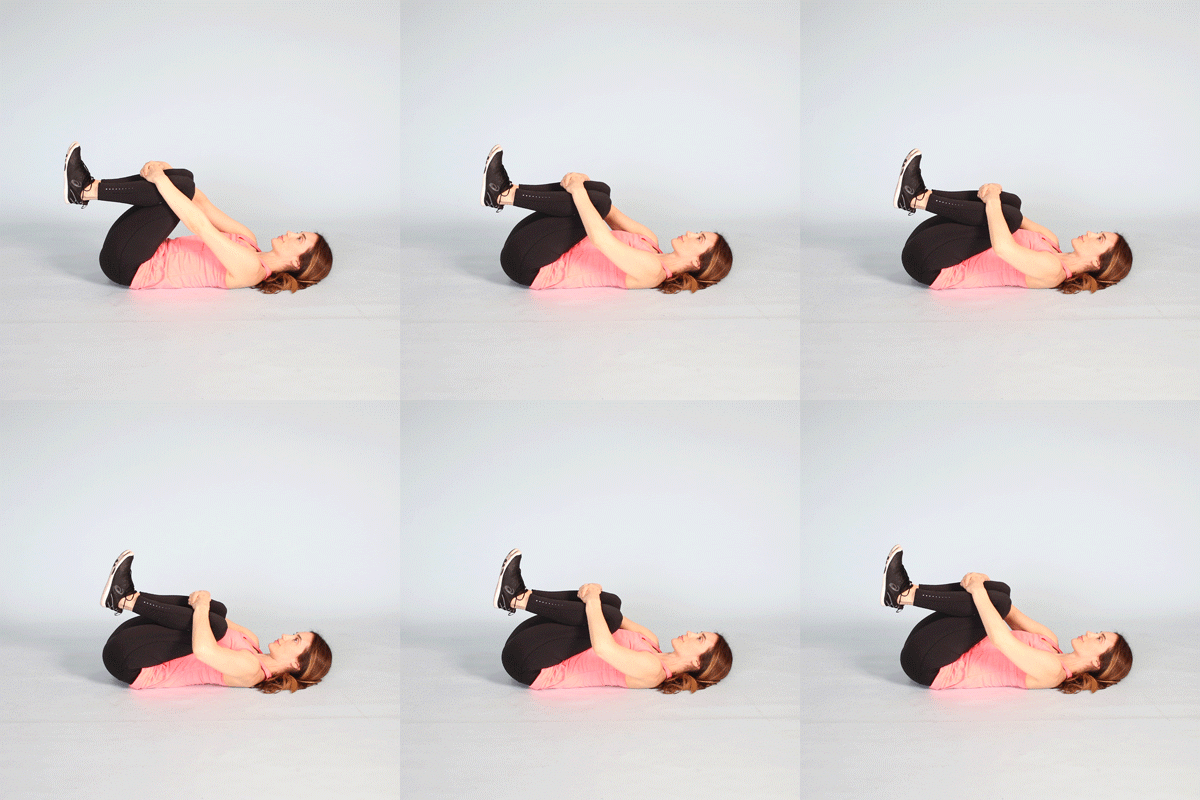
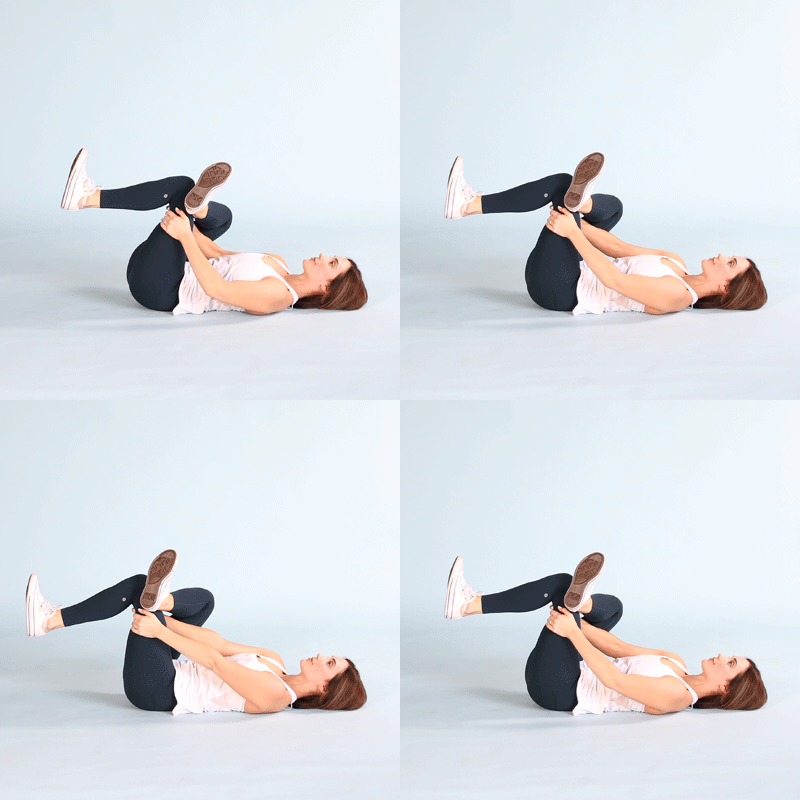
10. Knee-to-chest pose
This position helps stabilize the pelvis and stretches the hips.
Use a small pillow under your head for comfort. If you can’t reach around your shins, hold the backs of your thighs. For more comfort, perform it one leg at a time with the other leg extended or bent.
Instructions:
- Lie on your back with knees drawn toward your chest.
- Wrap your arms around your legs, holding hands, forearms, or elbows.
- Tuck your chin slightly to lengthen the back of your neck.
- Hold for up to 30 seconds.
- Repeat this stretch 2–3 times.
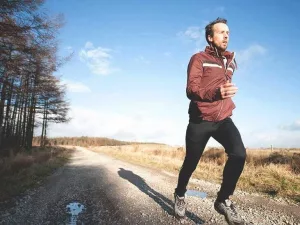
Exercises for runners
Runners often develop reduced hip mobility and discomfort from the repetitive, high-impact nature of running. These drills help correct imbalances by stretching and strengthening tight areas.
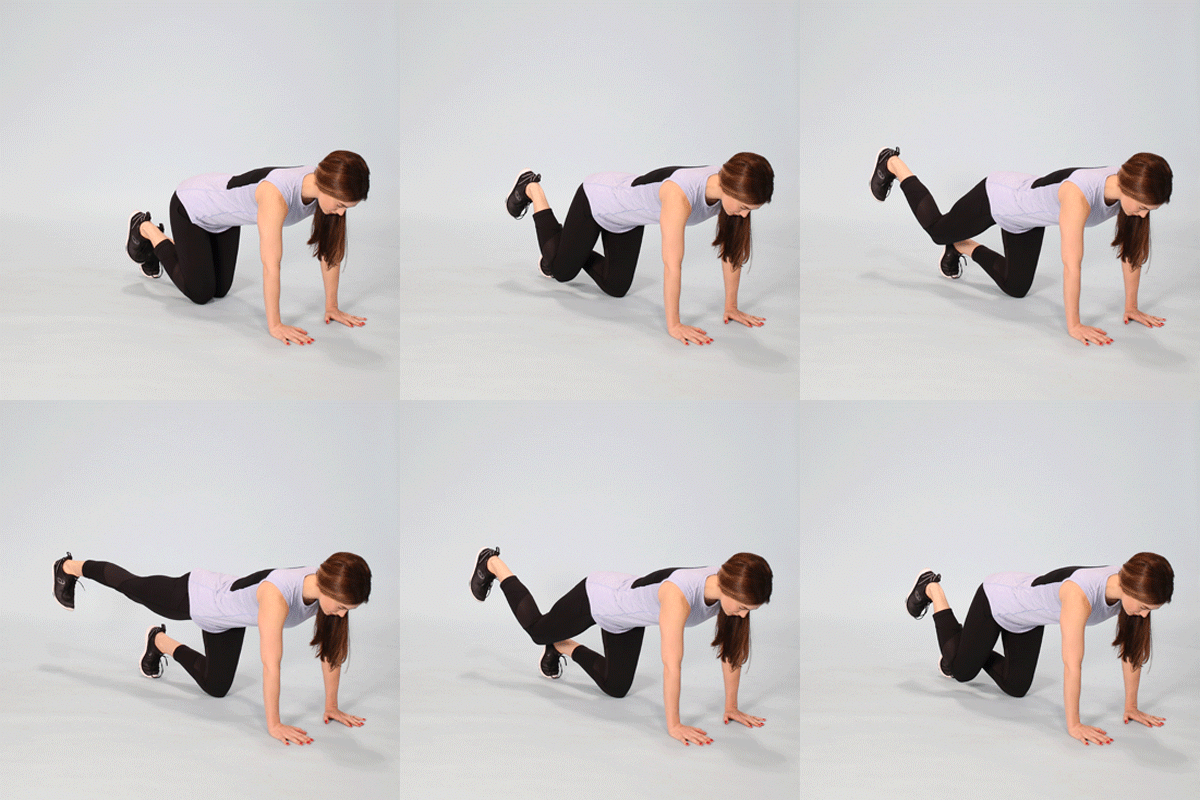
11. Donkey kicks
Use this movement to activate and strengthen the glutes and hips.
Instructions:
- Start on hands and knees, then lift your right knee, keeping it bent as you press the foot upward.
- Drive the sole of your foot toward the ceiling.
- Return to the starting position.
- Perform 2–3 sets of 12–20 reps per leg.
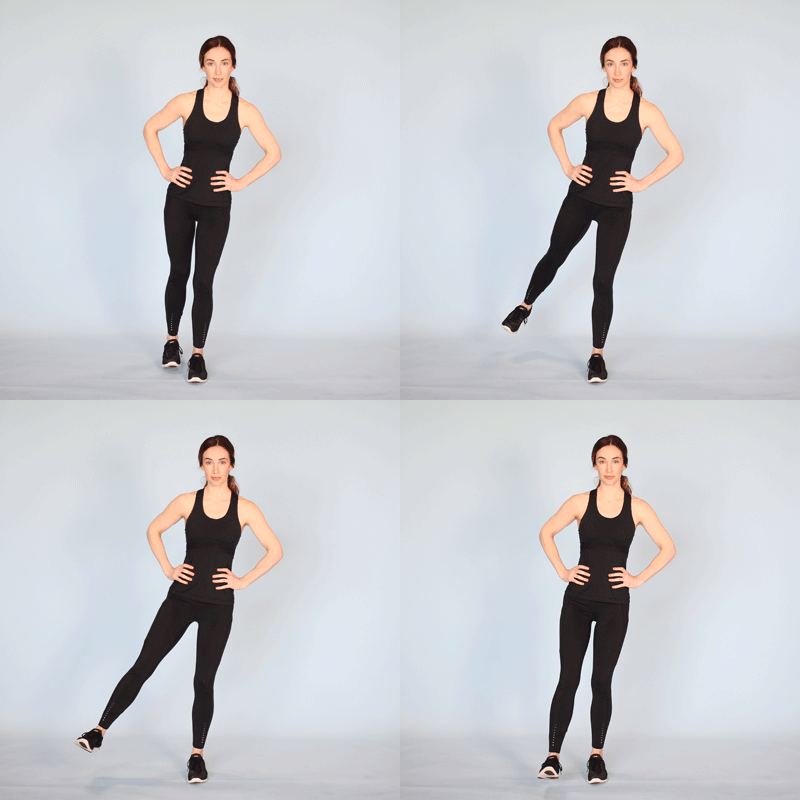
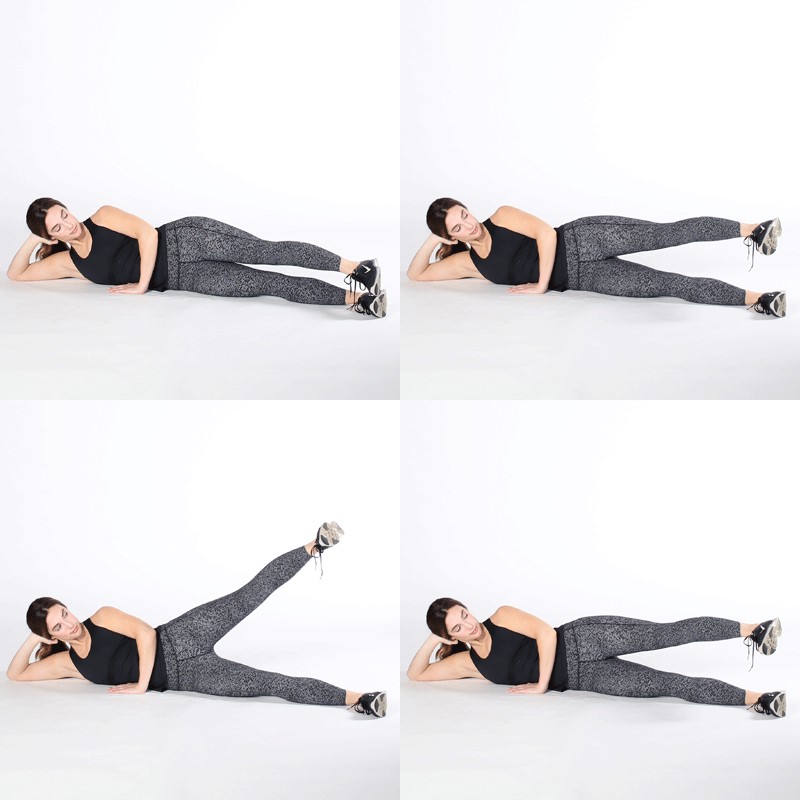
12. Side leg raises
This exercise targets the outer glutes and thighs. Add a light weight to the outer thigh to increase resistance.
Instructions:
- Lie on your right side with legs stacked.
- Lift your left leg as high as possible, pause.
- Lower back to the starting position.
- Complete 2–3 sets of 12–15 reps per side.
Moves to relieve hip pain
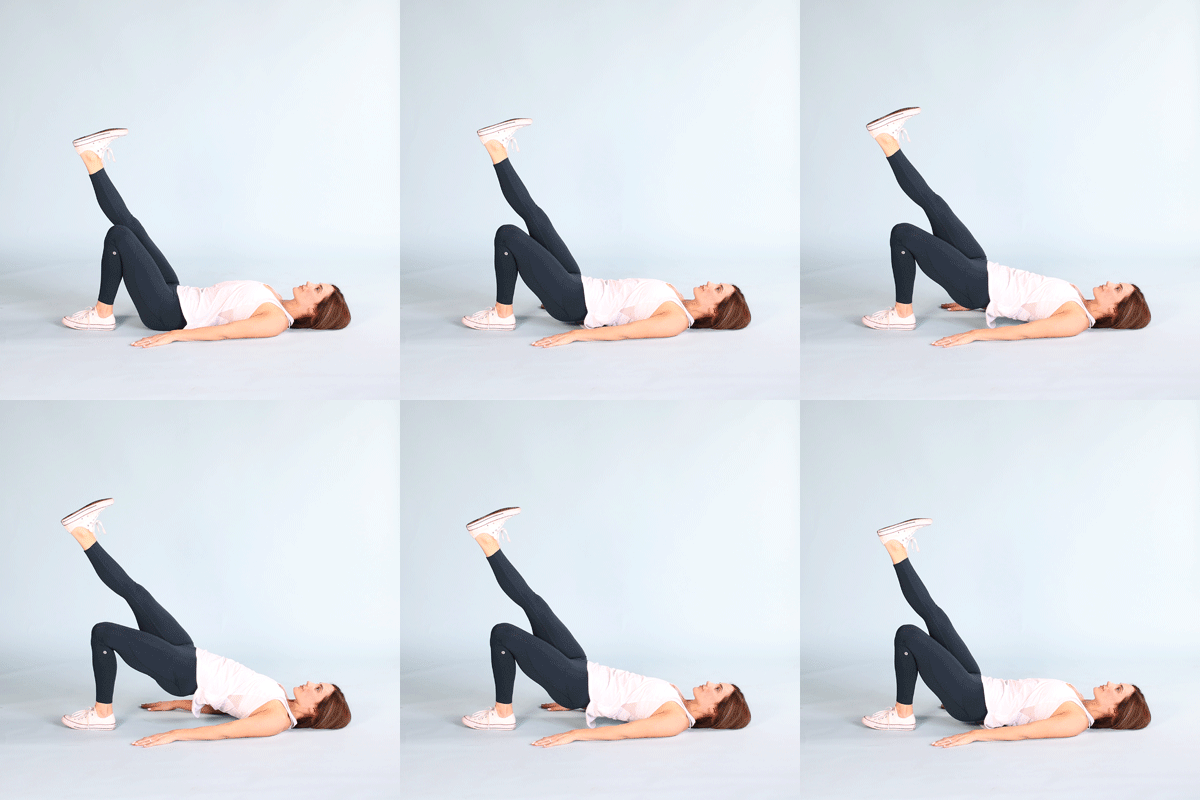
13. Single-leg bridge
This unilateral bridge strengthens the core, glutes, and hamstrings while providing a beneficial hip stretch and encouraging alignment.
Instructions:
- Lie on your back with knees bent and feet close to your hips.
- Press your palms into the floor beside your body.
- Extend your right leg straight out.
- Raise your hips as high as possible.
- Hold for up to 30 seconds.
- Repeat 2–3 times per side.
14. Figure Four
This stretch opens the glutes and hip sockets.
Instructions:
- Lie on your back with knees bent and feet near your hips.
- Place your right ankle over the lower part of your left thigh.
- Clasp your hands around your thigh or shin and draw the leg toward your chest.
- Hold for up to 1 minute.
- Repeat on the opposite side.
You can advance the stretch by straightening the bottom leg.
Exercises to avoid if you have hip pain
Certain activities are best avoided during periods of hip pain. Rest from movements that provoke symptoms and limit strain as much as possible.
Generally, high-impact actions such as sprinting, jumping, or heavy lifting should be approached cautiously. When traversing uneven terrain, like on a hike, be mindful of your steps and prioritize stability.
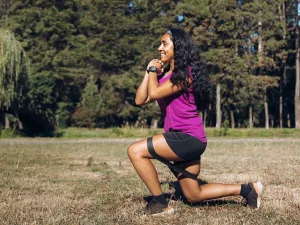
Movements such as deep squats, lunges, and step-ups may place extra load on the hips. Perform them carefully and avoid them during acute flare-ups.
Listen to your body. Work only within comfortable limits and stop any motion that causes pain.
Takeaway
Strong, mobile hips are fundamental to most daily activities and athletic performance. Use a thoughtful, consistent approach to build and preserve function over time.
Select exercises that suit your fitness level and goals and incorporate them into your regular routine. If you have medical concerns, consult your physician before starting a new exercise program.
For targeted releases and tension relief around the hip and buttock, consider incorporating piriformis massage into your recovery plan.

















Leave a Reply
You must be logged in to post a comment.