When Is the Best Time to Apply a Face Mask?

If you’ve ever wondered whether it’s best to apply a facial mask before or after your shower, you’ve probably encountered mixed advice online. The correct choice hinges on the kind of mask you’re using and your individual skin type — it’s not purely about timing.
Read on to discover which masks work better before or after showering so you can achieve a clearer, smoother complexion.
How to correctly apply a face mask
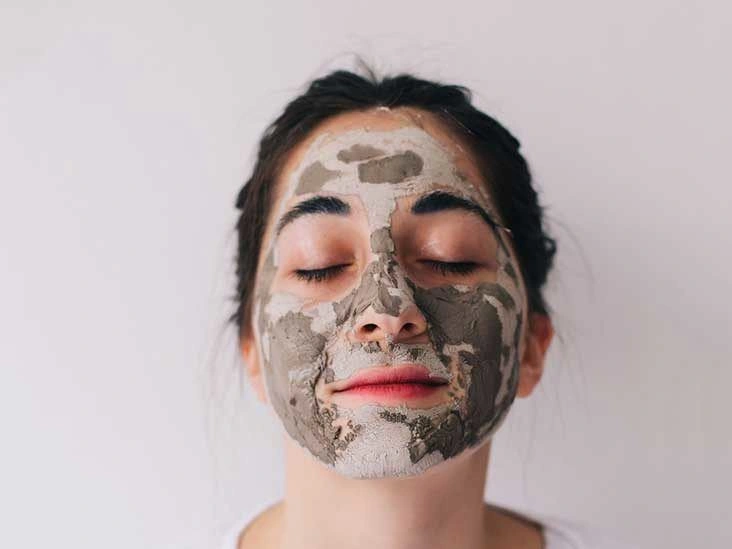
A face mask’s goal varies by formula. Some masks are formulated to absorb excess oil for oily and combination skin, while others restore moisture for dry skin. Certain masks target uneven tone and some include exfoliating agents to slough off dead skin cells.
No matter the mask, follow these essential steps for proper application:
- Start by cleansing your face with your regular cleanser.
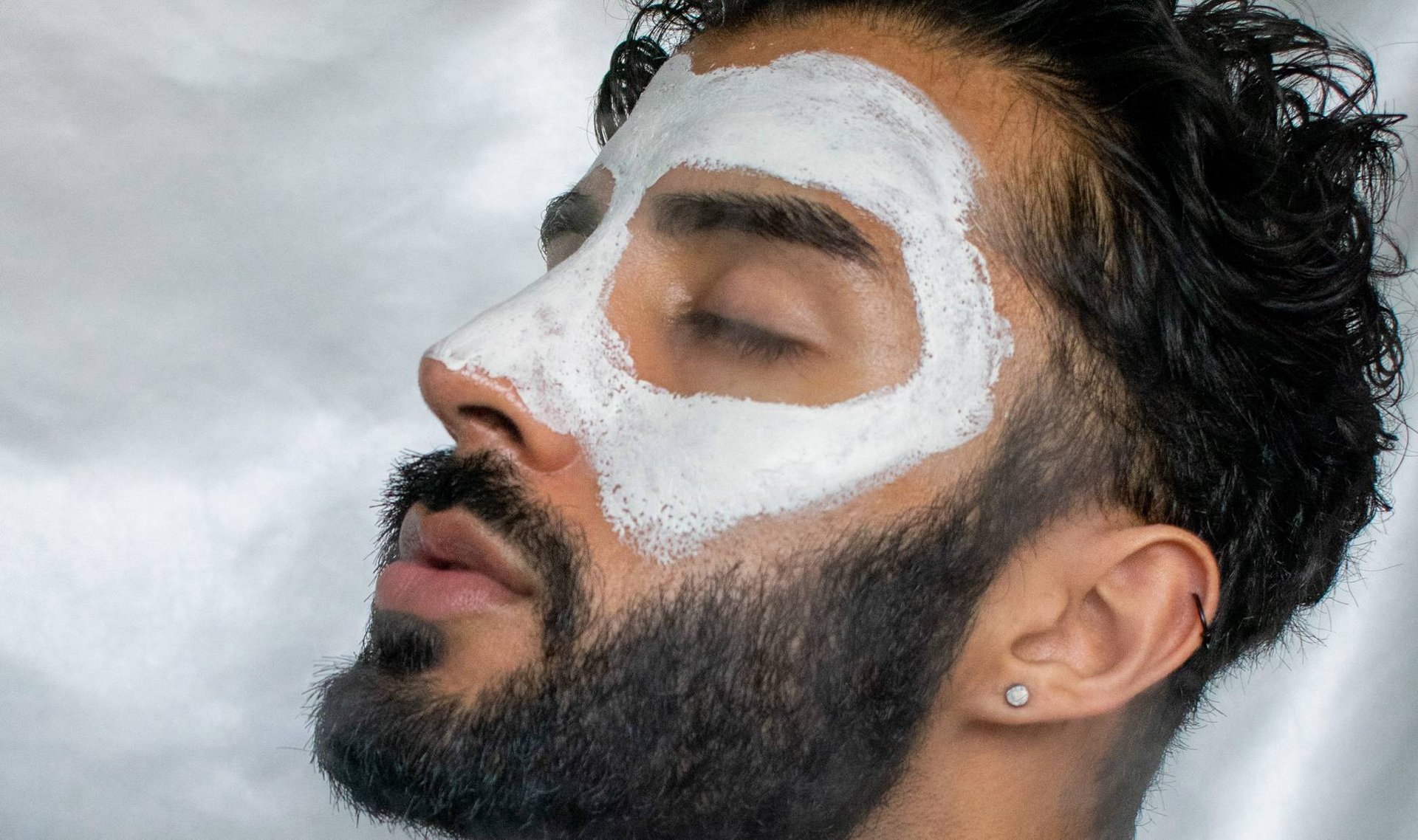
- Spread the mask in a thin, even coat across your face, avoiding the eyes and lips. You may also extend it to your neck and décolletage.
- Certain masks require you to massage the product into the skin briefly — this is common with exfoliating formulas. Check the product directions if you’re unsure.
- Leave the mask on for 5 to 20 minutes, depending on the instructions. Generally, drying masks for oily skin are worn for shorter periods, while hydrating and anti-aging masks remain longer — sometimes overnight.
- Rinse off with warm (not hot) water. A soft washcloth can make removal easier.
- Finish with your usual toner, serum, moisturizer, and sunscreen.
How frequently you mask depends on your skin. Anti-aging masks may be used several times a week, oil-control masks two to three times, and hydrating masks a few times weekly. If your skin is sensitive, once weekly may be sufficient.
Apply a mask before or after showering?
Adding a mask to your skincare routine is beneficial, but it can feel like an extra time commitment. You might have heard that combining your mask with your shower saves time — especially with liquid or mud masks. That approach can work, but there are some considerations.
First, you should always cleanse your face before applying a mask to remove surface dirt, oil, and makeup. You have options: wash your face at the sink and apply the mask before you shower, or cleanse in the shower and put the mask on there, leaving it on while you complete your shower routine. The drawback of the latter is you may not be able to check that the mask is evenly applied, and water could run through it before it has fully set.
Alternatively, shower first, then cleanse and apply your mask. This approach is especially effective for deep-cleansing masks aimed at oily and combination skin, like mud or charcoal masks. Warm water and steam from the shower help open pores, prepping skin for a more thorough cleanse.
If your skin tends to be dry, applying a mask before showering can be advantageous. This helps lock in the moisture from both the mask and the shower. Immediately after showering, follow with an emollient-rich moisturizer.
If you prefer to use a mask without showering, simply adhere to the product’s instructions and the steps outlined above.
Sheet masks are handled slightly differently. These should be applied before continuing with the rest of your skincare routine. The serum left after removing the sheet should be massaged into your skin, so it’s best to do this after showering to avoid rinsing the product off.
One more exception is overnight treatment masks. As the name suggests, these are left on overnight and rinsed off during your morning cleanse. To use them, perform your usual nighttime skincare steps and apply the mask last. Sometimes an overnight mask replaces your regular night moisturizer, depending on skin dryness. These masks tend to be richer and creamier, generally suited for dry to normal skin types.
Know your skin type
Whether to mask before or after showering depends on your skin type and schedule, and largely on the mask itself. By following a few simple rules of thumb, you can seamlessly add a mask to your shower and skincare routine and enjoy its brightening and nourishing benefits.
Frequently Asked Questions
Clay masks work best after a warm shower when steam has opened your pores, allowing deeper cleansing and more effective oil and impurity removal.
Yes — applying a hydrating mask before showering can help lock in moisture, as the shower’s humidity helps the mask penetrate and maintain hydration.
Often you can, especially with non-overnight masks, but take care water won’t wash it away and that you applied the product evenly before getting in.
Apply a sheet mask after showering and cleansing so the serum is absorbed into clean, warm skin; avoid showering while wearing it to prevent rinsing off the product.
Oily or combination skin often benefits from masking after a shower for deeper pore cleansing; dry skin can benefit from masking before showering to seal in extra moisture.




Related Posts
Green Tea for Hair: A Complete Guide
Aug 4, 2026 • 8 min read
What to Expect After Laser Treatment for Spider Veins
Sep 13, 2026 • 18 min read
What’s the Difference Between THC Lotion and CBD Lotion?
Aug 13, 2026 • 28 min read
Proper Dosage for Botox Treatment on the Forehead, Eyes, and Glabella
Aug 20, 2026 • 16 min read
How to Treat an Inverted Nipple
Aug 10, 2026 • 20 min read