Essential Food Safety Guide for Home & Events

- Four Simple Steps
- What are the “Clean, Separate, Cook, Chill” steps?
- Common Food Hazards
- What is listeria contamination and why does it matter?
- How do Salmonella, E. coli, and Norovirus differ?
- Recent Product Recalls
- Why was the latest Trader Joe’s recall issued?
- What triggered the recent cheese recall?
- How can you stay on top of product recalls?
- Smart Shopping Tips
- How to evaluate freshness & safety at the market?
- What to do if something looks suspicious?
- Event Food Safety
- How to keep buffet foods safe for 4+ hours?
- Quick‑fix tips for outdoor picnics and weddings
- Trusted Resources
- Where can I find reliable, up‑to‑date guidance?
- Conclusion
When you hear “food safety,” you might picture a lab coat and a clipboard, but the truth is a lot simpler: it’s the handful of habits that keep the food on your plate from turning into a pricey trip to the doctor. Below you’ll find the exact steps, real‑world stories, and handy checklists you can start using tonight – whether you’re prepping a quick weekday dinner or planning a big holiday buffet.
Four Simple Steps
What are the “Clean, Separate, Cook, Chill” steps?
These four actions are the backbone of every food‑safety program, from the USDA to your grandma’s kitchen. Think of them as the four pillars that hold up a safe meal:
- Clean – Wash hands, surfaces, and utensils often.
- Separate – Keep raw animal proteins away from ready‑to‑eat foods.
- Cook – Hit the right internal temperature.
- Chill – Refrigerate promptly and keep cold foods cold.
Quick‑Check List
| Action | What to Do |
|---|---|
| Clean | Use plain soap, scrub for 20 seconds, dry with a clean towel. |
| Separate | Use different cutting boards for raw meat and vegetables. |
| Cook | Use a food thermometer; poultry ≥ 165 °F, ground meats ≥ 160 °F. |
| Chill | Refrigerate within 2 hours (1 hour if > 90 °F); keep fridge at ≤ 40 °F. |
According to FoodSafety.gov , following these steps can cut your risk of foodborne illness by more than half.
Common Food Hazards
What is listeria contamination and why does it matter?
Listeria monocytogenes is a sneaky bacterium that can grow even in a fridge. It’s especially dangerous for pregnant people, the elderly, and anyone with a weakened immune system. Soft cheeses, deli meats, and pre‑cut salads are common culprits.
If you want a deeper dive into how listeria spreads, check out our article on listeria contamination. The key takeaway? Keep those perishable items refrigerated and toss anything that’s past its “use‑by” date.
How do Salmonella, E. coli, and Norovirus differ?
| Pathogen | Typical Sources | Symptoms | Cooking Guidance |
|---|---|---|---|
| Salmonella | Poultry, eggs, raw milk | Diarrhea, fever, abdominal cramps | Cook to 165 °F |
| E. coli (O157:H7) | Undercooked beef, raw vegetables | Severe stomach cramps, bloody stool | Cook ground beef to 160 °F |
| Norovirus | Contaminated water, shellfish, surfaces | Vomiting, watery diarrhea | Handwashing is essential |
Each of these bugs loves a chance to jump from one food item to another, which is why the “Separate” rule is non‑negotiable.
Recent Product Recalls
Why was the latest Trader Joe’s recall issued?
Just last month, Trader Joe’s pulled several varieties of pre‑cut salad because tests found traces of Trader Joe’s recall items potentially contaminated with listeria. The recall highlights a simple truth: even trusted brands can have hiccups.
What to Do If You Have the Product
- Check the packaging for a batch number and expiration date.
- If the product matches the recall description, discard it immediately – no need to cook it.
- Report the issue to your local health department; they love data.
What triggered the recent cheese recall?
Soft, creamy cheeses are a listeria magnet. A nationwide cheese recall was launched after routine testing flagged contamination in a batch of goat cheese. The lesson? Store cheese in the coldest part of the fridge (the back, not the door) and always respect “use‑by” dates.
How can you stay on top of product recalls?
- Sign up for alerts on FoodSafety.gov .
- Bookmark the FDA recall page and check it once a week.
- Follow the product recall blog for quick summaries of the biggest alerts.
Smart Shopping Tips
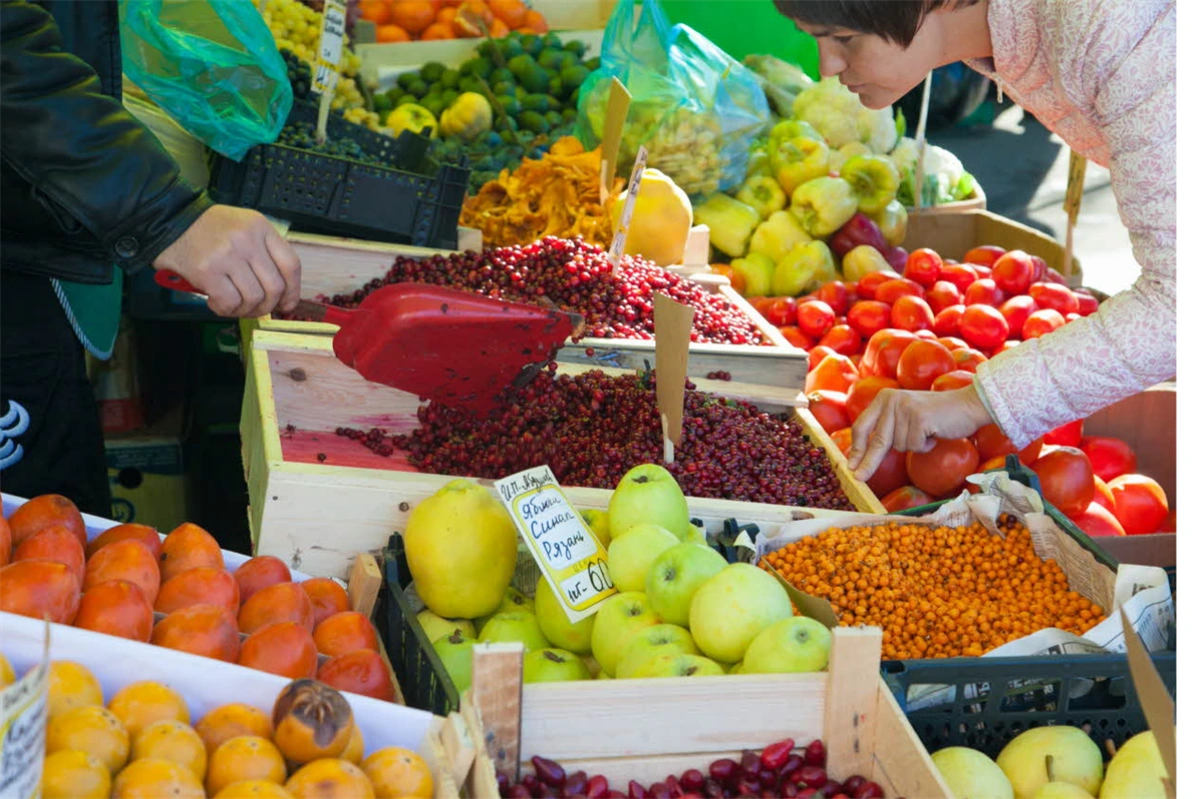
How to evaluate freshness & safety at the market?
Whether you’re strolling through a farmer’s market or the local grocery, a few quick checks can save you a lot of trouble later.
- Look for bright colors, firm texture, and no off‑odors.
- Feel that berries are plump, not mushy.
- Smell if the produce seems “too fresh” – sometimes that’s a sign of hidden spoilage.
- Ask the vendor about the source and how long the items have been on display.
Keeping raw meat safe while you shop
Place raw meat, poultry, and seafood in a separate bag at the bottom of your cart to prevent juices from dripping onto other foods. When you get home, move those items directly to the fridge or freezer – don’t leave them out on the counter for more than 20 minutes.
What to do if something looks suspicious?
If you see bruised spinach or a slab of chicken with an odd color, trust your gut. Report it to the store manager and consider filing a complaint with your state’s health department. You can also read more about potential listeria contamination cases related to produce.
Event Food Safety
How to keep buffet foods safe for 4+ hours?
Buffets are a fun way to feed a crowd, but the longer food sits out, the higher the risk. Follow these temperature guidelines:
| Food Type | Hot Safe Zone | Cold Safe Zone |
|---|---|---|
| Meats (roasts, chicken) | Keep ≥ 140 °F (use chafing dishes) | — |
| Salads & Deli Slices | — | Keep ≤ 40 °F (ice bath or chilled trays) |
| Desserts (creams, custards) | — | Keep ≤ 40 °F |
Use a food‑thermometer every hour to verify temperatures. If anything drops into the “danger zone” (40 °F–140 °F) for more than two hours, it’s safest to discard it.
Quick‑fix tips for outdoor picnics and weddings
- Pack foods in insulated coolers with gel packs.
- Label each container with “keep cold” or “keep hot.”
- Serve perishable items first; move leftovers to an ice bucket after the initial serving.
- Never leave raw chicken or seafood unattended for longer than 30 minutes in the sun.
One of our readers told us about a summer wedding where the catered shrimp cocktail sat on a sunny table for three hours. The whole batch had to be tossed – a costly lesson that shows why “Chill” is non‑negotiable, even on a beautiful day.
Trusted Resources
Where can I find reliable, up‑to‑date guidance?
Not all advice is created equal. Here are the sources we rely on and recommend:
- FoodSafety.gov – The official U.S. portal for alerts, tips, and the 4‑step guide.
- USDA Food Safety and Inspection Service (FSIS) – Offers detailed fact sheets on everything from cutting board hygiene to temperature charts.
- Health Canada – Great for Canadian readers looking for local regulations.
- FNS Food‑Safe Schools – Resources for educators and anyone feeding kids.
When you need a quick answer, just type “food safety” into the search bar of any of these sites and you’ll get science‑based information, not hype.
Conclusion
Food safety isn’t a one‑time checklist; it’s a set of habits that become second nature the more you practice them. By mastering the four simple steps—clean, separate, cook, chill—you’ll protect yourself and your loved ones from the hidden risks lurking in our kitchens and grocery aisles. Stay alert to recalls like the recent Trader Joe’s recall or a cheese recall, and use the tools and resources mentioned above to keep your meals safe whether you’re cooking a weekday stir‑fry or catering a holiday feast.
Got a food‑safety question or a story to share? I’d love to hear it. Drop a note in the contact form, or reach out on social media. Together, we can keep our plates delicious and our stomachs happy.
Frequently Asked Questions
The core steps are Clean, Separate, Cook, and Chill. Clean hands and surfaces, keep raw foods apart, cook to proper temperatures, and refrigerate promptly.
Store perishable items at 40 °F or lower, keep raw meats on the bottom shelf, use airtight containers, and discard foods past their use‑by dates.
Check the packaging for batch numbers, follow the recall instructions—usually discard the item—and report the incident to your local health department.
Hot foods should stay at 140 °F or above and cold foods at 40 °F or below. Anything in the “danger zone” (40‑140 °F) for more than two hours should be thrown out.
Trusted sources include FoodSafety.gov, the USDA FSIS site, the FDA recall page, and Health Canada for Canadian regulations.
Read Next

10 Tasty Wild Berries to Try (and 8 Poisonous Ones to Avoid)

The Manscaping Guide to Healthy, Well-Groomed Pubic Hair

I Tried It: Neutrogena Hydro Boost Water Gel Review
7 Methods to Dry Up Breast Milk and When to Contact a Doctor
Is Ovaltine Healthy? All You Need to Know

7 Ways to Remove Dead Skin from Your Feet
Related Posts

Condom Catheters: How and When to Use
Sep 24, 2026 • 4 min read
Which Is Better — Using Free Weights or Machines?
Sep 15, 2026 • 17 min read
What Is the Budwig Diet, and Does It Prevent Cancer?
Aug 6, 2026 • 34 min read
What Is Colloidal Silver, and Is It Safe?
Sep 10, 2026 • 4 min read
How to Use a Warm Eye Compress to Treat Styes and Other Conditions
Sep 9, 2026 • 20 min read