What Are the Benefits of a Milk Bath, How Do You Take One, and Is It Safe?

What is a milk bath?
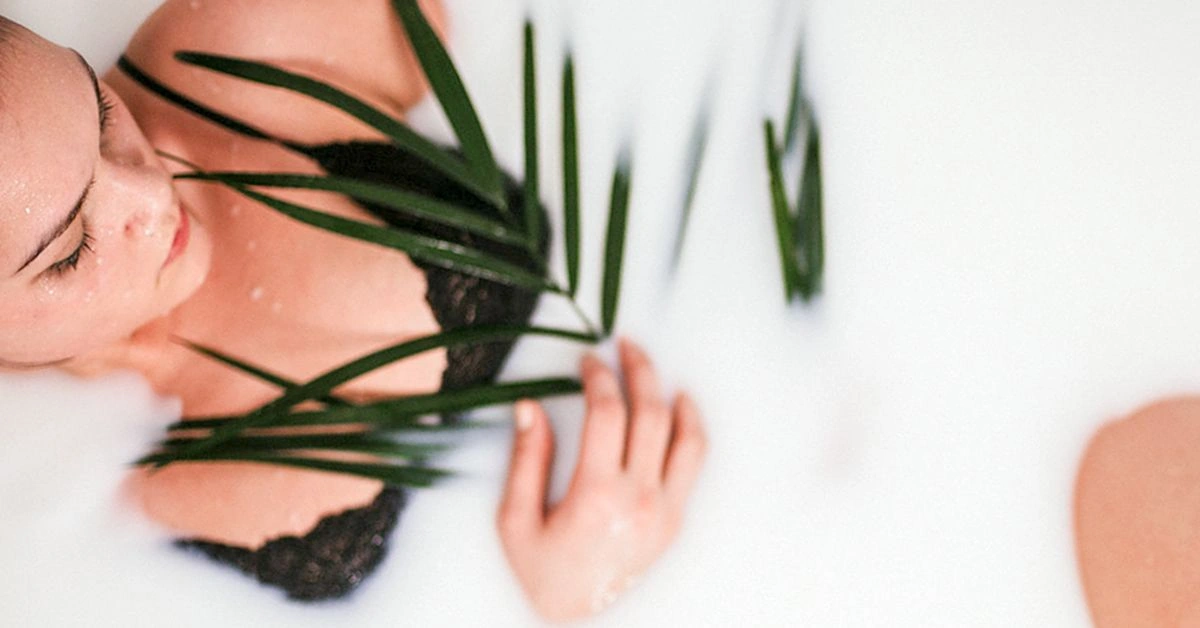
A milk bath involves adding milk — either liquid or powdered — to warm bathwater. Many people use it to help soothe skin issues such as eczema, psoriasis, and dry skin.
Keep reading to explore the potential advantages and precautions of milk baths and simple ways to try them at home.
5 Benefits
Scientific data on milk baths for skin conditions is sparse. Where clinical evidence is limited, much of the support comes from anecdotal reports.
Always consult your healthcare provider before using milk baths as a treatment for skin problems.
1. Dry Skin
If your skin tends to be dry, milk baths may help restore moisture. Milk contains:
- proteins
- fat
- vitamins
- minerals
- lactic acid
The proteins and fats can help condition and calm the skin, while lactic acid acts as a mild exfoliant. Exfoliation helps remove dead skin cells and can lead to a softer texture.
One study looking at skincare for women over 65 reported that milk baths reduced pruritus (itchy skin).
2. Eczema
Eczema commonly produces rashes, raised bumps, and irritation. Evidence on milk baths specifically for eczema is limited.
A study showed that applying human breast milk topically was as effective as hydrocortisone ointment for treating eczema in infants. However, more research is necessary.
There’s no clear proof that milk baths are an effective eczema treatment for adults, and they should not replace prescribed medications.
If milk baths feel comforting, discuss them with your dermatologist to ensure they’re appropriate for your skin.
3. Psoriasis
A milk bath might ease psoriasis symptoms such as itching, flaking, or patchy skin, but rigorous research is lacking.
If you prefer milk baths, check with your physician to make sure they’re safe for your condition.
4. Poison ivy
Milk baths may offer relief from poison ivy by calming redness, itching, and inflammation, though studies on this use are limited.
5. Sunburn
Milk’s proteins, fats, amino acids, and vitamins A and D can be soothing for sunburned skin. Soak for up to 20 minutes, and follow with aloe vera or a moisturizer for added relief.
Are milk baths safe?
Milk baths aren’t suitable for everyone. If you have sensitive skin, the lactic acid in milk could cause irritation.
Avoid milk baths if you have a high fever.
If you are pregnant, talk to your healthcare provider before taking a milk bath.
Exit the bath immediately if you feel faint, dizzy, or unwell. Never drink milk bath water — it’s not safe to ingest.
What types of milk can you use in a milk bath?
You can use a variety of milks for a milk bath, including:
- whole milk
- buttermilk
- coconut milk
- goat’s milk
- powdered milk
- rice or soy milk
There’s limited evidence that one kind of milk outperforms others. Try different options to see which feels best on your skin.
Skip skim milk — full-fat varieties are typically more nourishing for the skin.
How to take a milk bath
To prepare a milk bath, add 1 to 2 cups of milk to a tub filled with warm water. You can also include additions like essential oils, bath salts, honey, or baking soda for extra benefits. For guidance on safe aromatic additions, see essential oils in bath.
Ingredients
- 1 to 2 cups powdered milk (or milk of choice)
- Optional add-ins: 1 cup Epsom salt, baking soda, oatmeal, honey, or 10 drops of an essential oil
Directions
- Fill the bathtub with warm water and stir in the milk plus any optional ingredients.
- Blend the mixture with your hand or foot until combined.
- Soak and unwind for 20 to 30 minutes.

Where to buy milk for milk bath?
Ingredients for a DIY milk bath are available online or at local pharmacies. Look for powdered milk online or use the liquid milk from your refrigerator.
You can also purchase ready-made milk bath mixes. Check ingredient labels to ensure you’re not allergic or sensitive to anything listed.
Parents interested in gentle bathing for infants may find suggestions about a milk bath baby helpful when choosing ingredients and methods appropriate for little ones.
Takeaway
Milk baths can be calming for dry, itchy skin, but they should not replace prescribed treatments. Always consult your doctor or dermatologist to confirm whether milk baths are a safe option for you.
Frequently Asked Questions
A milk bath is warm bathwater mixed with milk (liquid or powdered). Milk contains fats, proteins, vitamins and lactic acid, which may help moisturize, soothe, and mildly exfoliate skin.
Common guidance is 1 to 2 cups of liquid milk or an equivalent amount of powdered milk in a standard bathtub of warm water. Adjust amounts based on preference and tub size.
Whole milk, buttermilk, goat’s milk, coconut milk, or powdered milk are popular choices. Full-fat varieties tend to feel more nourishing; try different types to see what suits your skin.
Milk baths may soothe some skin issues but can irritate very sensitive skin due to lactic acid. They should not replace prescribed treatments—consult your dermatologist before use.
Soak for about 20–30 minutes. Avoid milk baths if you have a high fever, exit immediately if you feel faint, and do not ingest the bath water. Rinse gently and apply moisturizer afterward.
Read Next



Related Posts

5 Evidence-Based Ways Collagen May Improve Your Hair
Sep 1, 2026 • 17 min read
Are There Benefits to Using Almond Oil on Your Face?
Jul 30, 2026 • 26 min read
Is Microblading Your Eyebrows Painful?
Aug 9, 2026 • 6 min read
Green Tea for Hair: A Complete Guide
Aug 4, 2026 • 28 min read
Proper Dosage for Botox Treatment on the Forehead, Eyes, and Glabella
Aug 20, 2026 • 7 min read