Simple Nasal Swab Test: Quick But Not Perfect

- How Nasal Swabs Work
- The Basic Science Behind the Sniff
- Cost-Saving Superpower
- Why High-Risk Settings Love Nasal Swabs
- Unspoken Risks
- Nosebleeds and Other Swab Surprises
- Accuracy Drama
- Why Swabs Sometimes Miss the Mark
- Technique Tips
- Avoid Rookie Mistakes
- Testing Aftermath
- The (Potential) Fallout From Viral Catch ‘Em All
- Nasal Swab Alternatives
- When You Need to Switch Tactics
- Swabs Through Time
- How 1919 Cotton Swabs Birthed 2020 Testing Mania
- Testing Tomorrow
- What’s Next For Virus Screens?
Picture this: It’s a quiet Tuesday morning at a nursing home. A nurse notices a resident coughing slightly but thinks, “Eh, just allergies.” Later that week, six more people are in bed with the flu. Sound familiar? That “simple” nasal swab test? Yeah, it’s not that simple. And here’s why.
When the pandemic hit, nasal swab tests became our frontline warriors. They stopped entire outbreaks in tracks. But… wait. They’ve got flaws and superpowers. Let’s unpack how this humble swab became both a hero and a headache for virus detection in high-risk settings. I’ll keep things real — no fluff, just what you need to know if you’re running a school, working in a hospital, or dealing with a sneeze-opolis at home.
Spoiler alert: It’s all about balance. Like choosing between ice cream and kale. Both can be good — but only if you understand their limits.
How Nasal Swabs Work
The Basic Science Behind the Sniff
Quick pop quiz: What’s a nasal swab test actually looking for? Turns out, it’s not just a “snot party.” That little cotton stick is hunting for viruses hiding in your nasal passages — the kind that cause respiratory virus screening nightmares in places like gyms, airports, or your grandma’s bridge club.
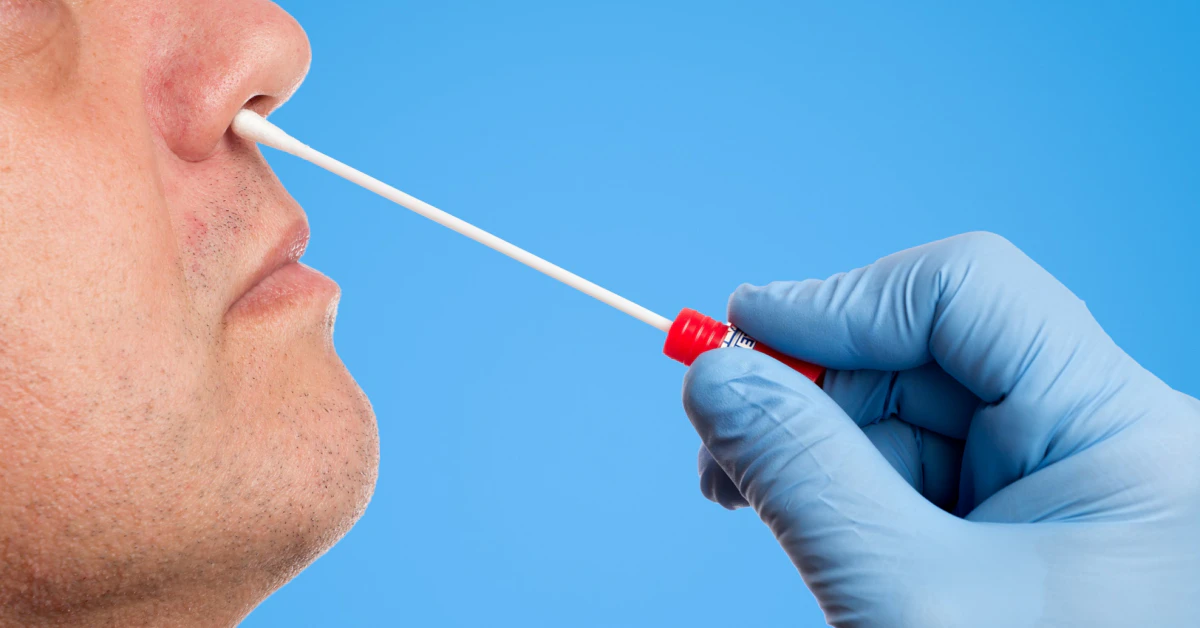
Here’s the (non-scary) breakdown: A technician strokes the swab against your nostril lining. It grabs viral particles (if present) then gets tossed into a test tube for processing. Cleveland Clinic explains it perfectly: “It’s like fishing. But for viruses. And your nostrils are the pond.”
Pro tip: Not all nasal swab tests are equal. The shallow nostril swab is for rapid results. The nasopharyngeal swab? It’s the deep-diver. Goes all the way to your “nasopharynx” (that’s the VIP lounge at the back of your nose if you’re rusty on anatomy). Spoiler: That VIP guest sometimes gives nosebleeds.
Cost-Saving Superpower
Why High-Risk Settings Love Nasal Swabs
Let’s get controversial: Is nasal swab testing the lazy person’s warrior against infection prevention? Maybe. But here’s why schools, nursing homes, and airports can’t quit this tool:
- Lightning fast — Done right, you’re snot-fishing then back to work in 5 minutes
- Cheap — Because nobody’s funding gold-plated testing
- Easy to scale — Test 300 employees? Child’s play
Remember the 2020 scramble when we didn’t have enough tests? That’s when nasal swab test costs became a lifeline. Instead of expensive bloodwork or brain-tickling endoscopes, public health teams turned to swabs. They’re like duct tape — not glamorous, but gets things done when crisis strikes.
Unspoken Risks
Nosebleeds and Other Swab Surprises
Okay, confession time: I once stomach-flipped watching someone yank a swab out with a nosebleed flowing like a faucet. It’s not just me, though — research in PubMed says this isn’t rare. Retained swabs? Check. Cerebrospinal fluid leaks (weird, but real)? Check. Epistaxis (medical term for nosebleeds)? Oh man, check. The takeaway? Technique matters.
Imagine trying to hit a bullseye while blindfolded… and your nose is the bullseye. That’s what swabs demand. Push too hard or angle wrong and you’ll get injuries that turn “cost-cutting” into “ER expensive.” The JAMA docs even have horror stories about folks poking at deviated septums the wrong way.
PS: If you’ve had recent nasal trauma or sinus surgery? Hit pause. These tests don’t play favorites with anatomy. The same goes if your nose blocks up like a beaver dam weekly.
Accuracy Drama
Why Swabs Sometimes Miss the Mark
Here’s the bummer no lab tech tells you: Nasal swabs can lie. Like, straight-up lie. A 2020 study showed patients with low SARS-CoV-2 levels might walk away thinking they’re in the clear. GPS-style reminder: Nasopharyngeal swabs are more precise in detecting those sneaky infections.
BUT WAIT — swab-based tests aren’t all bad news. They’re your BFF when viruses party hard in nose-ville (hi, rhinoviruses!). Problem? You need skill. Ever try twirling a swab with the grace of a sushi chef? Neither have half the people self-testing at home. Result? The world’s largest drawer full of inconclusive tests.
| Scenario | Swab Can Hit Home Run | Swab Will Strike Out |
|---|---|---|
| Rapid antigen testing during a cruise ship outbreak | ???????????? | ???????? — check your blood oxygen, bruh |
| Screening asymptomatic teachers for school reopening | ???????????? | ???????? — deeper samples might catch silent carriers |
Technique Tips
Avoid Rookie Mistakes
Back story: My sister once poked her nose so hard doing a self-test, she looked like Rudolph to her kids. The moral? Even medical tools need love.
How to do nasal swab testing without facepalms:
- Hold swab like you’re petting a cat — gentle, wrist flat
- Insert 2-4 cm max. No need to invent new nasal acrobatics
- Twirl five times. No racing here
Struggling with a kid’s test? The Australian government made a swag of cartoon videos showing how to DIY without freaking anyone out. Spoiler: It’s less about the swab strength and more swab finesse.
Testing Aftermath
The (Potential) Fallout From Viral Catch ‘Em All
Calling all pandemic testing managers: Here’s the bad crystal ball says? Over-relying on nasal swabs doesn’t quit employees or hospital staff. Yelling “contaminated swab!” six times a day does wonders for burnout.
Three Lies We Told Ourselves
1. “One swab fits all.” Skewed results = mixed-up interventions. 2. “You can’t mess up a swab test.” (See nosebleed drama above) 3. “It’s okay to use these for everyone.” Coagulopathy? Deviated septum? Hello trauma risk.
Nasal Swab Alternatives
When You Need to Switch Tactics
Science bait-and-switch alert: Saliva tests might soon make nasal swabbing look as outdated as cue-and-learn VHS tapes. Mysterious “brain tickler” sensation? Gone. No sinus spelunking required. Just drool into a tube like your kindergarten teacher says. Ooh, fun Nature study even suggests spit might find viruses earlier than nose-sticks.
But hold up — nasal sampling isn’t checking out permanently. It’s still king in confined spaces where rapid virus detection matters. Nursing homes? Planes? Theme parks? Nasal swabs can save serious cash by stopping outbreaks earlier than page-long surveys or waiting for symptoms.
Swabs Through Time
How 1919 Cotton Swabs Birthed 2020 Testing Mania
1919 called. They invented the swab, and we’re still loving their gift. Puritan Medical Products, if you’re wondering, didn’t know they’d make virus detection startups hit gold.
Add 100 years, sprinkle in one global health crisis, and — BAM — you’ve got the evolution of the nasopharyngeal swab. Now, they’re not just for trapping common cold culprits. Veracyte even proved in 2019 they could detect lung cancer through nasal passages (the human body 101, anyone?).
Testing Tomorrow
What’s Next For Virus Screens?
Wouldn’t it be sweetlemon if future virus detection tools skipped the swab gig entirely? Some genius engineers dreamed of RFID-enabled “smart swabs” to prevent that awkward “swab left in nostril” finale.
Meanwhile, you just need to navigate the here-and-now. One breath of wisdom? Testing doesn’t equal prevention. Routine screenings? Good. But hand-washing, air flow control, and isolation protocols? A combo pack that actually kills transmission.
Final check-in: If you’re knee-deep in outbreak planning — or just tired of nose-twirling sorcery — there’s a middle road. Leverage nasal swabs while knowing their kryptonite (shallow technique, coagulopathy, low viral counts), and you’ll sleep better at night. Promise.
Frequently Asked Questions
Testing areas with low viral loads or improper swab technique can miss infections. A 2020 study shows these swabs may fail to detect SARS-CoV-2 in its early stages, making proper training critical.
nasal swab tests carry risks for those with deviated septums or post-surgery healing. Forceful insertion might cause injuries like nosebleeds, as noted in high-risk clinical reports.
In studies, nasal swab tests deliver faster results but less comfort than saliva tests. Nature suggests saliva samples might detect infections earlier, particularly for home testing or sensitive noses.
Yes, if you avoid aggressive swabbing and follow guidance like Australia’s public health videos for correct insertion angles and swabbing depth.
They cut costs by aggressively catching respiratory viruses early. Schools or nursing home outbreaks become {“nose-palm”:-double-checking} with rapid {“nasal swab test”}-based protocols avoiding mass shutdowns or frequent bloodwork.
It’s less about pain and more about psychological “ick.” A swab goes just deep enough to activate your “I’m about to sneeze” reflex — the magic trick being technique, not force.
Consistent testing boosts safety, but don’t overdo it. High-risk workplaces should tailor sampling frequency based on illness trends, not blanket daily testing unless crisis demands it.


Related Posts
What You Need to Know About Snap-In Dentures
Aug 12, 2026 • 24 min read
Thinking About a Septum Piercing? Here’s What to Expect
Aug 19, 2026 • 32 min read
What to Expect After Laser Treatment for Spider Veins
Sep 13, 2026 • 10 min read
Spinach 101: Nutrition Facts and Health Benefits
Aug 25, 2026 • 24 min read
Low Sodium Frozen Meals: The Best Brands and 21 Dietitian-Approved Options
Sep 15, 2026 • 10 min read