
Signs & Symptoms
Dizziness Causes: Understanding Why You Feel Light‑Headed
Find out the top dizziness causes—inner‑ear problems, low blood flow, or medication side effects—and quick tips to stop the spins for you t…

Clear, evidence-based health guides — symptoms explained, conditions and treatments compared, and practical answers to the questions people actually search for. Browse by category below, or search for a topic.
Find out the top dizziness causes—inner‑ear problems, low blood flow, or medication side effects—and quick tips to stop the spins for you t…

The sympathetic nervous system triggers fight‑or‑flight, lifts heart rate, but chronic overactivity can raise blood pressure and anxiet…

Antihistamines pregnancy safety guide: learn which meds are safe, generation differences, trimester tips, and what to avoid for a healthy b…

Pathologists and pathology turn tissue samples and lab results into vital diagnoses, guiding treatment decisions across medical specialties.
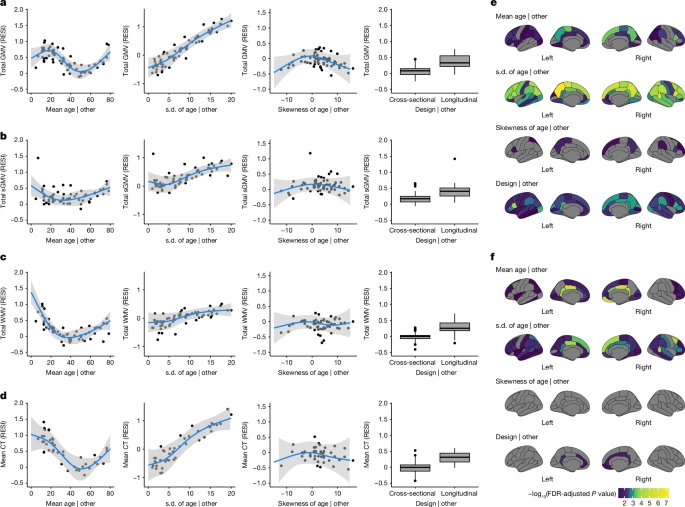
A brain associations study links whole‑brain imaging to behavior, showing longitudinal samples improve insights into emotion and decision‑m…

A faulty transport protein disrupts neuronal metabolism, causing severe epilepsy in infants; genetic testing and emerging therapies bring h…
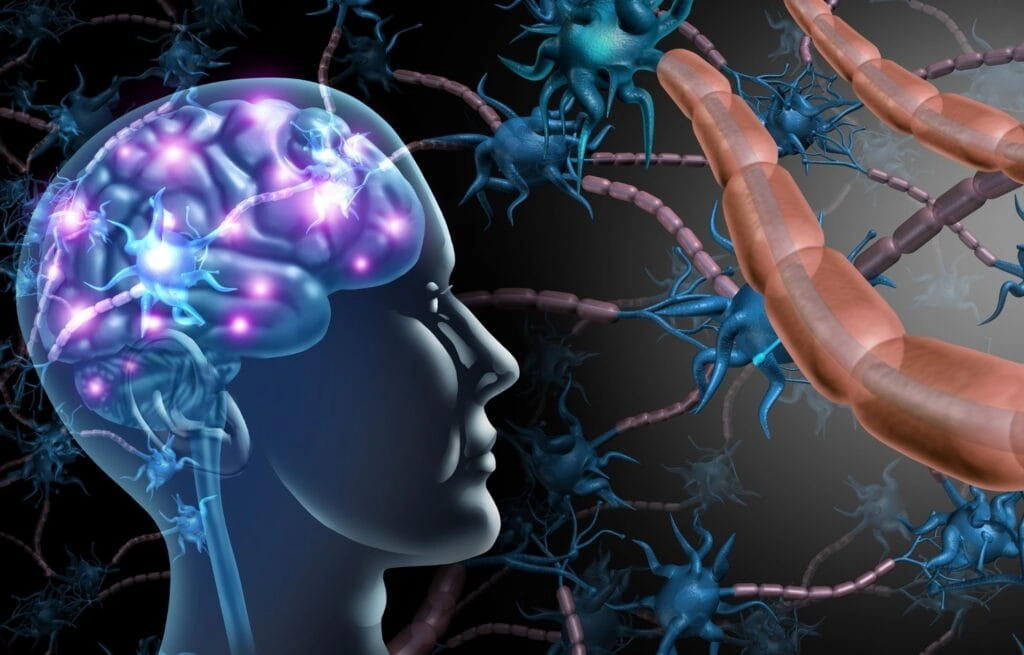
Brain transport protein regulates nutrient and drug flow across the blood‑brain barrier; its failure can cause epilepsy and neurodegenerati…

utDNA testing offers a painless urine‑based way to detect bladder cancer recurrence early, guide treatment and cut down invasive procedur…

Learn how naloxone quantity limits vary by insurance type, state standing orders, and effective strategies to obtain extra doses when neede…

Neuron metabolism fuels thoughts by turning glucose, lactate and fats into ATP, while astrocyte support keeps the brain humming smoothly.
Decision-making stimuli like notifications, cravings, or emotional cues can speed up your choices; learn fast ways to manage them.
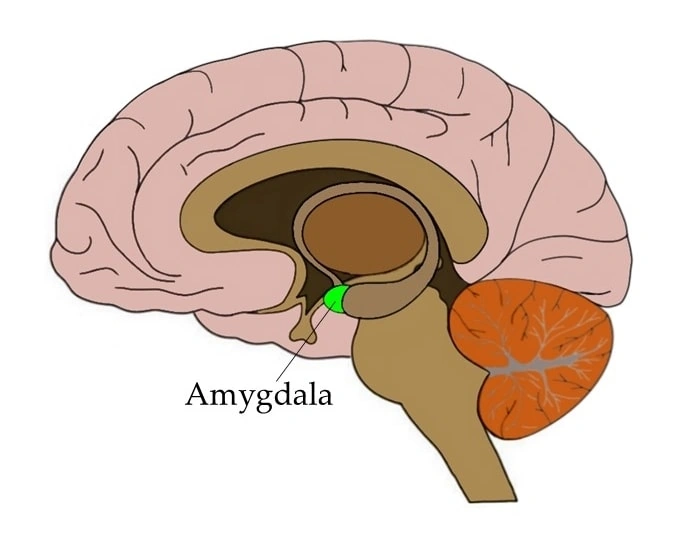
The amygdala role is to flag emotional significance, tag memories, and guide quick decisions, influencing fear, joy, and everyday choices.
General information only — not medical advice. Always consult a qualified healthcare professional about your own situation.