
Addiction
What Naloxone Coverage Means for You and Your Community
Find out how naloxone coverage works, who qualifies, and the simple steps to claim a free or low‑cost kit using pharmacy‑directed OTC claim…

Clear, evidence-based health guides — symptoms explained, conditions and treatments compared, and practical answers to the questions people actually search for. Browse by category below, or search for a topic.
Find out how naloxone coverage works, who qualifies, and the simple steps to claim a free or low‑cost kit using pharmacy‑directed OTC claim…
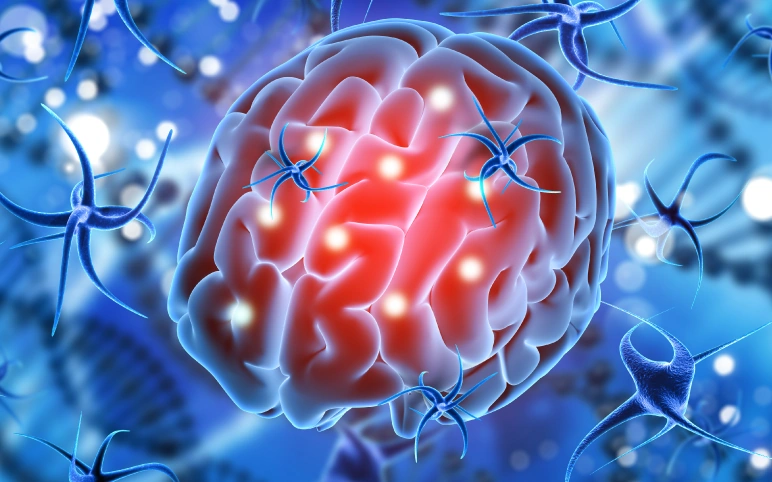
Severe epileptic encephalopathy disrupts brain development, but early diagnosis and tailored treatment bring hope and outcomes for children.

Learn how opioid overdose reversal saves lives, from naloxone basics to Medicaid coverage, step‑by‑step use, and where to get it quickl…

Brain links events shape the memories we keep and the decisions we take, using dendrite timing and emotional cues to boost learning and cho…
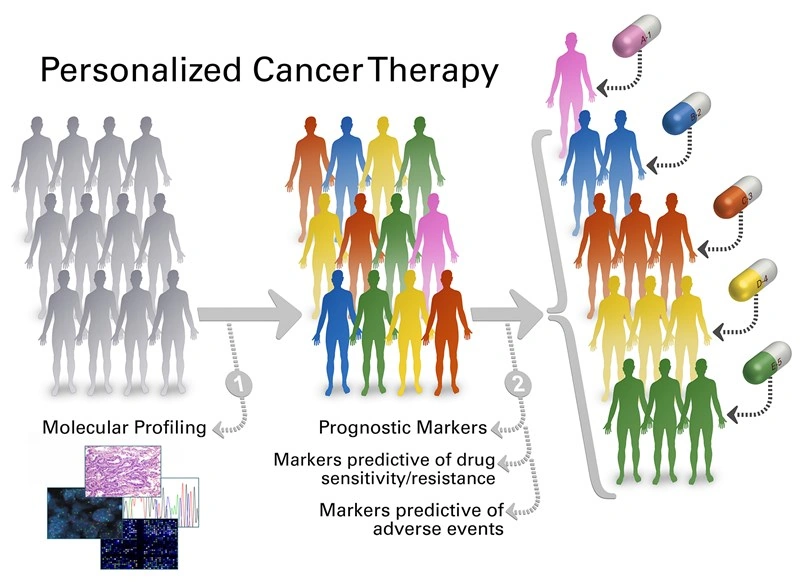
Personalized cancer therapy aligns drugs with your tumor’s genetics, higher response rates, cutting side‑effects, enabling noninvasive moni…

Knowing naloxone restrictions helps you get the right dose quickly, avoid surprise bills, and stay protected by Good Samaritan laws across …
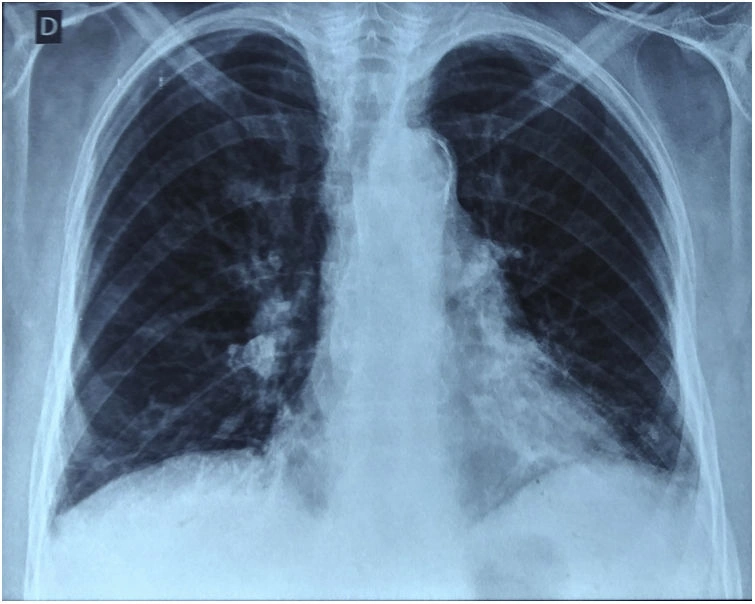
Chemo‑immunotherapy, targeted drugs, and SBRT are accelerating shrinking lung tumors, and we give you simple ways to track each reduction.

Postpartum depression remedies: SSRIs, neurosteroid drugs, omega‑3 supplements, gentle exercise, and community support for lasting recove…
Stage III NSCLC treatment combines cCRT, immunotherapy, and targeted drugs, giving patients a chance for longer survival and improved life.
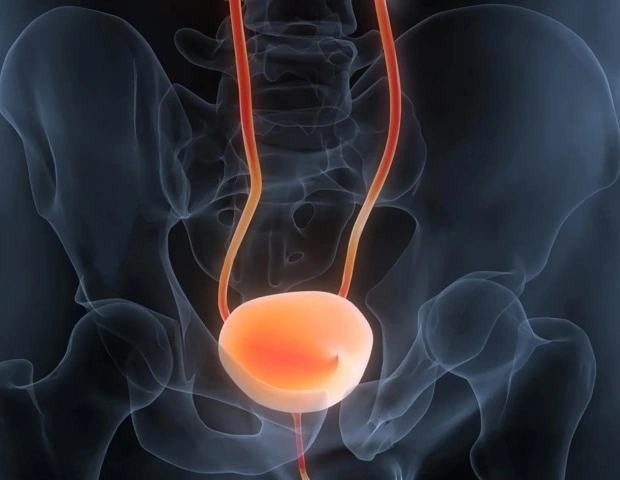
Urine‑based tumor DNA testing detects bladder cancer recurrence early, enabling personalized treatment and lowering the chance of a second …
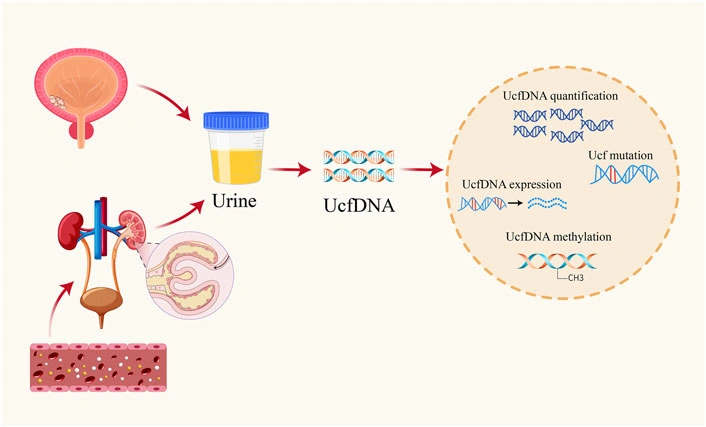
Urine tumor DNA testing offers a non‑invasive way to detect, stage and monitor bladder cancer, giving insights while lowering need cystosco…

New non‑small cell lung cancer therapy options, from osimertinib to immunotherapy combos, are extending survival and offering fresh hope.
General information only — not medical advice. Always consult a qualified healthcare professional about your own situation.