Your Guide to Baby Massage


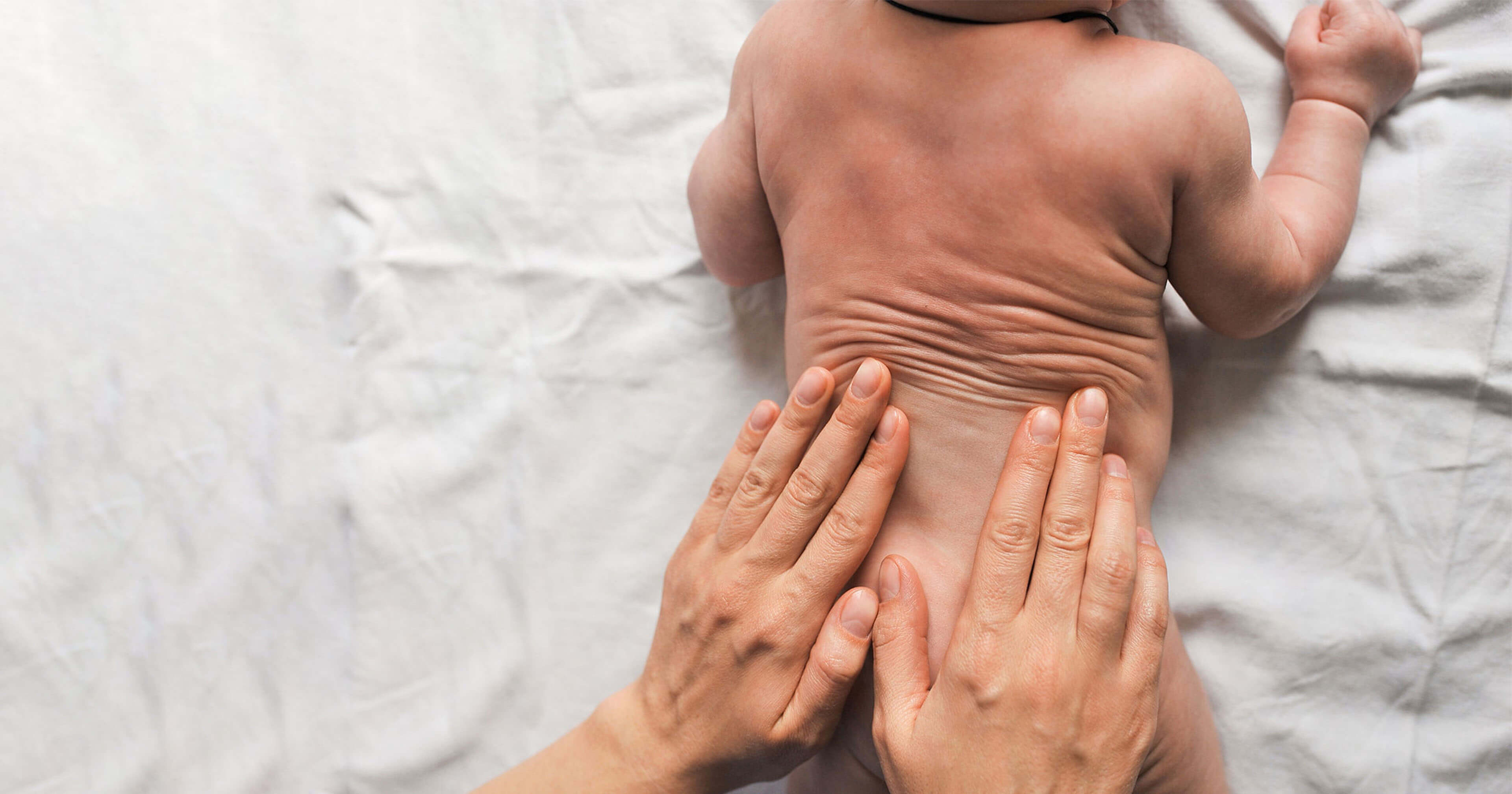
Baby massage is a calming practice that can soothe your infant and foster closeness. Besides boosting bonding, gentle massages offer several health advantages for infants, such as helping to ease gas, abdominal cramping, and constipation.
There are many advantages to massaging your baby. With each tender stroke, your little one will sense care and affection, reinforcing the connection between you. Massages also help your baby relax, which may lead to better sleep patterns.
Some studies indicate baby massage could even support healthy growth, though further investigation is required to confirm this.
Not sure how to begin? We’ve created a helpful guide covering the advantages and methods. It outlines everything you need to know about baby massage.
Building bonds through baby massage
Massaging your baby is an excellent method to deepen the bond between you. Trust and communication grow as you interact through touch. Your soothing hands will help your baby feel secure and cherished.
Your infant will likely become calmer during massage. Anecdotal evidence suggests this relaxation may support improved sleep, though more rigorous research is necessary.
Health perks of baby massage
The International Association of Infant Massage (IAIM) notes that massage can stimulate the circulatory and digestive systems. This stimulation may help some babies with issues like:
- gas
- cramps
- colic
- constipation
Massaging can also relieve muscle tension, discomfort from growth, and teething-related soreness, and may even encourage growth in premature infants.
That said, a Cochrane review found limited evidence supporting these claimed benefits. Additional studies are needed to substantiate them.
If your baby has medical concerns, consult their pediatrician before starting massage to make sure it’s appropriate.
When to begin baby massage
The IAIM recommends introducing gentle touch right after birth.
Many parents begin by placing the newborn on their chest, skin-to-skin. This skin-to-skin contact, often called kangaroo care, is a soothing way to start. While holding your baby close, gently stroke their legs and back, then progress to the arms and other areas.
After the initial weeks, you can start more formal massage routines. Always follow your baby’s cues — they should be calm, alert, and comfortable. Never use techniques that appear to distress them.
The Mayo Clinic advises that massage is not appropriate when your baby turns away or stiffens their limbs. They also recommend waiting at least 45 minutes after feeding, since massaging too soon after a meal can trigger vomiting.
How often to give baby massages
Frequency depends on you and your baby. Some families massage daily, while others do it every other day.
You might choose a morning routine to start the day or a nighttime session to help your baby wind down for sleep. Observe your infant’s signals to determine the best schedule.
Techniques for massaging your baby
Below are tips and methods to help you and your baby get the most from massage time.
Create a comfortable setting
Massage in a warm, quiet environment.
Ensure both you and your baby are comfortable. Lay a towel down and place your baby on their back so you can maintain eye contact. This can be on a changing pad or your bed. Let your baby know massage time is starting as you undress them.
Begin gently
Lay your baby on their back and start by slowly stroking each part of their body. Keep your touch soft at the beginning.
Spend a little time on each area, beginning with the head and moving down to the feet. There’s no strict duration for the massage; each section should last as long as both you and your baby are comfortable and enjoying it.
You can also try a brief tummy massage with your baby on their belly, though some infants may not enjoy being on their stomach for long periods.
Repeat the sequence
If you and your baby are having a pleasant time, repeat the strokes, starting again at the head and working toward the feet.
Keep communicating
Talk to your baby throughout the massage. Use their name and say words like “relax” to help soothe them.
You can tell a short story or sing a nursery rhyme while you move around their body.
Oils are optional
Some parents avoid oil because it’s messy; others prefer it to reduce skin friction. If you choose to use oil, select a fragrance-free, edible option since babies often put hands in their mouths.
Test any oil on a small patch of skin first to check for reactions, especially if your baby has sensitive skin or allergies.
Final thoughts
Baby massage is a lovely, calming activity that comforts your child and strengthens your bond. If it doesn’t feel natural at first, don’t be discouraged.
With practice, you and your baby will become more comfortable with the routine. Each session helps deepen your loving connection. Keep practicing — your baby will benefit.
Frequently Asked Questions
Many parents begin gentle touch right after birth, using skin-to-skin contact. More formal massage routines can start after the first few weeks, when the baby is calm and comfortable.
Frequency varies—some families massage daily while others do it every other day. Pick a routine that fits your schedule and follow your baby’s cues for comfort and enjoyment.
Stop or change techniques if your baby turns away, stiffens, cries, or shows signs of distress. Try shorter sessions or different timing, and consult a pediatrician if concerns persist.
Oils are optional. If used, choose a fragrance-free, edible option and patch-test first to check for skin reactions. Avoid heavy scents and stop if irritation occurs.
Massage may help soothe gas, cramps, and constipation, support relaxation and sleep, and enhance bonding. However, scientific evidence is limited and more studies are needed.
Read Next

How SNL Comedian Kenan Thompson Manages GERD Symptoms After Diagnosis
Natural Pain Relievers

The 5 Best Broad-Spectrum CBD Products for 2025: Tried and Tested

Dieta cetogénica: Una guía detallada para principiantes sobre la dieta cetogénica

How Regularly Should You Get Your Teeth Cleaned?

Mud Play for Kids: Why It’s Worth the Mess
Related Posts
8 Ankle Stretches to Try at Home
Sep 15, 2026 • 7 min read
7 Methods to Dry Up Breast Milk and When to Contact a Doctor
Sep 14, 2026 • 9 min read
Can COVID-19 or the COVID-19 Vaccine Affect Your Period?
Jul 30, 2026 • 11 min read
The 12 Best Casein Protein Powders
Oct 3, 2026 • 6 min read
I Tried It: Neutrogena Hydro Boost Water Gel Review
Oct 1, 2026 • 10 min read