Eye Masks for Sleeping: Benefits, Types, and Alternatives

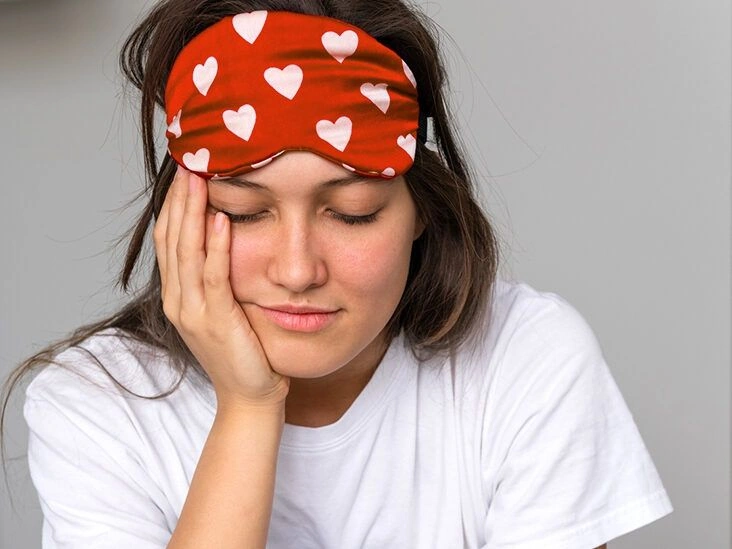
A sleep mask may enhance your sleep by blocking light, creating a darker setting and fostering a sense of relaxation.
You’ve experimented with everything, from cutting back on caffeine to taking a warm bath before bed, yet your sleep quality still hasn’t improved.
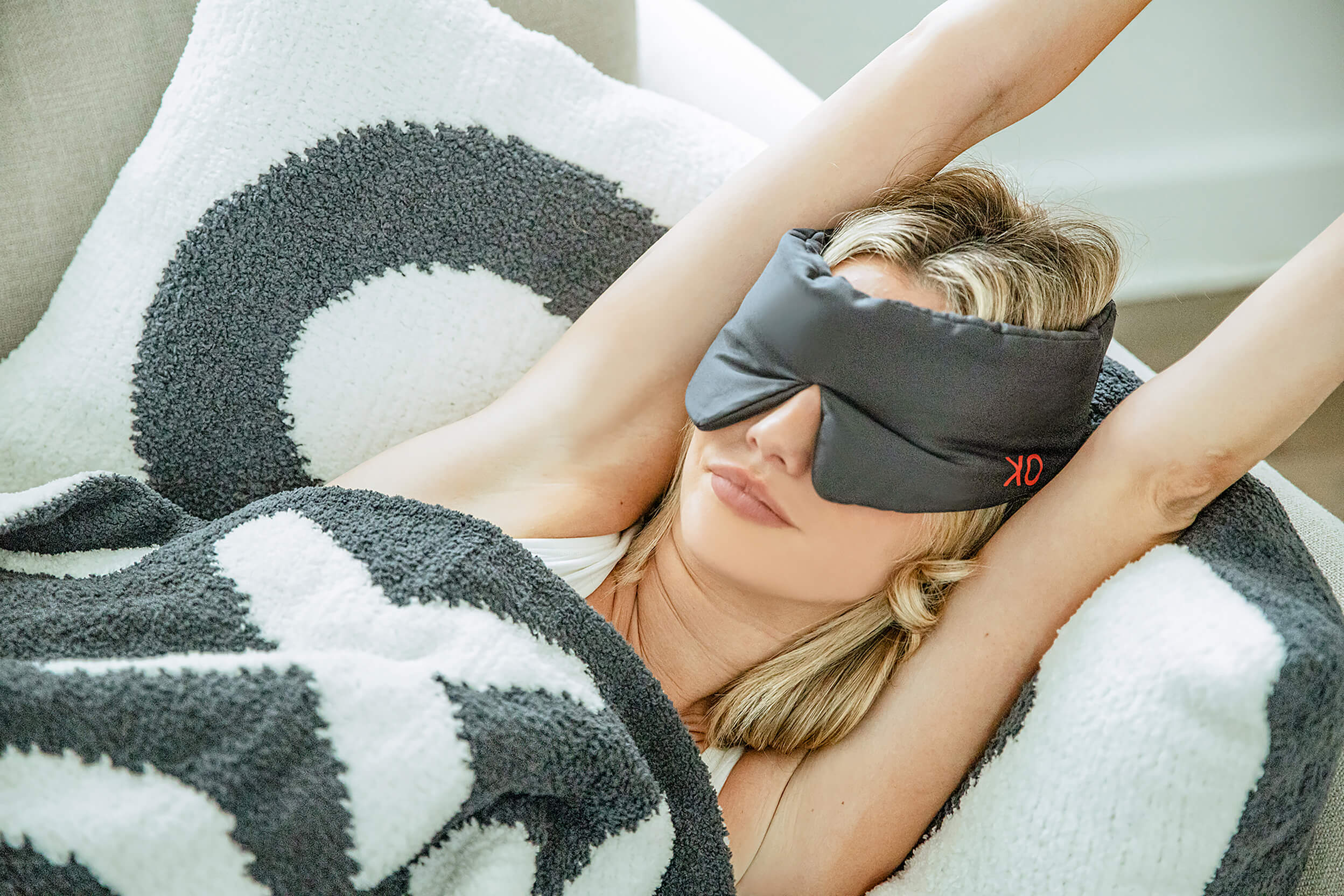
Could a sleep mask — designed to shield your eyes from light — be the solution to the rest you so badly need? Let’s explore.
Benefits of sleep masks
Exposure to light at bedtime can disrupt your body’s natural signals for sleep.
A deficiency in melatonin can contribute to sleeping problems or disorders, such as insomnia.
An eye mask can block artificial light that might keep you awake.
They can also offer a soothing sensation that may help you fall asleep more quickly.
Using a sleep mask to block light can be helpful, but they aren’t ideal for everyone. It largely depends on personal taste.
Fortunately, there’s a wide range of sleep mask styles available, so you’ll likely find one that fits your preferences.
Types of sleep masks
Not all sleep masks are the same. There are numerous varieties, each with distinct advantages.
These include:
- cloth masks
- gel masks
- weighted masks
- cushioned masks
Cloth eye mask
Cloth eye masks come in many fabrics, from silk and cashmere to cotton, velvet, and even fleece.
Cloth masks are adaptable and suitable for most users. Depending on the material you pick, they can offer different perks. For example, silk masks may be preferable if you have delicate skin.
Gel eye mask
If you like cold pressure, a gel sleep mask might help you relax and drift off.

Cooling eye masks can aid with:
- allergy symptoms
- itchy eyes
- puffiness
- dark circles
- irritation
- high temperatures
Weighted eye mask
Weighted eye masks can offer a sensation similar to that of a weighted blanket.
These masks generally contain small beads that add extra weight to create a comforting heavy feel.
Cushioned eye mask
A cushioned eye mask can be more comfortable to wear and feel less restrictive. They also tend to conform to the shape of your face more effectively.
Cushioned masks are usually thicker as well, enabling them to fully block out light.
Alternatives to sleep masks
Not keen on sleep masks? Luckily, there are alternatives, including:
- blackout curtains
- cooling clothing and sheets
- lifestyle adjustments
- prescription medications
Blackout curtains
Like sleep masks, blackout curtains can prevent light from interfering with your sleep. Unlike masks, they don’t make direct contact with your face — for some, that’s a plus.
Whether you opt for a mask or blackout curtains to block light is a personal choice.

Cool clothes and sheets
Similar to cooling gel masks, cooling pajamas and bedding can help lower your temperature when you turn in for the night.
Fabrics like cotton or bamboo may offer the cooling effect you need. You could even try putting your pajamas or sheets in the freezer for a short time before bed.
Lifestyle changes
There may be small routine changes that support better sleep. For example, reducing alcohol and caffeine intake can improve sleep quality.
Regular exercise may also contribute to more restorative sleep.
Prescription medication
If other measures fail, consider consulting your doctor.
Prescription sleep aids can be helpful, but they also carry potential side effects, so it’s best to discuss them with a healthcare professional first.
When to see a doctor
Sometimes a sleep mask won’t be sufficient to resolve sleep issues.
Most adults require about 7 to 9 hours of sleep per night, and consistently missing that can seriously affect your health. Research has shown that even moderate sleep loss can impair cognitive and motor function.
Addressing sleep troubles is important and shouldn’t be ignored.
Takeaway
You spend a large portion of your life asleep, and sleep quality influences every area of your life.
If you struggle to fall or stay asleep, artificial light sources could be a factor, and a sleep mask might help.
However, if sleep problems persist, it’s important to consult your physician.
Frequently Asked Questions
Sleep masks block ambient light, encourage melatonin production, create a calming environment, and can help people fall asleep faster and maintain deeper sleep.
Silk or soft cotton cloth masks are usually best for sensitive skin since they are gentle, breathable, and less likely to cause irritation compared with synthetic materials.
Yes — cooling gel masks or refrigerated masks can reduce puffiness and soothe tired eyes, while weighted masks may also offer a relaxing pressure that eases discomfort.
Some people find masks uncomfortable, irritating, or too restrictive. Poor fit can cause pressure on the eyes or face, and they may not suit those with claustrophobia or certain skin issues.
If sleep problems persist despite lifestyle changes and aids like masks, or if you experience excessive daytime sleepiness, loud snoring, or breathing pauses, consult a healthcare professional.

Related Posts
Shea Butter for Your Face: Benefits and Uses
Aug 27, 2026 • 21 min read
How to Treat an Inverted Nipple
Aug 10, 2026 • 34 min read
What to Expect After Laser Treatment for Spider Veins
Sep 13, 2026 • 16 min read
Natural Treatment for Seborrheic Dermatitis: What Works?
Sep 28, 2026 • 35 min read
About Prickly Pear Seed Oil
Aug 17, 2026 • 15 min read