Is Spaghetti Squash Good for You? Nutrition Facts and More

- Spaghetti squash is loaded with vitamins and minerals
- Spaghetti squash nutrition facts
- It’s abundant in antioxidants
- How does spaghetti squash impact digestion?
- Is spaghetti squash helpful for losing weight?
- Spaghetti squash nutrition compared with pasta
- Spaghetti squash is highly versatile
- Preparing spaghetti squash is straightforward
- Are there reasons to skip spaghetti squash?
- Watch for potential allergic reactions
- Make sure you’re consuming enough calories
- The bottom line
- One last suggestion
Spaghetti squash is a wholesome, low‑carbohydrate, low‑calorie substitute for traditional pasta. It provides a good amount of fiber and is an excellent source of beta‑carotene, vitamin C, pantothenic acid, along with several other vitamins and minerals.
This winter squash has a delicate, nutty taste and an impressive nutrient composition.
Closely related to pumpkins, zucchinis, and other squash varieties, spaghetti squash appears in a range of sizes, shapes, and hues — from pale cream to deep orange.
Beyond being low in calories and nutrient‑rich, it’s linked to several potential health advantages.
This piece examines the nutrition, benefits, possible drawbacks of spaghetti squash, and how to incorporate it into your meals.
Spaghetti squash is loaded with vitamins and minerals
Spaghetti squash is a nutrient‑dense choice, meaning it offers significant vitamins and minerals while remaining low in calories.
Notably, spaghetti squash supplies a solid amount of pantothenic acid. It’s also a useful source of fiber, vitamin C, manganese, vitamin B6, and niacin.
Spaghetti squash nutrition facts
One cup (155 grams) of cooked spaghetti squash supplies the following nutrients:
- Calories: 42
- Carbs: 10 grams
- Fiber: 2.2 grams
- Protein: 1 gram
- Fat: 0.4 grams
- Vitamin C: 6% of the DV
- Manganese: 7% of the DV
- Vitamin B6: 8% of the DV
- Pantothenic acid: 11% of the DV
- Niacin: 8% of the DV
Spaghetti squash also contains modest amounts of potassium, thiamine, magnesium, folate, calcium, and iron.
It’s abundant in antioxidants
Antioxidants are beneficial compounds that help shield your body from free radicals — unstable molecules that can damage cells. Excess free radicals can lead to oxidative stress.
By protecting against free radical harm, antioxidants may support overall health. Studies indicate antioxidants might help lower the risk of chronic diseases such as heart disease and certain cancers.
Winter squashes like spaghetti squash are rich in antioxidant compounds.
They’re especially high in beta‑carotene — a strong plant pigment that assists in protecting cells and DNA from harm.
Spaghetti squash is also a source of vitamin C, which acts as an antioxidant and has been linked to disease prevention benefits.
How does spaghetti squash impact digestion?
Dietary fiber travels slowly through the digestive tract, adding bulk to stool. This process supports regular bowel movements and helps relieve constipation.
Spaghetti squash is a noteworthy fiber source. One 1‑cup (155‑gram) portion contains 2.2 grams — roughly 8% of typical daily fiber needs.
Increasing fiber intake can benefit multiple aspects of digestive health.
Indeed, evidence suggests high‑fiber diets may be helpful in managing conditions like diverticulitis and hemorrhoids.
Adding one or two servings of spaghetti squash to your meals, alongside a variety of other fiber‑rich foods, can improve regularity and keep digestion on track.
Is spaghetti squash helpful for losing weight?
Because spaghetti squash is low in calories and contains fiber, it’s a smart addition to a balanced weight‑loss plan.
Fiber slows gastric emptying and helps stabilize blood glucose, which can curb hunger and reduce appetite.
With only 42 calories per cup (155 grams), substituting spaghetti squash in dishes like gratins, casseroles, lasagna, or pasta preparations can lower the calorie load and support weight reduction.
Spaghetti squash nutrition compared with pasta
Although visually similar to noodles, spaghetti squash and pasta differ substantially in nutritional content.
One cup (155 grams) of cooked spaghetti squash provides 42 calories, which is only 18% of the 239 calories found in 1 cup (151 grams) of cooked spaghetti.
It’s also a lower‑carb option, with just 10 grams of carbohydrates per cup — about 21% of the 47 grams in the same volume of conventional pasta.
Here are additional side‑by‑side comparisons between spaghetti squash and pasta:
| Nutrient | Spaghetti squash, cooked (1 cup or 155 grams) | Pasta, spaghetti, cooked (1 cup or 151 grams) |
| pantothenic acid | 11% of the DV | 3% of the DV |
| vitamin B6 | 8% of the DV | 4% of the DV |
| vitamin C | 6% of the DV | 0% of the DV |
| potassium | 4% of the DV | 1% of the DV |
| niacin | 8% of the DV | 16% of the DV |
| iron | 3% of the DV | 11% of the DV |
While spaghetti squash leads in several nutrients, pasta is higher in a few areas, such as iron and niacin. This is often because refined pasta is fortified, with these nutrients added back during processing.
Overall, if your goal is to cut calories or carbohydrates, spaghetti squash is the preferred option. It’s also richer in various nutrients, including certain B vitamins and vitamin C.
Spaghetti squash is highly versatile
Spaghetti squash has a mildly sweet profile and a stringy texture that adapts well to numerous recipes.
You can bake, microwave, steam, or cook it in a slow cooker or Instant Pot to create a delicious, nutritious dish.
It’s commonly used as a pasta stand‑in because it lowers carbs and calories while letting other flavors in your preparation take center stage.

Use spaghetti squash instead of noodles and top it with meatballs, marinara, garlic, and Parmesan, or try it in gratins, casseroles, fritters, or hash‑style dishes.
For related information on a different squash, see zucchini benefits, which covers another versatile summer vegetable.
Preparing spaghetti squash is straightforward
Spaghetti squash is easy to work with and makes a terrific low‑carb noodle replacement for many favorite pasta recipes.
Begin by cutting the squash lengthwise and scooping out the seeds with a spoon. Be cautious when slicing as the rind is thick.
Brush the cut halves with a little olive oil, sprinkle with salt, and place them cut‑side down on a baking sheet.
Roast at 400°F (200°C) for 40–50 minutes, or until a fork slides into the flesh easily.
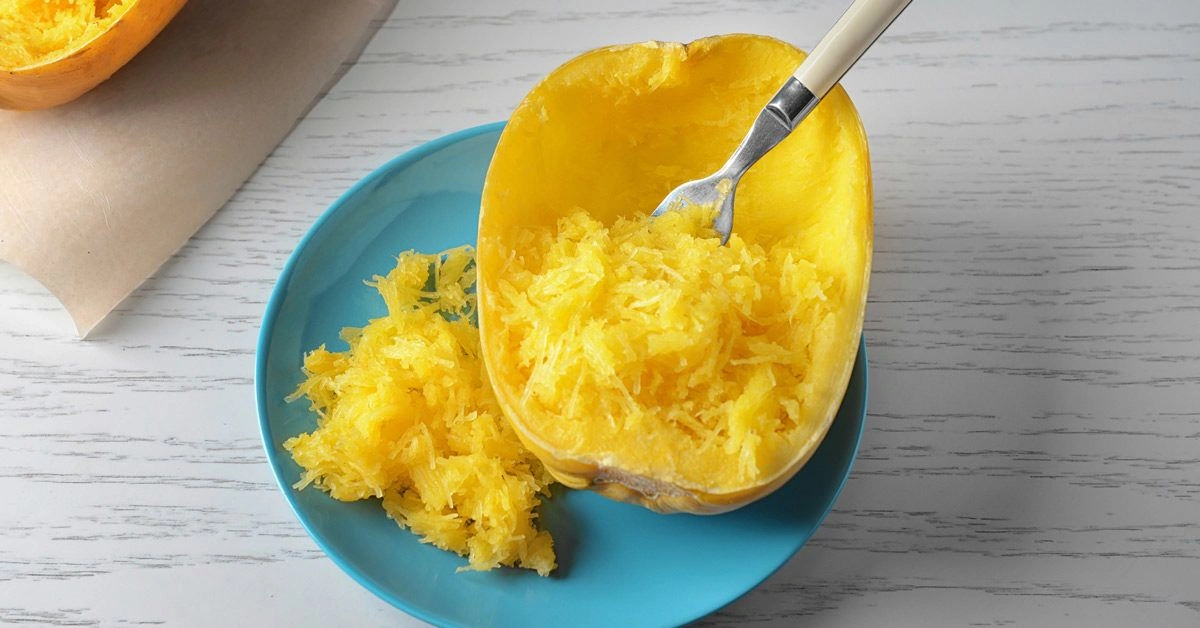
After allowing it to cool briefly, use a fork to rake out the noodle‑like strands.
Finish with your preferred seasonings, sauces, and toppings — such as garlic, Parmesan, marinara, meatballs, or vegetables — and serve as part of a wholesome meal.
Are there reasons to skip spaghetti squash?
Although nutritious, there are a few considerations before you add spaghetti squash regularly to your menu.
Watch for potential allergic reactions
Some individuals may be allergic to spaghetti squash. While uncommon, allergic responses to related foods like pumpkin have been reported.
Symptoms of food allergy can include hives, itching, swelling, and gastrointestinal issues.
In severe cases, ingesting an allergen can provoke anaphylaxis, a life‑threatening emergency.
If you develop unexplained symptoms after eating spaghetti squash, discontinue use and seek medical advice. If you experience signs of anaphylaxis — such as throat or tongue swelling or trouble breathing — get emergency care right away.
Make sure you’re consuming enough calories
Spaghetti squash is very low in calories.
While this characteristic can help those aiming to lose weight, excessive calorie restriction may slow metabolic rate.
Very low‑calorie diets can also increase the risk of gallstone formation.
To reap the benefits of spaghetti squash, top it with nutritious additions and combine it with vegetables, herbs, heart‑healthy fats, and lean proteins.
The bottom line
Spaghetti squash is a seasonal vegetable rich in vitamins, minerals, and antioxidants.
Its low calorie and relatively high fiber content may support weight management and digestive health.
Try roasted spaghetti squash as a low‑carb pasta alternative, alongside vegetables, proteins, whole grains, and healthy fats.
One last suggestion
Give this a try: For your next pasta night, swap in spaghetti squash. Watching the cooked flesh transform into noodle‑like strands is a fun kitchen trick. If you want a recipe to begin with, check out this article.
Frequently Asked Questions
Yes. Spaghetti squash is lower in calories and carbohydrates than traditional pasta and provides fiber, vitamins, and antioxidants, making it a nutritious pasta alternative.
One cup (about 155 grams) of cooked spaghetti squash contains roughly 42 calories.
It can. Spaghetti squash supplies dietary fiber, which adds bulk to stool and supports regular bowel movements, aiding overall digestive health.
Yes. Its low calorie and fiber content can help reduce overall calorie intake and promote fullness when used as a substitute for higher-calorie pasta.
Some people may have allergies to squash family vegetables. Also, because it’s low in calories, relying on it exclusively without sufficient calories or nutrients could be problematic for some diets.
Read Next
How Many Calories Are Burned on an Elliptical in 30 Minutes?
Calorie Counts for Fried Rice: Vegetable, Beef, Chicken, Pork, and Shrimp
Refined vs. Unrefined Coconut Oil: What’s the Difference?

Understanding the FAST Scale for Dementia

Is Polypropylene a Safe Plastic to Use in Your Home?

What Is California Poppy, and Does It Have Health Benefits?
Related Posts
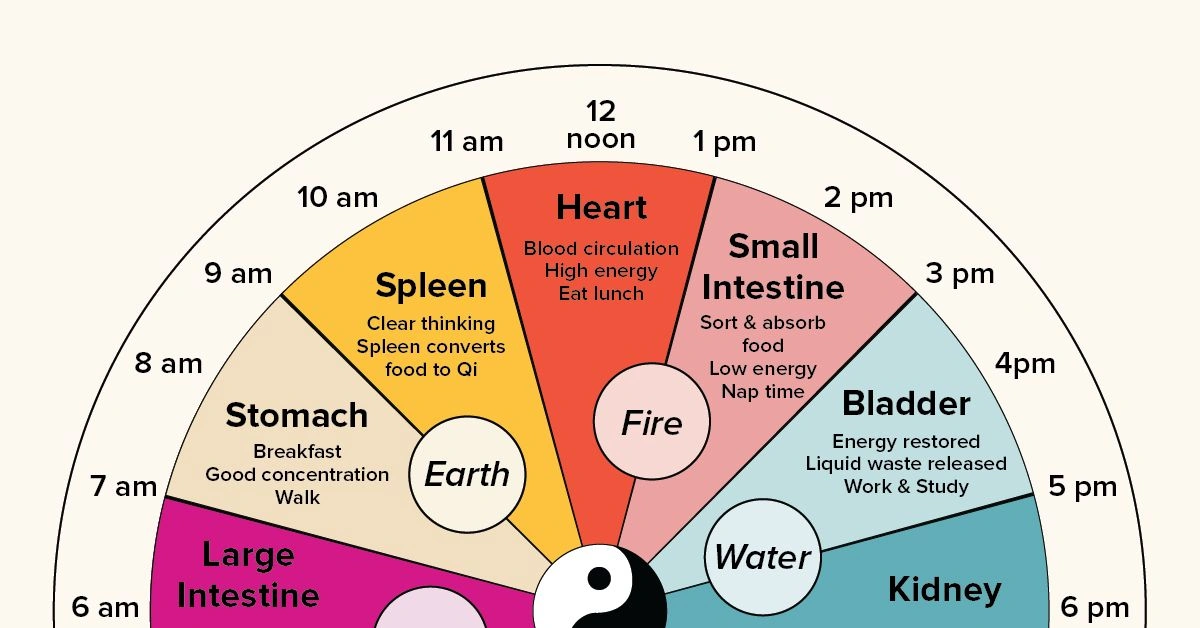
All About the Chinese Body Clock
Sep 1, 2026 • 34 min read
What Is Acerola Cherry?
Sep 9, 2026 • 11 min read
The 20 Best Low Carb Vegetables (Plus 1 Great Low Carb Fruit)
Aug 30, 2026 • 19 min read
Is Cheesecake Healthy? Nutrition and Recipe Tips
Aug 27, 2026 • 17 min read
Silver Cuisine Meal Delivery for Older Adults: A Complete Review
Aug 30, 2026 • 10 min read