What You Need to Know About the Speculum

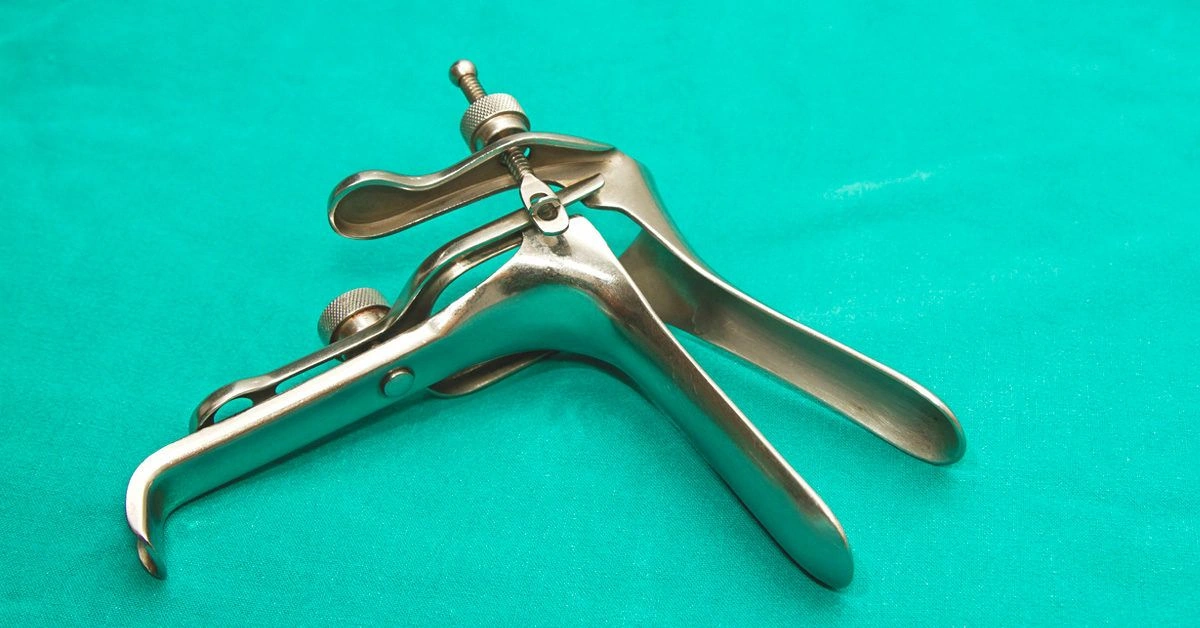
A speculum is a duck-bill–shaped instrument physicians employ to look inside a hollow body cavity and help diagnose or treat medical issues.
One frequent application is during vaginal examinations. Gynecologists use it to separate the vaginal walls and inspect the vagina and cervix.

Kinds of speculums
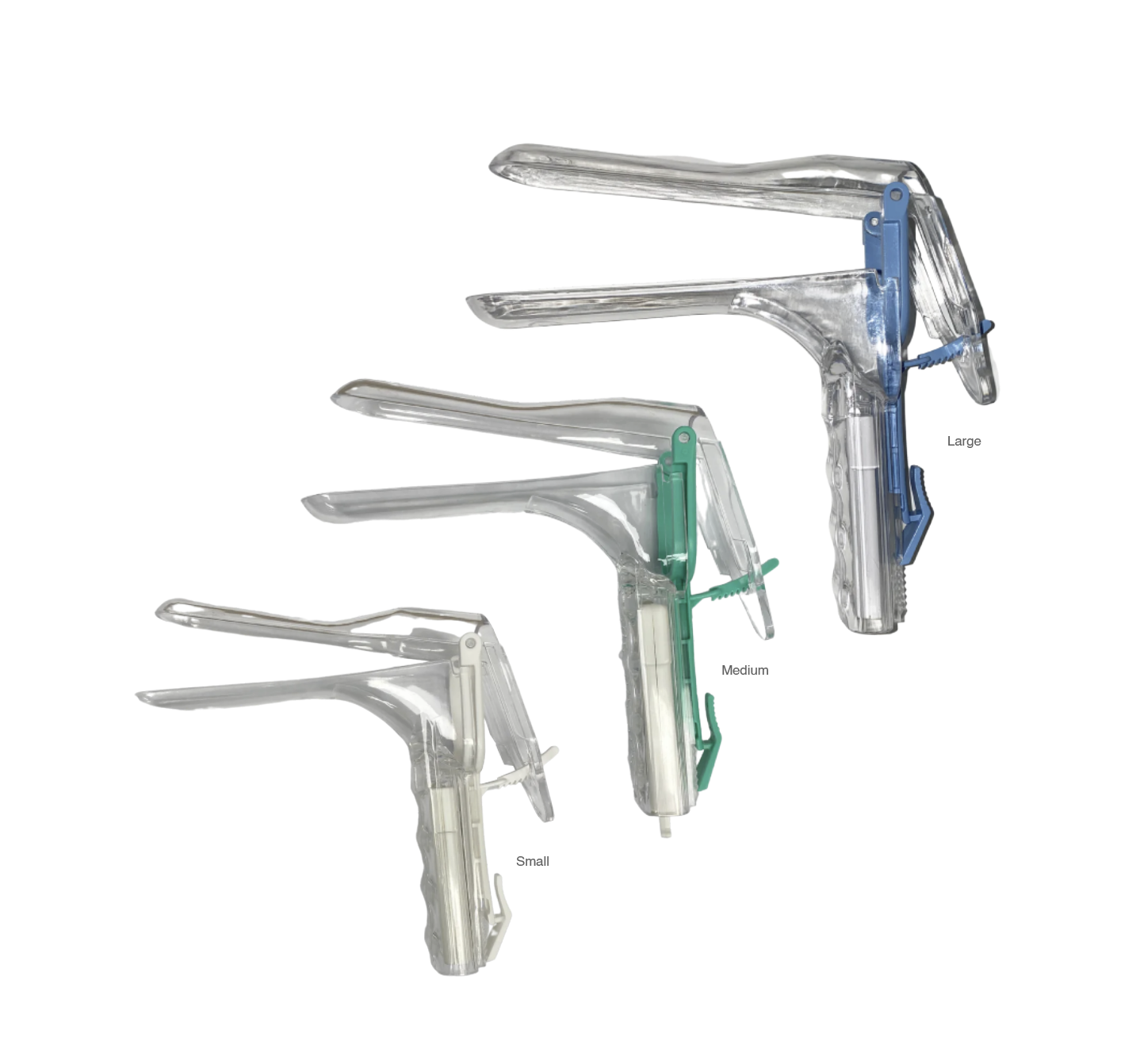
Speculums are manufactured from stainless steel or plastic. Metal versions are reusable; plastic ones are intended for single use.
Vaginal speculums
Vaginal speculums may have one, two, or three blades.
Bivalve speculum (Cusco’s speculum)
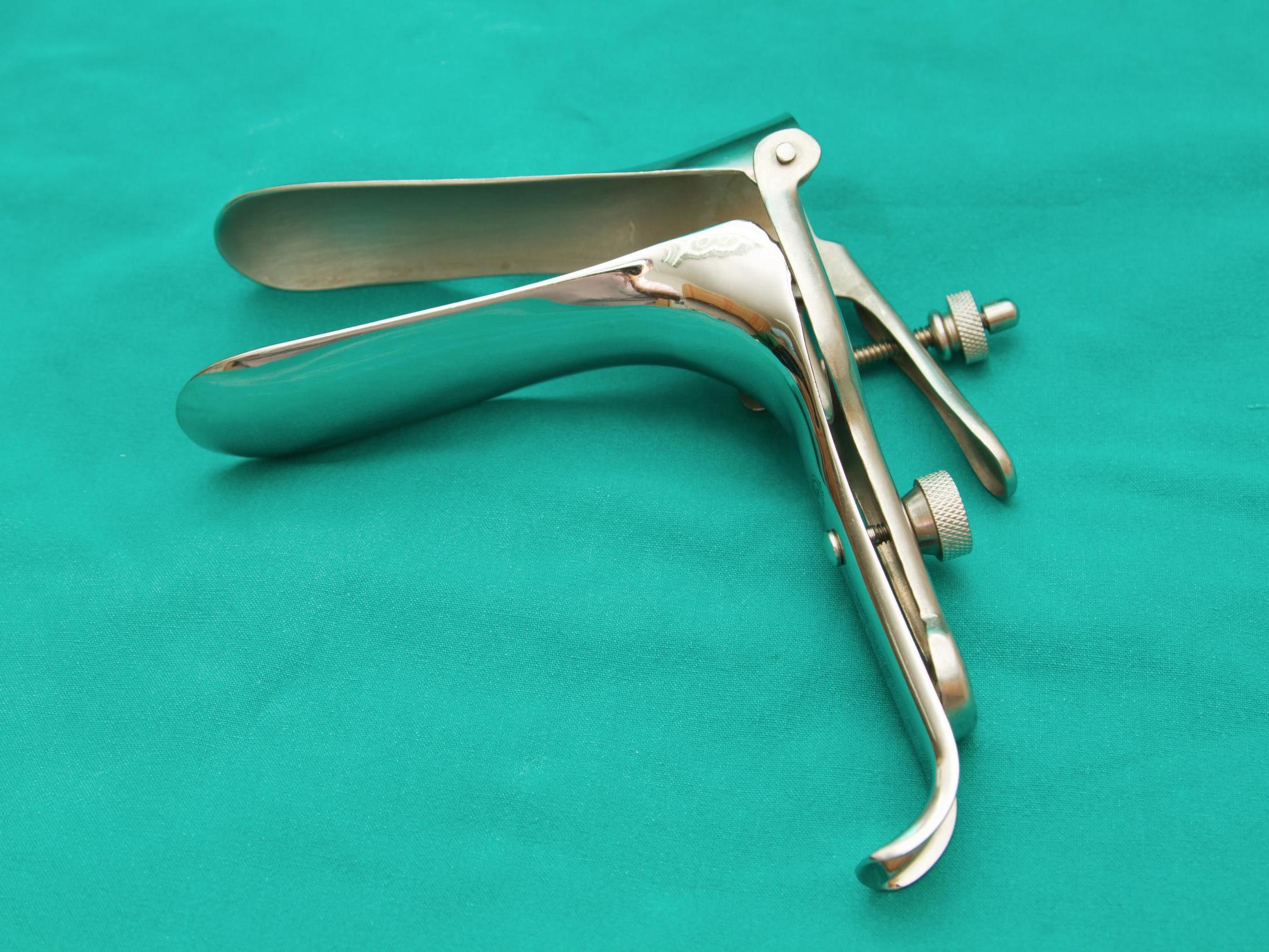
The two-bladed, or bivalve, speculum is the most frequently used tool gynecologists rely on to inspect the vagina and cervix. The clinician inserts the device into the vagina and opens the blades, which reveals the interior of the vagina and the cervix.
Vaginal speculums are available in various sizes. The specific model your provider selects depends on your age and the length and width of your vaginal canal.
Pediatric speculum
This shortened speculum is used by gynecologists to examine the vaginas of infants and young children.
Huffman speculum
This long, slender speculum is narrower than a standard one. It’s used for teenage girls who have not been sexually active.
Pederson speculum
The Pederson speculum is used in sexually active adolescent girls. Its blades are slimmer than those of a regular adult speculum but wider than a Huffman speculum’s blades.
Graves speculum
The Graves speculum has the broadest blades of the common varieties. Gynecologists use it for adult women, and it’s available in a larger version for those with a particularly long vaginal canal.
Anal speculum
An anoscope is a tube-shaped device that expands the anal opening. Clinicians use it to evaluate conditions affecting the anus and rectum.
Ear speculum
This funnel-shaped attachment allows the physician to inspect the eardrum and ear canal. It’s fitted to a lighted instrument called an otoscope, which is used to view inside the ear.
Nasal speculum
This two-bladed tool is placed into the nostrils and enables clinicians to look at the internal structures of the nose.
When speculums are used
There are multiple reasons a clinician might use a speculum.
Pelvic exam
Gynecologists perform pelvic examinations to assess the vagina, cervix, and other reproductive organs for abnormalities. The speculum opens the vaginal canal to make these organs visible.
During this exam, the clinician may use a special brush to collect a few cells from the cervix. This is known as a Pap test or Pap smear. The specimen is sent to a laboratory to screen for early signs of cervical cancer.
Cell samples can also be taken from the vagina and cervix to test for sexually transmitted infections (STIs).
Physicians also use a speculum for procedures such as:
- Vaginal hysterectomy — removal of the uterus through the vagina.
- Dilation and curettage — widening (dilating) the cervix and scraping part of the uterine lining.
- Intrauterine insemination (IUI) and in vitro fertilization (IVF) — fertility procedures that help some women conceive.
- Intrauterine device (IUD) insertion — placing a reversible contraceptive inside the uterus.
Anal exam
An anal speculum is used to diagnose and manage issues such as:
- hemorrhoids
- abscesses
- anal tears (anal fissures)
- polyps — growths on the rectal lining
- certain cancers
Ear exam
An ear speculum enables an ear, nose, and throat (ENT) specialist or primary care clinician to look inside your ear. It’s used to check for conditions like:
- swimmer’s ear
- perforated eardrum
- earwax accumulation
- foreign objects in the ear
- acute middle ear infection (otitis media)
Nasal exam
A nasal speculum spreads the nostril opening to aid diagnosis or to perform procedures such as:
- repairing a deviated septum (septoplasty)
- removing foreign objects from the nose
Possible complications from speculum use
Pelvic exams can cause mild discomfort when the speculum is inserted and opened. However, there are few risks if the instrument is sterile. If you experience pain, ask the clinician to try a smaller speculum.
The speculum may feel like it’s stretching your vaginal walls, but it only temporarily opens the vaginal canal. It does not permanently widen or loosen the vagina. When used by a trained professional, a speculum should not cause injury.
Getting ready for your first pelvic exam
Most young women are advised to have a pelvic exam by age 21.
Feeling anxious about your first pelvic exam is common. Keep in mind that the exam is simply a way for your clinician to evaluate your reproductive organs. It should be brief and not painful.
Inform the gynecology office that this will be your first exam. The doctor and nurse should explain the steps and answer any questions you have.
In the 48 hours before the appointment, avoid the following:
- vaginal creams
- suppositories
- douching
At the visit, you’ll first discuss your medical history with the nurse. They may ask when your periods began and whether you have symptoms such as itching or burning. Your weight and blood pressure will likely be measured.
Next, you’ll change into a gown or undress from the waist down and cover yourself with a drape. For the pelvic exam, you’ll lie toward the end of the exam table, bend your knees, and place your feet in supports called stirrups.
The clinician will begin by inspecting the outside of your vulva.
Then the speculum will be placed into your vagina so the provider can view the inside of the vagina and the cervix. You may sense some pressure when the speculum opens, but it should not be painful.
Using a small brush, the clinician may collect cells from your cervix — a Pap test. The provider will also insert a gloved finger into your vagina to palpate your ovaries, uterus, and other pelvic organs.
The entire exam typically lasts about three to five minutes. Your clinician will inform you if they find any issues with your reproductive tract.
Frequently Asked Questions
A speculum is an instrument that opens a hollow body cavity so clinicians can inspect or treat internal structures, commonly used in vaginal, anal, ear, and nasal exams.
Yes. Speculums vary by design and purpose — common types include vaginal (bivalve, Pederson, Graves, Huffman), anal (anoscope), ear (ear speculum for otoscopes), and nasal speculums.
Most people feel pressure or mild discomfort when the speculum is inserted and opened, but it should not be painful. If you experience pain, ask the clinician to use a smaller size or pause.
Speculums are made from metal (reusable after sterilization) or plastic (single-use disposable). The choice depends on clinical practice and infection control policies.
Avoid vaginal creams, suppositories, and douching for 48 hours before the appointment. Inform the clinic if it’s your first exam and communicate any concerns to the clinician beforehand.





Related Posts

Planning for a Gentle Cesarean Birth
Aug 11, 2026 • 6 min read
Is Microblading Your Eyebrows Painful?
Aug 9, 2026 • 27 min read
6 Ways to Ease Piriformis Syndrome Pain with Self-Massage and Stretches
Sep 19, 2026 • 20 min read
Natural Pain Relievers
Sep 4, 2026 • 6 min read
What’s the Benefit of Poppyseed Oil?
Aug 25, 2026 • 15 min read