Proteolytic Enzymes: How They Work, Benefits and Sources


- What Are Proteolytic Enzymes?
- Sources of Proteolytic Enzymes
- Food Sources
- Proteolytic Enzyme Supplements
- Potential Benefits of Proteolytic Enzymes
- May Improve Digestion
- May Decrease Inflammation
- May Promote Healing and Speed Recovery
- May Help Irritable Bowel Syndrome and Inflammatory Bowel Disease
- May Reduce Muscle Soreness
- Certain Proteolytic Enzymes May Have Cancer-Fighting Properties
- How to Use Proteolytic Enzymes
- Dangers and Potential Side Effects
- The Bottom Line
Enzymes carry out numerous roles in the body, including assisting in the breakdown of food to produce energy. In particular, proteolytic enzymes specialize in degrading and digesting protein. They occur naturally in the body and are also present in certain foods and nutritional supplements.
Supplements containing proteolytic enzymes have grown in popularity recently because of a range of reported health advantages.
This piece examines the possible health effects of proteolytic enzymes, their sources, and ways to use them.
What Are Proteolytic Enzymes?
Proteolytic enzymes are vital for many key processes within your body. They’re also referred to as peptidases, proteases or proteinases.
In humans, these enzymes are produced mainly by the pancreas and stomach.
Although they’re best known for breaking down dietary proteins, proteolytic enzymes carry out many additional essential functions.
For instance, they are critical for cell division, blood clotting, immune response and recycling proteins, among other necessary processes (1 ).
Plants also rely on proteolytic enzymes throughout their life cycles.
Beyond supporting plant growth and development, these enzymes help protect plants by serving as a defense against pests such as insects (2 , 3 ).
Interestingly, humans can derive benefits from consuming plant-based proteolytic enzymes.
Consequently, proteolytic enzyme supplements may include enzymes sourced from both animals and plants.
Summary Proteolytic enzymes are a class of enzymes that play major roles in protein digestion, immune function and other essential activities. Your body produces them, and you can also obtain them from certain foods or supplements.
Sources of Proteolytic Enzymes
The three principal proteolytic enzymes produced in the digestive tract are pepsin, trypsin and chymotrypsin.
Your body creates these enzymes to break down proteins in foods like meat, eggs and fish into smaller units called amino acids, which can then be absorbed.
Proteolytic enzymes occur naturally in some foods and are available as dietary supplements.
Food Sources
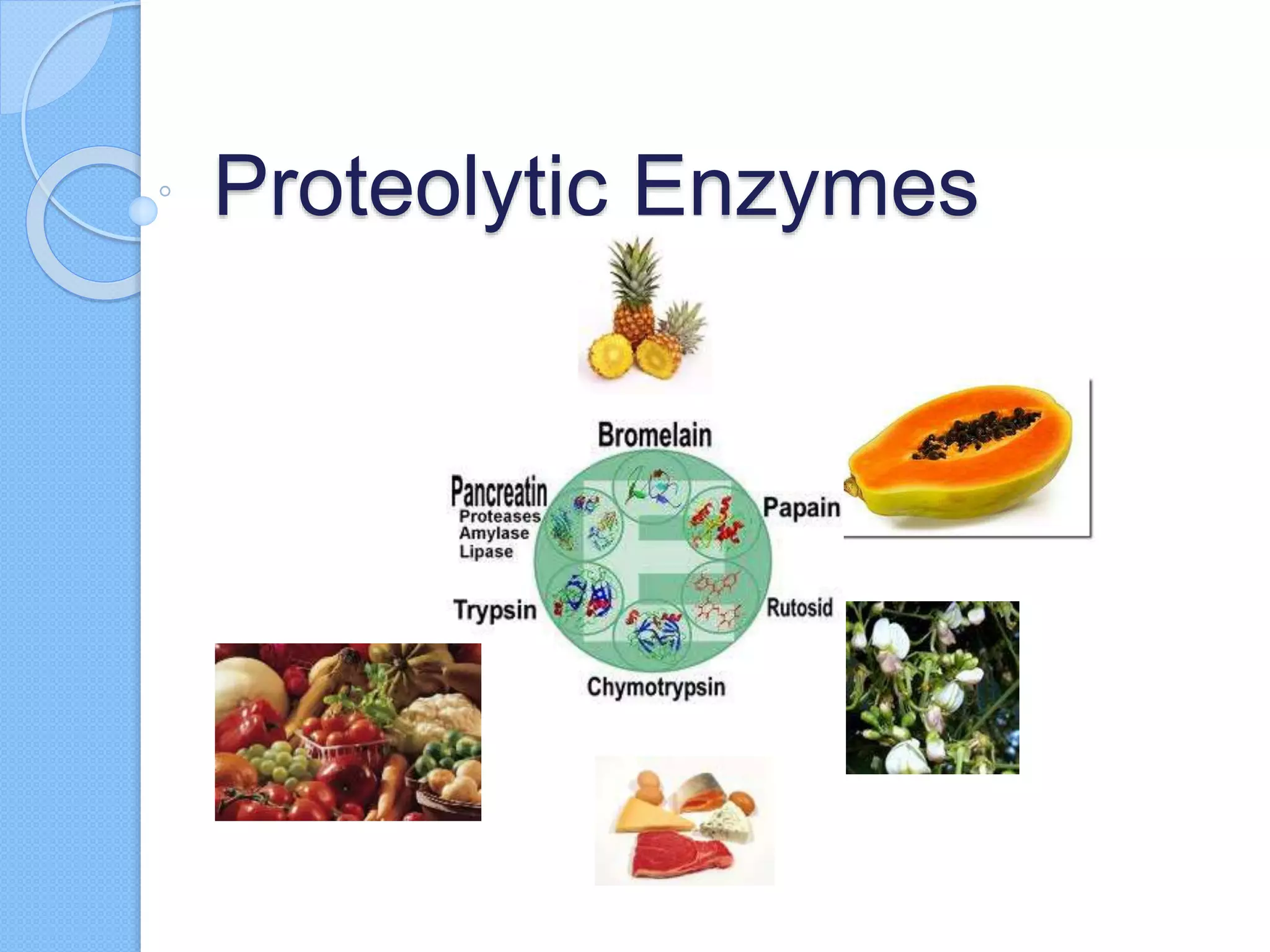
Two of the richest food sources of proteolytic enzymes are papaya and pineapple.
Papayas supply an enzyme called papain, also termed papaya proteinase I. Papain is present in the leaves, roots and fruit of the papaya plant.
Papain is a strong proteolytic enzyme and has been used for millennia as a meat tenderizer because of its protein-degrading ability (4 ).
Pineapples contain a potent proteolytic enzyme known as bromelain.
Bromelain exists in the fruit, skin and juice of pineapple and has been traditionally used by indigenous peoples of Central and South America to treat various ailments (5 ).
You can obtain papain and bromelain by eating raw papaya and pineapple, or by taking concentrated supplement forms.
While papaya and pineapple are the most recognized sources, other dietary sources include (6 , 7, 8 ):
- Kiwifruit
- Ginger
- Asparagus
- Sauerkraut
- Kimchi
- Yogurt
- Kefir
Proteolytic Enzyme Supplements
Supplements with proteolytic enzymes are sold as capsules, gel caps, chewables, powders and tablets.
Some products contain a single enzyme, while others combine multiple proteolytic enzymes.
Bromelain, papain, pancreatin, trypsin and chymotrypsin are commonly included in these blends.
Manufacturers derive proteolytic enzymes from both plant and animal origins.
For instance, trypsin and chymotrypsin are often sourced from pigs and cows, whereas papain and bromelain come from fruits.
When buying proteolytic enzyme supplements, check for potency details. Many brands list only the weight of each enzyme in milligrams, which doesn’t convey potency.
Recommended potency values vary by enzyme and remain debated. Trustworthy manufacturers will list activity units so you can compare enzyme activity across products (9 ).
Typical activity labeling units for proteolytic enzymes include HUT, USP and SAP.
Summary Proteolytic enzyme supplements come in many formats and can include enzymes from plant and animal sources. Choose brands that specify enzyme potency in activity units on the label.
Potential Benefits of Proteolytic Enzymes
Using proteolytic enzyme supplements has been associated with various health benefits.
May Improve Digestion
A common application of proteolytic enzymes is to support digestion and absorption of dietary proteins.
Pancreatic enzyme replacement therapy (PERT) is frequently employed for pancreatic insufficiency, cystic fibrosis, certain cancers such as pancreatic, colorectal and stomach cancer, or following gastric or pancreatic surgery (10 , 11 , 12 , 13 ).
Supplementing with proteolytic enzymes helps people with enzyme deficiencies to properly digest protein.
Both foods and supplements containing these enzymes can aid protein digestion.
Multiple animal studies indicate kiwifruit extract improves digestion of proteins such as meat, milk, cheese, fish and eggs (14 , 15 ).
One study reported that people with indigestion who took a supplement containing proteolytic enzymes experienced notable reductions in bloating, abdominal pain, belching, heartburn and appetite loss (16).
May Decrease Inflammation
Research has shown that proteolytic enzymes can be effective in reducing inflammation and related symptoms.
In one study, injecting chymotrypsin, trypsin and serratiopeptidase into rats decreased inflammation more effectively than aspirin (17 ).
Certain proteolytic enzymes have been demonstrated to be safe and useful for treating arthritis.
A review of 10 trials found bromelain reduced pain, swelling and joint stiffness in people with osteoarthritis (18 ).
Another trial showed a supplement combining bromelain and trypsin was as effective as conventional anti-inflammatory medications for easing osteoarthritis pain (19 ).
Bromelain has also been effective at lowering inflammation and improving symptoms in people with sinusitis, a condition involving inflamed nasal passages (20 ).
May Promote Healing and Speed Recovery
Proteolytic enzyme supplements may support wound healing.
Animal research indicates both papain and bromelain accelerate wound repair and stimulate new tissue growth when applied topically (21 , 22 ).
These enzymes have also been reported to reduce recovery time after surgery.
In a small study of 24 dental surgery patients, taking a supplement with 5 mg of serrapeptase lowered swelling and pain intensity (23 ).
Some investigations suggest postoperative bromelain treatment can reduce swelling and bruising following cosmetic operations (24, 25).
May Help Irritable Bowel Syndrome and Inflammatory Bowel Disease
Several studies indicate proteolytic enzymes may lessen common symptoms of irritable bowel syndrome (IBS), including bloating, gas, constipation and abdominal pain.
For example, a trial in 126 individuals with IBS found a papain-containing supplement significantly improved constipation, bloating and painful bowel movements (26 ).
Another study including 90 people with IBS showed a digestive enzyme product containing proteolytic enzymes reduced bloating, gas and abdominal discomfort (27).
Moreover, bromelain has been reported to decrease inflammation in people with inflammatory bowel diseases such as ulcerative colitis and Crohn’s disease (28 ).
May Reduce Muscle Soreness
Delayed onset muscle soreness can appear up to three days after intense exercise.
Proteolytic enzymes may reduce muscle soreness and speed recovery after strenuous workouts.
In one small trial in men, a proteolytic blend with bromelain and curcumin significantly reduced post-exercise muscle tenderness and pain versus placebo (29 ).
Another study found that participants who took a supplement containing trypsin, bromelain, papain and chymotrypsin before and after downhill running experienced less muscle soreness and quicker recovery than those on placebo (30 ).
Certain Proteolytic Enzymes May Have Cancer-Fighting Properties
Laboratory and animal studies suggest some proteolytic enzymes may act against cancer cells.
One in vitro study showed bromelain inhibited growth and induced death in human stomach and colon cancer cells (31 ).
Another study found bromelain from pineapple stems exhibited anti-cancer effects on colon cancer cells, proposing that bromelain and bromelain-rich foods like pineapple might help prevent colon cancer (32 ).
A recent in vitro investigation indicated both bromelain and papain halted growth and triggered cell death in human bile duct cancer cells (33 ).
While these findings are encouraging, human trials are necessary to evaluate the effectiveness and safety of proteolytic enzymes in cancer treatment.
Summary Proteolytic enzymes may enhance protein digestion, alleviate IBS symptoms, lower inflammation, relieve muscle soreness and aid recovery after surgery. Early research also hints at potential anti-cancer effects.
How to Use Proteolytic Enzymes
Proteolytic enzymes can be used in various ways depending on your objectives.
To boost your intake naturally, add more enzyme-rich foods to your diet.
Papaya, pineapple, kiwifruit and fermented foods are excellent options.
If you opt for supplements, choose products from reputable companies that independently test for potency and purity.
The label should clearly list enzyme potency in activity units, not just weight.
Numerous proteolytic enzyme supplements are available with varying combinations of enzymes.
Because formulations differ widely, follow the dosage and usage directions on the supplement packaging.
Always speak with your physician before starting any supplement program.
Summary You can obtain proteolytic enzymes from foods like papaya, pineapple, kiwifruit and fermented products, or via supplements. Check labels for potency, quality, enzyme types and dosing instructions before purchasing.
Dangers and Potential Side Effects
Proteolytic enzymes are generally safe for most people but can produce adverse effects in some individuals.
High doses may cause digestive symptoms such as diarrhea, nausea and vomiting (34).
Although supplements are more commonly associated with side effects, eating large quantities of enzyme-rich fruits can also upset the digestive system.
Allergic reactions may occur. For instance, individuals allergic to pineapple might react to bromelain, leading to rashes or other symptoms (35 ).
Additionally, proteolytic enzymes such as bromelain and papain can interact with blood-thinning drugs like warfarin. Papain may also increase blood levels of certain antibiotics (36 ).
For these reasons, consult your healthcare provider before using proteolytic enzymes.
Summary To benefit from proteolytic enzymes, eat enzyme-rich foods or choose high-quality supplements. Be aware of potential side effects, including digestive upset and interactions with medications.
The Bottom Line
Proteolytic enzymes play multiple important roles in the body, including aiding in food breakdown for energy, and are present in certain foods and supplements.
Research suggests they can support digestion, reduce inflammation, relieve arthritis symptoms and possibly ease IBS complaints.
Preliminary studies also indicate potential anti-cancer properties, though further research is required.
Incorporating proteolytic enzymes into your diet through whole foods or supplements may offer several health benefits.
Frequently Asked Questions
Proteolytic enzymes (also called proteases or peptidases) are proteins that break down other proteins into amino acids and play roles in digestion, immune response, blood clotting and tissue repair.
Papaya (papain) and pineapple (bromelain) are rich sources. Other foods with proteolytic activity include kiwifruit, ginger, asparagus and fermented products like sauerkraut, yogurt and kefir.
They may improve protein digestion, reduce inflammation, aid wound healing and recovery, relieve muscle soreness, and help ease some IBS symptoms. Early lab studies also suggest possible anti-cancer effects.
High doses can cause digestive upset (nausea, diarrhea), allergic reactions in sensitive people, and interactions with blood thinners or certain medications. Consult a healthcare provider before use.
Follow label instructions and choose reputable brands that list enzyme activity units (not just weight). Dosage depends on formulation and intended use; consult your doctor for personalized guidance.
Read Next

Agave Nectar: A Sweetener That’s Even Worse Than Sugar?

How Long Will I Have to Sit in the Dentist Chair During a Root Canal?

EGCG (Epigallocatechin Gallate): Benefits, Dosage, and Safety

Carbohydrates in Brown, White, and Wild Rice: Whole vs. Refined Carbs

What Is the Webster Method?

What Is Cupuaçu? Benefits and Uses
Related Posts

Retroperitoneal Inflammation
Sep 12, 2026 • 30 min read
Constipation and Back Pain
Aug 1, 2026 • 5 min read
Remedios naturales para colitis ulcerosa: Dieta, suplementos y más
Aug 7, 2026 • 17 min read
White Specks in Stool
Aug 28, 2026 • 11 min read
How Long Does It Really Take to Sober Up?
Aug 23, 2026 • 33 min read