Constipation and Back Pain

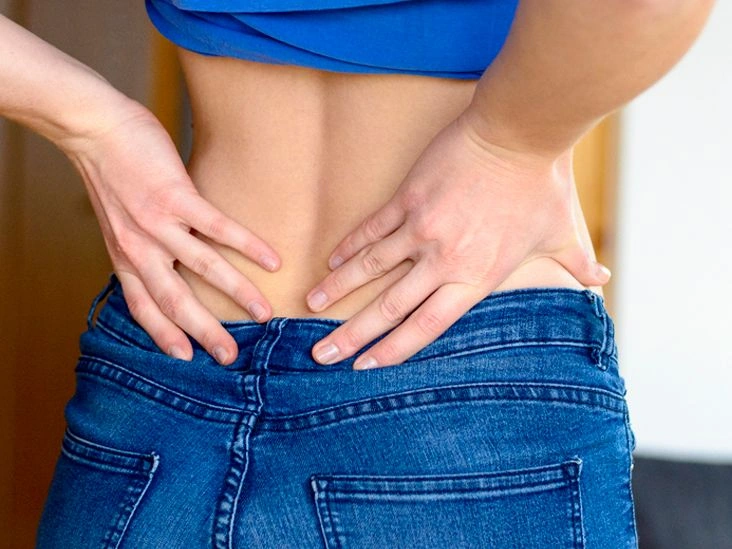
Constipation can sometimes be linked to back pain. In other situations, the same underlying problem causing your back pain — for example, a spinal infection or tumor — might also produce constipation. If either your constipation or back discomfort is severe, seek medical attention.
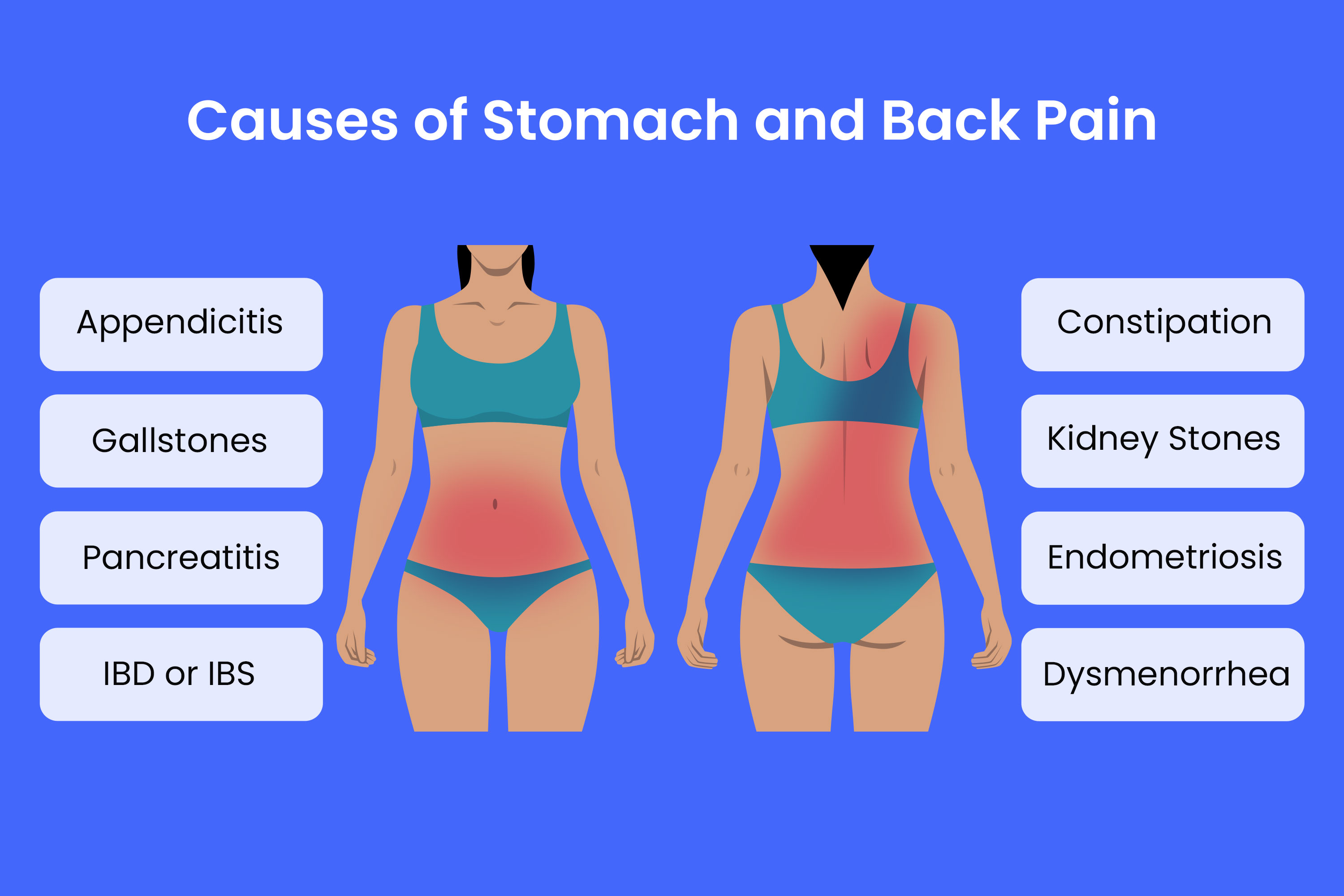
Constipation is a frequent issue. On occasion, people report accompanying back pain. Let’s explore why these two problems can appear together and what you can do to ease them.
Signs of constipation
Constipation refers to infrequent bowel movements or difficulty passing stool. Typical bowel habits are often one or two movements per day. With constipation, you might only have three bowel movements in a week.
Other signs of constipation include:
- hard or lumpy stool
- pain when passing stool
- a sensation of fullness
- straining to have a bowel movement
Frequently, constipation causes the intestines to expand due to retained stool. This distension can produce discomfort both in the abdomen and the back. The back pain associated with this is usually described as a dull, aching sensation.
Reasons constipation and back pain may occur together
Many factors can contribute to constipation. Sometimes a specific cause cannot be identified. Potential causes include:
- not enough fluids
- low dietary fiber
- insufficient physical activity
- certain prescription or over-the-counter drugs
- intestinal blockage
- cancer of the colon or rectum
Constipation resulting from spinal issues
Occasionally a condition affecting the spine, such as an infection or a tumor pressing on spinal nerves, can trigger back pain. Constipation may occur as a consequence of that same condition.
Back pain from fecal impaction
Fecal impaction can lead to lower back pain. This happens when a hard, dry piece of stool becomes lodged in the colon or rectum. The pressure built up in that area can cause pain that radiates to the abdomen or the back.
Treatment approaches for constipation and associated back pain
The initial approach to treating constipation usually involves dietary changes. Increasing fiber and fluid intake helps soften stool and makes bowel movements easier.

If your constipation began after changing your diet or starting a new medication, contact your healthcare provider. They can advise on modifying the diet or altering the medication, or they may recommend stopping the drug if appropriate.
Common measures to relieve constipation include:
- Exercise regularly. Physical activity improves circulation and supports healthy bowel function.
- Drink more water. Determine the appropriate daily water intake for your needs.
- Eat more fiber. Consider including high-fiber foods in your meals; see lists of fiber-rich options.
- Establish a regular bowel routine. Training your body to use the toilet at consistent times can help.
Over-the-counter stool softeners, suppositories, and laxatives may relieve short-term constipation. There are also natural stool softeners and laxatives you can try. For persistent constipation, your physician can investigate and treat any underlying condition. If you prefer Ayurvedic options, you might find useful information about constipation medicine ayurvedic.
If treating constipation doesn’t substantially reduce your back pain, the two problems may be unrelated. In that case, consult your doctor to evaluate the back pain specifically.
Prognosis
With dietary adjustments and increased fluid intake, constipation often resolves without further intervention. When constipation improves, associated back pain may also ease or disappear. If back pain persists despite resolving constipation, discuss targeted treatment options with your healthcare provider.
If you experience severe constipation or intense back pain, seek medical care promptly so a clinician can help you obtain relief.
Frequently Asked Questions
Constipation can cause intestinal distension or fecal impaction, which creates pressure and discomfort that may radiate to the lower back, producing a dull, aching pain.
Seek medical attention if you have severe or worsening back pain, intense constipation, signs of obstruction (no bowel movements or severe bloating), fever, or neurological symptoms like numbness or weakness.
Yes. Spinal infections, tumors, or nerve compression can cause back pain and may also impair bowel function, leading to constipation in some cases.
Increasing dietary fiber, drinking more fluids, exercising regularly, and establishing a regular bowel routine often ease constipation and may reduce associated back discomfort. Over-the-counter stool softeners or laxatives can help short-term.
If back pain persists after constipation resolves, the issues may be unrelated. Consult a healthcare provider to evaluate and treat the back pain directly, including imaging or specialist referral if needed.



Related Posts
Proteolytic Enzymes: How They Work, Benefits and Sources
Sep 13, 2026 • 22 min read
Retroperitoneal Inflammation
Sep 12, 2026 • 20 min read
White Specks in Stool
Aug 28, 2026 • 7 min read
How Long Does It Really Take to Sober Up?
Aug 23, 2026 • 6 min read
Remedios naturales para colitis ulcerosa: Dieta, suplementos y más
Aug 7, 2026 • 33 min read