How to Care for Steri-Strips: A Step-by-Step Guide

Steri-Strips are slim adhesive dressings frequently utilized by surgeons as a supplement to absorbable sutures or after traditional stitches have been taken out.
They’re also sold over the counter at local pharmacies for home use. You can use Steri-Strips to help close shallow lacerations or minor wounds, though serious injuries require professional medical attention.
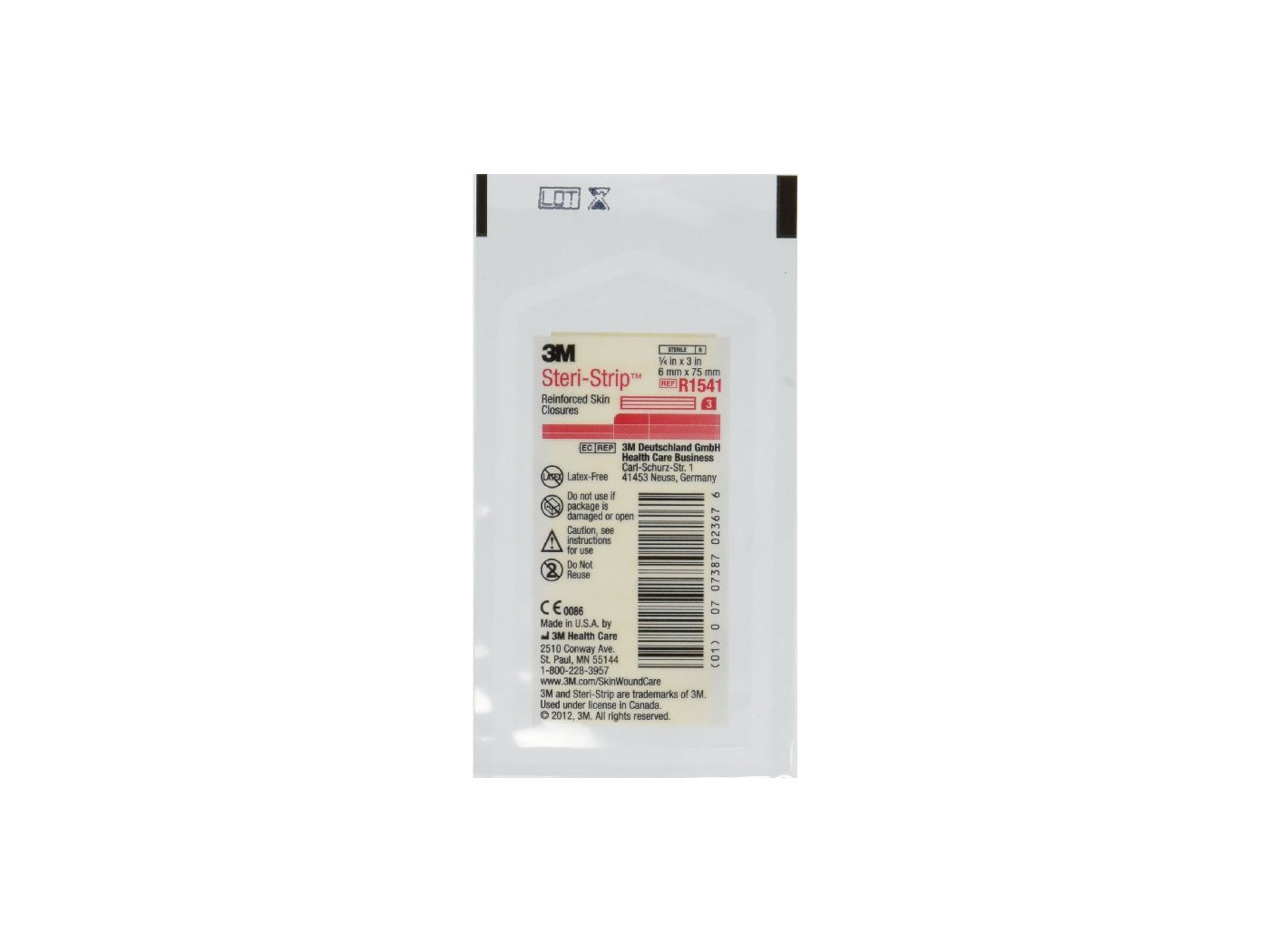
Steri-Strips are sometimes referred to as butterfly stitches or butterfly bandages when they are narrow in the middle with broader sticky ends resembling wings. However, not all Steri-Strips have that shape. The variety most commonly employed in surgical settings are straight, narrow strips.
If you’re uncertain about caring for Steri-Strips, how to apply them, or how to take them off, this article explains the essential information you need.
When are Steri-Strips used?
Steri-Strips are generally used for wounds that are not very severe or for minor surgical incisions.
They assist in closing wounds by drawing the skin edges together without touching the wound itself. This minimizes the risk of introducing bacteria or other contaminants into the cut.
In some cases Steri-Strips are preferable to traditional stitches because they don’t involve sewing through the skin and can be removed easily once the wound has healed.
When deciding whether Steri-Strips are suitable for closing a wound, consider the following:
- Are the wound edges straight? Steri-Strips work best for shallow cuts with clean, straight margins.
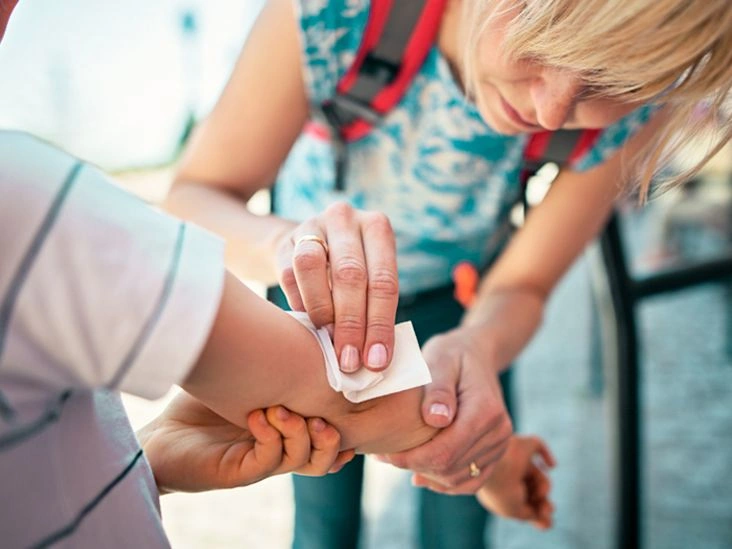
- Is the bleeding light and controllable? Apply a sterile cloth and press on the cut for at least 5 minutes. Don’t use Steri-Strips if bleeding persists after 5 minutes.
- Is the wound shorter than 1/2 inch? Steri-Strips are not advised for cuts that are 1/2 inch or longer.
- Is the location relatively immobile? Steri-Strips may not hold well on joints or other parts of the body where movement can dislodge them.
How to apply
Usually a doctor or surgeon will place Steri-Strips after an operation or treatment for an injury. However, you may need to apply them yourself at home if medical care isn’t immediately available.
How to care for Steri-Strips
After a Steri-Strip is affixed to a wound, proper care is important to support healing.
How to remove
If a medical professional applied the Steri-Strips, you can usually wait for them to fall off on their own when the adhesion weakens.
If you placed Steri-Strips on a minor wound yourself and it has healed, follow appropriate steps to remove them safely.
When to seek medical care
Obtain immediate medical attention if a wound:
- won’t stop bleeding after 10 minutes of firm pressure
- was caused by a contaminated or rusty object
- is too deep or too long for Steri-Strips to effectively close
- produces severe pain
- contains embedded dirt you cannot remove
- is located at a joint you cannot move — this may indicate nerve, muscle, or tendon damage
Also monitor the wound closely once Steri-Strips are in place. Seek medical care promptly if the wound:
- continues to bleed
- becomes red, swollen, or develops pus
- grows increasingly painful
The bottom line
Steri-Strips can be an effective alternative or adjunct to traditional stitches for wounds that aren’t deep or severe.
Like sutures and other closure methods, they must be applied and removed properly, and you should watch them closely while the wound heals.
It’s also essential to seek care if bleeding doesn’t stop or if signs of infection appear.
Frequently Asked Questions
Steri-Strips are typically left in place until they naturally begin to peel off, usually 5 to 14 days depending on the location and how quickly the wound heals. If they loosen earlier or get soaked, consult your healthcare provider for advice.
Brief, gentle showering is usually okay, but avoid soaking the wound in a bath or swimming. Pat the area dry carefully and do not rub the strips to help them stay adhered longer.
Let Steri-Strips fall off naturally when possible. If removal is needed, soften the adhesive with warm water and peel gently from one end toward the wound; stop if the skin reopens and seek medical help.
Watch for increasing redness, swelling, warmth, pus, foul odor, or worsening pain. Fever or spreading redness are also warning signs — contact a healthcare professional promptly.
No. Steri-Strips are best for shallow, straight-edged cuts with minimal bleeding. They are not recommended for deep, long, heavily bleeding, or highly mobile-area wounds — seek professional evaluation in those cases.


Related Posts
What Are Skin Neoplasms?
Aug 2, 2026 • 6 min read
Why Is My Sweat Salty? The Science Behind Sweat
Aug 27, 2026 • 30 min read
6 Natural Treatments for Shingles
Sep 8, 2026 • 25 min read
What You Need to Know About Vacuum-Assisted Wound Closure (VAC)
Jul 31, 2026 • 25 min read
What’s the Best Antiseptic for Open Wounds? Iodine, Peroxides, and More
Aug 15, 2026 • 35 min read