Tea Tree Oil for Dandruff

Overview
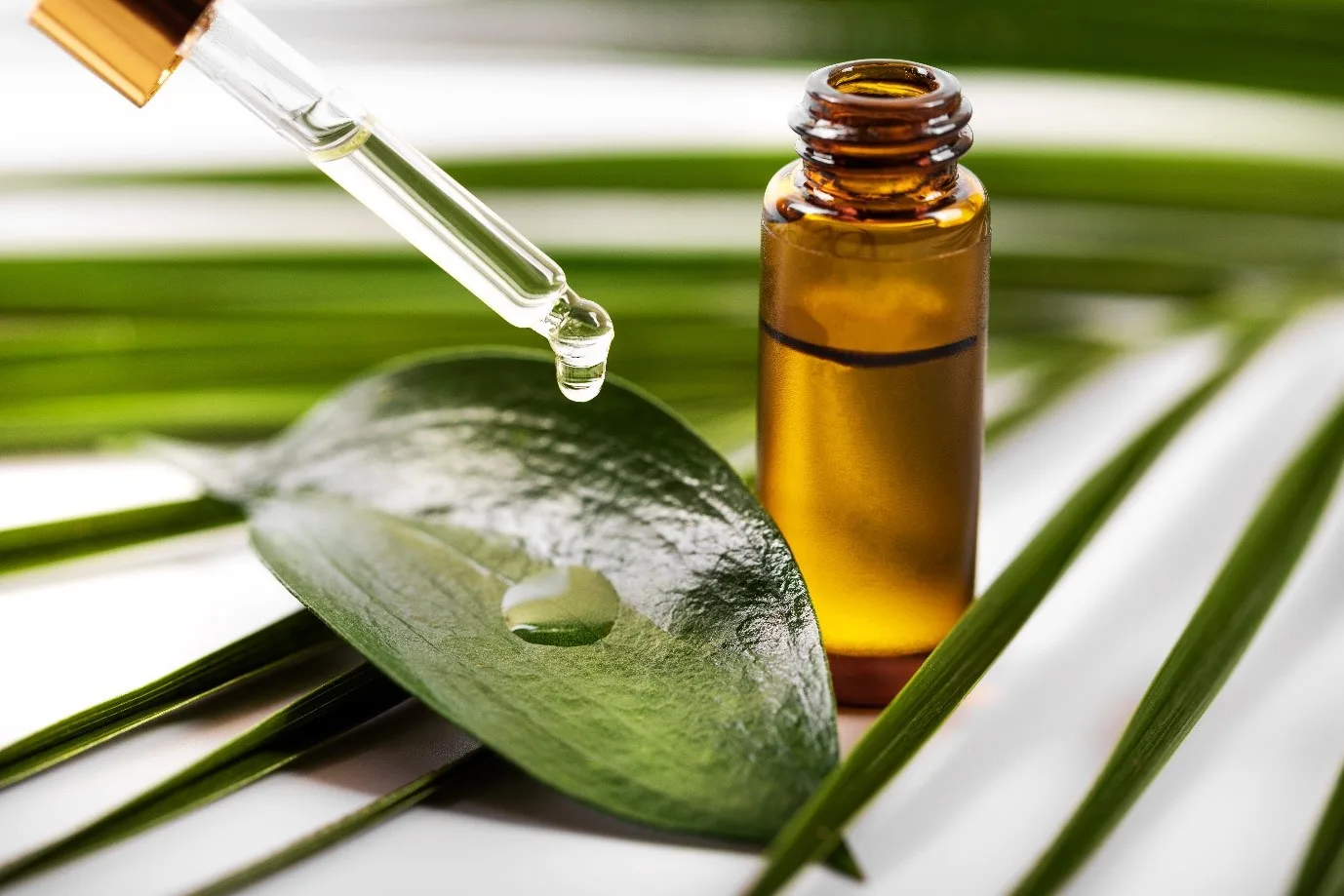
Tea tree oil (also known as melaleuca oil) is extracted from an Australian shrub, Melaleuca alternifolia. It’s reputed to have antiviral, antifungal, and antibacterial actions. People use tea tree oil for various purposes, including eliminating head lice, aiding minor wound healing, and managing dandruff.
Commercial tea tree oil is offered in different concentrations and as a potent, volatile essential oil. It’s intended to be diluted in a carrier oil and applied topically. You’ll also find it in products like massage oils, shampoos, and body washes. Its distinctive camphor-like aroma is calming for some users.
Dandruff is a scalp condition marked by dry, white flakes of dead skin and sometimes accompanied by itching. Several factors can cause dandruff, including:
- oily, inflamed skin
- dry scalp and hair
- a fungus known as malassezia
- contact dermatitis
- inadequate hygiene
Because tea tree oil has moisturizing and antifungal qualities, it may help address certain causes of dandruff.
Benefits of tea tree oil for dandruff
Limits yeast overgrowth on the scalp
Malassezia is a yeast-like fungus that normally resides on everyone’s scalp in controlled amounts. In some individuals it can proliferate excessively, which may stem from poor hygiene, such as infrequent shampooing, or from underlying medical issues. This overgrowth can produce dandruff. One study found that a shampoo containing 5 percent tea tree oil reduced dandruff caused by the yeast Pityrosporum ovale (malassezia). Participants used either the tea tree oil shampoo or a placebo for one month; those using the tea tree formula experienced a 41 percent drop in dandruff severity.
Eases itching and other dandruff symptoms
Tea tree oil may relieve the itching, oiliness, and lesions that can accompany dandruff. A 2006 study reported positive outcomes using a 5 percent tea tree oil shampoo compared with a placebo. A more recent study showed that tea tree oil shampoo achieved a 78 percent reduction in microbial growth.
Uses
There are various ways to try tea tree oil for dandruff, such as:
- Buy a shampoo that contains 5 percent tea tree oil.
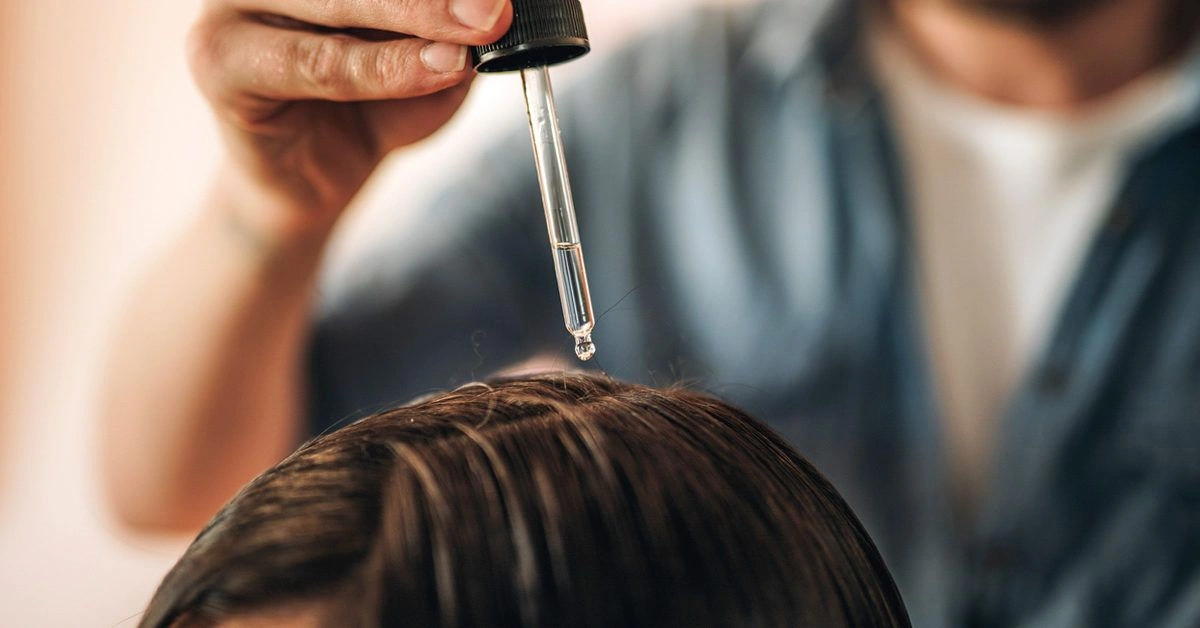
- Add five to ten drops of tea tree essential oil to your current shampoo bottle, shake well, massage gently into the scalp, then rinse completely.
- Make a homemade tea tree oil shampoo. This recipe combines olive oil, vitamin E oil, coconut milk, filtered water, and baking soda with tea tree oil.
Side effects and risks
- Poison Control warns that tea tree oil can be toxic if ingested and should never be used in or near the mouth.
- Avoid getting tea tree oil in the eyes when applying it to the scalp. If it enters the eyes, rinse immediately with warm water and contact your physician if irritation or redness persists.
- Tea tree oil should not be applied undiluted to skin or scalp because it can provoke irritation or itching.
- An Australian study showed that a small portion of people are allergic to tea tree oil. Perform a patch test before using the essential oil or a tea tree–containing product widely on your scalp. About 1.4 percent of individuals who undergo allergic patch testing are allergic to tea tree oil.
When to see your doctor
Dandruff is usually not serious, but it can occasionally signal another condition with similar signs. Consult a healthcare professional if:
- it does not improve with over-the-counter remedies (like anti-dandruff shampoos) or more frequent washing
- your scalp itches uncontrollably and disrupts daily activities
- your scalp shows swelling, redness, or open sores
Takeaway
Dandruff is a common, typically benign issue. Tea tree oil may help reduce dandruff, particularly when an overgrowth of the yeast-like fungus malassezia is involved. Always dilute tea tree essential oil before use and perform a patch test on a small area before applying it broadly to your scalp.
Frequently Asked Questions
Tea tree oil is an essential oil from the Melaleuca alternifolia plant. It has antifungal and antimicrobial properties that can reduce the yeast (malassezia) and relieve itching and flaking associated with dandruff.
Use a product containing about 5% tea tree oil or add 5–10 drops to a full bottle of shampoo, shake well, massage into the scalp, then rinse. Always dilute the oil and perform a patch test first.
Tea tree oil can irritate or cause allergic reactions in some people and is toxic if swallowed. Avoid undiluted application, keep away from eyes and mouth, and stop use if irritation occurs.
Improvement can appear within weeks of regular use, though results vary. Some clinical studies noted reductions in dandruff severity after about four weeks of consistent use.
Consult a healthcare professional if dandruff doesn’t improve with treatment, if itching becomes severe, or if you notice redness, swelling, or open sores on the scalp.




Related Posts

What’s the Difference Between THC Lotion and CBD Lotion?
Aug 13, 2026 • 34 min read
Proper Dosage for Botox Treatment on the Forehead, Eyes, and Glabella
Aug 20, 2026 • 17 min read
Everything You Need to Know About Glycerin Soap
Aug 3, 2026 • 17 min read
How to Get Perky Breasts Without Surgery
Sep 9, 2026 • 24 min read
Shea Butter for Your Face: Benefits and Uses
Aug 27, 2026 • 13 min read