Ultra-Processed Food: Six Things to Know

- 1. What makes a food “ultra” processed?
- So where’s the line between “processed” and “ultra”?
- Historically, when did UPFs take over?
- 2. How UPFs sabotage your body (and don’t even taste different?)
- Are UPFs causing a mental health storm?
- 3. The UPF dilemma: Why cutting them out feels impossible
- Do we actually need to outlaw UPFs?
- 4. How to spot UPFs without losing your mind
- UPFs hiding in “healthy” marketing
- Can you enjoy UPFs without killing your diet?
- 5. How to transition toward eating healthy (even with a job)
- Meal planning with minimal UPFs
- 6. Not all UPF research agrees—so what now?
- Where is UPF research heading?
- What next? Balance, not bans.
- Take the next step: Your UPF story matters
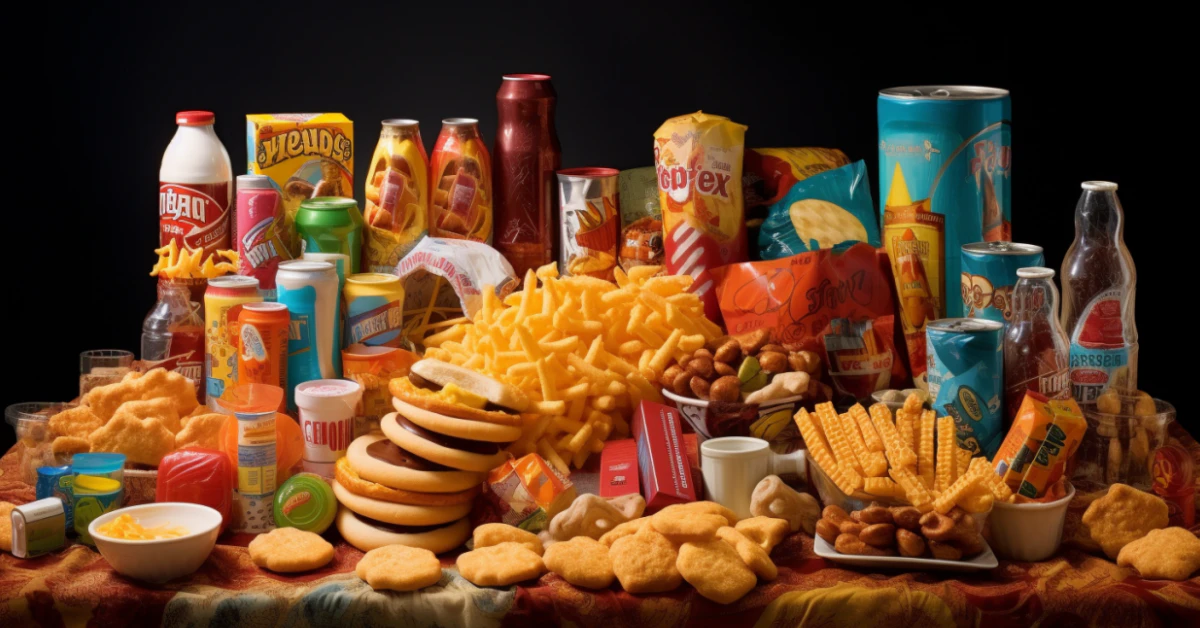
You’re grabbing a bag of chips after a stressful day. Or maybe a kid’s fruit snack labeled “natural” at checkouts. Know this: both are ultra-processed foods, hiding in plain sight. Let’s cut the fluff and talk real. UPFs make up nearly 70% of U.S. kids’ daily calories, but they’re not just snacks—they’re reshaping our health… and not in a good way.
Here’s the kicker: avoiding UPFs isn’t just about “being healthy.” These foods can rewire developing brains (yes, kids’ brains), overload adults with sodium, and even drain joy from your gut microbiome. But before you swear off frozen veggies forever (wait—those are fine!), let’s break this down. Six things. Six truths. Let’s get curious together.
1. What makes a food “ultra” processed?
Let’s start here: The NOVA classification system. Sounds fancy, right? Nope—it’s the rulebook. Developed in Brazil, it splits everything you eat into four groups based on how industrial the food is. If the label lists ingredients like “maltodextrin” or “potassium benzoate,” you’re holding a UPF. These additives aren’t evil. They’re just… corporate hacks never used in home kitchens.
So where’s the line between “processed” and “ultra”?
- Processed foods: Canned beans, plain yogurt, artisan bread. They’re tweaked but not gut-level engineered. Think about adding salt to olives. Still olives, just salty snacks.
- Ultra-processed foods: Mcdonald’s fries? Instant noodles? Flavored yogurt with “natural” sweeteners? These have additives to boost shelf life, mouthfeel, and addiction. Seriously. Sugar. Salt. Fat. Science.
No NOVA group 4 foods in your kitchen? That’s the point. A 2009 study by Carlos Monteiro, the NOVA system’s creator, called these items “industrial formulations.” Not food. Formulations. A frozen burrito vs. a homemade… it’s the difference between throwing together beans and rice and a 30-ingredient lab experiment.
Historically, when did UPFs take over?
Grocery aisles today look like a neon sugar bath. But this isn’t new. The first artificial sweetener—saccharin—hit markets in 1879. Hydrogenated oils (which the FDA eventually banned over heart disease concerns) in the 1900s. It was the 1980s, though, where sales exploded. People wanted convenience. Manufacturers delivered speed—and health. Problems.
2. How UPFs sabotage your body (and don’t even taste different?)
You know that “full” feeling after a meal? UPFs trick your brain into ignoring it. According to a 2025 study, their soft textures bypass oral sensors that say “slow down.” Example: A sugary gummy bear vs. an apple. Same calorie count? The apple fills you for hours. The gummy makes you hungry again ±10 minutes.
Are UPFs causing a mental health storm?
Turns out kids’ mood swings might not just be hormones. A Swiss review linked diets high in UPFs to worse brain health, including ADHD, depression, and even future dementia risks. Even more concerning? Kids and teens eating these foods start rewiring how their brain handles cravings—like touchscreen toddlers reaching for snacks. Constantly.
We’re not just talking about kids. A study in The BMJ found people who ate more UPFs had a 1.5-fold higher risk of heart attacks. Not drastic? Maybe. But when your campus cafeteria is dominated by pre-packaged fruit shortages instead of whole foods… that risk no longer feels theoretical.
3. The UPF dilemma: Why cutting them out feels impossible
Let’s get real. Life’s messy. Not everyone has time to cook everyday. Single parents. College medics. Busy shift workers. I get it. My best friend swears by pre-made soups during her nursing rotations. But here’s the catch: many of those soups? UPF-packed. Even the “low-sodium” ones. Why?
- Retailers design UPFs for profit, not people. They’re engineered to stay fresh until the end of time (okay, maybe just three years).
- They’re affordable and ultra-convenient. For families surviving on Medicaid’s doormat meals—yeah, those boxed dinners often have hidden sodium and sweeteners, even if promoted as “healthy.”
Do we actually need to outlaw UPFs?
I’ll be honest: I still eat frozen pizza on the rare lazy night. But balance matters. The British Heart Foundation says if you’re making a baby’s meals at home, 57% of pre-made formulas are UPFs (like baby cereals). Think of it this way: Your kitchen can outsmart the supermarket. Some of the time. But not all of it. Everyone’s drowning a little here, and UPFs are the cotton candy floats keeping us afloat… till they aren’t.
4. How to spot UPFs without losing your mind
Here’s the easy trick: if you can’t replicate that ingredient in your kitchen, it’s UPF. Let’s test your fridge’s ingredients. Do you have “frac-gel” or “sorbitan”? If not, you’ve found a UPF. Common red flags? Phrases like “flavor system” or “stabilizers.” Example: The Doritos bag you finish every afternoon (yeah, we’ve all been there). Check the list—it’s got autolyzed yeast. You can’t buy that on Instacart.
UPFs hiding in “healthy” marketing
In 2025, the worst part of UPFs is their ability to lie. Take “flavored yogurts.” They mention probiotics, calcium—and just as much sugar as a soda. Or “organic” cookies containing .05% cane sugar and 10 other industrial additives. Here’s a guide:
| Healthy Label Claims | UPF Reality Check |
|---|---|
| Organic Bread | Check processing: Industrial enzymes, preservatives? That’s UPF even if labeled “organic.” |
| Cholesterol-free snack | Still UPF if it’s swapping trans fats for other processed fillers. |
| Fortified baby milk | Data: 59% of under-5 baby foods in Australia are UPFs, per a study. |
Can you enjoy UPFs without killing your diet?
Trick question. You can’t avoid them completely—not if living in the U.S. or U.K. where nearly 60% of adult calories are UPF. But you can make smarter swaps. Swap soda for seltzer. Swap most bread for homemade or local bakery. Prioritize water, fresh produce, and employ spells of moderation.
5. How to transition toward eating healthy (even with a job)
Switching from a UPF-heavy diet to one rich in whole foods feels intimidating. I still remember my first attempt at making homemade bread—didn’t walk like the package said. Reality check: not all “whole foods” need to be textbook perfect. Frozen vegetables? Canned tomatoes? Oxycontin-like convenience without the damage. Those are processed (group 3), not ultraprocessed.
Here’s the breakdown other UPF guides skip:
- Local bakeries often sell fresh bread—processed but not UPF.
- Medically tailored meals (like those for diabetes) can still pack sodium—so always review labels.
- Dine with friends. Turns out people break for veggies and aquafaba when they’re eating together (per Heart and Stroke data).
Meal planning with minimal UPFs
Step 1: Go slow. You don’t need to become a chef overnight.
Step 2: Swap pre-packaged instant noodles for broth + rye crackers (unprocessed).
Step 3: Teach your kid to read ingredient lists. We did this with my niece—we called it “detective cooking.” Now she puts sour cream in her tacos instead of pre-sweetened flavored yogurt. Empower the generation before preferences crystalize.
6. Not all UPF research agrees—so what now?
Let’s address the elephant in the room: Some studies call NOVA too strict. A critic in 2023 argued that ultra-processed food’s health risks might reflect total calorie excess, not the additives themselves. Here’s what happens:
Pros of UPF criticism:
- They acknowledge the why behind purchasing habits—like food deserts forcing families to convenience stores.
- Some UPFs, like growing-up milk, offer nutrients in areas of supply chain inequality.
Cons:
- They downplay studies showing gut microbiome disruption and metabolic syndrome development only in UPF-heavy diets. Not just “too much” sound fish sticks vs. actual mackerel.
- They shrug off the endless availability of UPFs—like how Australian aisles had 81% of kids’ food products labeled UPF in 2025. No balance when grocery aisles are 50% Goldfish crackers.
Where is UPF research heading?
We’re entering the nuance phase. Scientists like Moodie, in a 2023 paper, now debate whether UPFs are uniquely destructive or if food insecurity and advertising drive their true harm. Either way, the soft drinks and microwavable soups aren’t magically transforming community diets. The data isn’t fully settled—but statistics show upping group 1 foods (natural) lowers disease risks. And that’s the bet we need to make.
What next? Balance, not bans.
Change isn’t cutting out all schott’s yogurt. It’s about awareness. Limit the worst actors—soda, frozen packaged bread. Prioritize whole foods and group 3 swaps. Ask your doctor how much UPF might factor into your body’s inflammation, and—here’s the key—you’ll start noticing how much better you feel. No study needed. Just fullness that lasts longer than 20 minutes.
If you’re a parent, a student, a medical professional: focus on UPF content in your immediate world. Australia’s 2023 findings show “health” labeled kids’ food often exceeds nutritional standards. Kids’ gummy vitamins? Ultra-processed… with no vitamin wisdom. Prioritize real fruit, not candy-like shortcuts. The same goes for you and your daycare snacks.
Final note: Google around. There are regional variations—like 25% UPF consumption in Italy versus 58% in the U.S. Northwesters and Brits, make small moves. Cook with friends. Add dark chocolate chunks (yes, UPF), but less than a study worth of data shows is safe. Realize: you don’t need perfection. You need progress. The next time you see a “low-ED” (energy-dense, yeah—more jargon) snack, you’ll know. . It’s just a nice word for highly palatable. And now, you’re ready to choose differently.
Take the next step: Your UPF story matters
Look—I’m not here to scold you over that granola bar. But I am here to share what science actually suggests: UPFs are dominating diets, and their long-term effects aren’t great. The upside? You don’t need to go cold turkey. Start with small swaps: your kid’s snack-time fruit gummies for fresh grapes. Ditch the frozen pizzas and try a whole-wheat crust with avocado as a topping. Real change isn’t dramatic. It’s gradual… like realizing your morning routine didn’t need that flavored oat milk all along.
Here’s the thing—your kitchen can feel like a lab for joy. A Stanford dietitian put it best: “You don’t stop loving food. You just redirect your love toward stuff that loves you back.” So, what’s on your table tonight? Let’s discuss. Drop a comment below with your best UPF-replacement hack—or your favorite cheat meal. I’ll answer your questions… or at least help you decode that label. You’ve got this. And we’ve got you.
Frequently Asked Questions
Think Doritos with “natural flavors” you can’t pronounce, ready-to-eat pizzas with hydrogenated oils, or flavored yogurts needing four chemical preservatives to sit on shelves. These meet NOVA’s group 4—technically “industrial formulations,” not food. Home cooks couldn’t replicate these ingredients without a lab. Look for things like maltodextrin, artificial colorings, or ultra-processed snack bars hiding five forms of modified starch. Even “organic” garages don’t scrub these items of their scientific approach.
UPFs are the ultimate corporate cheat code. They’re engineered to be cheap, craveable, and sold on impulse. But as 2024 BMJ studies note, they’re linked to obesity, metabolic disorders, and even childhood brain changes. How? Their texture tricks your gut-brain axis—so you’re past fullness before you know it. Mom’s Meals? Despite being funding-driven, they’re still heat-and-eat UPFs with synthetic stabilizers rare in kitchens. Tasty? Sure. Nutritious? Absolutely not.
Study after study points to gut inflammation, cognitive fog, and thyroid disruption from UPFs like titanium dioxide (common in candies) or emulsifiers screwing with your microbiome. They’re not evil on purpose—they’re profit-first sciences. But over time, daily exposure can multiply risks for hypertension or depression. Why limit them? Your sodium intake might top the 2,600 mg most UPFs pack, making moderation a survival skill.
Absolutely. A Frontiers in Public Health review tied high UPF diets during pregnancy to gestational diabetes and preterm births. But blame isn’t the answer—food systems make UPFs the only option for many families. Swapping in a few whole foods per meal could repair some risk. Plus, for kids? Half the Australian “kids'” supermarket map is dominated by UPFs—so awareness matters early.
Focus on these swaps: homemade oat bowls vs. flavored oat-milk, canned beans (processed but not ultra) instead of Ready Meals, and even a few weeks of fridge-stored soup vs. instant. Know the difference between pasta sauce with two ingredients and UPF alternatives loaded with modified cornstarch. It’s not about all-or-nothing—it’s about peeking beyond labels like “low-sodium” or “enhanced.” Your kitchen is the first lab you control.
Related Posts
The 11 Best Keto Frozen Meals
Sep 15, 2026 • 26 min read
What Is Annatto? Uses, Benefits, and Side Effects
Aug 8, 2026 • 13 min read
What Is California Poppy, and Does It Have Health Benefits?
Aug 6, 2026 • 21 min read
What’s the Benefit of Poppyseed Oil?
Aug 25, 2026 • 32 min read
What Is Wormwood, and How Is It Used?
Aug 5, 2026 • 27 min read