What You Need to Know About Hydromassage

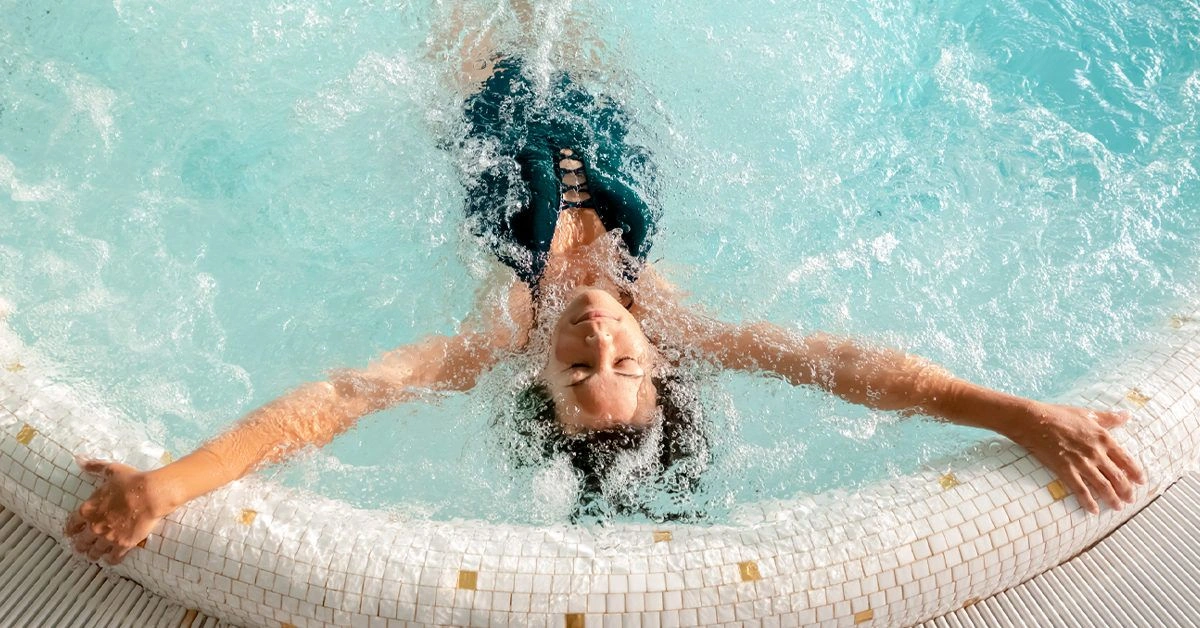
Hydromassage is a therapeutic approach that uses water and pressurized jets to massage muscles and other soft tissues throughout the body.
It’s sometimes called by other terms, including:
- hydrotherapy
- water therapy
- aqua therapy
Some people report that hydromassage can ease muscle pain or soreness. If you’re considering hydromassage, consult your physician before trying this therapy, whether at a spa, gym, or with a home device.

How is hydromassage performed?
Hydrotherapy has roots in ancient Greek and Roman cultures, where people primarily used bathing in hot or cold water for relaxation. While bathing and water exercise are both types of hydrotherapy, hydromassage has progressed into a variety of contemporary devices.
Conventional hydromassage systems involve wearing swimwear and sitting or reclining in warm water. These units use water jets under pressure, which can often be adjusted according to personal preference.
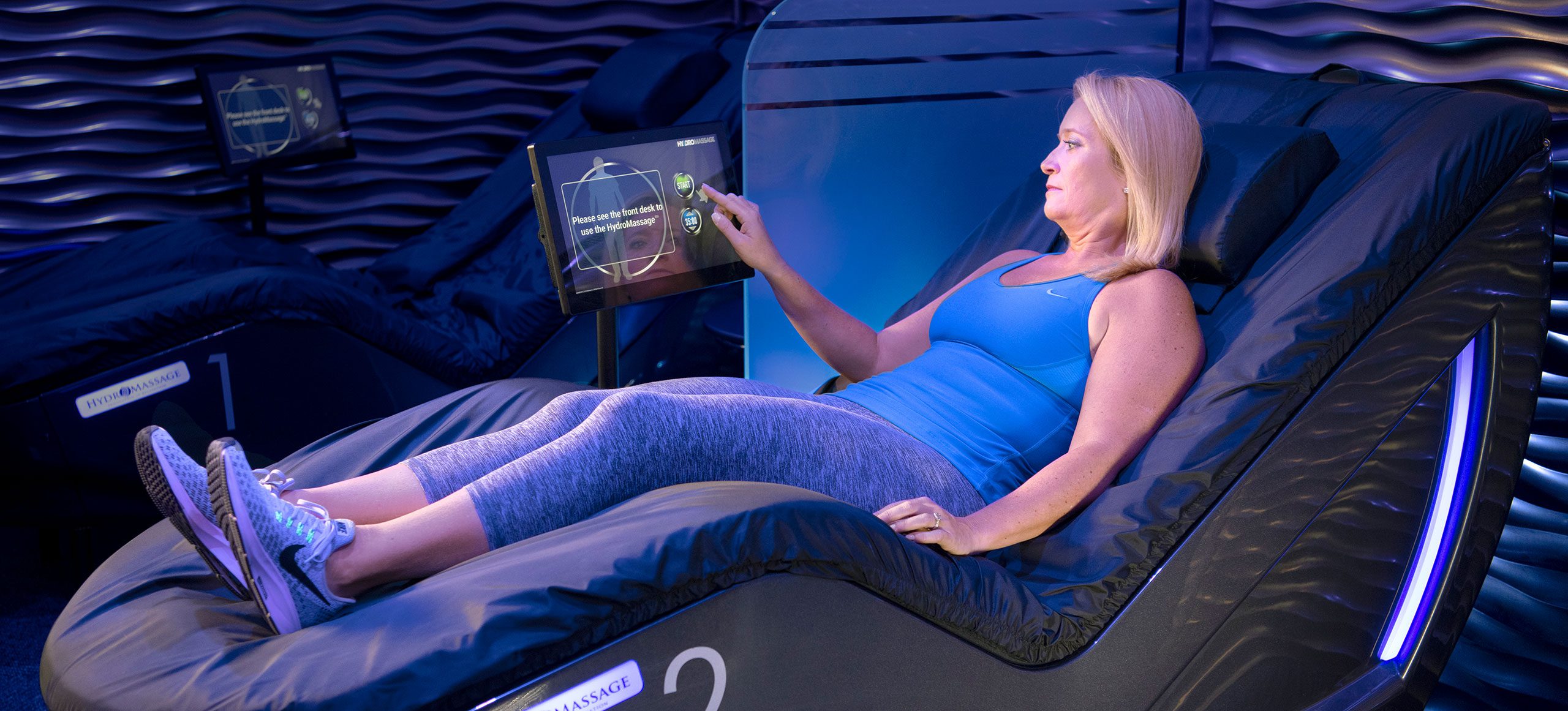
An alternative is dry hydromassage, which uses a table similar to those found in standard massage practices. Rather than being submerged, the table incorporates a water-filled mattress and jets so you can experience heat and pressure without disrobing.
Hydromassage tables commonly include thermostats so you can control the temperature.
Benefits of hydromassage
Hydromassage is associated with several potential benefits, supported by varying levels of evidence.
Relaxation and mood improvement
Like many massage forms, hydromassage may promote relaxation.
For instance, a meta-analysis of studies from 2004–2024 found a link between hydrotherapy use and reductions in depression and anxiety scores.
Additionally, a 2012 review examining hydrotherapy for people with rheumatoid arthritis observed improvements in mood and pain scores compared with no intervention.
Although these studies indicate that hydromassage can improve mood and relaxation in some cases, results may vary and it might not be effective for everyone.
Relief from muscle and joint pain
Warm, cold, or alternating-temperature water therapies may help lessen muscle soreness after exertion. Heat therapy can also be useful for easing joint pain, such as that associated with arthritis. The combination of temperature variation and targeted pressure from massage can increase circulation in affected areas.
Potential side effects of hydromassage
Despite its possible advantages, hydromassage is not appropriate for everyone. It’s generally not advisable for pregnant individuals, those with uncontrolled high blood pressure, or people with bleeding disorders.
Possible adverse effects include:
- burns from excessively hot water
- aggravation of skin conditions such as eczema or other inflammatory rashes
- bruising
- nerve damage
- fractures, particularly in older adults or people with osteoporosis
- blood clots (rare)
Where to find hydromassage
Hydromassage can be available at spas, fitness centers, and specialized clinics.
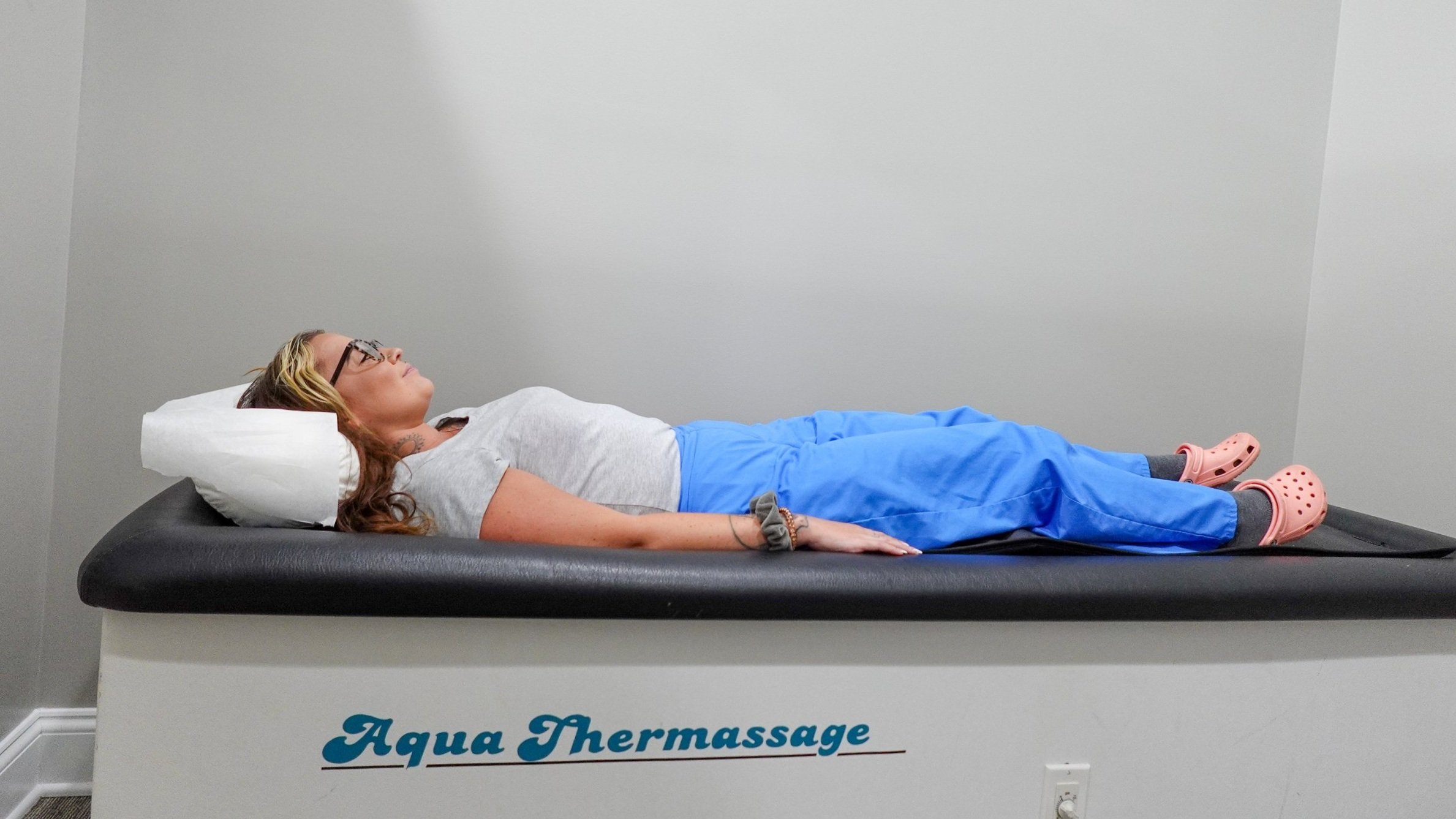
Dry hydromassage is offered in both chair and table formats. While both target the whole body, an upright massage chair can be better for addressing the head, neck, or upper back. A table may be preferable if you want to lie down and fully relax during the session.
If you prefer traditional hydrotherapy with immersion, look for hydromassage tubs at spas or physical therapy facilities.
How much does hydromassage cost?
Prices for hydromassage vary depending on the provider and the purpose of the treatment.
In general, hydromassage is not covered by typical health insurance. An exception might exist if traditional hydrotherapy is provided by a physical therapist or rehabilitation center for a medical condition.
Check with your insurer to understand any out-of-pocket expenses. If coverage is available, you may need to see an in-network provider.
Some gyms and health clubs provide hydromassage chairs and tables for an extra monthly fee. Home hydromassage tables can be expensive — potentially costing over $3,000 — not including accessories and upkeep.
The bottom line
Hydromassage and related water therapies may help relieve muscle and joint discomfort and promote relaxation. However, this complementary treatment may not be suitable for everyone. Always consult a healthcare professional before trying hydromassage, particularly if you have underlying medical issues.
Frequently Asked Questions
Hydromassage uses warm water and pressurized jets or a water-filled mattress to apply targeted pressure and heat to muscles and soft tissues, promoting relaxation and circulation without deep manual manipulation.
Yes. Traditional wet hydromassage involves immersion or tubs with adjustable jets, while dry hydromassage uses a water-filled mattress in a table or chair so you remain clothed during treatment.
People often use hydromassage for muscle soreness, joint stiffness, relaxation, and mood improvement. Some evidence suggests benefits for pain and anxiety, though results vary by individual.
Hydromassage may be unsuitable for pregnant individuals, people with uncontrolled high blood pressure, bleeding disorders, or certain skin conditions. Always consult a physician before trying it.
Costs vary: single sessions at spas or gyms may charge per visit, some clubs include it for a fee, and home hydromassage tables can cost several thousand dollars. Insurance rarely covers it unless provided as medical hydrotherapy.


Related Posts

Is Polypropylene a Safe Plastic to Use in Your Home?
Sep 10, 2026 • 10 min read
Refined vs. Unrefined Coconut Oil: What’s the Difference?
Sep 6, 2026 • 9 min read
What Is Wormwood, and How Is It Used?
Aug 5, 2026 • 17 min read
Arbonne Diet Review: Overview, Effectiveness, and More
Aug 9, 2026 • 22 min read
The 11 Best Keto Frozen Meals
Sep 15, 2026 • 23 min read