Pictures of Cellulitis: What Real Skin Infection Looks Like

- Ever Get A Red Spot You Worry About?
- So, What’s Up With That Angry-Looking Patch?
- Look Closely: How It Starts (And Why)
- What Pictures of Cellulitis Really Show
- Legs & Feet: The Favorite Targets
- Why Down There? Gravity, Shoes, And More…
- Pictures Speak Louder: Know What To Look For
- Making Sense Of The Symptoms
- Pics Can Teach—But Feel Matters Too
- Red Flags: When To Stop Reading And Start Calling
- Prevention: Don’t Let It Happen To You
- Easy Moves To Stave It Off
- Wrapping It Up: Your Skin, Your Superpower

Ever Get A Red Spot You Worry About?
Let’s skip the boring medical elevator pitch. You ever wake up and see something funky on your leg—maybe a weird, reddish patch that wasn’t there yesterday? Or you finish a long hike, kick your shoes off, and… whoa, what’s going on with your foot? If you’ve been caught by surprise like that, you are seriously not alone. I’ve been there—a hot, sore calf after trying (and failing) to break in new boots for a charity walk. Thought it was just a blister. Spoiler: it was cellulitis.
Now, take a sec: have you ever googled “pictures of cellulitis” and immediately wished you hadn’t? Me too. Fun, huh? (Not.) But honestly, those photos are super helpful. They’re like guardrails: they show you what you should, and definitely shouldn’t, ignore.
Let’s walk through what real cellulitis can look like—on your leg, foot, or wherever—without making you feel like you’re reading a stuffy textbook. I’ll throw in some tips, embarrassingly honest stories, and yes, a few crucial links to images when words just aren’t enough.
So, What’s Up With That Angry-Looking Patch?
Look Closely: How It Starts (And Why)
Cellulitis isn’t picky. It shows up where your skin breaks: a cut, a bug bite, a gnarly scratch from your cat, whatever. Bacteria—most likely strep or staph—see their chance and invite themselves in for a wild party. Next thing you know? Warm, swollen skin that’s tender to the touch—and sometimes way more serious than it first seems according to the Mayo Clinic .
Most of us get cellulitis on our legs, but it can pop up on your arms, face, or—get this—even your bum. (True story from a friend after a bike trail scrape… not going to share those pictures here. Sorry, Kris.)
What Pictures of Cellulitis Really Show
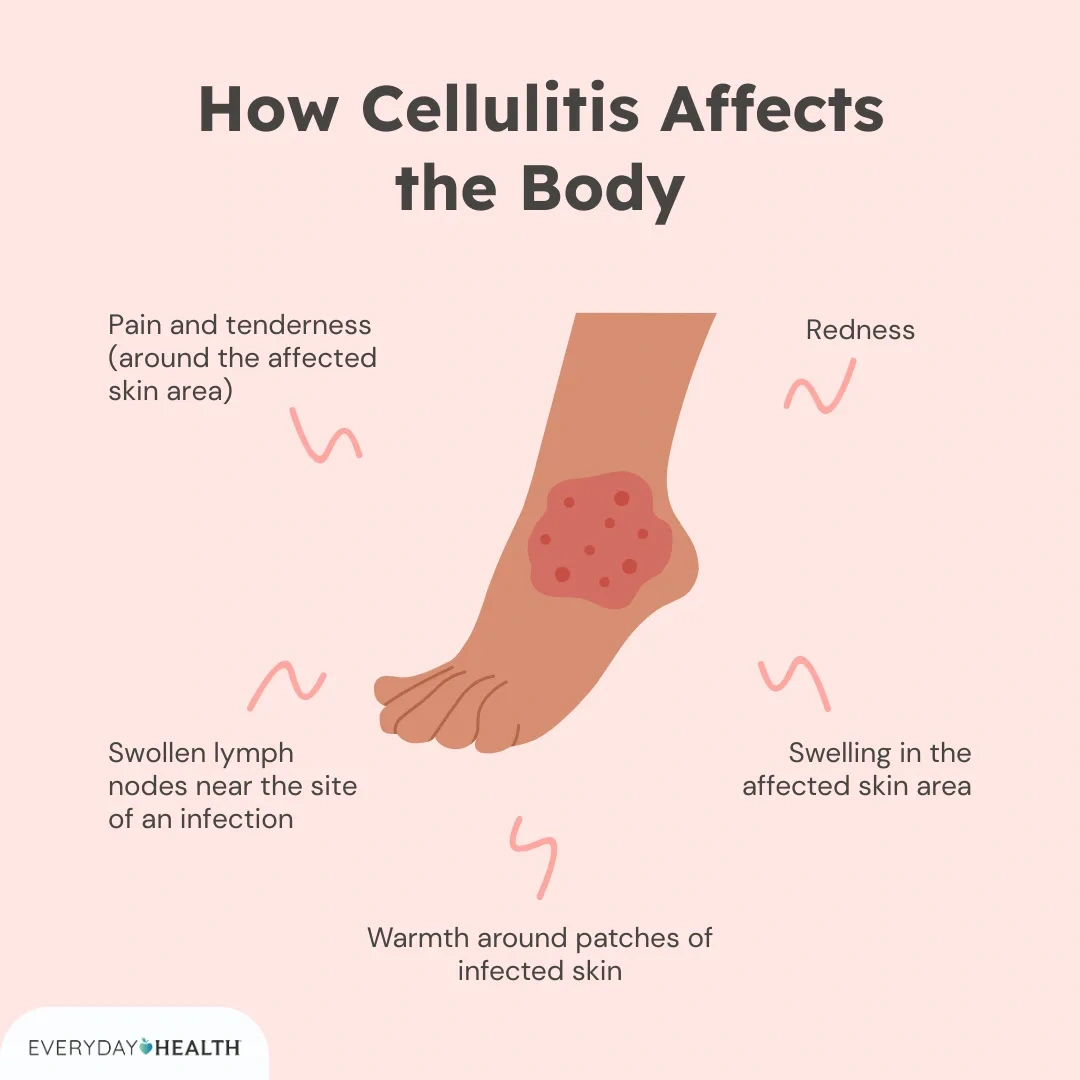
Go ahead—Google “pictures of cellulitis” if you’re up for it. You’ll spot photos of skin that looks… well… red, shiny, maybe even kind of lumpy. Sometimes, there are blisters or what looks like a bad sunburn that just won’t quit based on Skinsight info. And if you want specifics, check out pictures of cellulitis on the leg—the close-ups really help you see what’s “normal cellulitis” and what’s “get-to-a-doctor-now.”
Why does it look so ticked off? Well, it’s your body inflaming the heck out of the area to fight off the infection. Cellulitis skin is usually tender, hot, and sore—kinda like your skin’s throwing a fit. It might not look as bright red if your skin’s a darker shade—sometimes it’s more purple or even a deep brownish color. And who knew? Sometimes you only see a patch of warmth and swelling, not a ton of redness at all as described by NHS .
Mild vs. Severe: A Side-By-Side Snapshot
| Type | What You’ll See in Photos | How It Feels |
|---|---|---|
| Mild | A bit pink, maybe swollen; fuzzy edges. Skin isn’t broken but hurts if you poke it. | Tender, warm—feels like a bruise but worse. Usually no blisters…yet. |
| Severe | Fiery red, shiny, or even purple. Swelling is obvious. Might see blisters, broken skin, or streaks of red—think scary red lightning bolts. Sometimes oozing. | Painful, hot, and “tight.” You might get chills or fever. If you feel this, don’t wait—call your doc. |
(For one not-great story: My aunt once mistook a streaky red patch for sunburn. Turned out, the red “streaks” creeping up her leg meant the infection was on the move. That’s when you drop everything and get help.)
Legs & Feet: The Favorite Targets
Why Down There? Gravity, Shoes, And More…
Would it surprise you to know your legs are prime real estate for cellulitis? Makes sense, right? Gravity drags everything down, making it harder for your body to pump swelling away. Plus, feet and legs get banged up the most. One day it’s a tiny crack from dry winter skin, the next it’s a full-blown infection.
There’s a sneaky culprit, too: athlete’s foot. Fungal cracks between your toes make the perfect front door for bacteria. Next thing you know, you’re scrolling through pictures of cellulitis on foot at 2am, wondering… is that what I have?
Real Talk: A Fitness Fail
A quick story for you—I used to skip socks for “barefoot running” (in my defense, it was a trend). Five days later, my left foot ballooned up, tender as heck, and looked like the after-pics in every warning post. Lesson learned. Moisturize, wear proper socks, and if your skin cracks, keep it clean. Otherwise… yeah, you get to join me in the “wince and Google” club.
Leg vs. Foot: Does It Heal The Same Way?
| Area | Common Triggers | Healing Timeline |
|---|---|---|
| Foot | Athlete’s foot, sweaty trainers, walking barefoot in public showers | Usually 7-14 days with antibiotics, longer if you wait too long to start |
| Leg | Cuts, bug bites, shaving nicks, dry skin—sometimes just bad luck | Typically clears in 7–10 days with early antibiotics according to clinical guidance |
Key thing: if you have swelling that doesn’t fade, or red streaks shooting up your limb, don’t try to “walk it off.” That’s your body’s way of sending a flare for help.
Pictures Speak Louder: Know What To Look For
Go check out pictures of cellulitis on the leg to see a variety of real-world cases. Some show mild puffiness; others, serious “get-to-the-ER” swelling. If you can compare your symptoms with these, you’ll feel less in the dark about where you stand.
Feet are honestly the sneakiest. When cellulitis sneaks in around the toes, the skin can get dimply—like the surface of an orange peal. On darker skin tones, look for swelling, heat, or tenderness instead of classic redness. Want specifics? Take a peek at pictures of cellulitis on foot. It might help more than a dry checklist ever could.
Making Sense Of The Symptoms
Pics Can Teach—But Feel Matters Too
Yes, “pictures of cellulitis” are great, but sometimes it just feels wrong. There’s pain, swelling, maybe you get the chills or flu-y shivers. Worst case? Fever plus those angry stripes crawling up your limb. Maybe you’re tough, but trust me, this isn’t something to ignore. I’ve learned that lesson the hard way, limping to urgent care—twice.
If you spot these symptoms, here’s what most docs say (and what I wish I’d known sooner):
- Warmth, pain, and swelling grow quickly
- Skin feels tight, looks shiny, sometimes with blisters
- Redness is classic, but any hot, swollen area can be cellulitis—especially if you feel bad overall
- Swollen glands nearby? Extra warning sign
Red Flags: When To Stop Reading And Start Calling
Here’s when you really need to get help—no, don’t just ask Dr. Google this time:
- Fever. Even a mild one means the infection’s spreading
- Rapidly growing redness—an obvious line or streak
- Pus, blisters, or oozing wounds
- Any area near your eyes or genitals (no shame—go get care!)
If you think you’re seeing any of the above, look at those reference images (try pictures of cellulitis on the leg again for backup), and get yourself checked. The sooner, the better: antibiotics work like a charm here, but only if you actually take them!
Small Story, Big Lesson
Last year, a running buddy of mine ignored a small bug bite. We kept making fun of him for scratching like a maniac. A week later? He showed us his leg. I wish I was exaggerating: angry red patch, blistering, and he felt rotten. One look and I said, “Dude. Google ‘pictures of cellulitis,’ then call your doc. Now.” He did. Three days of antibiotics and some good-natured teasing from the group chat, he was back to his old self.
Prevention: Don’t Let It Happen To You
Easy Moves To Stave It Off
Okay—so apart from not going barefoot in questionable showers (still, zero regrets for those five seconds of freedom), here are a few tricks I swear by:
- Keep your skin moisturized. Dry skin means tiny cracks. Bacteria love those.
- Cover up cuts and scrapes—use that embarrassing character bandage if you have to. (Mine is Baby Yoda. Zero shame.)
- Change socks and shoes—sweaty fabric is like a spa weekend for germs.
- If you’ve got conditions like eczema or lymphedema, be super gentle with your skin. Treat it right.
And if your skin breaks or you see anything suspicious, take a photo so you can show a doctor. As much as “pictures of cellulitis” can save you, so can a quick, honest snapshot of your own skin.
Physical Activity: Friend Or Foe?
Wait—but isn’t fitness supposed to keep you healthy? Absolutely! But also: don’t ignore those little nicks you get from yoga mats, running trails, or the locker room. Those are precisely how bacteria sneak in for a visit. So, keep moving, just… have a towel and some healing cream handy.
Wrapping It Up: Your Skin, Your Superpower
Here’s where we land, friend: if you’re reading this, you honestly care about your health. That’s half the battle already won. Pictures of cellulitis can be scary, but they’re a tool—your radar. Pay attention when something looks or feels weird, especially on your lower legs or feet. Don’t be shy about flipping through pictures of cellulitis on the leg or pictures of cellulitis on foot; it could make all the difference in catching a problem early.
If you do spot something suspicious, don’t try to tough it out. See a healthcare provider, start treatment fast—usually antibiotics, sometimes just a bit of TLC and elevation. Most cellulitis clears up within 7–10 days if you act early (lesson learned… delayed treatment stinks and so does limping for weeks).
Skin infections aren’t glamorous, but neither is ignoring what your body’s trying to tell you. You’ve got this—just keep your eyes peeled, trust your gut, and take care of your skin like you would any other part of your wellness routine. Got a weird story to share or a tip that works for you? Drop it in the comments! We’re all learning together.
Frequently Asked Questions
Cellulitis often appears as a red, swollen, and shiny patch on the skin that’s warm and tender to the touch. It can start small but spread quickly, sometimes forming blisters or red streaks, especially on legs or feet.
Mild cellulitis shows as a pinkish, swollen area with fuzzy edges and some tenderness, without blisters. Severe cases involve fiery red or purple skin, obvious swelling, blisters, oozing, or red streaks, often with fever or chills—seek immediate medical help.
Legs and feet are common sites because gravity causes fluid buildup, making swelling harder to resolve, and they’re prone to breaks in the skin from cuts, bug bites, dry cracks, or athlete’s foot, allowing bacteria easy entry.
Beyond redness, symptoms include warmth and pain in the affected area, tight or shiny skin, rapid swelling, possible blisters, chills, fever, or swollen nearby lymph nodes—don’t ignore if it worsens quickly.
Read Next

What You Need to Know About Vacuum-Assisted Wound Closure (VAC)

6 Natural Treatments for Shingles
What Does a Continuous Passive Motion (CPM) Machine Do?

Stretches to Loosen Your Trapezius Muscles

Calorie Counts for Fried Rice: Vegetable, Beef, Chicken, Pork, and Shrimp

Does Flaxseed Really Work for Beautiful Hair?
Related Posts
What Are Skin Neoplasms?
Aug 2, 2026 • 31 min read
How to Remove and Prevent Moths in Your Home
Aug 16, 2026 • 21 min read
What Causes Peau D’Orange?
Aug 23, 2026 • 29 min read
Do Tattoos Always Stretch? What to Know Before Getting Inked
Sep 23, 2026 • 17 min read
What’s the Best Antiseptic for Open Wounds? Iodine, Peroxides, and More
Aug 15, 2026 • 24 min read