The Role of Medical Physics in Asia-Pacific Diagnostics

- IAEA’s Work: Bridging Asia-Pacific Gaps
- Real Stories: Bangladesh to Brisbane
- Why “Set It and Forget It” Radiation Tech Is a Death Sentence
- Meet Lindsay: Shielding Guru
- The Price of Speed
- Image-Guided Procedures: Peering Into the Future
- 101: What? Why? How?
- Behind the Scenes: From CT to Code
- Becoming a Medical Physicist: Learning to Speak Radiation
- Is Medical Physics Right for You?
- Asia-Pacific’s Diagnostic Radiology: The Good, The Bad, and The Countries Redefining the Field
- The Good (No Joke)
- The Bad (Yes, It Exists)
- The Countries Redefining the Game
- Final Words: Why This Is Your Business
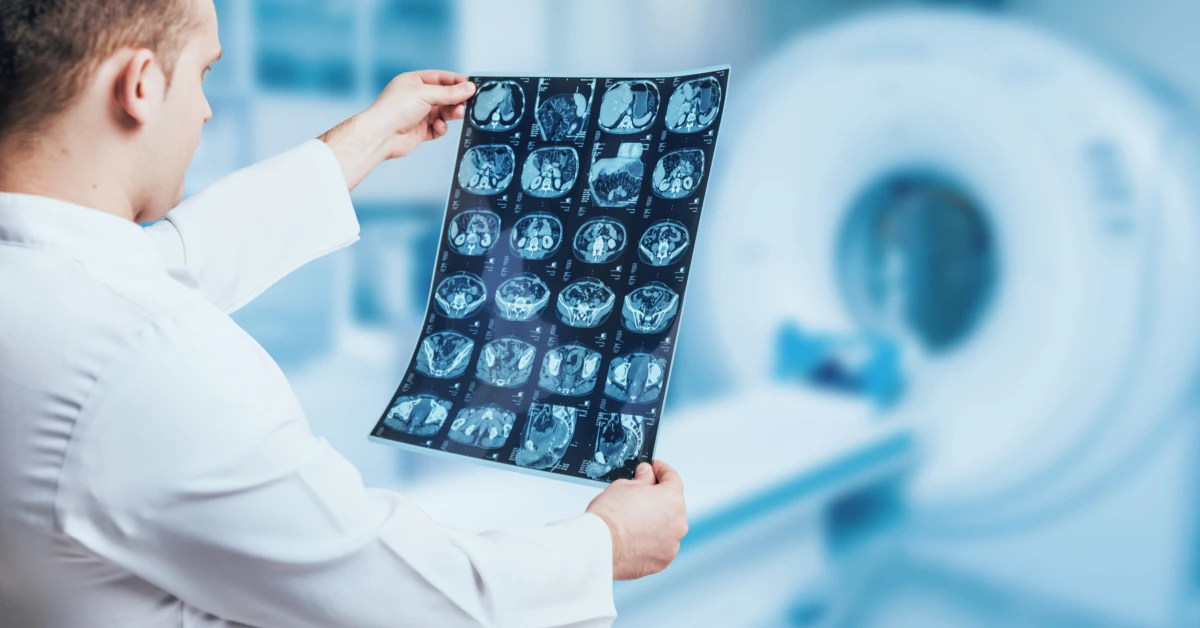
Q: What if the scans you trusted were hiding risks you didn’t know about? Medical physics isn’t exactly a headline-grabbing field… but you’d be surprised how much it impacts your health. Ever heard of a CT scan missing a tumor because the machine itched while scanning? Or a mammogram flashing a false alarm? These things happen when diagnostic tools aren’t fine-tuned—and that’s where medical physicists step in. They’re the quiet heroes making sure tech like X-rays, MRIs, and fluoroscopes work and protect you from radiation mishaps.
Q: Why does the Asia-Pacific region matter so much? Well, folks… the news isn’t all rosy. A recent IAEA study spilled the beans: some diagnostic systems in the Asia-Pacific are flying blind without expert oversight. But here’s the twist—others are leading the charge with cutting-edge solutions. Let’s unpack this, yeah?
Think of medical physicists like air traffic controllers for radiation tech. They ensure no “flights” crash—even though you’d never spot them next to a doctor. But their work? It’s why you walk out of a clinic knowing your scan was both accurate and safe. The Asia-Pacific region? It’s a mixed bag. Some countries are nailing it, others… not so much. Keep reading to see why this matters for you, whether you’re a patient, a student, or just curious.
IAEA’s Work: Bridging Asia-Pacific Gaps
You might not picture IAEA (the United Nations’ nuclear watchdog) as healthcare Fairy Godparents, but their role here is huge. They’re not just building bomb detectors—they’re funding projects, shipping guidelines, and training pros to keep diagnostic radiology real.
Here’s the kicker: Radiation tech is everywhere. From tiny island clinics to mega-city hospitals. But not every facility has a medical physicist auditing machines or calculating safe doses. The IAEA’s 2022 side event at their General Conference highlighted this gap. As one rep put it, “A glitch in an X-ray machine? That’s not just noisy static—it’s a misdiagnosis waiting to happen.”
So what’s IAEA done to fix this?
- Published the TRS-457 guide for accurate dosimetry in diagnostic settings.
- Oversaw dosimetry audits in countries like Vietnam and Fiji, standardizing calibration practices.
- Created digital training hubs for medical physicists, especially in remote areas.
But implementing these tools isn’t easy. A hospital in Laos might have one physicist for three states. Meanwhile, a clinic in Sydney could have a team. The IAEA’s job? Closing that gap without making it sound like a tech race you’re not invited to.
Real Stories: Bangladesh to Brisbane
Let’s zoom in. In Bangladesh, a lack of shielding protocols led to technicians absorbing radiation doses 5x higher than recommended. Sound scary? Fast-forward to today: after working with experts, they’ve cut exposure by 70%. On the flip side, Australia’s Royal Melbourne Hospital now trains AI to boost MRI diagnostics—thanks to physicists collaborating with data scientists.
Balance is key. Too little oversight? Harm. Too much red tape? Slower innovations. The IAEA’s roadmap? It’s not about perfection—it’s about progress.
Why “Set It and Forget It” Radiation Tech Is a Death Sentence
Radiation isn’t a set-it-and-forget-it tool. It’s precision. A CT scan’s radiation dose can vary dramatically between machines—like the delta between a camera’s ISO settings and a nuclear meltdown.
Meet Lindsay: Shielding Guru
Lindsay DeWeese, a physicist at Oregon Health & Science University, says checking equipment is like “QA for your smartphone.” Sometimes it works… but if you skip the firmware updates, you’ll miss Easter eggs or crash. Lindsay’s work ensures CRUNCHY details in imaging aren’t lost because a machine’s off by a hair.
See what I did there? Easter egg = pun on radiation dosimetry! Yeah, we’re nerdy like that.
The Price of Speed
Here’s a hot take: modern clinicians need speed and safety. A 2023 Vanderbilt study showed that rushed software validation—like, say, a hospital scanner’s AI—can lead to ghost images or missed tumors. Not cool. Medical physicists step in to audit these systems before they touch a single patient.
Risk versus reward? We’ve seen it in action. A clinic in Papua New Guinea cut patient exposure risks by 40% and improved diagnostic accuracy—just by pausing to recalibrate their fluoroscopy machines. Yeah. Magic.
| Country | Befores Physicists | Afters Physicists |
|---|---|---|
| Bangladesh | Excessive staff radiation exposure | 70% safer processes |
| PNG | Equipment calibration delays | 40% faster scans, 30% lower doses |
| Australia | Advanced imaging, but licensing gaps | IAEA-funded licensing for rural physicists |
Image-Guided Procedures: Peering Into the Future
Alright, image-guided procedures. What are they? Basically, imagine 007 tech, but in medicine. Ever hear of a needle popping into your liver while a real-time CT scan guides it? That’s image-guided. And if the radiologist is sweating over pixel clarity or radiation levels… that’s a medical physicist’s job.
101: What? Why? How?
These procedures mean fewer incisions, shorter recovery times, and less “where’s that tumor?” drama. But like any tech, it’s a double-edged sword:
- Pros: Less invasive surgeries, pinpoint accuracy, faster recoveries.
- Cons: Overreliance on software, potential for radiation burns if unmonitored.
Medical physicists? They’re the ones who set safety thresholds. For example, Vanderbitt’s DMP program trains physicists to tweak MRI algorithms for kids’ heart scans without wrecking future organs.
Behind the Scenes: From CT to Code
Let’s geek out for a sec. A CT scan isn’t just a box of electrons shooting through your ribs. It’s a ballet of software, hardware, and physics principles. Here’s how OHSU’s residents play their part:
- Test a brand-new fluoroscopy machine to meet CAMPEP standards.
- Build patient dose tracking systems to flag “hot streaks” of overexposure.
- Troubleshoot AI hiccups during a cardiac MRI. (No, the AI didn’t “see” your great aunt’s ring on the scan.)
Imagine a tool like that menu bar on your Mac—except every click is backed by physics, ethics, and… well…radiation math.
Becoming a Medical Physicist: Learning to Speak Radiation
So, you want to be a medical physicist? Cool. But forget Planck’s constant for a sec. This isn’t just physics—it’s applied physics. Think of it as the difference between attending a finance class and actually building a budget.
Pathways? You’ve got options:
- OHSU’s 2-year residency: Practical training, adult-onset humility. You’ll learn to spot shielding flaws and discuss regulations without yawning.
- Vanderbilt’s MSMP or DMP: Test the waters with a master’s or dive deep into a doctorate in diagnostic imaging. (Students don’t just graduate—they get hooked.)
Certification? Board exams with the American Board of Radiology (ABR) validate your skills for patients and your future boss. Yeah, research pompous? No. Solving live problems with CT artifact drama? That’s the real test.
Is Medical Physics Right for You?
If you’re the type who geeked out over high school physics and cried over Grey’s Anatomy… you might’ve found your calling.
Asia-Pacific’s Diagnostic Radiology: The Good, The Bad, and The Countries Redefining the Field
Alright, buckle up. The Asia-Pacific’s diagnostic scene isn’t one-size-fits-all. Some places? They’re out here innovating like mad scientists. Others? Still scribbling radiation logs into notebooks like it’s 1995.
The Good (No Joke)
New Zealand led the pack by developing a national database tracking radiation doses across every regional hospital. Japan’s universities are experimenting with AI-driven X-ray filters that reduce patient exposure. These aren’t just buzzwords—they’re blueprints for a safer future.
The Bad (Yes, It Exists)
And then there’s the middle-of-nowhere clinics. A 2025 Mayo Clinic study revealed that low-income Asia-Pacific regions often recycle old machines without updated shielding specs. Imagine using a 1980s toaster. Said toaster might work… but with what level of smoke risk?
The Countries Redefining the Game
Look at Singapore: Their IAEA-coached delegation shifted to community-based physicist teams, swapping paperwork drills for hands-on mentoring with new clinics. Meanwhile, Indonesia’s training revamp—courtesy of a regional IAEA grant—saw physicist staffing jump from 2 per 1,000 hospitals to 18. Still low… but progress is a process.
Final Words: Why This Is Your Business
Think medical physics is someone else’s job? Think again. Whether you’re scheduling an X-ray or mentoring a future physicist, your health—and your community’s—is linked to these experts. They’re not in the background; they’re behind the scenes.
Here’s your takeaway:
- Medical physicists = your scan’s MVP.
- IAEA’s support is bridging gaps—slowly.
- Balancing radiation risks with benefits isn’t guesswork; it’s their livelihood.
If you’re a student considering this career? Dive in. If you’re a patient? Stay curious. If you’re a policymaker… look up “diagnostic radiology.”
Got more questions? Drop them in the comments—or better yet, share if you’ve worked with medical physicists. Let’s make this feel less like a lecture and more like a coffee chat.
Until next time: Protect your tissues, trust your tech, and chat to a physicist at least once. They’re the real tech whisperers.
Frequently Asked Questions
It’s the science behind ensuring radiation-based diagnostic tools like CT scans and MRIs work safely and effectively. Medical physicists calibrate machines, validate software, and protect patients from unnecessary radiation exposure while optimizing image clarity.
The IAEA provides training, updated dosimetry standards (like TRS-457), and funding for resource-limited countries. Their interactive guidance helps hospitals in nations like PNG and Bangladesh build compliance, shielding designs, and radiation audits tailored to local infrastructure.
Without oversight, diagnostic tech can under- or over-expose patients to radiation, produce inaccurate images leading to misdiagnosis, or violate national safety standards. Faulty fluoroscopy units in rural clinics have been linked to staff radiation burns and diagnostic uncertainty.
Absolutely! While doctorates are common in research roles, clinical paths like OHSU’s 2-year MS residency or Vanderbilt’s CAMPEP-accredited program grant essential skills for diagnostic imaging compliance without a PhD. Certification via boards like ABR or ABMP seals the deal.
Even minor equipment miscalibrations in image-guided biopsies or cardiac catheterization can lead to significant margin-of-error consequences. A medical physicist’s fine-tuning ensures these technologies don’t “miss” by one pixel—or one radiation unit—more than intended.
Australia leads in AI-integrated imaging; countries like Indonesia are building physicist staffing rate from near-zero. Meanwhile, PNG’s struggles with obsolete shielding standards highlight the region’s uneven progress—a mix of high-tech hubs and underfunded clinics.
They walk the razor’s edge. Higher resolution scans often mean more radiation exposure. Physicists use methods like adaptive kVp/tube current tweaks and AI-driven dose optimization to fine-tune this balance, making scans diagnostic and risk-aware.
You might not see them in scrubs, but their fingerprints are all over accreditation forms, quality control logs, and machine acceptance tests. They design shielding, audit doses, and train technicians—quietly ensuring every image tells the truth without unnecessary cost.
Every optimized scan or prevented radiation burn ties back to a physicist’s work. In Bangladesh, post-IAEA collaboration staff radiation exposure dropped 70%. In Australia, physicists crafted low-dose pediatric CT protocols. That’s real lives, real data.





Related Posts

Green Tea for Hair: A Complete Guide
Aug 4, 2026 • 11 min read
What Does Sexual Coercion Look Like?
Jul 31, 2026 • 4 min read
Fragile X Syndrome and Autism: What Is the Link?
Aug 8, 2026 • 24 min read
What Is Tamarind? A Tropical Fruit with Health Benefits
Sep 3, 2026 • 15 min read
Low Sodium Frozen Meals: The Best Brands and 21 Dietitian-Approved Options
Sep 15, 2026 • 22 min read