Bubbles in Urine: Normal Causes vs. Signs of Protein in Urine

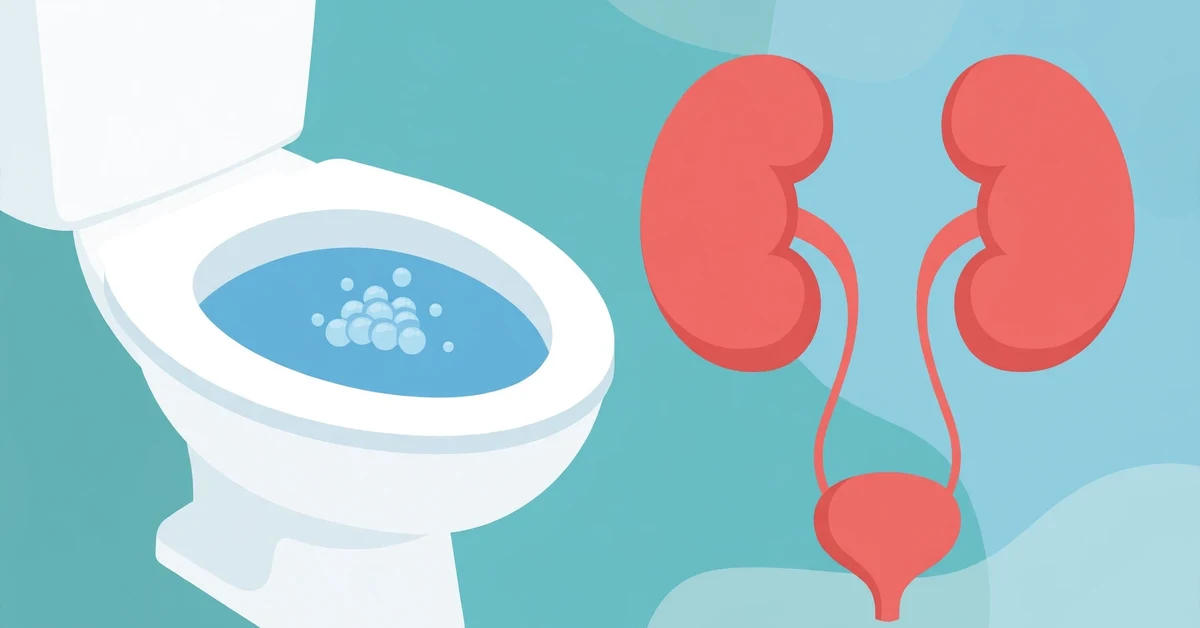
- Bubbles vs. foam: the difference that decides everything
- Normal reasons your urine bubbles
- A quick self-check you can do at home
- When bubbles mean protein in your urine
- Bubbles in urine when pregnant
- Bubbles in urine but no protein found
- What a urine test actually checks
- When to get bubbles in urine checked
- Frequently Asked Questions
- Are bubbles in urine normal?
- How long should bubbles in urine last?
- Do bubbles in urine mean kidney failure?
- Can protein shakes or a high-protein diet make urine foamy?
- Should I worry about bubbles in urine during pregnancy?
- References
You flush, you glance down out of habit, and there they are: bubbles. A little cluster of them sitting on the surface, looking back at you. Were they there yesterday? Is that… normal?
Here’s the honest answer first: bubbles in urine are usually nothing. A strong stream, a full bladder, a dry day, the blue tablet in your toilet tank – all of them can do it, and none of them says a word about your kidneys.
The version worth your attention looks different. It’s foam – fine, stacked, stubborn – and it shows up day after day. That pattern can be an early sign of protein leaking into your urine, and protein doesn’t belong there in any real amount.
So the whole question with bubbles comes down to one thing: how long do they stick around?
Bubbles vs. foam: the difference that decides everything
Bubbles and foam get used as the same word, but in the bowl they behave like two different substances.
Bubbles are plain physics. Your stream hits the water, traps air, and the air escapes. The bubbles are biggish, clear, uneven – and they pop. Seconds. Gone.
Foam is chemistry. When protein – mostly albumin, the main protein in your blood – gets into urine, it acts like soap: it lowers the surface tension of the liquid, so tiny bubbles hold their shape instead of collapsing. The result is a fine, dense layer, sometimes stacked two or three bubbles deep, that can sit in the bowl for minutes.
Think beer head versus soda fizz. Soda fizzes and settles. A beer keeps its head.
| Bubbles (usually harmless) | Foam (worth checking) | |
|---|---|---|
| What it looks like | Larger, clear bubbles, scattered or ringed around the edge | Fine, white, dense layer of tiny bubbles, sometimes stacked |
| How long it lasts | Pops within seconds; gone in under a minute | Still sitting there several minutes later |
| Usual cause | Stream force, concentrated urine, cleaning products in the bowl | Protein in the urine (proteinuria) |
| What to do | Nothing, if it comes and goes | Mention it to a doctor, especially if it happens most days |
One more thing: nobody can diagnose anything from a toilet bowl. Even doctors can’t. Foamy-looking urine is a clue, not a conclusion – in one study of 72 people who saw a kidney specialist about foamy urine, only about one in five turned out to have significant protein in their urine. The rest had ordinary explanations. That one in five is why persistent foam deserves a cheap, painless urine test instead of a shrug.
Normal reasons your urine bubbles
Most bubbles have boring explanations. Boring is good.
A fast, full-bladder stream. The first pee of the morning is the classic. You’ve held it for eight hours, the stream comes out hard, and it whips air into the water like a faucet held too high over a sink. Men who stand to pee see more of this for the simplest of reasons: the stream falls further.
Dehydration. Concentrated urine is darker, stronger-smelling, and a bit more bubble-prone. If your pee looks like apple juice instead of pale lemonade, drink a couple of glasses of water. For most people, that’s the whole fix.
Toilet cleaners. Tank tablets, bleach blocks, the residue of last night’s scrub – they’re surfactants, soap’s chemical cousins, and they’ll foam for anyone. The giveaway: it happens in one toilet and not others.
Exercise, fever, and the post-workout shake. Hard exercise and a fever can push a small amount of protein into urine for a day or so, and a very high-protein meal or shake can do a milder version while your kidneys process the extra load. It settles on its own.
Semen in the bladder (men). Right after ejaculation, a little semen can mix with urine and make it look bubbly for a trip or two. There’s also retrograde ejaculation – semen flowing backward into the bladder instead of out – which Cleveland Clinic lists among the lesser-known causes of foamy-looking urine in men.
A quick self-check you can do at home
This won’t diagnose anything. What it does is sort the physics from the chemistry, so you know whether you’re looking at a plumbing artifact or a pattern.
- Flush first, then wait. Flush and let the bowl refill and settle before you go – that takes cleaner residue out of the equation. (In-tank tablets keep dissolving into every refill, so run this check at a toilet without one if you can.)
- Take the force out of it. Sit down, or aim at the side of the bowl above the waterline. If the bubbles mostly vanish, force was your culprit.
- Time it. Watch the clock. Stream bubbles pop within seconds and are gone inside a minute. A foam layer that’s still there after five minutes is a different animal.
- Repeat on three mornings. One foamy morning means little – first-morning urine is the most concentrated of the day. Foam that shows up three days running, especially later in the day, is the pattern to act on.
Want a cleaner read? Pee into a clear glass instead of the bowl – no cleaner, no long fall, no splash physics. Foam that forms in a glass, and holds, is foam worth mentioning.
When bubbles mean protein in your urine
Now the part that matters.

Each kidney holds roughly a million tiny filters called nephrons. At the head of each sits a glomerulus – a knot of tiny blood vessels wrapped in a membrane whose pores let water and waste through while holding back blood cells and protein. Albumin is big. It stays in the blood. That’s the design.

When those filters get damaged – scarred, inflamed, worn down – albumin starts slipping through. A little at first. Then more. And because albumin behaves like soap in water, the urine foams. That leak is called proteinuria, and it’s one of the earliest detectable signs of kidney disease, often showing up years before you’d feel a thing.
The two biggest filter-damagers, by a wide margin, are diabetes and high blood pressure. Years of high blood sugar injure the glomeruli’s delicate vessels; years of high pressure strains them mechanically. Both top every authority’s list. Behind them come kidney inflammation (glomerulonephritis), lupus and other autoimmune diseases, kidney infections, and certain medications that are hard on the kidneys.
Bubbles aren’t the only change worth noticing. Persistently cloudy urine has its own list of causes – infection high among them – and the two sometimes arrive together when a urinary tract infection is stirring things up.
Bubbles in urine when pregnant
Pregnancy changes the math on a lot of symptoms, and this is one of them.
A bit of bubbliness in pregnancy is common and usually innocent. You’re drinking more, your kidneys are filtering for two, and your bladder gets squeezed into some forceful trips to the bathroom. Stream physics still applies.
But protein in the urine is one of the things prenatal care actively hunts for. It’s why you’re asked for a urine sample at every appointment: proteinuria, together with high blood pressure after week 20, is a defining sign of preeclampsia – a complication that can escalate quickly, often before you feel anything wrong. The urine test catches what you can’t.
So if you’re pregnant and the foam is new, persistent, or getting worse, don’t file it under “weird pregnancy stuff.” Mention it at your next visit – or sooner. Call the same day if foamy urine arrives with a bad headache that won’t quit, swelling in your face or hands, changes in your vision, or pain under your right ribs. Those combinations are preeclampsia’s calling cards, and they’re treated as urgent for a reason.
Bubbles in urine but no protein found
Maybe you’ve already done the test. Dipstick: negative. And the bubbles are still there, smug as ever. What gives?
A few things, usually.
First, the dipstick has limits. It mostly detects albumin, and it needs a fair amount of it. A small leak – the kind an albumin-to-creatinine ratio test can pick up – can slide under a dipstick’s radar, and a very concentrated sample can muddy the reading in either direction. A negative dipstick is reassuring – but not always the last word.
Second, the boring causes don’t stop being true just because you tested. Force, concentration, cleaner residue – recheck them honestly, ideally with the glass test above.
Third, other things fizz. A urinary tract infection can add bubbles to urine, sometimes before the classic burning starts. In men, semen in the urine after ejaculation – or retrograde ejaculation – can keep urine looking foamy. And there’s a rare one worth knowing: pneumaturia, actual gas in the stream, which you feel as much as see – a sputtering, gurgling sensation. That one always deserves a mention to a doctor; it can point to an abnormal connection between the bowel and bladder.
If your dipstick was negative but the foam is daily and unexplained, the reasonable next step is asking about an ACR test – not repeating the same dipstick and hoping for a different answer.
What a urine test actually checks
Two tests do most of the work here, and they don’t measure the same thing.

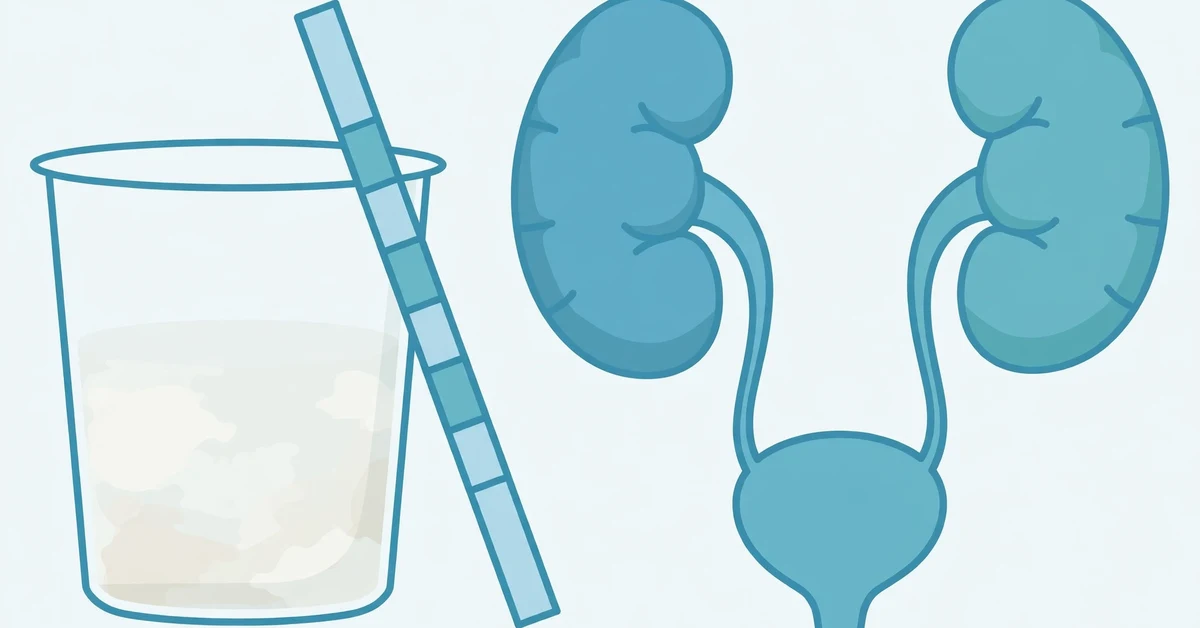
The dipstick is the fast one. A chemical paper strip goes into your sample, and the protein pad changes color if albumin is present. Sixty seconds, done. It’s a good screen and a blunt one: it reacts to concentration as well as content, so a strong sample can read high and a dilute one low. Doctors treat a positive dipstick as a “look closer,” not a verdict.
The urine albumin-to-creatinine ratio – ACR, or uACR – is the precise one. It measures albumin against creatinine, a waste product your muscles shed at a steady rate. Because creatinine corrects for how concentrated the sample happens to be, the ratio gives a much truer picture of how much albumin your kidneys leak per day. MedlinePlus puts the normal line at under 30 mg of albumin per gram of creatinine. Between 30 and 300 is moderately increased – the early-damage zone you may see called microalbuminuria. Above 300, the leak is severe: macroalbuminuria.
One abnormal result still isn’t a diagnosis. Exercise, fever, a UTI, even a heavy period can bump albumin up for a day. That’s why the test gets repeated – typically a couple more times over the following three to six months – before anyone calls it chronic. Persistent is the word that matters, in the bowl and on the lab slip alike.
When to get bubbles in urine checked
Book a routine appointment if:
- The foam is there most days for a week or more, and your home checks point to foam rather than bubbles.
- You have diabetes or high blood pressure and haven’t had a urine ACR in the past year. Foamy or not, that test belongs on your calendar anyway.
- The foam is new and steadily getting worse.
Get checked promptly – days, not weeks – if bubbles or foam come with:
- Swelling in your feet, ankles, hands, or around your eyes, especially in the morning
- Urine that looks pink, red, or cola-brown
- Peeing much more, or much less, than usual
- Burning when you pee, or a fever alongside it
- Unusual fatigue, nausea, or a fading appetite that doesn’t lift
And if you’re pregnant, the same-day list from the pregnancy section applies: bad headache, vision changes, face or hand swelling, upper-belly pain. Don’t wait on those.
Bottom line: bubbles are weather; foam is climate. Weather passes. Climate is a pattern – and patterns are what tests are for.
Frequently Asked Questions
Are bubbles in urine normal?
Usually, yes. Bubbles that appear when your stream hits the water and pop within seconds are a normal result of force, a full bladder, or concentrated urine. Foam that lingers for minutes and returns day after day is the pattern worth a urine test.
How long should bubbles in urine last?
Harmless bubbles pop within seconds and are gone in under a minute. If a layer of fine foam is still sitting there after about five minutes, that’s the protein-style pattern. One episode means little; the same thing on three or more days in a row is worth mentioning to a doctor.
Do bubbles in urine mean kidney failure?
No. Persistent foam can be an early sign of protein leaking through the kidney filters, and early kidney damage is not kidney failure – it’s the stage where treatment does the most good. A urine test is the only way to know which group you’re in.
Can protein shakes or a high-protein diet make urine foamy?
Temporarily, a little. A heavy protein load gives your kidneys extra waste to process, and hard exercise does something similar; both can nudge a small amount of protein into urine for a day or so. If the foam tracks with gym days and clears on rest days, that’s the likely story. Daily foam, gym or not, needs a test.
Should I worry about bubbles in urine during pregnancy?
Mention them, don’t just worry about them. Occasional bubbles are common in pregnancy, but because protein in the urine is a key sign of preeclampsia, persistent new foam should be reported to your prenatal care team. Foamy urine plus a bad headache, vision changes, or swelling in your face or hands is a same-day call.
This article is general information only and is not medical advice. If you’re concerned about changes in your urine, a clinician who can test a sample will give you a better answer than any webpage – including this one.
References
- Cleveland Clinic. Foamy Urine: Bubbles, Causes, Diagnosis & What’s Normal .
- Cleveland Clinic. Protein In Urine (Proteinuria): Causes, Symptoms & Treatment .
- MedlinePlus. Microalbumin Creatinine Ratio .
- National Institute of Diabetes and Digestive and Kidney Diseases (NIDDK). Albuminuria: Albumin in the Urine .
- American Kidney Fund. Protein in Urine (Proteinuria): Symptoms, Causes, Tests and Treatments.



Related Posts
Cloudy Urine: Causes, When It's Harmless and When to Get Checked
Nov 20, 2026 • 31 min read
Peeing with an Erection Isn’t ‘More Difficult Than Childbirth,’ But It Can Be Challenging
Sep 5, 2026 • 20 min read
Can Apple Cider Vinegar Treat Kidney Stones?
Sep 6, 2026 • 36 min read
Condom Catheters: How and When to Use
Sep 24, 2026 • 5 min read
Asking for a Friend: Are ‘Hangover Shakes’ Normal?
Sep 25, 2026 • 25 min read