

Right Where It Starts
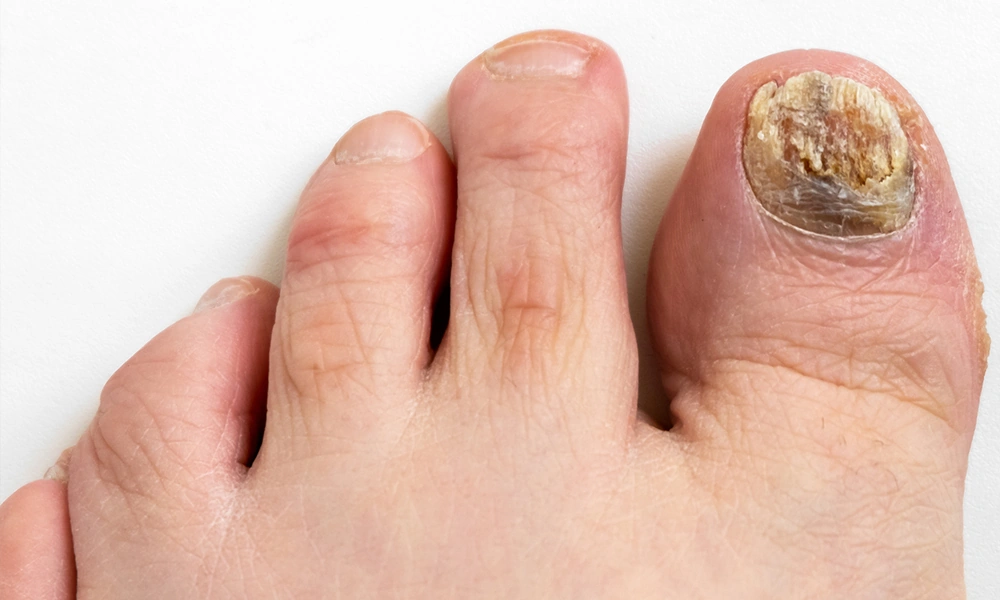
Let me take you back to last summer. My friend Emma was just trying to enjoy open-toed shoes for the first time in ages—except her big toe had other plans. The nail was a weird shade of yellow, kinda thick, flaking off in spots. She ignored it, brushed it off as “athlete’s foot or something silly.” Well, fast forward a few weeks and the poor thing basically lost her toenail at a pool party. (She still blames the communal shower for triggering it.) Honestly, have you ever had something similar happen—or maybe you’re quietly dealing with it right now?
Toenail fungus is sneakier than most folks realize. It’s not just a cosmetic issue. It’s persistent, slow, a little embarrassing, and pretty much a test of patience. But the amazing part? Your body’s totally wired to regrow that nail. Yes, really—brand new nail, straight from scratch. But nobody tells you what the ride actually looks or feels like, do they? Let’s break down the stages of toenail growing back after fungus, using real-life stories, easy tips, and just a smidge of hope.
Why Is This So Slow?
Okay, so picture this: Fingernails are like eager overachievers in the nail world. They’ll grow back in four to six months, easy. But toenails? Think of them like the chill friend who takes a year to text you back. According to research on regrowth timelines, you’re looking at a solid 12 to 18 months for a toenail to fully grow back after fungus. (Sounds dramatic, but it’s true.)
Why the dramatic timeframe? Toenails just get less blood flow than fingernails, and, let’s be honest, we practically torture them all day with shoes, moisture, and—let’s admit it—the occasional stub on a coffee table. Fungus loves dampness, darkness, and any small cracks or cuts it can sneak into. Have you ever looked at your shoes and just wondered what’s brewing down there? Me too.
What Makes Your Toenail Vulnerable?
Seriously, fungus is like that friend who never goes home—especially if your feet are sweaty, you wear tight shoes, or you brave gym showers barefoot. Toss in factors like diabetes, poor blood flow, or just plain bad luck (“thanks, genetics”), and suddenly a tiny yellow spot can take over a whole nail according to nail health research.
Personal Story
Remember Emma? For her, it started with one tiny yellow line after a hiking trip, and then? Boom. The entire left side of her toenail was flaking by Christmas. Lesson learned: Early care matters.
Your Nail’s First Comeback
Alright… so, let’s say you finally go after the fungus. Maybe you tried some at-home remedies, doubled down on those anti-fungal creams, or even checked out tips on What kills toenail fungus instantly. (I can’t be the only one who’s Googled this at 2am, right?) Once you tackle the infection—whether with medicine or home care—the regrowth process is on. But it’s not exactly magic. It goes something like this…
The First Few Weeks: The Blank Slate
After the offending fungus is (mostly) toast, your poor toe looks… kind of tragic. Sometimes the old infected nail has to be trimmed away, and suddenly you’re staring at a raw nail bed. TMI? Maybe. But hey, it happens to the best of us.
In the first stage, a thin, almost ghostly layer of new tissue (keratin, technically) starts to form over the nail bed. It’s not strong, or pretty, or even close to “normal”—but it’s a start. Emma likened it to cling film. Actually, she said: “My toe looks like it’s wearing a raincoat.” Kind of accurate, actually.
Table: Sock Choices Matter (Seriously)
| Material | Breathability | Fungus Risk |
|---|---|---|
| Cotton | High | Low |
| Synthetic | Medium | Medium |
Why do I share this? Because swapping out synthetic socks for cotton makes a difference! Moisture-wicking, all the way. Even if it sounds fussy.
Hygiene: Your New Best Friend
I know, I know, everyone says “keep it clean,” but really, don’t skip this. If the area gets reinfected, it’s like pressing “reset” on your nail saga. Dry your toes carefully, air them out, and treat yourself—literally and figuratively.
Your Nail Peeks Through
This is always the most exciting stage: a couple months in, you start to see the tiniest sliver of healthy nail pushing its way up from the base of your toe. Is it weird to celebrate millimeters? I say: Nope. In fact, let yourself feel proud.
Visually, new nail will look clearer, less yellow, and so much smoother than the mess you just dealt with. Imagine the joy when you realize, “Wait, this isn’t gross anymore!” At around 2-3 months, progress really kicks in. Want a visual at this stage? Honestly, Stages of toenail growing back pictures are an amazing sanity-check. (Don’t scroll right before bed, though—some of those before pics are rough!)
Emotional Rollercoaster: Real Talk
I’ll be real with you—Emma was so self-conscious at this point. She’d check the nail every day, convinced it was taking forever. Do you ever get that way? The trick is not to freak out if the new nail looks extra thin or a little bumpy. It thickens and evens out with time. Even the bravest toes have an awkward phase.
A Little TLC Helps
This is when gentle “self-care” really matters—think soaking your feet and skipping nail polish for a while. (Sorry, but yes, your toes want a break from fake colors.) Swap stories with friends who’ll send you memes instead of lectures, too. That helps.
Midway: Looking (Almost) Normal
Fast forward to months 6-9… you’re halfway there, friend! At this stage, the new nail is probably about half grown. It’s thicker, looks more like the original—all good signs. But sometimes it’ll still be uneven, or a little lumpy.
For Emma, this was “the Hobbit toe” era. Still hiding it in sandals… but it finally stopped breaking and catching on socks. Little victories, right?
Is Yours Growing Back Evenly?
Wondering if your nail’s normal? Think about length and color. It might look weird if the infection damaged the nail root (matrix), but for most people, the growing nail will catch up eventually according to podiatry advice. If you’re worried, check those Stages of toenail growing back pictures and see where you match up. Don’t be shy about asking your podiatrist if something feels off.
Need a DIY Boost?
Foods high in biotin (think eggs, nuts, avocado) and keeping your circulation up (hello, toe wiggles and walks) can gently speed things up. Some people swear by gentle buffing or natural oils like tea tree—keep them gentle though, especially if you’re sensitive.
The Long Finish Line
Now buckle in—months 12 to 18, you’re in the home stretch! This can honestly feel like the slowest part. But here’s the deal: if your nail is healthy, pain-free, and the same color as your other nails, you did it. Fungus should be long gone, and your toe’s ready for summer. (Or socks-and-sandals if that’s your vibe—no judgment.)
What If It’s Not Perfect?
Sometimes, the new nail can look a little “off” if the matrix (the base where your nail grows) was scarred by the fungus. Maybe it has ridges, or is a bit wavy. Emma always said, “It’s got more personality now!” It might not look like magazine feet, but it’s strong and healthy—which honestly matters so much more.
See a Pro When…
If it’s still discolored, really thick, or not growing much at all (like, no change for several months), it’s worth seeing a podiatrist. Persistent fungus can dig in deep, sometimes requiring a new approach or prescription-strength remedies. Also, keep an eye out for soreness, spreading redness, or discharge. Safety first.
Real Life: Uncle Joe’s Story
My Uncle Joe’s nail grew back a funny shape after years of ignoring an infection (classic stubborn-dad move). But after he switched to open shoes, let it breathe, and treated it properly, even his wonky nail looked and felt a ton better. Bottom line: It’s almost never “too late” to see improvement.
Keeping Nails Happy (And Fungus-Free)
I know, fungus talk isn’t exactly fun at a dinner party, but here’s what helps your whole foot health journey (and seriously lowers your odds of reliving the saga):
- Choose roomy, breathable shoes—rotate pairs if you get sweaty.
- Change your socks daily, and go for cotton or moisture-wicking fabrics when possible.
- Keep your nails trimmed short, but stop before it hurts (ouch). Use your own nail tools, please. No sharing!
- If you hit the gym or pool, wear sandals in the shower area. No shame in being the “cautious” one.
- Try not to cover your toes with polish when they’re healing—it might slow the process (sad, but true).
If you ever wonder if the fungus is on its way out—or want more reassurance in the healing phase—What kills toenail fungus instantly is packed with speedy options. And for inspiration (or moral support!), scrolling through Stages of toenail growing back pictures just feels validating.
Ready for Sandals Again: Wrapping It Up
If you’ve made it this far, honestly, you deserve a gold star—and maybe a foot massage, too. Here’s the thing: The stages of toenail growing back after fungus aren’t glamorous. You’ll probably feel impatient, self-conscious, and “over it” more than once. But I promise, your body’s doing its best to rebuild. Give your feet a little extra TLC. Enjoy those small milestones—first clear edge, first pain-free hike, first day you forget to even check your toe. If things feel stuck, get curious, seek help, and check out tips on What kills toenail fungus instantly—you don’t have to go it alone.
Truth is, your toes will carry you through a lot in life. Take care of them, and, maybe, share your own comeback story. (Seriously. I’d love to hear it.) So, what’s been your weirdest or most triumphant toenail moment? Let’s make the internet just a little less awkward by talking about what real feet look like on the mend. You got this!



















Leave a Reply
You must be logged in to post a comment.