

You may be able to manage toenail fungus at home using certain essential oils and other products known for their antimicrobial and antifungal properties, such as Vicks VapoRub.
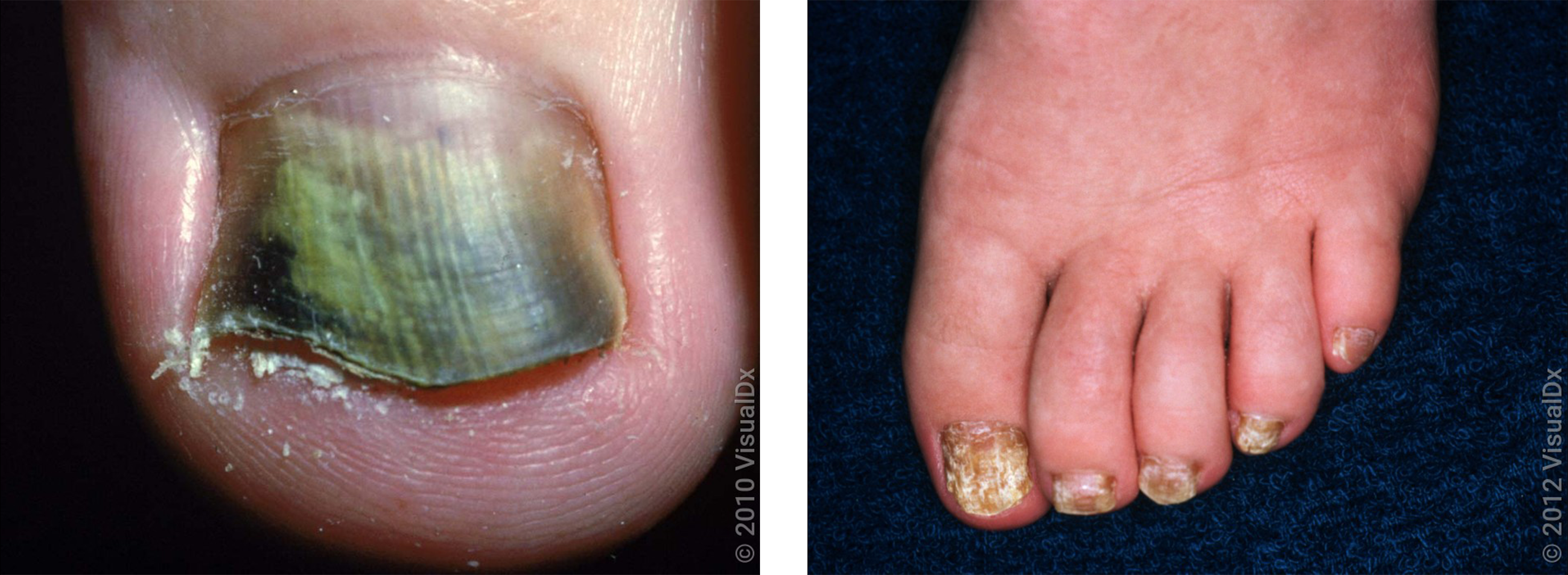
Toenail fungus, medically referred to as onychomycosis, is a widespread fungal infection affecting the toenails. The most visible sign is a white, brown, or yellow discoloration on one or more nails. Over time, the infection can spread, leading to thickened, brittle, or cracked nails.
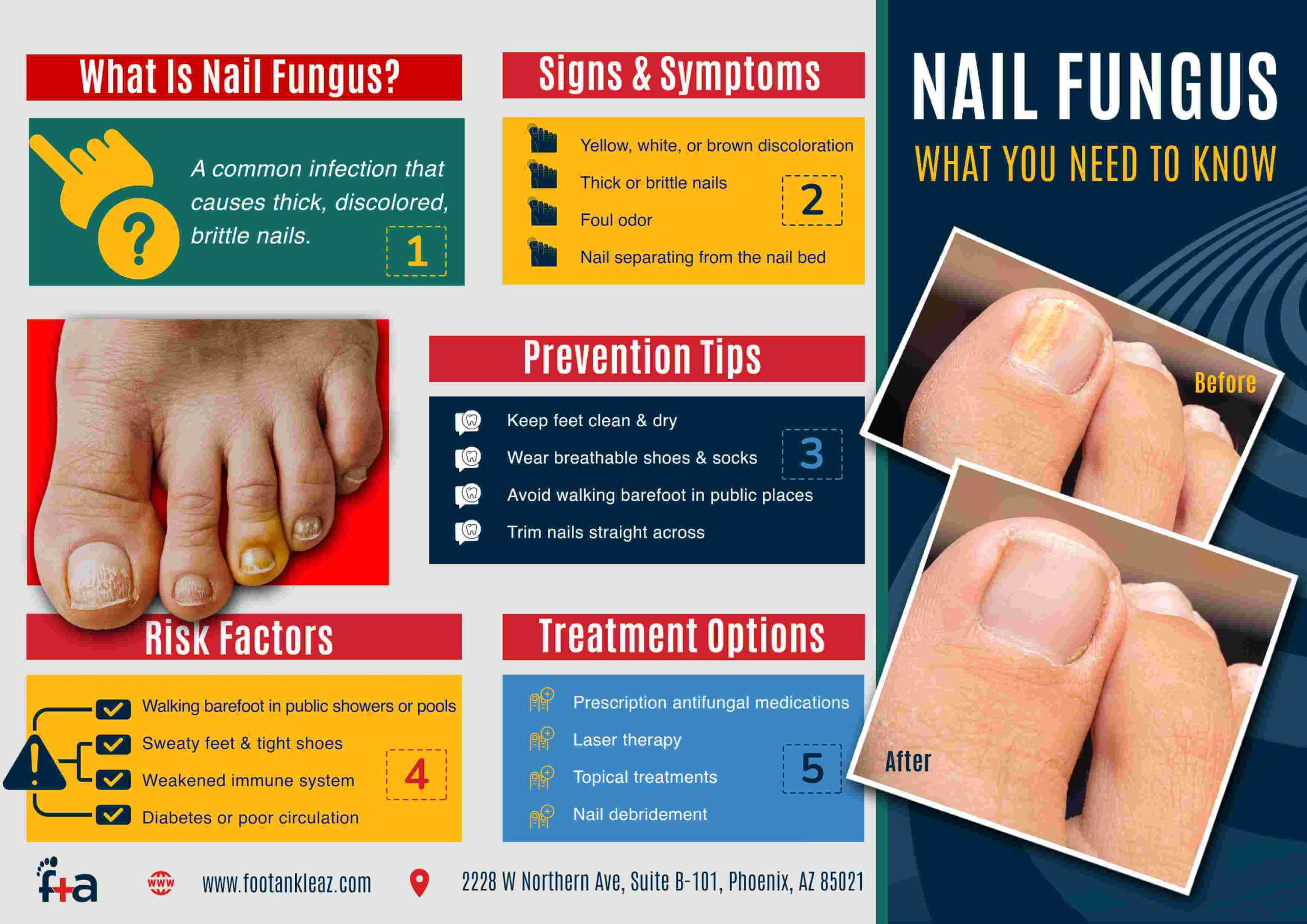
Whether it’s sandal season or not, fungal nail infections are rarely welcome. Many people searching for What kills toenail fungus instantly hope for a fast and reliable solution. While some treatments may speed improvement, most remedies—natural or prescription—require consistency and patience. Below are evidence-based home approaches that may help reduce fungal growth and support healthier nail regrowth.
What home remedy kills toenail fungus?
If you’re wondering about What kills toenail fungus instantly, it’s important to understand that no home treatment works overnight. However, several at-home options have shown antifungal activity and may help manage mild-to-moderate infections when used regularly.
Here are 10 home remedies commonly used for toenail fungus:
1. Vicks VapoRub
Vicks VapoRub is a topical ointment primarily formulated for cough suppression. Its active ingredients, camphor and eucalyptus oil, may also provide antifungal benefits.
An older 2011 study reported a “positive clinical effect” when Vicks VapoRub was used for toenail fungus. Another 2016 study involving people living with HIV supported these findings.
To use, apply a small amount directly to the affected nail at least once daily. Consistent application over several months may be necessary to see visible improvement.
2. Snakeroot extract
Snakeroot (Ageratina pichinchensis) extract is a plant-derived antifungal from the sunflower family.
An older 2008 study found the extract to be as effective as the antifungal medication ciclopirox in treating toenail fungus.
In the study protocol, the extract was applied every third day during the first month, twice weekly in the second month, and once weekly in the third month. A 2020 study involving people living with diabetes mellitus confirmed similar outcomes.
3. Tea tree oil
Tea tree oil, also known as melaleuca, is an essential oil recognized for its antifungal and antiseptic properties.
According to the National Center for Complementary and Integrative Health (NCCIH), small clinical trials suggest tea tree oil may be beneficial against toenail fungus.
Apply tea tree oil directly to the affected nail twice per day using a cotton swab. Regular use may help reduce fungal spread and support healthier nail growth.
4. Oregano oil
Oregano oil contains thymol. A 2016 review notes that thymol possesses antifungal and antibacterial effects.
To use, dab oregano oil onto the affected nail twice daily with a cotton swab. Some individuals combine oregano oil with tea tree oil, though both are potent and may trigger irritation or allergic reactions. Using them together may increase this risk.
5. Ozonized oils
Ozonized oils—such as olive oil and sunflower oil infused with ozone gas—have been studied for antimicrobial activity.
According to research from 2020, short-term exposure to low concentrations of ozone can inactivate many organisms, including fungi, yeast, and bacteria. This may help limit fungal overgrowth when applied consistently.
6. Listerine mouthwash
Listerine mouthwash may help treat toenail fungus because it contains menthol, thymol, and eucalyptus, which have antibacterial and antifungal characteristics. This explains its popularity as a folk remedy.
Supporters recommend soaking the affected foot in a basin of amber-colored Listerine for about 30 minutes daily. While evidence is limited, some people report gradual improvement.
7. Garlic
A 2019 study indicates that garlic extract may have antifungal properties, though further research is necessary.
You can apply chopped or crushed garlic cloves to the affected nail for 30 minutes each day. Some prefer taking garlic capsules as directed by the manufacturer to avoid odor and simplify use.
8. Apple cider vinegar
Evidence supporting vinegar for toenail fungus is largely anecdotal. A 2017 study suggests apple cider vinegar has antimicrobial properties, but more research is required to determine its direct effectiveness against toenail fungus.
If you choose to try it, soak the affected foot in a mixture of one part vinegar to two parts warm water for up to 20 minutes daily.
9. Probiotics
Research indicates that probiotics may inhibit the growth of various fungi, potentially lowering the risk of infection.
Including probiotic-rich foods in your diet or taking supplements may support overall microbial balance and serve as a preventive measure.
10. Other natural options
Several additional plant-based remedies may offer antifungal effects, according to research. These include:
- spirulina (Arthrospira maxima)
- spruce tree resin
- propolis extract
Regardless of the remedy used, visible improvement depends on healthy nail regrowth. Understanding the Stages of toenail growing back after fungus can help set realistic expectations, as nails may take several months to fully recover.
When to see a doctor
Toenail fungus is often viewed as a cosmetic concern, but in certain individuals, it can lead to more serious complications.
People living with diabetes have a greater chance of developing toenail fungus. Infections can increase the risk of a diabetic foot ulcer.

If you have diabetes or a weakened immune system, avoid self-treating with home remedies. Consult your doctor to determine the safest and most effective treatment plan.
Frequently asked questions
Does hydrogen peroxide help toenail fungus?
According to a study, a new medication A3IS (Mycosinate) that gradually releases hydrogen peroxide was found to be about 40% more effective than amorolfine (Curanail, Loceryl, Locetar, and Odenil) after 6–12 weeks of treatment, and 70% more effective at 6 months. However, Mycosinate may not yet be available for commercial use.
This research did not evaluate applying hydrogen peroxide directly to toenail fungus. The Global Nail Fungus Organization does list it as a possible remedy.
What absolutely kills toenail fungus?
Prescription oral antifungals, such as terbinafine (Lamisil) or fluconazole (Diflucan), are commonly used to treat toenail fungus and often clear the infection more quickly and effectively than home remedies. However, they may cause side effects including upset stomach, dizziness, severe skin problems, and jaundice. For this reason, some individuals prefer to try natural approaches first.
Learn about medical treatments for fungal nail infections.
How do you get rid of toenail fungus fast at home?
If your goal is to eliminate toenail fungus quickly, prescription medication such as fluconazole (Diflucan) from a healthcare professional is typically the fastest route. Natural remedies may ease symptoms and slow fungal growth, but results are not guaranteed and generally take longer.
The bottom line
Home remedies can be helpful for mild-to-moderate toenail fungus, though they typically work more gradually than prescription therapies. While they tend to have fewer side effects, scientific support varies.
Several factors influence treatment success, including nail thickness, severity of infection, adherence to application, and overall health. People searching for What kills toenail fungus instantly should understand that even the most effective treatments require time for the damaged nail to grow out.
Home options may take several months to show noticeable improvement, and recurrence is possible. Keeping your toenails dry, clean, and properly trimmed can help prevent reinfection.
In more advanced cases, toenail fungus can cause pain and permanent nail damage. If home treatments fail or produce unwanted side effects, consult your doctor for further evaluation and care.
















Leave a Reply
You must be logged in to post a comment.