

Essential oils are highly concentrated, distilled extracts taken from specific plants. Some varieties are used as a natural approach to help ease the symptoms of insect bites.
These oils are widely employed today for wellness, cleaning, massage, and other uses. One common application is reducing the discomfort and irritation caused by bug bites.
People seeking a gentler, more natural route for symptom relief often turn to essential oils. They’re used in aromatherapy by diffusing them into the air or mixing them with a carrier oil and applying the blend to the skin.
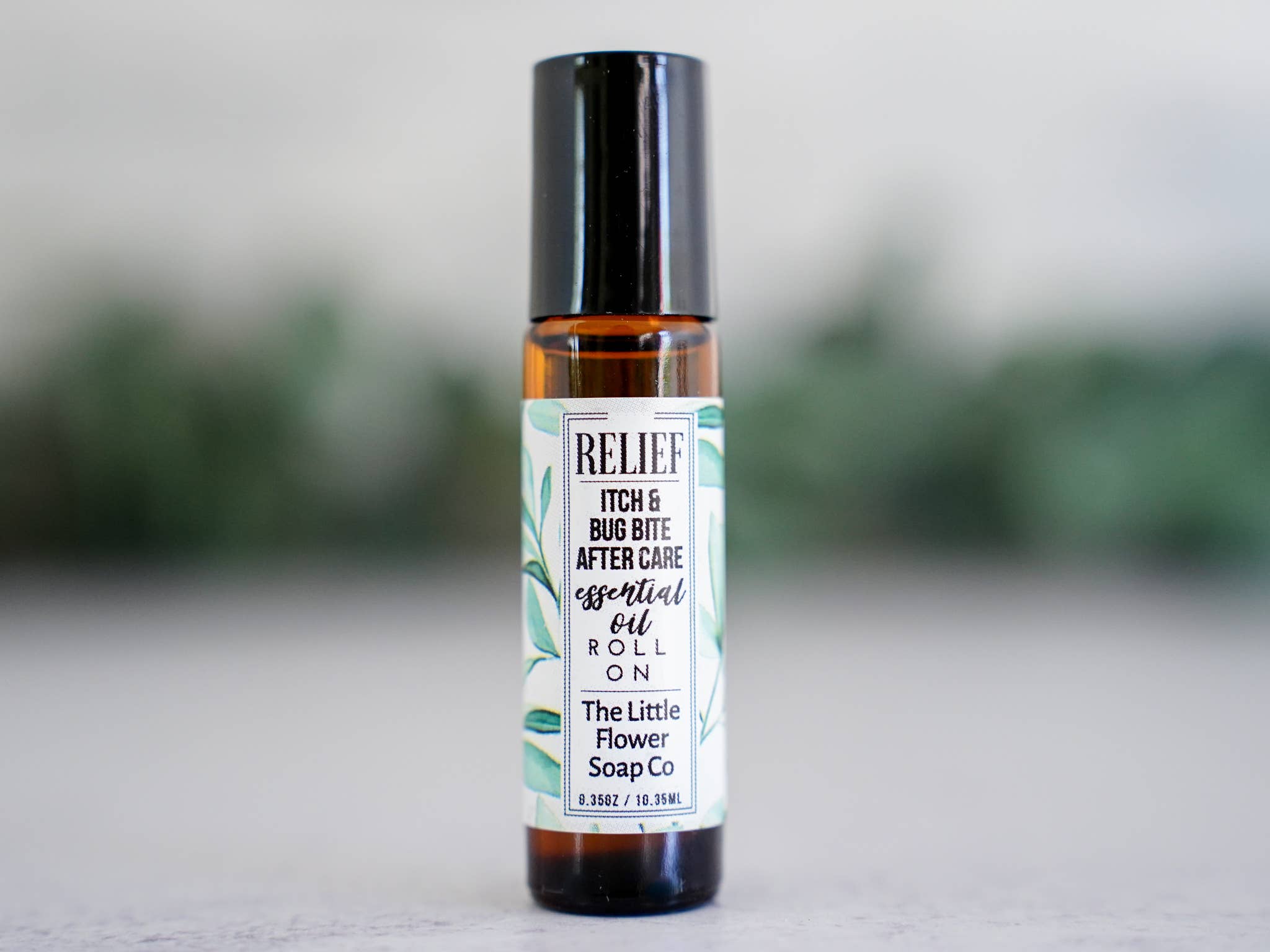
What are the best essential oils for bug bites?
Several essential oils can be helpful for treating insect bites. Common options include:
1. Basil (Ocimum spp.)
Basil offers mild anti-inflammatory benefits that may reduce irritation. Its antimicrobial characteristics can help prevent infections, making it useful for many kinds of bug bites, particularly bee stings.
A 2013 study reported notable anti-inflammatory activity in basil. Although that research was conducted on mice, the essential oil eased symptoms related to arthritic inflammation. Anti-inflammatory traits appear in varieties such as sweet basil, Thai basil, and holy basil.
2. Camphor (Cinnamomum camphora)
Camphor is a cousin of cinnamon and has been used since ancient times to address pain, irritation, and swelling. It can soothe the pain of bug bites by creating a tingling or warming sensation on the skin.
3. Chamomile (Matricaria recutita/chamomilla, Chamaemelum nobile)
Chamomile is commonly included in skincare products and lotions for its calming, emollient effects. For insect bites, the oil can reduce redness, itching, and irritation, and it may help speed recovery.
A 2011 study compared chamomile with a 1 percent hydrocortisone ointment for skin irritation and found that chamomile sped healing while lowering pain, swelling, and itching.
4. Lavender (Lavandula angustifolia)
Lavender is a well-loved essential oil, particularly for treating bug bites. Unlike many essential oils, it can often be applied directly to bites. Lavender provides calming effects similar to chamomile and also offers pain relief.
It’s especially useful for spider bites, fire ant stings, and bee stings. A 2012 study observed significant anti-inflammatory activity at the cellular level. Consider lavender for relief from a range of insect bites.
5. Mint (Mentha spp.)
Mint oils (like peppermint and spearmint) work well when diluted first. They produce a cooling sensation that helps relieve pain upon contact with the skin. Mint oils may also act as insect deterrents, lowering the chance of future bites.
Mint is effective for reducing itching and treating particularly painful bites such as fire ant stings. A 2013 review evaluated peppermint’s anti-inflammatory properties alongside those of another mint species, chocolate mint.

6. Rosemary (Rosmarinus officinalis)
Rosemary oil is another helpful option for easing bug bite pain and may aid in preventing infection. Always dilute rosemary with a carrier oil before applying it to the skin.
A 2011 study in rats found potent anti-inflammatory effects from rosemary, strong enough to reduce inflammation in the colon caused by colitis. More human research is needed to confirm these findings.
7. Tea tree (Melaleuca alternifolia)
Tea tree oil is well known for reducing pain, swelling, and itching. It also has antimicrobial properties that help prevent bacterial infections, making it a useful ally against insect bite discomfort.
Tea tree oil can be used for many types of bites, including those from mosquitoes, ticks, fire ants, spiders, bees, and even bed bugs or fleas.
Its anti-itch effects may be among its most valuable traits. A 2012 trial indicated that tea tree essential oil reduced ocular itching better than some medications.
How do I use essential oils for bug bites?
The method you choose for using an oil on a bite depends on your preference. You can dilute and apply directly to the bite, or put the diluted oil on a bandage to cover the area.
Typical carriers include water (for sprays) or an oil or lotion (for salves). Below are easy, common ways to use essential oils for bites.
Direct application
Do not apply essential oils undiluted. Blend them into a carrier oil — a common ratio is about 5 drops of essential oil per ounce of carrier — then apply the mixture to the skin.
Dilute spray
Most essential oils should be diluted before use to avoid burning or stinging. Applying undiluted oils can exacerbate bite symptoms.
To make a dilute spray, fill a spray bottle with water. Try adding about 3 drops of essential oil and 3 drops of a liquid carrier oil per ounce of water. Shake well before using and spray onto bites for relief.
Ointment
You can make a simple ointment by combining a few drops of essential oil with a carrier such as coconut oil, jojoba oil, or a beeswax salve.
Bath
If you have many bites, an essential oil bath may offer relief. Add approximately 20–30 drops of your chosen oil(s) to the bathwater, then follow up with topical application on the most bothersome spots.
When you should see a doctor
Essential oils can provide meaningful relief for some people, but they may be less effective for others.
If oils don’t alleviate your bite symptoms, consult a pharmacist or physician about alternative treatments. While essential oils can be a natural option, they aren’t a guaranteed cure and won’t work for everyone.
Some individuals may develop sensitivities to certain oils. Always perform a small patch test before applying an oil broadly to your skin.
Different oils can provoke different reactions. If one causes irritation, another oil might be better tolerated.
If you develop a severe allergic response, stop using the oil immediately and seek medical attention for concerning symptoms such as hives or difficulty breathing. People with asthma should be cautious, as essential oils can trigger attacks.
Also be sure you’re not mistaking a potentially dangerous venomous bite for an ordinary insect bite. Bites from venomous spiders like the brown recluse or black widow may first look like common, itchy bites but can become intensely painful or even life-threatening.
If you suspect a venomous spider bite, obtain medical care right away and avoid applying essential oils until a doctor confirms the bite is not from a dangerous species.




















Leave a Reply
You must be logged in to post a comment.