

Vodka is very low in calories and contains no carbohydrates. It’s also gluten-free. A single shot generally contains under 100 calories.
If you’re tracking calories or following a low-calorie eating plan and still want to drink alcohol, vodka can be a relatively low-calorie option.
It also has 0 grams (g) of carbs, which makes distilled vodka a preferred spirit for many people following low-carb regimens.
Keep in mind that sweet mixers can rapidly add calories.
Continue reading to explore more about vodka’s nutrition profile.
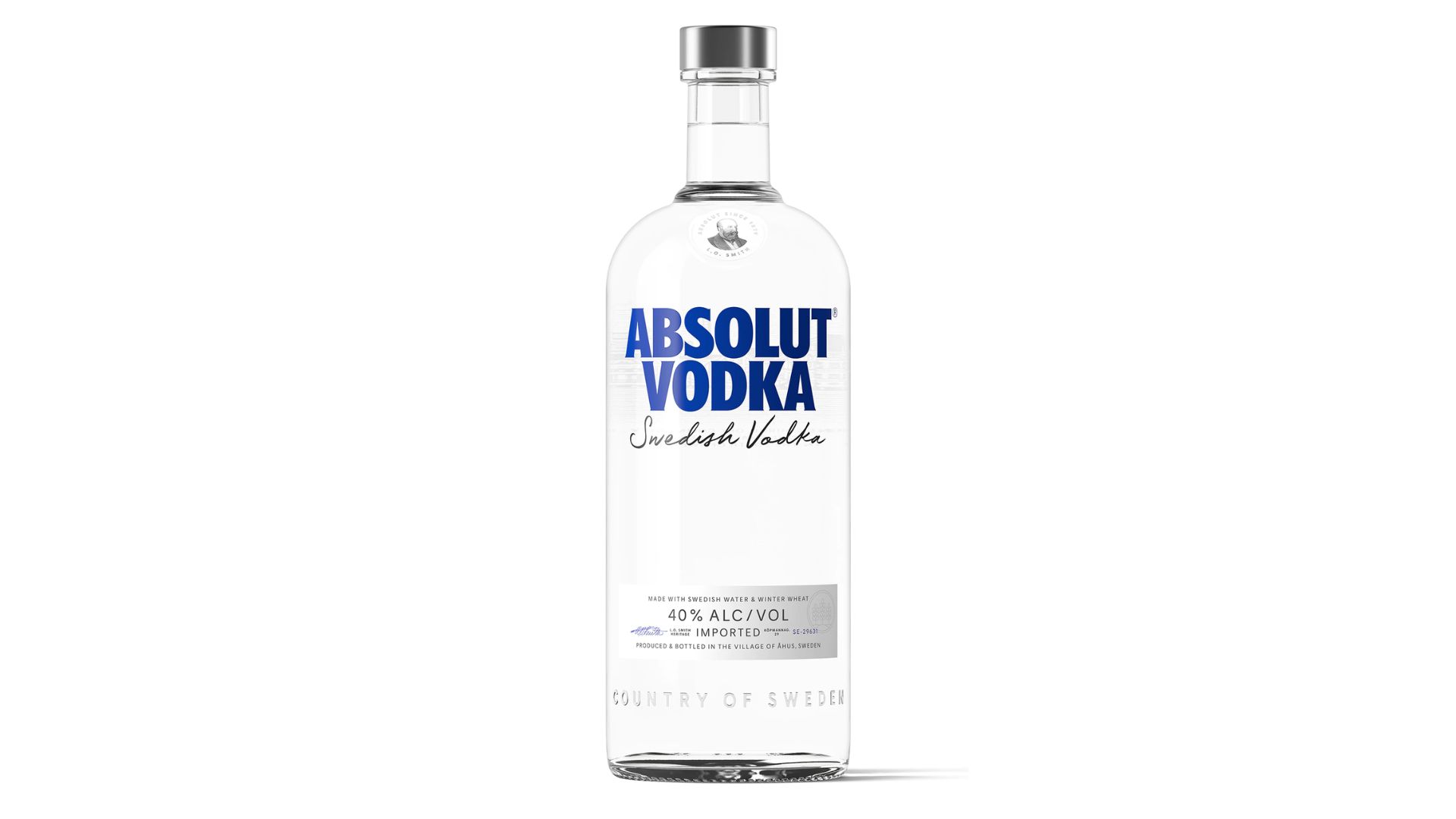
Vodka nutrition facts
Vodka consists essentially of ethanol and water, so it offers minimal nutritional benefit. All of its calories come from the alcohol itself.
Below are the nutrition facts for a 1.5-oz (42 g) pour of distilled vodka at 80 proof (40%):
- Calories: 97
- Sugar: 0 g
- Fiber: 0 g
- Cholesterol: 0 g
- Fat: 0 g
- Sodium: 0 g
- Vitamins: 0 g
- Minerals: 0 g
How many calories are in a shot of vodka?
Compared with many common alcoholic drinks such as wine and beer, vodka is typically lower in calories.
A 1.5-oz (42 g) serving of distilled vodka at 80 proof (40%) contains about 97 calories.
That said, vodka’s calorie amount varies with the spirit’s alcohol concentration.
“Proof” indicates the alcohol percentage in a spirit — higher proof means more alcohol and therefore more calories (and greater effects on your blood alcohol level).
To get the alcohol percent, divide the proof by two. For example, 100 proof equals 50% alcohol, while 80 proof equals 40% alcohol.
For a 1.5-oz (42 g) shot of vodka, calories approximate as follows:
- 70 proof (35%): 85 calories
- 80 proof (40%): 97 calories
- 90 proof (45%): 110 calories
- 100 proof (50%): 124 calories
These calories are derived from the alcohol. Pure ethanol supplies roughly 7 calories per gram. For comparison, carbs and protein contain about 4 calories per gram, and fat about 9 calories per gram.
Thus, alcohol provides nearly twice the calories per gram of carbs or protein and is only slightly lower than fat.
Different vodka brands with the same proof typically have similar calorie counts. For example, a 1.5-oz (42 g) serving of 40% Smirnoff, Grey Goose, or Absolut vodka each provides around 97 calories.
Does vodka have carbs?
Distilled spirits like vodka, rum, whiskey, and gin are composed of alcohol only, so they contain zero carbs.
This may seem surprising since vodka is often made from carbohydrate-rich sources such as wheat or potatoes. However, fermentation and distillation remove the carbs.
If you’re watching carb intake, vodka can be a better option than beverages like beer.
Vodka carbs and calories compared to other types of alcohol
Other distilled liquors — rum, whiskey, gin, tequila — generally contain about the same calorie amount as vodka and have zero carbohydrates.
Of course, the exact numbers depend on brand and proof. Some rums, for instance, include added spices or sugars that alter both flavor and nutrition.
In general, wine and beer pack more calories and carbohydrates per serving than vodka:
| Type of beverage | Calories | Carbs |
|---|---|---|
| Wine (5 oz) | 103 | 5 g |
| Beer (12 oz) | 153 | 11 g |
| Light beer (12 oz) | 110 | 7 g |
| Champagne (4 oz) | 84 | 1.6 g |
Does flavored vodka have more calories?
Flavored vodkas can enhance taste and may remove the need for high-calorie mixers like sodas or fruit drinks.
Vodka can be flavored naturally or artificially with nearly anything — lemon, berries, coconut, watermelon, cucumber, vanilla, and cinnamon are common. Less typical flavors include bacon, whipped cream, ginger, mango, or smoked salmon.
Many infused vodkas don’t have more calories than plain vodka.
However, don’t confuse naturally flavored or infused vodka with vodka-based beverages that have sugary syrups added after distillation. Those often carry extra calories and carbs compared with infused vodka.
For example, a lemonade-vodka cocktail (286 g) can approach 200 calories and contain about 26 g of carbs, nearly all of which are added sugars.
Always check nutrition labels. If info isn’t on the bottle, look on the producer’s website.
Low calorie vodka drinks
Pure vodka has minimal flavor aside from the alcohol burn, which many people find harsh. It’s commonly mixed with other beverages — often sweet juices, sodas, or bitters — to make palatable cocktails.
But many mixers are high in added sugars, carbs, and calories. Examples include:
- Cola: A 12-oz (370 g) can of cola has about 155 calories and 38.5 g of carbs, roughly 36.8 g of which are added sugars.
- Orange juice: One cup (248 g) of orange juice provides about 117 calories and 25.2 g of carbs, including about 20.3 g of sugar.
- Cranberry juice: One cup (253 g) of cranberry juice has about 116 calories and 31 g of carbs, most of which are sugars.
These added sugars can make calorie control more difficult and are linked to chronic issues like obesity, hypertension, and heart disease.
To cut sugar, try mixing vodka with:
- lower-sugar sodas
- soda water or club soda with a squeeze of lemon or lime
- diluted cranberry juice or lemonade
- iced tea
- club soda with mint and a no-calorie sweetener (such as stevia)
For a related calorie comparison when choosing an active option, see how many calories do jumping jacks burn.
Vodka and weight loss
When trying to lose weight, vodka might appear to be an acceptable alcoholic choice, but it can still affect weight in multiple ways.
Alcohol, including vodka, disrupts the body’s fat-burning processes.
Normally the liver metabolizes fats. When alcohol is present, the liver prioritizes breaking down alcohol for energy, delaying fat metabolism. This can promote fat accumulation in the liver and other areas.
Fat oxidation is essentially paused while your body metabolizes alcohol. This phenomenon, often called “fat sparing,” is counterproductive for someone aiming to lose weight.
Alcohol is also viewed as “empty calories” because it offers no nutrients.
Studies indicate that alcohol consumption usually increases daily calorie intake, which can lead to weight gain. Alcohol may also boost appetite and reduce satiety, making you more likely to choose calorie-dense, fatty, or carbohydrate-rich foods.
Read more about alcohol’s impact on weight management.
Frequently asked questions
How many calories are in a 25 mL shot of vodka?
A 25 mL shot of vodka (40%) contains just under 55 calories.
Is vodka the lowest calorie alcohol?
Vodka and other distilled spirits such as whiskey, rum, gin, and tequila are typically the lowest-calorie alcoholic choices.
Is four shots of vodka a day too much?
Guidance from organizations like the National Institute on Alcohol Abuse and Alcoholism (NIAAA) indicates that four shots of vodka in one day is excessive.
This level of intake is considered binge drinking and can have many harmful health effects.
The NIAAA suggests moderate drinking if you choose to drink, defined as:
- Males: Up to two alcoholic drinks per day.
- Females: Up to one alcoholic drink per day.
Even regular moderate drinking can affect both physical and mental health. If you have concerns about alcohol use, consider consulting a healthcare provider for assistance and resources such as Alcoholics Anonymous or SMART Recovery.
The bottom line
Vodka is a relatively low-calorie spirit with no carbs, fat, or sugar, and it provides no significant nutrients. If you want a lower-calorie alcoholic option, vodka is a reasonable pick. It typically has fewer calories and carbs than beer, wine, champagne, and premixed cocktails.
Pair vodka with soda water and a squeeze of lemon or a diet soda to keep calories and carbs down, but always moderate the amount of alcohol you consume.
Avoid drinking vodka or any alcohol while pregnant.




















Leave a Reply
You must be logged in to post a comment.