
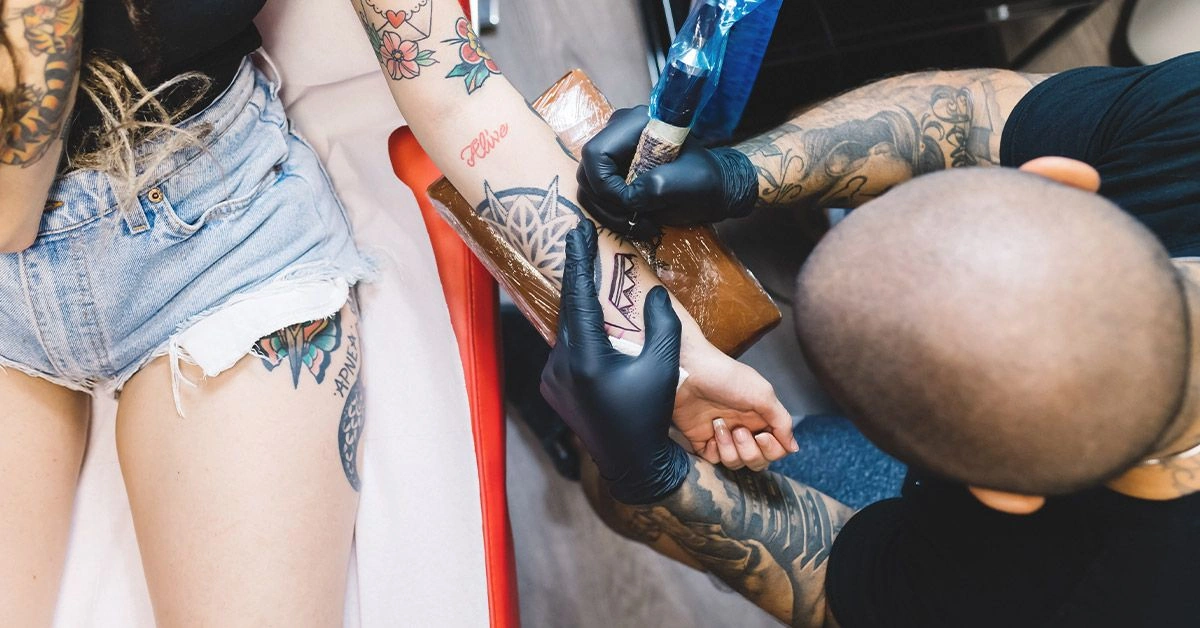
If you’ve ever gotten a tattoo, you may recall your artist using green soap on the skin before starting.
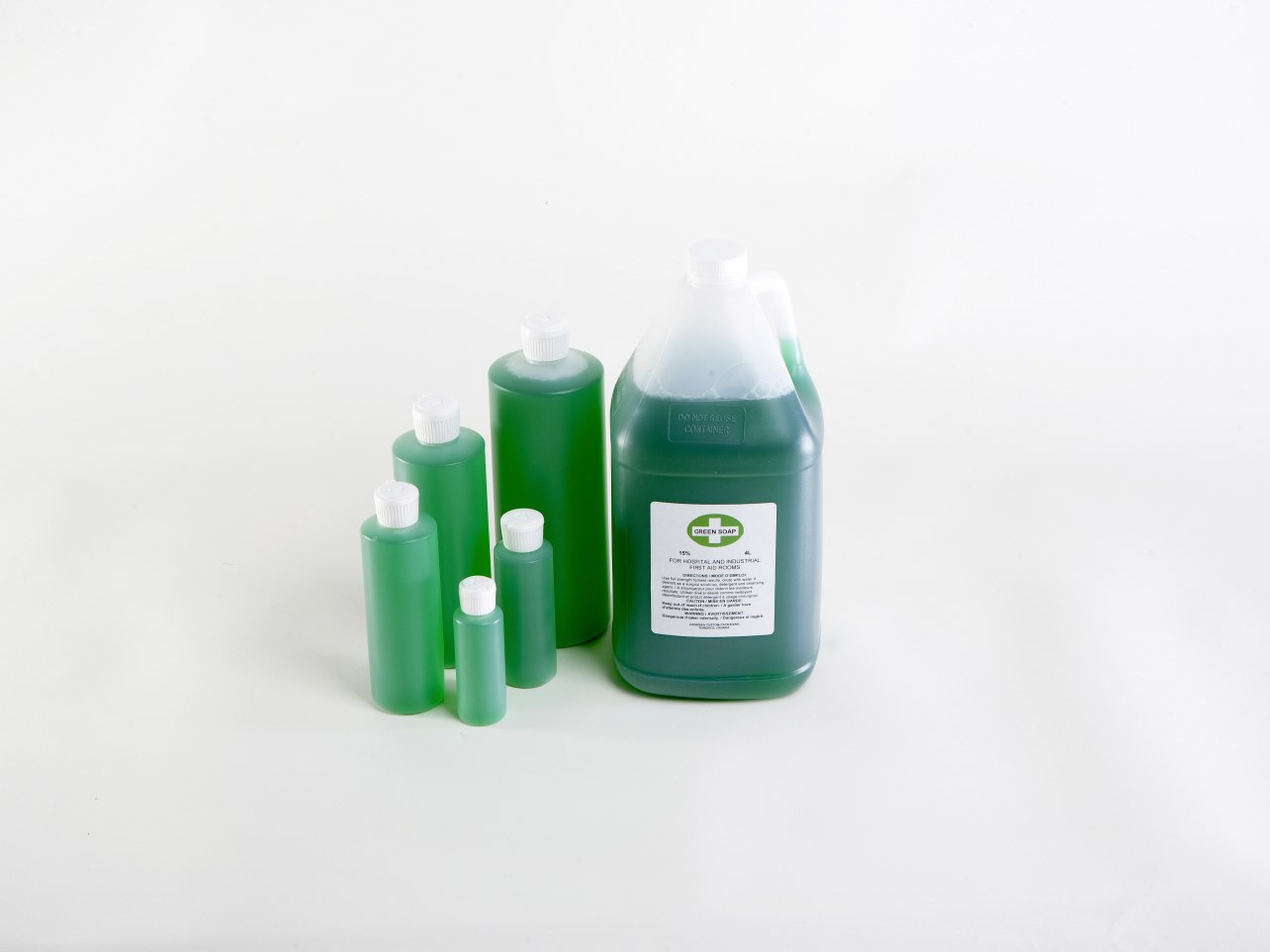
Green soap is an eco-friendly, oil-based soap derived from vegetables. Practitioners use it in clinical settings, tattoo studios, and piercing shops to help cleanse and disinfect the skin.
This plant-derived soap, which has long been a staple in the tattoo world, is generally compatible with most skin types, including sensitive skin, says Channelle Charest, a tattooist from Fresno, California.
Why should I use green soap?
Green soap provides several important advantages.
For one, it can lower your chance of getting an infection after a tattoo.
Infection is one of the main hazards tied to tattoos. A skin infection following a tattoo can cause intense pain, swelling, redness, and raised lesions. Sanitizing the skin with green soap prior to tattooing can help minimize the likelihood of complications or infection.
Beyond infection prevention, green soap’s calming qualities can support the healing process. Additionally, the natural oils in green soap help moisturize and soften skin, getting it ready for the procedure.
It’s useful for equipment too. “Because green soap is noncorrosive, it can also be used to safely soak equipment to loosen dried debris before cleaning and sterilization,” Charest notes.
Green soap alternatives
There are other products that can disinfect skin before, during, and after a tattoo. These may be safer choices if you have an allergy to green soap.
Alternatives include:
- hydrogen peroxide
- sterile water
- alcohol combined with a carrier oil
Many studios prefer green soap because it’s highly effective at removing bacteria and germs from skin. If you’re reactive to any component of green soap, contact the studio ahead of time and inquire about substitute options.
Charest suggests mild, nonirritating, fragrance-free options such as baby soap or unscented antibacterial cleansers.
“It’s important to dilute any of these alternatives with water before using them in the tattooing process and also during aftercare,” she adds.
Green soap uses during tattooing
Each artist has their own routine for preparing skin for a tattoo, Charest says. Below is a typical sequence you might experience.
The artist will:
- Spray the skin with a water-diluted green soap solution. They’ll usually use a spray bottle to avoid directly touching your skin. Less hand contact reduces the chance of contamination.
- Wipe the area with a paper towel. A disposable cloth may also be used. This step readies the skin for shaving.
- Shave the region if needed, then wipe it down again. Removing hair from the tattoo site helps prevent ingrown hairs. Your artist will reapply green soap after shaving to clear away dirt or stray hairs and to moisturize the skin before tattooing.
- Use the diluted green soap solution throughout the tattooing session as needed when wiping the area. “This could be during color changes or simply to cool and clean the skin during extended sessions,” Charest explains.
- Clean and sanitize the skin with the green soap mix at the end of the session. The soap removes any remaining ink or blood from the surface.
- Wrap or dress the freshly tattooed skin. This helps protect the area and keep it hygienic.
Green soap side effects and precautions
Although green soap is environmentally friendly and a natural cleanser, it’s not suitable for everyone.
Possible side effects include:
- Skin irritation. If you’re sensitive or allergic to any components of green soap, irritation can occur. Charest notes that reactions may stem from the vegetable oils or other oils added to the formula.
- Eye irritation. “Artists also need to take care to keep it out of clients’ eyes when tattooing on or near the face, as green soap can irritate the membranes,” Charest says.
- Cross-contamination. There’s a risk of cross-contamination. Bloodborne infections like hepatitis C can be transmitted during tattooing. It’s essential that the spray bottle’s nozzle never touches your skin.
Green soap ingredients
Green soap used by tattoo artists is made from a blend of ingredients. As an eco-conscious soap, it contains natural elements less likely to irritate the skin.
Formulations can vary by brand. Many include vegetable oil and glycerin. Glycerin is a humectant that helps treat and prevent several kinds of skin irritation, such as:
- dryness
- itching
- scaliness
- rough texture
Some versions of green soap combine coconut and vegetable oil and may contain ethyl alcohol or lavender oil.
If you’re allergic to lavender, coconut, or other oils, ask your tattooist about the ingredients in their green soap ahead of time.
Even though green soap can lower infection risk, you might still develop irritation if you’re sensitive to a component in the soap.
Interestingly, despite its name, “green soap” isn’t purely green. It has a greenish tint along with yellow tones from the glycerin and vegetable oil. The product’s name refers to that greenish hue.
Where to buy green soap
Green soap is a professional-grade skin disinfectant.
Typically it’s found in medical settings and used by tattoo and piercing artists. Healthcare workers may use green soap to cleanse their hands before donning gloves for a procedure.
Tattoo artists can source green soap from suppliers of medical or tattoo equipment. Green soap is also available online at large retailers like Amazon and Walmart. If you’re curious about general skin care or making your own cleansing products, see resources on how to make soap.
The bottom line
Tattoos are a personal form of expression, but without proper skin preparation, a new tattoo can become infected.
Green soap, a natural cleanser used to sanitize skin, can contribute to a safer tattooing experience and healthier healing.
















Leave a Reply
You must be logged in to post a comment.