
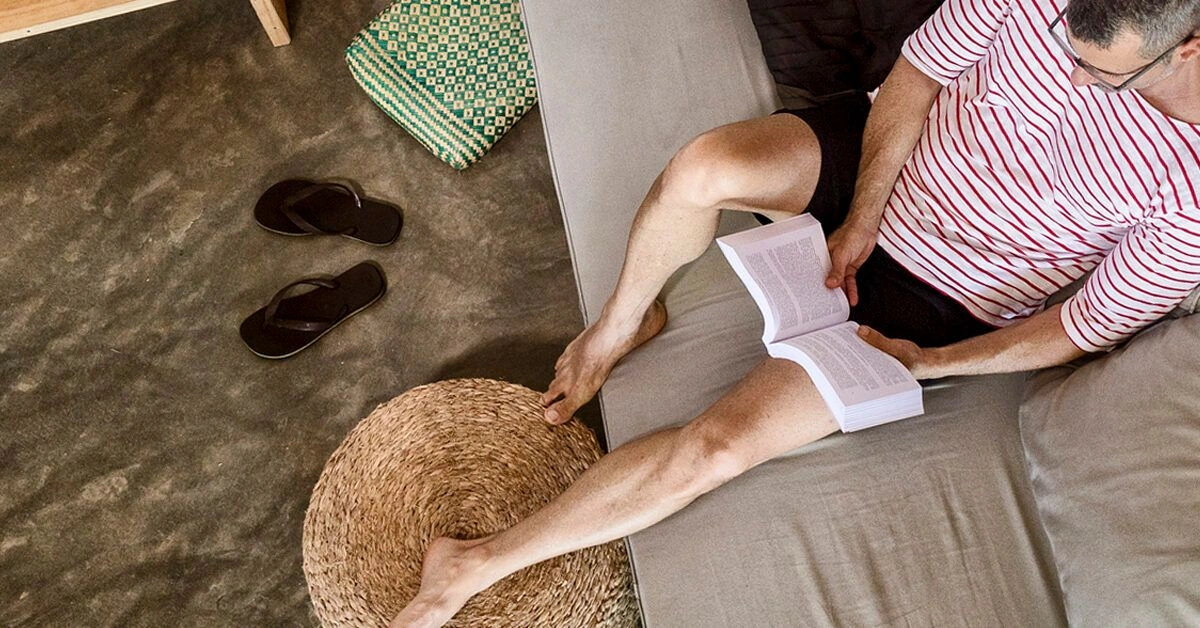
Knee tightness may indicate an injury, arthritis, or weakness in your quadriceps. While gentle stretching and exercise often relieve symptoms, it’s wise to consult a healthcare provider to identify the underlying cause.
Knee tightness and stiffness
Feeling tightness or stiffness in one or both knees is a frequent complaint. Causes include traumatic injuries, mechanical issues, or physical stresses such as excess body weight. Reduced flexibility or muscle weakness can also contribute. Knee tightness is more likely if you’ve had a prior knee injury or if you have conditions like gout, arthritis, or an infection.
Below we outline various reasons for knee stiffness and basic approaches to managing the symptoms that come with it.
Pain, swelling, and knee stiffness
Let’s start with pain: it’s the body’s way of keeping you from aggravating an injury. Pain can limit motion, which in turn leads to stiffness. Ongoing injuries also commonly cause restricted movement.
Swelling occurs when excess fluid accumulates inside the knee because of trauma, overuse, or a medical issue. This buildup can produce a sensation of tightness along with pain. Swelling is sometimes subtle, so you might not notice visible enlargement unless the injury is significant; instead you may perceive stiffness.
Any swelling reduces the available space in the joint and restricts movement. Irritation, internal bleeding, or damage within the knee can lead to fluid accumulation. Conditions such as arthritis, gout, and cysts or tumors may also produce swelling.
Pain and swelling are protective responses your body uses; together they often cause knee stiffness. Next, we’ll review likely causes.
1. Injured ligaments
Ligament damage often results from trauma or hyperextension of the knee. These injuries commonly happen to active people or during sports. If a knee ligament is sprained, ruptured, or torn, internal bleeding can occur, producing swelling, tightness, and restricted motion.
What you can do for an injured knee ligament:
- Rest with the knee elevated above heart level and apply ice regularly.
- Use over-the-counter pain medicines as needed.
- Protect the injured ligament with a splint, brace, or crutches while healing.
- Consider physical therapy or surgical repair for more severe injuries.
2. Injured meniscus
A meniscal injury happens when the cartilage between the knee bones is torn or damaged. This often takes place when the knee is rotated or loaded suddenly — typical in sports with sharp turns and sudden stops. A tear can also occur doing everyday movements like rising quickly from a squat or taking stairs. Degenerative changes like osteoarthritis can also lead to meniscus tears.
A meniscus tear can cause pain and swelling, limit your knee’s full range of motion, and sometimes make the knee feel stuck in a certain position. These movement restrictions contribute to knee stiffness.
What you can do for an injured meniscus:
- Rest with the leg elevated and ice the area several times a day.
- Take nonsteroidal anti-inflammatory drugs for pain and inflammation.
- Use a compression bandage to reduce swelling.
- Avoid weight-bearing on the injured knee and use crutches if necessary.
- Pursue physical therapy or surgical options if recommended.
3. Tightness after knee surgery
Common knee surgeries include:
- ACL reconstruction
- knee arthroscopy
- knee ligament repair
- lateral release
- meniscus repair or transplant
- meniscectomy
- microfracture
- plica excision
- tendon repair
- total knee replacement
Some stiffness after surgery is expected and generally improves with appropriate care. It’s important to follow a rehabilitation plan to rebuild knee strength, stability, and flexibility. Returning to usual activities may take several weeks, and resuming heavy physical tasks can take three to six months.
Use your knee brace and crutches
If you were fitted with a knee brace, ensure it fits correctly — you should be able to slip two fingers under the strap. If you can’t fit two fingers or can fit more than two, adjust the fit. Braces are commonly worn for two to six weeks.
Use crutches when provided and avoid putting pressure on the knee until your clinician clears you. Wait at least two weeks or until advised before bathing in pools or using hot tubs. Maintain a healthy diet and stay hydrated. Eating high-fiber foods like fruits and vegetables helps regular bowel movements, which can be useful when your activity is limited.
What you can do for knee stiffness after surgery:
- Apply ice for 10–20 minutes several times each day.
- Elevate your leg frequently during the initial days of recovery.
- Get adequate rest and sleep while you heal.
- Sleep with your knee elevated.
- Follow your doctor’s postoperative instructions.
4. Osteoarthritis and rheumatoid arthritis
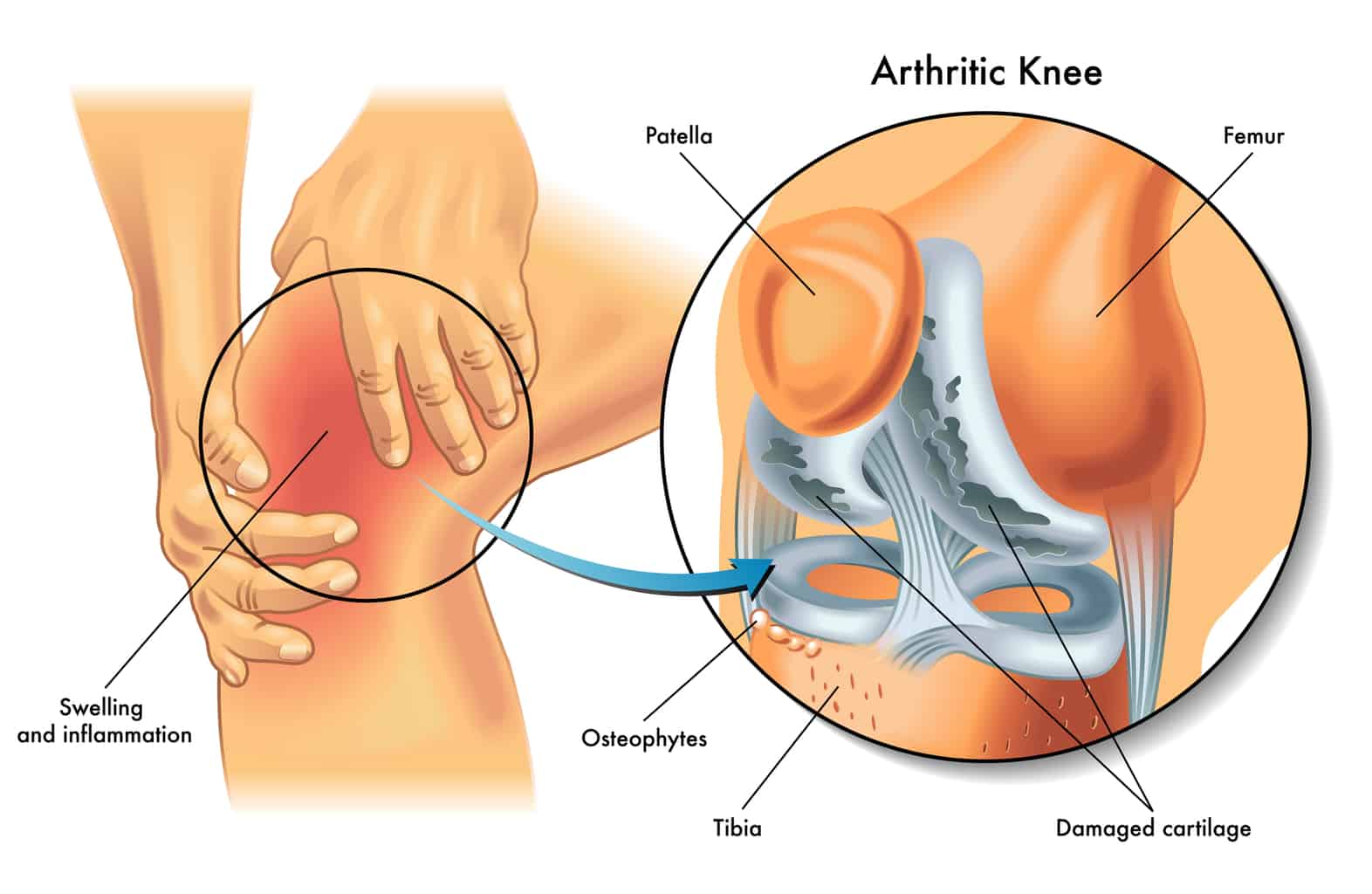
Osteoarthritis and rheumatoid arthritis are two frequent forms of arthritis that can produce knee tightness. Osteoarthritis gradually wears away cartilage, which can result in misalignment. Rheumatoid arthritis attacks the joint lining and causes inflammation. Both conditions can reduce function, limit range of motion, cause deformity, and create a sense of tightness.
Strengthening exercises for surrounding muscles may improve range of motion and knee stability.
What you can do to manage arthritis stiffness:
- Try exercises aimed at improving knee mobility for arthritis.
- Engage in low-impact activities such as walking, water-based exercise, or using an elliptical a few times weekly.
- Take pain relievers (naproxen, ibuprofen) about 45 minutes before exercising.
- Use heat before workouts and ice afterward as needed.
5. Muscles: weak versus strong
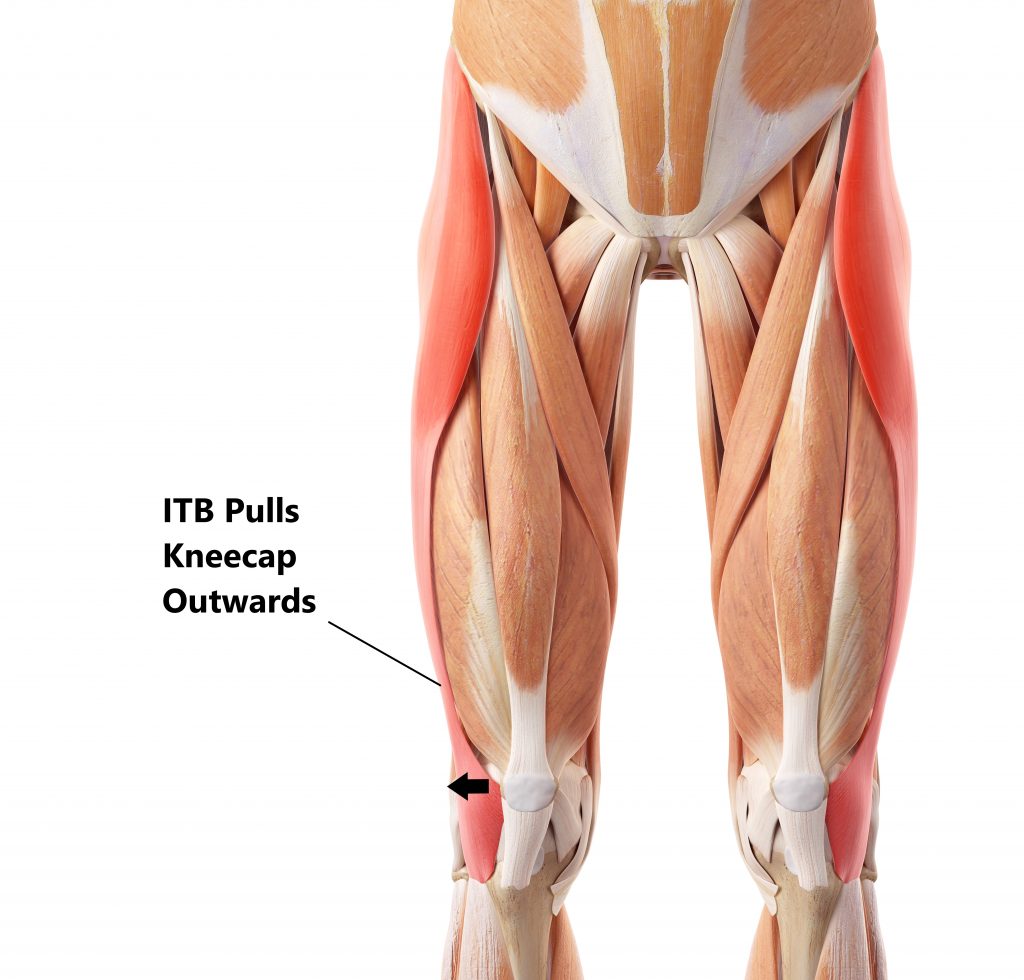
Keeping the muscles around your knee flexible and strong enough to support your body can help reduce or prevent knee tightness. Strong hips, glutes, and legs are thought to protect the knee from undue stress.
Research on the link between leg strength and knee symptoms varies. A 2010 study of more than 2,000 knees found that neither hamstring nor quadriceps strength predicted frequent knee symptoms like pain, aching, and stiffness.
However, stronger quadriceps may lower the risk of knee issues, since they help support the joint. A 2014 five-year study of 2,404 people at risk for or with osteoarthritis showed that weak quadriceps were linked with greater risk of worsening knee pain in women but not men. The researchers suggested possible sex-specific differences in risk factors for deteriorating knee pain.
What you can do for your leg muscles:
- Follow exercises that promote healthy knee movement.
- Perform leg stretches to improve flexibility.
- Include stretches and yoga to ease tight hamstrings several times weekly.
- Do hip abduction work to encourage stable movement patterns.
- Consider regular therapeutic massage sessions.
- Consult a physical therapist for a personalized plan.
When to see your doctor
Seeing a doctor is important when you need treatment. A clinician can diagnose the source of your knee tightness and help create a plan to address it. You may undergo a physical exam, imaging studies, or laboratory tests.
Depending on findings, you might be referred to specialists in physical therapy, musculoskeletal disorders, or rheumatology. If surgery is necessary, you’ll be directed to an orthopedic surgeon.
The Healthline FindCare tool can help locate providers if you don’t already have one.
Tips for knee stretches and knee exercises
Follow these guidelines to get the most from knee stretches and exercises:
- Always stretch after warming up your muscles.
- Avoid bouncing; ease into stretches and hold for 15–60 seconds (or 5–10 deep breaths), repeating 3–4 times.
- Stretch at least 2–3 times per week for 10 minutes daily; short frequent sessions are better than infrequent long ones to improve flexibility and range of motion.
- Use correct form and posture — practicing in front of a mirror or with feedback can help.
- Stretch both sides of your body evenly.
- Don’t force tight muscles beyond their comfortable limit.
- Work to your own edge of sensation without causing pain.
The takeaway
Knee tightness is common, but there are effective steps to treat it and reduce recurrence. Commit to a plan that yields positive results: rest, ice, and elevate your leg until healed, then begin a consistent stretching and strengthening routine. If your knee doesn’t improve despite self-care, or if your usual activities are limited, see your doctor. Seek immediate care for severe pain or worrying symptoms.
If you experience related issues, you might also find guidance on knee pain when bending, burning in knee, and exercises for tight shoulders helpful.

















Leave a Reply
You must be logged in to post a comment.