

Tissue salts are a form of homeopathic remedy. Some proponents assert they can address a range of health issues, but scientific evidence supporting these claims is scarce.
These salts are mineral compounds first introduced into homeopathic practice by Dr. Wilhelm Schuessler in the 19th century. Supporters believe they help maintain the body’s health and promote recovery by balancing mineral levels within cells.
It’s important to be aware that homeopathic preparations, tissue salts included, can contain substances that might be unsafe.
You should not use tissue salts or other homeopathic products without first consulting a healthcare provider. They are typically not considered safe for use during pregnancy or while breastfeeding.
This article examines the 12 main tissue salts and the benefits they are claimed to provide.

The 12 primary tissue salts
As outlined in the 1888 “The Twelve Tissue Remedies of Schüssler,” there are twelve core tissue salts. Practitioners maintain each salt offers specific benefits that help balance the body for better health.
Below are the 12 principal tissue salts and the effects they are purported to have:
1. Calc fluor (Calcarea fluorica)
- strengthens tooth enamel
- supports bone health
- restores elasticity to tissues
- helps with hemorrhoids
- eases hernia-related discomfort
2. Calc phos (Calcarea phosphorica)
- aids cellular repair
- assists in healing bone fractures
- supports digestive function
3. Calc sulph (Calcium sulphate)
- helps purify the blood
- reduces infections
- treats skin conditions like acne
- may help prevent sore throats and colds
4. Ferr phos (Ferrum phosphoricum)
- acts as an anti-inflammatory
- helps lower fevers
- speeds healing
- reduces bleeding
5. Kali mur (Kali muriaticum)
- helps cleanse the blood
- addresses infections
- reduces swelling
- assists digestion
6. Kali phos (Kali phosphoricum)
- supports nervous system health
- reduces anxiety, irritability, and fatigue
- aids memory
- alleviates headaches
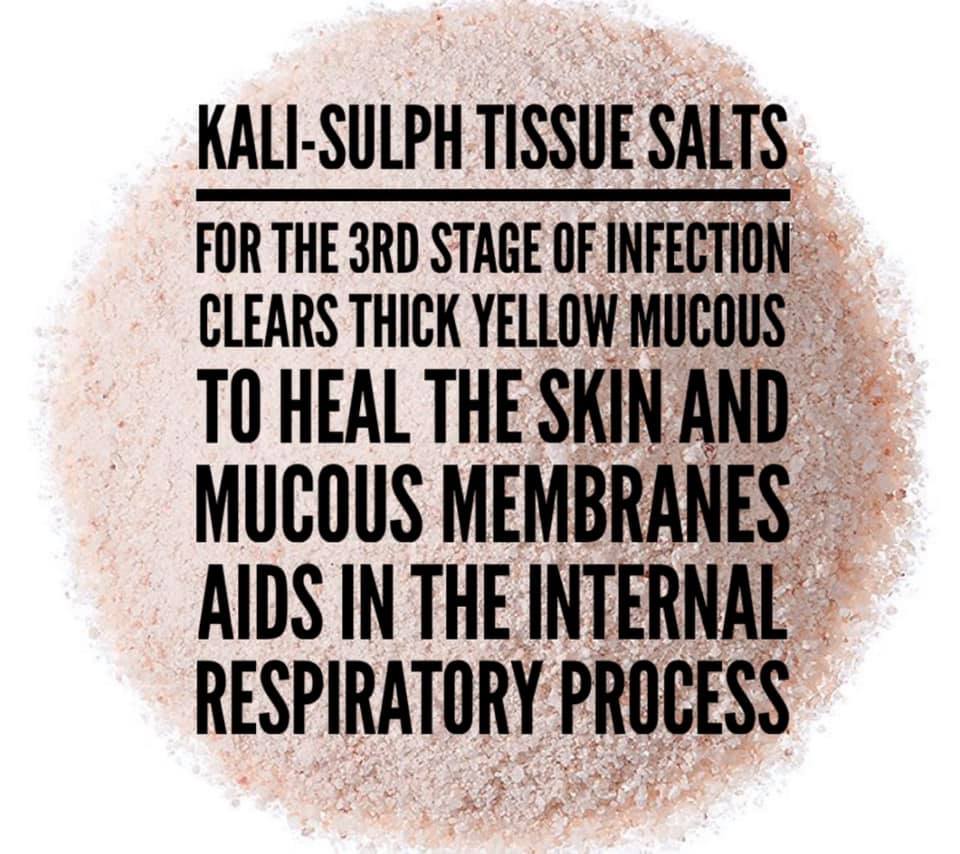
7. Kali sulph (Kali sulphuricum)
- helps heal mucous membranes
- assists skin recovery
- balances metabolic processes
- supports pancreatic function
8. Mag phos (Magnesia phosphorica)
- relieves cramps
- reduces pain
- eases spasms
- helps with tension headaches
9. Nat mur (Natrum muriaticum)
- balances bodily fluids
- reduces fluid retention
- supports digestion
- helps treat eczema
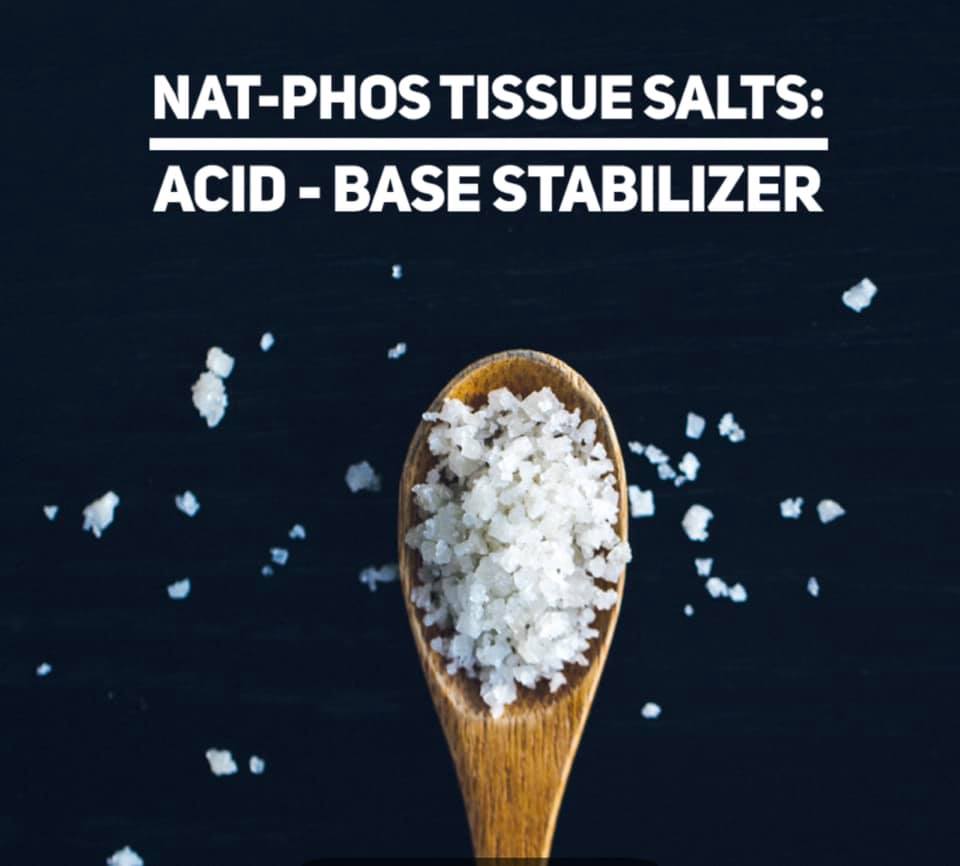
10. Nat phos (Natrum phosphoricum)
- neutralizes excess acidity
- can relieve motion sickness
- used for arthritis symptoms
- supports digestive health
11. Nat sulph (Natrum sulphuricum)
- supports liver cleansing
- aids kidney detoxification
- assists pancreatic cleansing
- used for colds and flu
12. Silica
- supports skin condition
- strengthens connective tissue
- helps purify the blood
- fortifies hair and nails
Are tissue salts effective?
Supporters of homeopathy point to centuries of anecdotal use as evidence for homeopathy’s benefits. Nevertheless, rigorous scientific research validating these anecdotal reports is limited.
The National Institutes of Health (NIH) advises against using homeopathy in place of established conventional medical treatments for health conditions.
How are tissue salts used?
Homeopathic remedies, including tissue salts, are commonly sold as small tablets that contain a minute amount of the active substance. Practitioners usually recommend allowing the tablets to dissolve under the tongue rather than swallowing them whole.
Tissue salts can also be found in topical forms like creams and gels, as well as in liquid drop formulations.
A homeopathic practitioner might suggest multiple tissue salt remedies if you’re dealing with several issues simultaneously.
Still, consult a healthcare professional before using tissue salts. They can determine whether these products are appropriate for your situation and recommend the most suitable form.
Are there side effects of tissue salts?
There hasn’t been enough research to comprehensively establish the safety profile or possible side effects of tissue salts.
The Food and Drug Administration (FDA) cautions that homeopathic products, including those labelled as highly diluted, can contain measurable amounts of active ingredients. This possibility means they could cause notable side effects.
Speak with a healthcare provider before taking tissue salts or other homeopathic preparations. They can advise on safety and check for possible interactions with medications you currently use.
What is homeopathy?
Homeopathic medicine originated in Germany over 200 years ago. It rests on two foundational ideas:
- Like cures like: A disorder is treated with a substance that produces similar symptoms in healthy people.
- Law of minimum dose: The smaller the dose, the more potent its supposed effect.
Homeopathic products commonly derive from plants (for example, arnica), minerals (such as tissue salts), or animal sources (like bee-derived substances). They’re available as sugar pellets, ointments, gels, or liquid drops.
Treatments are individualized. Homeopathy uses a diagnostic approach for selecting remedies that differs from mainstream medical practice.
Things to consider about the safety and side effects of homeopathy
- Do not substitute conventional medical care with homeopathic remedies, and do not delay seeing a physician for serious symptoms in favor of a homeopathic product.
- If you’re considering a homeopathic product, discuss it with your doctor first. They can help assess potential risks or interactions with your current medications.
- If you are pregnant or breastfeeding, consult your physician before using homeopathic treatments.
- Although many homeopathic products are highly diluted, some items marketed as homeopathic may not be significantly diluted.
- Liquid homeopathic preparations can contain alcohol.
- Some homeopathic remedies have been promoted as replacements for conventional vaccines. The U.S. Centers for Disease Control and Prevention find no scientific support for such claims.
The takeaway
Anecdotal reports suggest the 12 primary tissue salts used in homeopathy may address various health complaints. However, robust scientific evidence supporting homeopathy as an effective medical treatment is lacking.
The scientific consensus does not support the idea that trace amounts of minerals in homeopathic remedies are sufficient to meaningfully treat diseases or health conditions.
Using tissue salts and other homeopathic products can pose risks. If you’re thinking about homeopathic treatment, speak with a healthcare professional first.






















Leave a Reply
You must be logged in to post a comment.