

Goat cheese is a wholesome dairy option rich in vitamins, minerals and beneficial fats. Its reduced lactose content often makes it a preferable alternative for people who have difficulty tolerating cow’s milk.
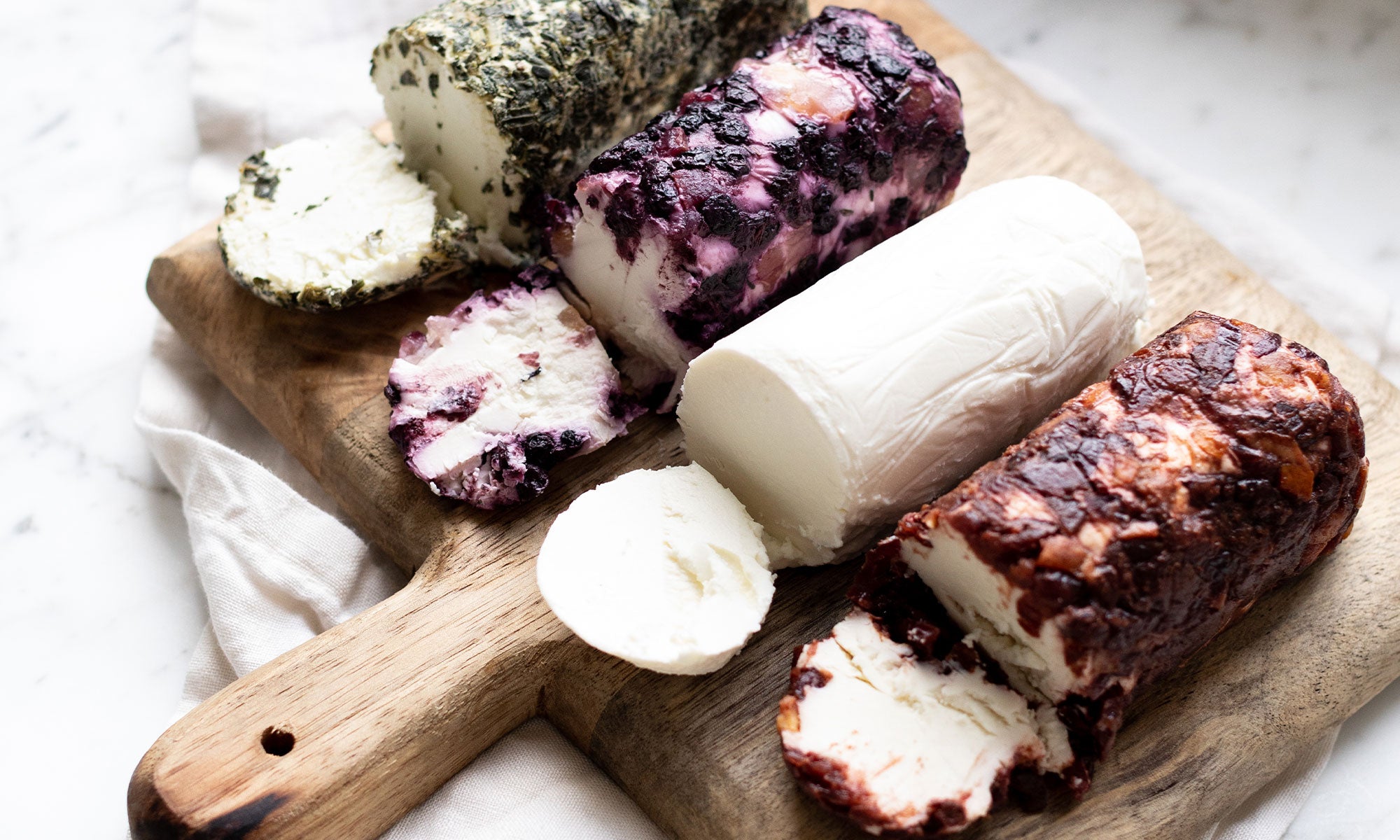
Silky and flavorful, goat cheese is enjoyed across the globe for its distinctive taste.
It appears in many forms and tastes, from soft, spreadable fresh varieties to tangy, crumbly aged cheeses.
Although produced through the same coagulation and separation processes used for cow’s milk cheeses, goat cheese differs in its nutritional profile.
Moreover, goat cheese is processed differently in the digestive tract than cow’s milk products and can serve as a hypoallergenic option for those sensitive to bovine cheeses.
This piece outlines the nutritional advantages of goat cheese and suggests inventive ways to incorporate this delightful cheese into your meals.
Goat cheese nutrition
Often called chèvre, goat cheese refers to any cheese crafted from goat’s milk. It’s sold in various forms, including fresh logs, aged cheddars and even brie-style rounds.
The nutrient makeup of goat cheese depends on how it’s processed, such as whether it’s aged or cured.
All varieties of goat cheese deliver healthful components like quality fats, protein, vitamins and minerals.
Although typical servings are modest, a single ounce (28 grams) supplies notable amounts of nutrients.
A one-ounce (28-gram) portion of soft goat cheese supplies (1):
- Calories: 102
- Protein: 6 grams
- Fat: 8 grams
- Vitamin A: 8% of the RDI
- Riboflavin (vitamin B2): 11% of the RDI
- Calcium: 8% of the RDI
- Phosphorus: 10% of the RDI
- Copper: 8% of the RDI
- Iron: 3% of the RDI
It’s also a solid source of selenium, magnesium and niacin (vitamin B3).
A single serving gives 6 grams of satisfying protein along with a potent mix of calcium, phosphorus and copper — minerals vital for strong bones (2).
Additionally, goat cheese contains healthful fats, including medium-chain fatty acids, which may enhance feelings of fullness and support weight management (3).
Goat’s milk naturally includes a higher proportion of medium-chain fatty acids than cow’s milk. These fats are rapidly broken down and absorbed, making them less likely to be deposited as body fat (4).
Some of the fatty acids in goat’s milk may offer additional health perks.
For instance, goat’s milk contains capric acid, a medium-chain fatty acid shown to have antibacterial and anti-inflammatory effects.
Laboratory and animal research indicates that capric acid is active against P. acnes, a bacterium that promotes inflammation and can be involved in acne development (5).
Summary: Goat cheese supplies quality protein, healthy fats, vitamins and minerals. Fatty acids in goat’s milk have antibacterial attributes and may boost satiety.
It contains probiotics
Probiotics are beneficial microbes that support health in several ways.
Depending on the variety, goat cheese can harbor different probiotics, such as L. acidophilus and L. plantarum (6).
Diets rich in probiotic organisms have been associated with improved gut health, reduced inflammation and enhanced immune responses (7).
Interestingly, cheese serves as an excellent carrier for probiotics because its higher fat content and firmer texture shield the bacteria.
Research shows that cheese can protect probiotics during digestion, enabling greater numbers to reach the intestine where they support health (8).
Summary: Certain goat cheeses contain helpful probiotic bacteria.
It’s more easily digested than cow’s milk
Many people report fewer digestive problems when switching from cow’s milk products to those made from goat’s milk.
This is because goat milk products, including cheese, have a distinct protein make-up compared with bovine milk products and generally contain less lactose.
Lactose is the principal carbohydrate in the milk of mammals.
As many as 70% of people worldwide struggle to digest lactose, leading to symptoms like bloating, abdominal discomfort, gas and diarrhea (9).
Experts estimate that most individuals with lactose malabsorption can tolerate a modest amount (up to roughly 12 grams) of lactose before symptoms occur (10).
Because goat milk usually contains less lactose than cow’s milk, dairy products made from goat’s milk, such as yogurt and cheese, may be better tolerated by people with lactose intolerance.
However, those sensitive to lactose should note that softer cheeses generally contain more lactose than hard, aged cheeses, regardless of the animal source.
Goat milk also has lower levels of A1 casein compared with cow’s milk — a protein type that may provoke sensitivity in some people by triggering gut inflammation (11, 12).
Products made from goat milk largely contain A2 casein, a variant shown to be less allergenic and less likely to cause inflammation than A1.
For example, a trial involving 45 people with lactose intolerance found that milk containing A1 casein worsened digestive symptoms and raised inflammation markers. Switching to milk with only A2 casein prevented symptom worsening and improved intestinal inflammation (13).
Summary: Goat cheese has less lactose and far lower A1 casein than cow’s milk, making it a preferable option for those sensitive to cow’s milk products.
It may be more filling than other cheeses
Goat milk boasts a distinctive fatty acid composition linked with several potential health benefits.
For instance, dairy from goat’s milk has shown anti-inflammatory effects and may help reduce hunger.
Goat’s milk is richer in short- and medium-chain fatty acids than cow’s milk, notably capric and caprylic acids.
These fats are digested quickly, supplying immediate energy and contributing to greater feelings of fullness.
A study of 33 adults found that eating a goat milk-based breakfast featuring goat cheese significantly lowered appetite and reduced hunger scores compared with a cow’s milk-based breakfast (14).
Decreasing hunger and increasing satiety are important for supporting weight loss efforts.
Beyond satiety, research indicates that goat milk products may reduce inflammation.
One study observed that, compared to donkey milk, goat milk substantially decreased levels of inflammatory proteins interleukin-8 and interleukin-6 in healthy older adults (15).
Summary: Goat milk products, including cheese, can help increase fullness and lower hunger, which may support weight control.
Goat cheese recipe ideas
In addition to its health advantages, goat cheese lends delightful flavor to many recipes.
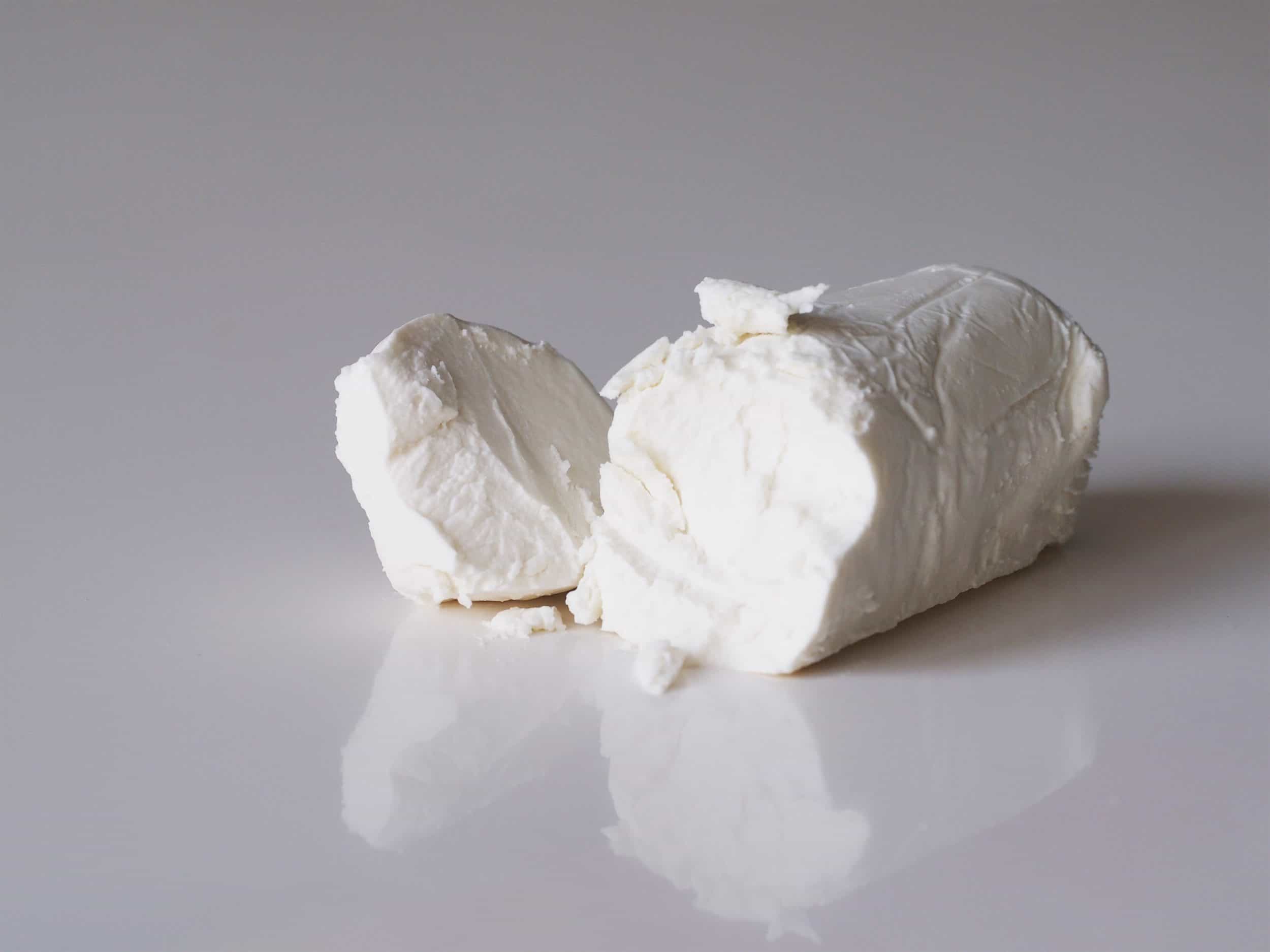
Because the taste varies by variety, opting for a milder goat cheese that works well in many dishes is often a versatile choice.
Here are some inventive ways to add goat cheese to your meals:
- Crumble soft goat cheese over mixed greens for a creamy, satisfying salad topper.
- Spread goat cheese on toast with avocado, sautéed vegetables and eggs for a standout breakfast.
- Fill bite-sized tart shells with whipped goat cheese and sliced figs for an impressive appetizer.
- Top crackers with goat cheese and thin apple slices for a quick, tasty snack.
- Stuff chicken breasts with goat cheese and herbs, then roast for a family-friendly main course.
- Fold goat cheese into quiches or frittatas for extra creaminess.
- Stir goat cheese into cooked oatmeal, then finish with sweet or savory toppings like fruit or vegetables.
- Stuff bell peppers with cooked quinoa, veggies and goat cheese before baking or grilling.
- Swap out mozzarella or ricotta for goat cheese on homemade pizzas or flatbreads.
- Make an omelet filled with goat cheese, mushrooms and fresh herbs.
- Blend goat cheese into mashed potatoes for an unexpected twist.
- Use goat cheese instead of heavy cream or butter to enrich soups with flavor and texture.
- Whip goat cheese with a touch of honey and serve alongside sliced fruit for a lighter dessert.
As you can see, goat cheese is adaptable and enhances both sweet and savory dishes.
It’s also a considerate choice when cooking for guests who are intolerant to cow’s milk products. For more on similar dairy options, consider that cottage cheese is super healthy in many recipes.
Summary: Goat cheese works well in a wide range of dishes, adding taste and texture to both desserts and savory meals.
The bottom line
Goat cheese is a nutrient-dense dairy product offering vitamins, minerals and beneficial fats.
Consuming goat cheese may support health by promoting satiety and reducing inflammation.
Its protein makeup and lower lactose content also make it a preferable option for many people who have trouble with cow’s milk.
Keeping this flexible ingredient on hand ensures you’ll have a flavorful option to incorporate into numerous sweet and savory preparations.




















Leave a Reply
You must be logged in to post a comment.