
Toenail fungus can transform a once-healthy nail into one that’s discolored, thickened, and prone to cracking. Although fungal infections of the nails are common, that doesn’t mean household chemicals like bleach are a safe or effective remedy.
Read on to learn why bleach is not recommended for toenail fungus and which treatments physicians typically advise instead.
Risks of using bleach on toenail fungus
Bleach (sodium hypochlorite) may actually make toenail fungal problems worse and raise the chance of developing a more serious nail infection.
Research published in the Asian Journal of Research in Dermatological Science notes that topical bleach can damage both skin and nails. This injury creates openings that opportunistic fungi can exploit, increasing the risk of infection.
Warnings about applying bleach topically
Never put concentrated (undiluted) bleach on your skin. It can cause a painful chemical burn that might need medical care. Inhaling strong bleach fumes can also harm your lungs.
If bleach splashes on your skin, rinse it off immediately with plenty of water.
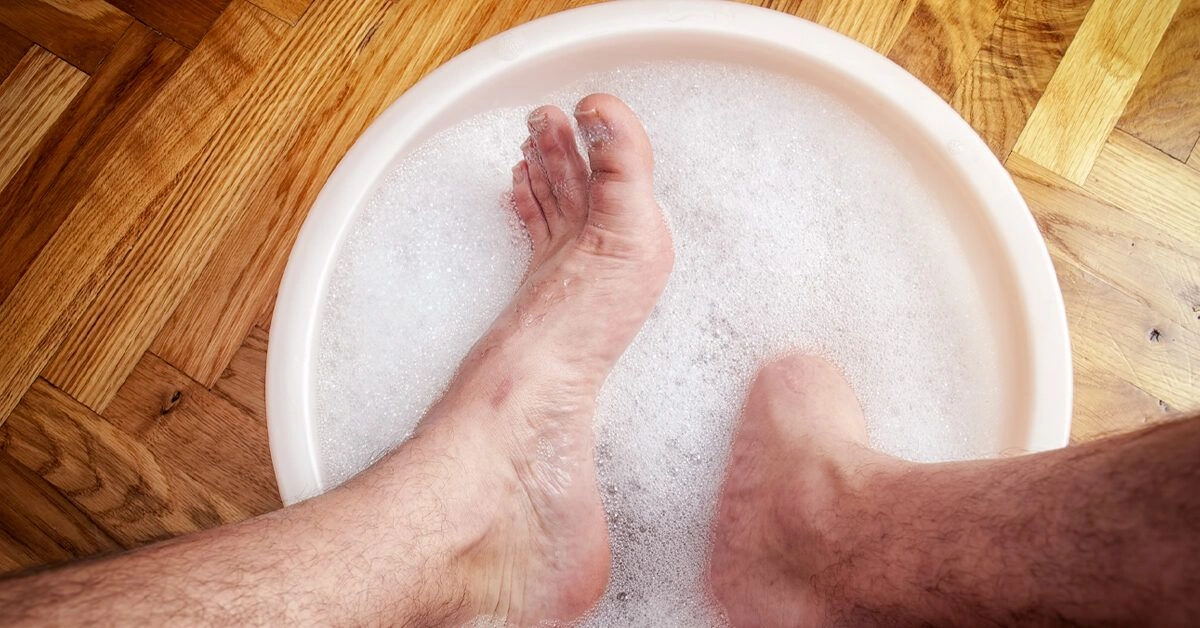
Are bleach baths any better?
Dermatologists sometimes recommend diluted bleach baths for certain skin disorders such as atopic dermatitis or recurrent Staphylococcus infections. These baths typically involve a very small amount of bleach — for example, about a half cup of bleach in a full bathtub of water.
Although bleach baths can temporarily reduce bacteria, fungi, and viruses on the skin, their effects don’t last and they are unlikely to cure an established toenail fungal infection.
Precautions for bleach baths
Only take a bleach bath if instructed by a physician. Unnecessary use can irritate and dry the skin. Bleach exposure may also aggravate conditions like asthma. Ingesting bleach can severely burn the mouth and throat and cause major stomach injury and bleeding.
Where bleach might be useful
The notion that bleach could treat toenail fungus likely stems less from applying it to the nail and more from using it to disinfect items that could spread the fungus, such as nail clippers or emery boards.
You can launder shoes and socks that may harbor fungal spores using bleach; follow the product’s instructions for your washing machine and load size. Bleach-based cleaners are also appropriate for disinfecting areas where fungus may grow, like shower tiles, bath mats, or bathroom floors.
Use gloves when handling bleach
Always wear gloves when working with bleach and prepare any bleach solutions in a well-ventilated space. Don’t mix bleach with other household cleaners — dilute only with water.
Safe, effective ways to treat toenail fungus
Now that it’s clear bleach isn’t an effective treatment for toenail fungus, here are options that are more reliable.
Prescription antifungal medications
Most cases require prescription antifungal drugs, such as terbinafine or itraconazole. These are usually oral pills that help eradicate the fungus. In many cases you may need to take them for an extended period (often 12 weeks or longer) before noticeable improvement appears.
Be aware that oral antifungals can have significant side effects. A physician should review these risks with you to determine whether this treatment is appropriate given your overall health.
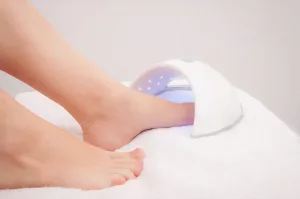
Laser therapy
For those who prefer to avoid systemic medications or when doctors question the likely effectiveness of pills, laser therapy can be an alternate choice.
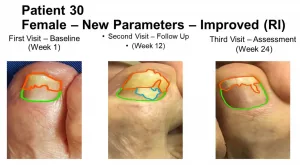
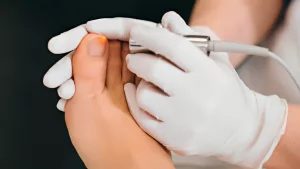
Laser treatments typically involve applying a photosensitizing agent to the nail and then exposing it to laser light, which helps kill fungal organisms or hinder their ability to multiply.
Toenail debridement or removal
A clinician may debride the infected nail by trimming away the outer, damaged layers. This should be performed only by a professional to avoid further nail injury.
In severe cases where the nail is extensively damaged by fungus, removal of the nail may be recommended.
Causes of toenail fungus and prevention tips
The warm, moist interior of shoes creates an inviting environment for fungal growth. When fungus attacks the nail, the condition is known as onychomycosis. Athlete’s foot, a fungal skin infection, often affects the same area and can spread to the nails.

One of the most frequent routes for a fungal toenail infection is fungus entering tiny cracks in the nail. Certain people face higher risk, including those with:
- circulatory issues, especially in the feet
- diabetes
- a history of nail injury, surgery, or trauma
- compromised immune function
Steps to lower your risk
Although you can’t always change your underlying risk factors, you can take preventive measures:
- Bring your own sterilized tools (like nail clippers) to a nail salon.
- Keep toenails trimmed and clean to reduce nail trauma and cracking; consult a podiatrist if you have trouble trimming your nails.
- Don’t share personal grooming items such as nail clippers or pumice stones.
- Dispose of or treat footwear that may be contaminated.
- Wear clean socks and launder them after each use.
- Use sandals in communal areas like locker rooms or public showers where fungus thrives.
Toenail fungal infections have a high recurrence rate, even after treatment. That’s why combining effective therapy with preventive habits gives you the best chance of keeping your toenails looking healthy.
Bottom line
Bleach is not a suitable method for treating or reliably preventing toenail fungus. It can burn the skin and should not be applied topically unless explicitly directed by a doctor.
Fungal nail infections typically require prescription oral medicines or targeted procedures like laser therapy, and even then they can return.
If you suspect a fungal nail infection, consult a physician about the most appropriate treatment options for your situation.
















Leave a Reply
You must be logged in to post a comment.