
It can take anywhere from months to years for a toenail to fully regrow. The timeline varies depending on what caused the nail to be lost — trauma, fungal infection, or an underlying health issue all influence how long regrowth will take.
Toenails may seem minor, but they serve an important purpose. Composed of keratin — the same protein found in your hair and skin — nails shield the softer tissue beneath and protect the tips of your toes.
Occasionally, because of injury, infection, or other circumstances, a toenail (or fingernail) can come off. Fortunately, nails do regenerate. Fingernails can take up to about 6 months to return, while toenails may require as long as 18 months to fully regrow.
Below is an overview of the phases of nail regrowth and what to do if you lose a nail.

How long does it take for a toenail to grow back?
Both toenails and fingernails grow slowly, with toenails generally taking longer to replace themselves.
On average, a toenail can require up to 18 months to completely regrow, whereas a fingernail typically comes back in roughly 4 to 6 months.
Why fingernails grow faster isn’t completely clear. One idea is that fingers receive greater blood flow because they’re used more frequently, which likely helps nails on the fingers grow quicker.
Although regrowth often takes months, the speed can vary based on circumstances, as outlined in the table below.
| Scenario | Regrowth timeline (for fingernails and toenails) |
| after trauma | 6 months to 2 years |
| after fungus | 12 to 18 months |
| after medical removal | up to 18 months |
| after psoriasis | 6 months or longer |
After trauma
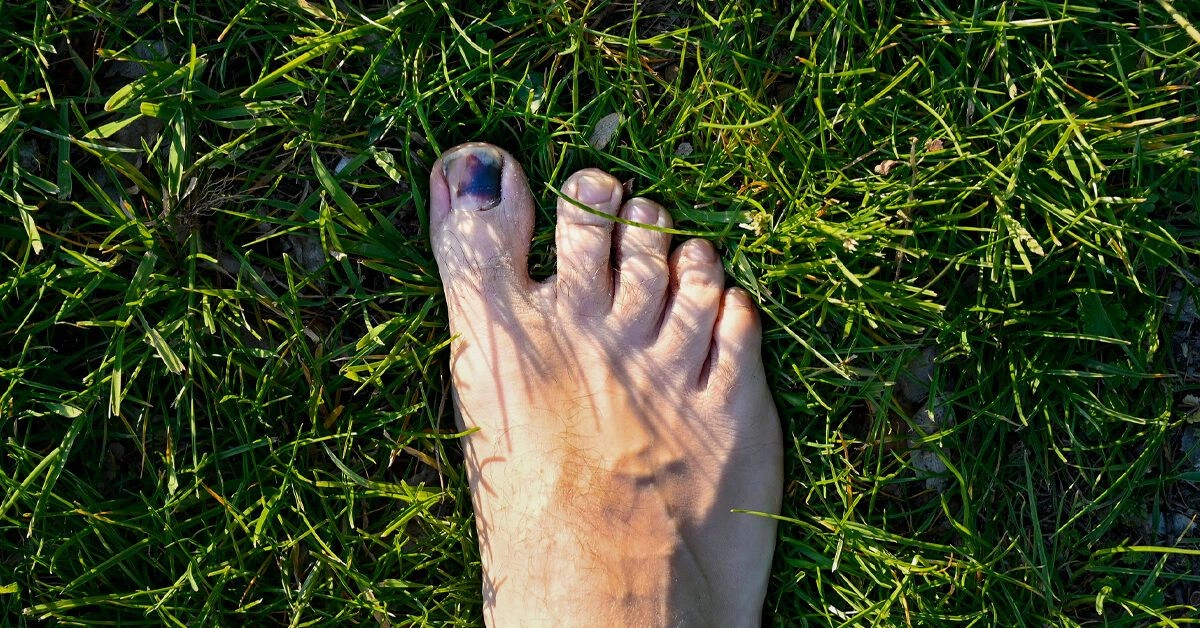
Stubbing a toe or dropping something heavy on your foot can harm the toenail. Depending on how badly it’s injured, the nail may blacken and eventually fall away.
When a nail is lost because of trauma, regrowth is typically slower and can take between 6 months and 2 years to complete.
After fungus
Toenails are prone to fungal infections because fungus thrives in warm, damp environments. The combination of shoes and socks creates ideal conditions for fungal growth.
Toenail fungus can spread easily — for example, from visiting a nail salon with inadequate hygiene or walking barefoot in communal locker rooms.
Signs of a fungal nail include yellowing or dark discoloration, crumbling texture, and thickened nails. Both over-the-counter and prescription treatments are available, but it may take 12 to 18 months for the infected nail to grow out completely.

After medical removal
Removal of a nail in a medical setting might be needed for severe fungal infections, recurrent ingrown toenails, or when a large portion of the nail is diseased or severely damaged. Following surgical removal, a full return of the nail can take up to 18 months.
After psoriasis
Psoriasis causes itchy, scaly skin patches and can also affect the nails. Nail psoriasis may present with:
- small pits in the nails
- discoloration
- bleeding beneath the nail
- separation of the nail from the nail bed
Treatments for psoriasis, such as corticosteroids, biologic medications, and topical steroid applications, may help improve the nail’s appearance. Nail regrowth in psoriasis can take 6 months or longer.
Other factors that affect regrowth
Multiple other elements influence how quickly nails grow. For instance, nails typically grow more slowly in older adults and in colder weather, while growth speeds up during the summer months.
Nails on a dominant hand often grow faster than those on the nondominant hand.
Interestingly, trauma or injury can accelerate regrowth because the blood flow to the damaged area increases.
Your overall health also matters. Illness or poor nutrition can slow nail growth, while hormonal shifts — such as during pregnancy — may speed it up. For general nail health, consider supplements and lifestyle measures; for example, vitamins for nails can support stronger, faster-growing nails.
What are the stages of nail regrowth?
Nails originate under the skin at the matrix, which is the root area of the nail.
New nail cells are produced in the matrix. As these cells form and expand, older cells are pushed outward and up through the skin. Once exposed, the surface cells die and harden, forming the visible nail.
What’s the best way to care for a nail that’s fallen off or damaged?
Here are practical steps to care for a damaged nail and encourage healing:
- Apply a cold compress for up to 20 minutes to reduce swelling and inflammation. Place a cloth between your skin and the ice pack.
- Keep the injured foot elevated to limit blood flow to the area, which can help reduce swelling and bruising.
- Consider taking biotin supplements. Biotin supports cell production and helps the body process amino acids needed for building proteins, which can aid nail growth.
- Keep the wound clean, dry, and covered. The skin beneath a toenail is delicate — cleanse and dry the nail bed daily and protect it with a fresh bandage each day.
- Use an antibiotic ointment on the injured area to help prevent infection.
- If possible, keep the damaged nail attached until it naturally detaches; it offers extra protection to the nail bed underneath.
When to seek medical help?
Minor nail injuries often don’t need professional care. Over-the-counter anti-inflammatory medications can ease mild pain, and the nail will often regrow on its own.
Contact a healthcare provider for stubborn nail fungus, nail psoriasis, or signs of infection. Warning signs of infection include:
- increasing pain
- marked discoloration
- thickening of the nail
- drainage or oozing
- a noticeable change in nail shape
Recurrent ingrown toenails that don’t improve with home care may require medical procedures; for ideas on managing such issues at home, see ingrown toenail remedies.
Takeaway
Toenails and fingernails protect the skin at the tips of your digits, but they can be lost due to trauma, fungal infections, or other causes.
Most nails will regrow, though the pace of regrowth varies widely. It can take several months or up to a year or more for a nail to return fully.
If you’ve recently lost a nail, keep the area clean, dry, and protected — and be patient as the nail slowly regenerates.

















Leave a Reply
You must be logged in to post a comment.