
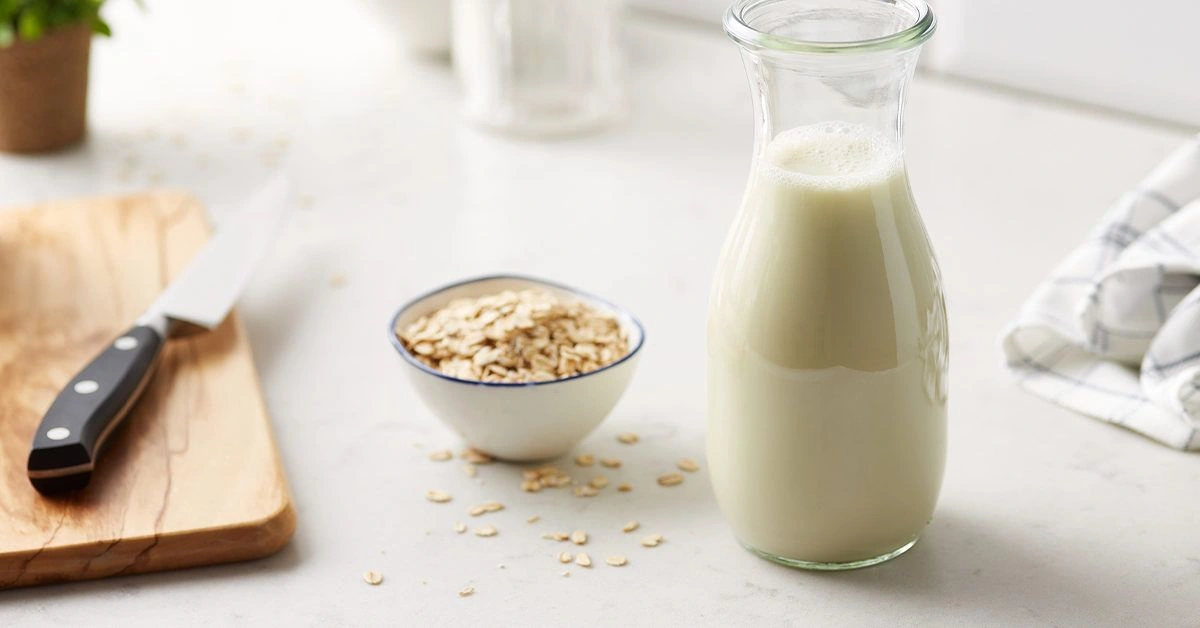
Oat milk has rapidly risen in popularity as a plant-based option for everything from morning cereal to cooking and baking.
Many plant-based milks — made from nuts, seeds, coconut, rice, and soy — are typically gluten-free, so you might assume oat milk is as well. However, if you have celiac disease or are sensitive to gluten, oat milk might not be a safe choice.
This article clarifies whether oat milk can be considered gluten-free.
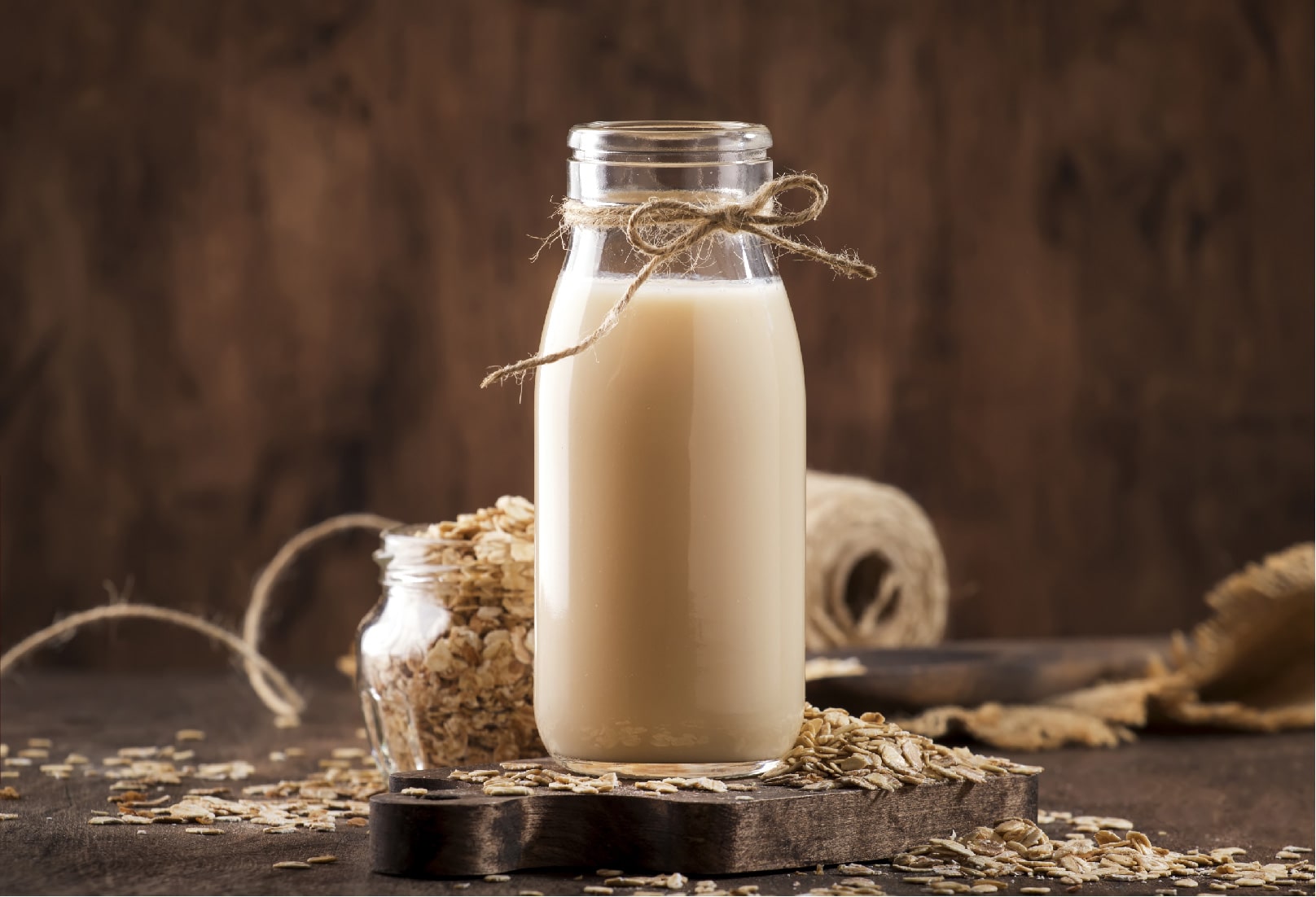
Many products are prone to gluten contamination
Gluten refers to a set of proteins present in wheat, rye, and barley.
While most people tolerate gluten without issue, it triggers inflammation and harm to the small intestine lining in people with celiac disease and may affect those with non-celiac gluten sensitivity. Therefore, individuals with these conditions must strictly exclude gluten from their diets (1).
Oats themselves are naturally free of gluten. Still, because they’re often cultivated near wheat fields and processed in facilities that also handle wheat products, they frequently become cross-contaminated with gluten (2).
For the same reason, oat milk can be contaminated as well.
A Canadian analysis of 133 oat samples found that 88% contained over 20 parts per million (ppm) of gluten — the common threshold used to designate a food as gluten-free (2).
That said, one sample in the study was certified gluten-free and tested below detectable gluten levels (2).
In a U.S. review of 78 foods labeled gluten-free, 20.5% had gluten concentrations exceeding 20 ppm (3).
It’s important to note that the Food and Drug Administration (FDA) does not routinely test foods for gluten. Manufacturers are responsible for testing their products (3, 4).
Some companies employ independent testing labs to verify their products fall below the gluten threshold. These items typically carry a certification mark — often a small symbol on the package — confirming the product is gluten-free (4).
If you must avoid gluten, purchase only oat milk that is certified gluten-free.
Summary: Although oats are intrinsically gluten-free, they are commonly cross-contaminated. As a result, many oat milks may contain gluten unless they carry a gluten-free certification.
Gluten-free oat milk choices
If gluten avoidance isn’t required for health reasons, most oat milk varieties are fine to drink.
However, if you follow a gluten-free regimen, scrutinize labels to select products with third-party gluten-free certification.
Oatly’s U.S. line is certified gluten-free. Brands like Planet Oat, Califia Farms, and Elmhurst indicate their oat milks are gluten-free but lack independent certification (5, 6, 7, 8).
Shop for Oatly oat milk products online.
DIY oat milk
You can also prepare gluten-free oat milk at home using just two items — certified gluten-free oats and water. A simple method is as follows:
- Soak 1 cup (80 grams) of certified gluten-free oats in enough water to cover them for about 15 minutes.
- Drain the oats and blend with up to 4 cups (945 mL) of water for roughly 30 seconds. Reduce the water amount if you want a creamier result.
- Strain the blended mix through a fine-mesh sieve.
- Refrigerate before serving.
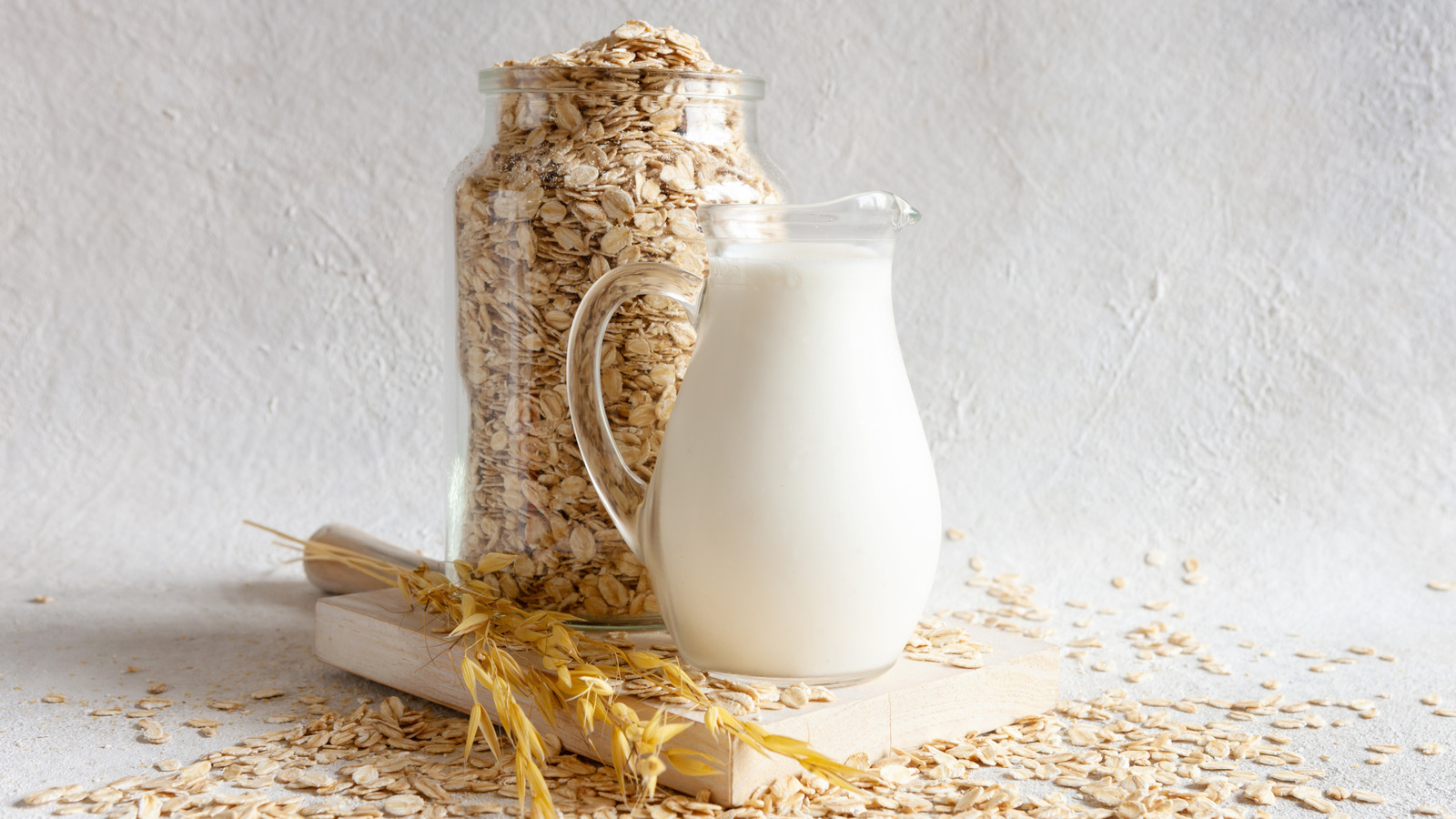
Summary: There are several brands that provide gluten-free oat milk. If certified versions aren’t available, you can make your own using certified gluten-free oats and water.
How oat milk is produced
Oat milk is produced by soaking whole oats in water, grinding the softened oats, and separating the liquid from the solids. Manufacturers often add ingredients like sweeteners or vitamins, then homogenize the beverage to create a smooth, milk-like texture (9).
Oats are rich in beta glucan, a soluble fiber that contributes to oat milk’s thickness and may support heart health by lowering LDL (bad) cholesterol. Research indicates that oat beverages can offer this benefit as well (10, 11).
A 1-cup (240-mL) portion of oat milk contains (12):
- Calories: 120
- Protein: 3 grams
- Fat: 5 grams
- Carbs: 16 grams
- Fiber: 2 grams
Summary: Oat milk is created by soaking and grinding oats and then straining the liquid. Its creamy consistency stems from beta glucan, a healthful soluble fiber.
Takeaway
Oats are intrinsically gluten-free, but many become contaminated with gluten during growing or processing — so not all oat milks are gluten-free.
If you have celiac disease or a gluten intolerance, choose only oat milks that carry third-party gluten-free certification.
Otherwise, you can easily make a thick, creamy plant-based milk at home using certified gluten-free oats and water.






















Leave a Reply
You must be logged in to post a comment.