
A brief online search turns up numerous assertions that various oils offer health advantages for breasts. These claims commonly focus on applying oils to the skin with the aims of:
- firming the breasts
- enlarging the breasts
- softening breast skin
While many oils benefit the skin — including the skin covering your breasts — the only reliable method to lift drooping breasts or increase breast volume is surgical intervention.
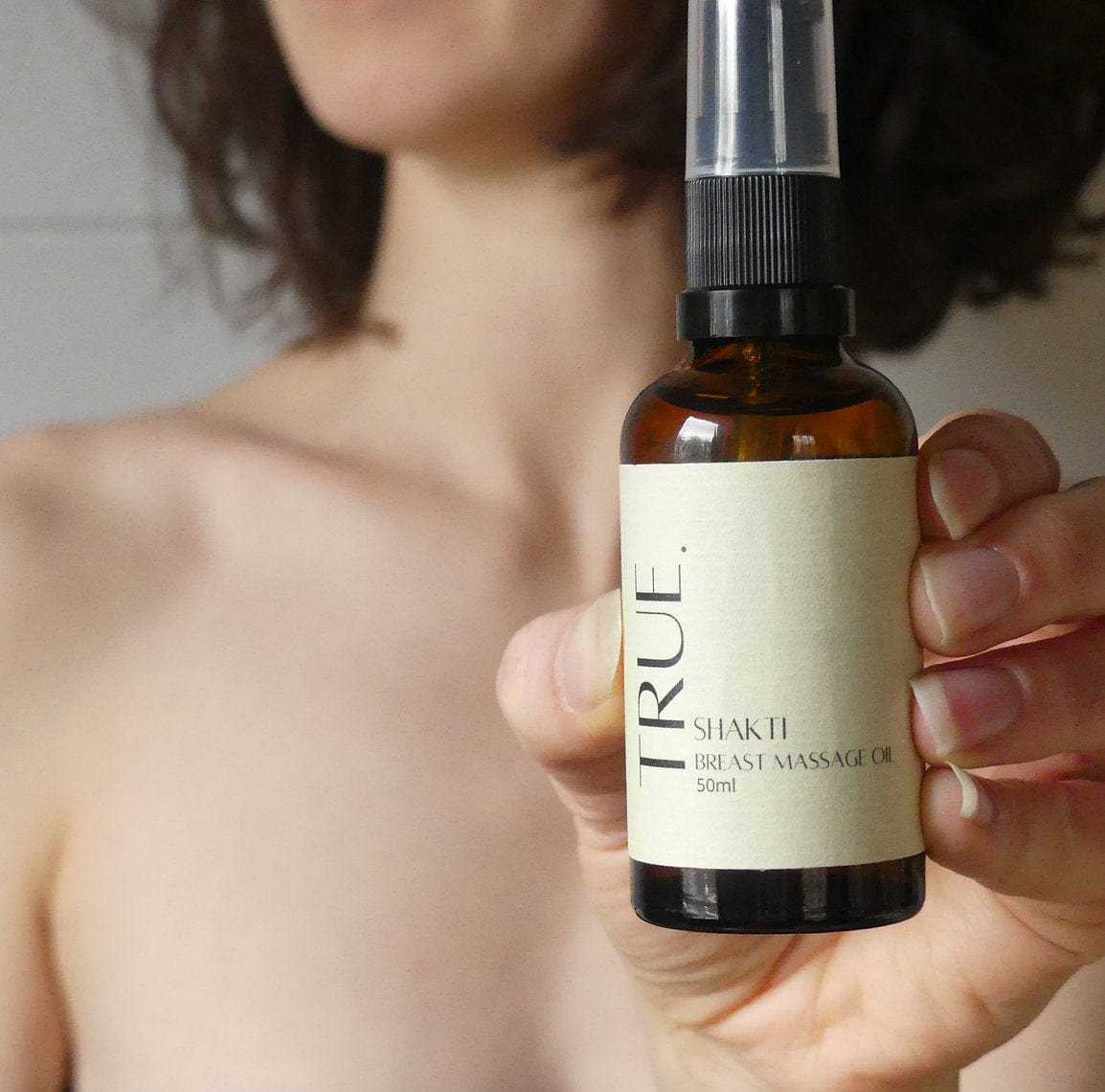
Read on to discover the real skin benefits oils may provide, and what they cannot accomplish for breast size or firmness.
Can applying oils to the skin make breasts bigger?
Advocates of using oils to boost breast size often recommend massaging the breasts with:
- almond oil
- clove oil
- coconut oil
- emu oil
- fenugreek oil
- flaxseed oil
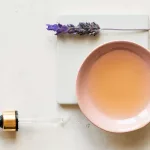
- lavender oil
- jojoba oil
- olive oil
- primrose oil
- soybean oil
- tea tree oil
- wheat germ oil
Beyond claims of firmer, fuller breasts, internet posts may also promise outcomes such as:
- removal of stretch marks
- hormone balancing (via aromatic effects)
- protection against cancer
- skin softening
None of these assertions are backed by solid scientific research.
How are oils typically applied to the
A brief online search turns up numerous assertions that various oils offer health advantages for breasts. These claims commonly focus on applying oils to the skin with the aims of:
- firming the breasts
- enlarging the breasts
- softening breast skin
While many oils benefit the skin — including the skin covering your breasts — the only reliable method to lift drooping breasts or increase breast volume is surgical intervention.
Read on to discover the real skin benefits oils may provide, and what they cannot accomplish for breast size or firmness.
Can applying oils to the skin make breasts bigger?
Advocates of using oils to boost breast size often recommend massaging the breasts with:
- almond oil
- clove oil
- coconut oil
- emu oil
- fenugreek oil
- flaxseed oil
- lavender oil
- jojoba oil
- olive oil
- primrose oil
- soybean oil
- tea tree oil
- wheat germ oil
Beyond claims of firmer, fuller breasts, internet posts may also promise outcomes such as:
- removal of stretch marks
- hormone balancing (via aromatic effects)
- protection against cancer
- skin softening
None of these assertions are backed by solid scientific research.
How are oils typically applied to the breasts?
Those who promote oil-based breast enhancement advise that the oil should be:
- at room temperature or slightly warmed
- used on both breasts
- rubbed in circular motions, from the outer area toward the nipple
They often suggest massaging for 10 to 15 minutes daily to boost circulation and gradually enlarge the breasts.

What genuine skin benefits can oils provide for breasts?
Although rubbing oils on the skin won’t lift saggy breasts or increase their size, many oils can benefit the skin. Examples include:
- Almond oil: provides vitamin E that helps hydrate skin
- Coconut oil: offers vitamin E and fatty acids that lock in moisture; it also has natural antifungal and antibacterial traits
- Jojoba oil: acts as an emollient to soothe and moisturize dry skin
- Lavender oil: has anti-inflammatory properties and can help hydrate skin
- Olive oil: rich in vitamins and antioxidants, with antibacterial effects that moisturize
- Tea tree oil: features anti-inflammatory and antibacterial actions
What risks or precautions should you consider?
If you expect oil to firm or increase breast size, the main risk is disappointment.
If your goal is improved chest skin, the main concern is allergic reaction. For instance, people allergic to olives could react to olive oil.
To assess potential sensitivity, perform a patch test:
- Clean a spot on your forearm with gentle, unscented soap and water.
- Choose a small patch on the inner forearm and apply a small amount of the oil there.
- Cover with a bandage and wait 24 hours.
- Watch for signs of irritation.
If after 24 hours there’s no redness, blistering, or discomfort, it’s likely safe to use the oil over a larger area.
How can I actually make my breasts firmer or larger?
The web is full of blogs and articles promoting natural remedies and products said to firm or enlarge breasts.
Although such claims may include photos and personal testimonials, they lack robust scientific evidence.
If you’re dissatisfied with your breast appearance, consult a physician who can refer you to a board-certified cosmetic surgeon. A consultation lets you explain your goals and determine whether surgery could deliver the results you want.
Two surgical procedures to discuss are:
- Breast lift: recommended when breasts are sagging and you want a firmer contour
- Breast augmentation: intended for those seeking larger breasts
Takeaway
Breast size and shape naturally differ between individuals. If you want to alter their appearance, you may look for ways to do so.
Surgery remains the only proven route to change breast size or shape, yet you’ll still encounter online claims promoting alternatives like oils.
Oils can have moisturizing, anti-inflammatory, and antibacterial benefits for the skin, but they will not change breast size.
If you choose to try oils on your breasts, consult a dermatologist before beginning.






Leave a Reply
You must be logged in to post a comment.