

Receding gums occur when the gum tissue pulls away from a tooth, exposing the sensitive root surface. This creates narrow gaps where plaque — a sticky layer of bacteria — can accumulate.
That buildup can accelerate further recession. If left unaddressed, it may ultimately result in loss of bone and teeth.
A variety of factors contribute to receding gums, including inadequate oral care, overly vigorous brushing, and the effects of aging.
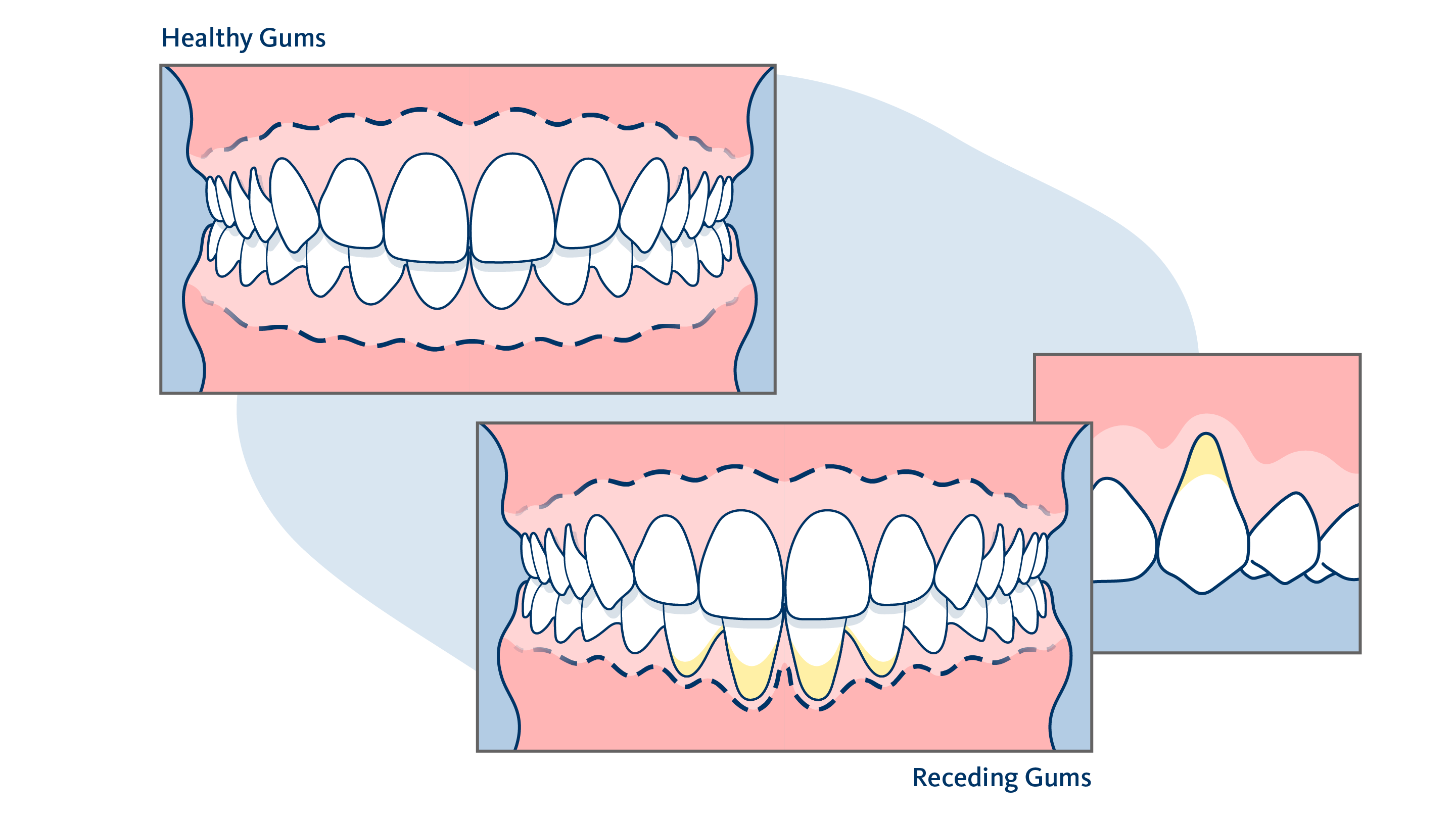
Can receding gums grow back?
Gum tissue doesn’t regenerate in the same way other tissues do (for example, the epithelial layer of the skin). Therefore, receded gums do not naturally grow back.
Continue reading to find out what you can do to manage receding gums, even though the tissue won’t regenerate on its own.
What about natural approaches?
Many people promote natural remedies for treating receding gums. Some commonly recommended methods include:
- oil pulling
- consuming green tea
- applying aloe vera
Each of these practices may contribute to better oral health. A 2020 review found that swishing coconut oil in the mouth appeared to help lower plaque and gum inflammation. However, more studies are necessary to confirm these benefits.
A 2021 meta-analysis also noted possible advantages of green tea against bacteria that commonly cause gum inflammation, though the evidence was deemed insufficient.
A 2024 study reported that applying aloe vera gel under the gums in addition to scaling and root planing reduced bacteria and inflammation more effectively than scaling and planing alone. Further research is needed to confirm this promising approach.
Although these studies indicate potential oral health benefits from natural remedies, none showed an ability to regenerate gum tissue. No known medical or natural treatment can restore receded gums to their original state.
How can you address receding gums?
Even if gum tissue won’t grow back, you can take steps to prevent further recession and pursue procedures that lessen the visible effects.
Prevention
Begin by booking an appointment with your dentist. They’ll assess the extent of your gum recession and recommend the best course of action. If bacteria have accumulated in the pockets formed by receding gums, a deep cleaning called scaling and root planing is often the first step.
Scaling and root planing removes tartar from tooth surfaces and from beneath the gum line. It can be performed with handheld instruments or ultrasonic devices that vibrate to dislodge and eliminate plaque.
In some cases, your dentist may place a slow-release antibacterial gel beneath the gum line or prescribe an antimicrobial mouthwash.
This initial treatment is frequently used because reducing bacterial load can slow — and sometimes halt — progression. To preserve results, you must maintain excellent oral care to prevent new plaque buildup.
That includes:
- brushing gently twice daily with a soft-bristled toothbrush
- flossing between teeth daily before brushing
- visiting the dentist for routine cleanings every six months
Treatment
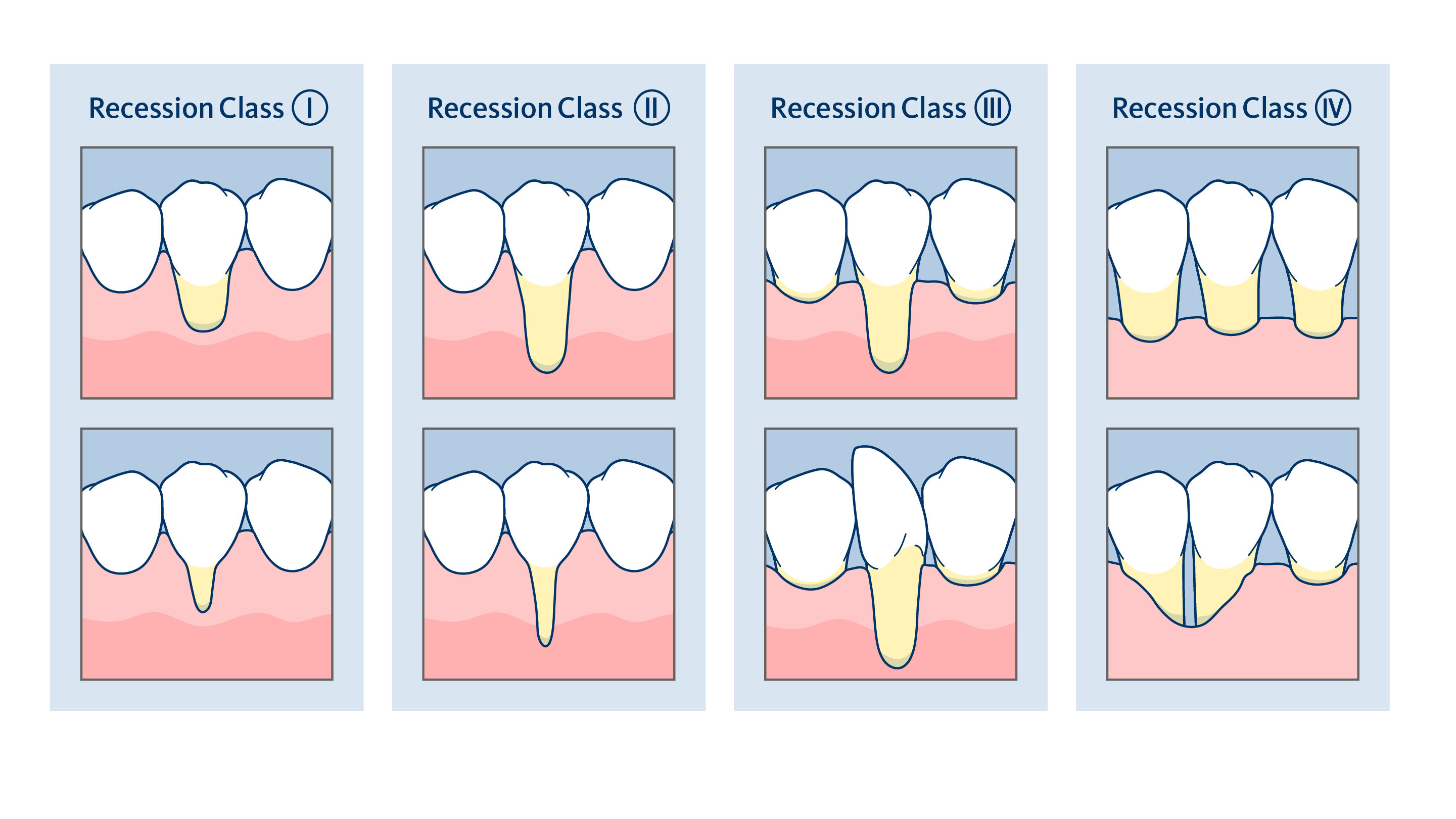
Which treatment is appropriate depends on the underlying cause and severity of the recession. For more advanced cases, your dentist may recommend procedures to remove deep-seated bacteria or to restore missing gum tissue.
Common interventions include:
- Laser therapy. The Laser Assisted New Attachment Procedure® (LANAP®) has been shown to be an effective, minimally invasive option for periodontitis.
- Flap surgery. The dentist makes a small incision to lift the gum tissue, remove plaque that remained after scaling and root planing, then repositions and secures the gum to help prevent bone loss.
- Tunnel technique. A less invasive method where a small tunnel is created to access and remove infected tissue while preserving the visible gum margin.
- Gum graft. An oral surgeon transplants gum tissue from another area of the mouth to the recessed site, improving appearance and protecting the tooth and underlying bone.
- Bonding. Gum-colored resin can be applied over exposed roots to improve appearance and shield sensitive root surfaces.
Discuss options with your dentist to determine which approach is best suited to your needs.
The bottom line
Receding gums are common. Even with proper oral hygiene, genetics and aging can contribute to gum loss.
While your gum tissue cannot regrow, multiple treatments exist to slow or stop further recession and to restore function and appearance.
Work closely with your dentist to choose the most appropriate treatment based on your oral health and the degree of recession.


















Leave a Reply
You must be logged in to post a comment.