

Nitric oxide can boost blood circulation and help lower blood pressure. Products that promote nitric oxide synthesis may also be useful for managing certain health issues.
Nitric oxide is naturally generated in the body and is one of the key molecules for vascular health (1).
It acts as a vasodilator, meaning it relaxes the smooth muscles within blood vessels, causing them to widen. Through this mechanism, nitric oxide improves blood flow and reduces blood pressure (2).
Supplements that aim to raise nitric oxide levels are among the most popular categories in the supplement market today.
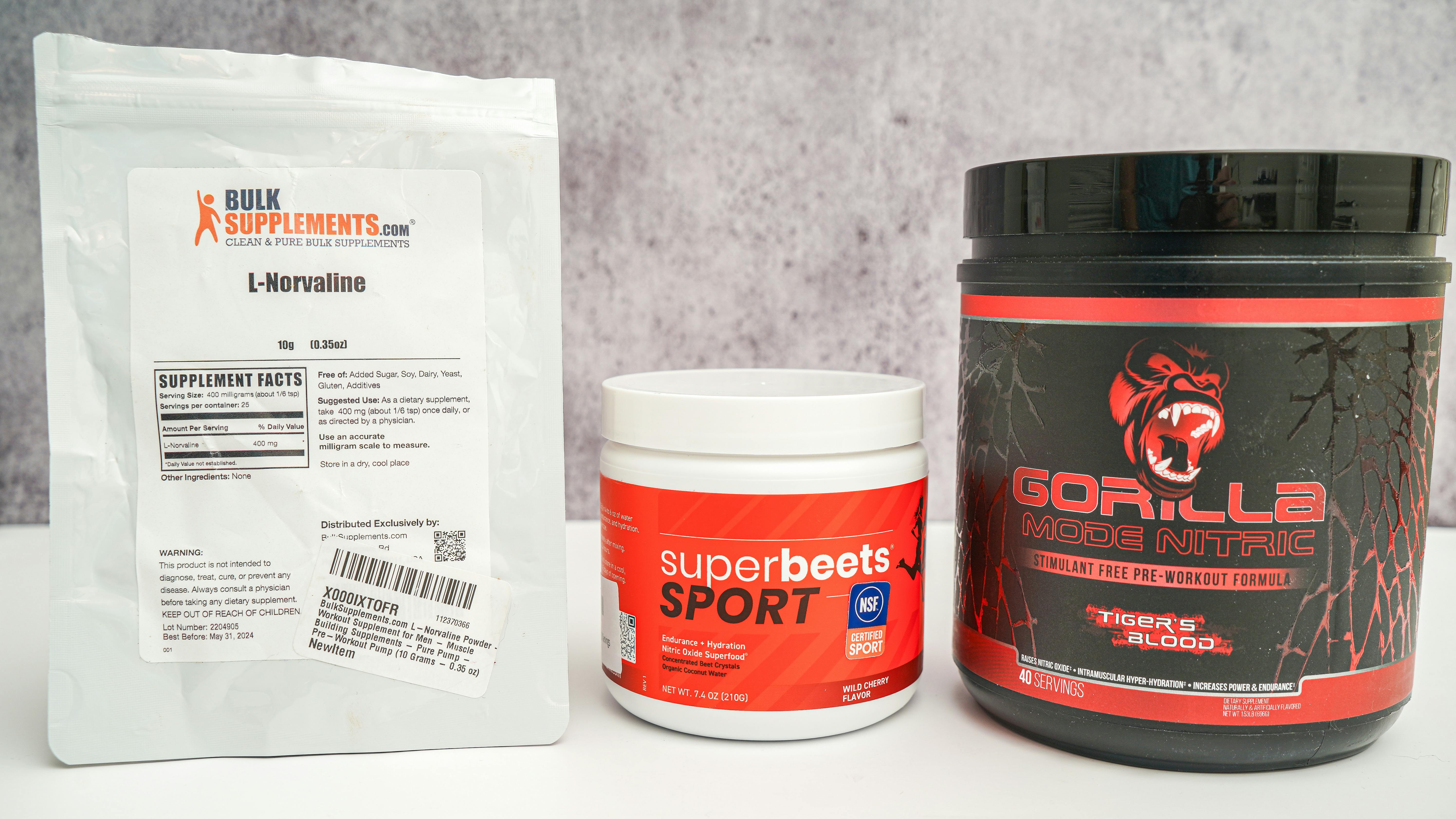
These products don’t contain nitric oxide directly. Instead, they provide precursors or compounds your body can convert into nitric oxide and have been linked to multiple health and performance advantages.
Below are five health and performance benefits associated with taking nitric oxide–promoting supplements.
1. Aids treatment of erectile dysfunction
Erectile dysfunction (ED) describes the inability to achieve or sustain an erection sufficient for sexual activity (3).
L-citrulline is an amino acid that may help ED by elevating nitric oxide production (4).
Nitric oxide is required for the penile smooth muscles to relax. This relaxation lets the chambers inside the penis fill with blood, producing an erection (5).
In a 2011 study, L-citrulline improved erection firmness in 12 men with mild erectile dysfunction (6).
Researchers noted that L-citrulline was not as potent as prescription ED medications like sildenafil (Viagra). Nevertheless, L-citrulline was found to be safe and well tolerated (6).
Two other nitric oxide–enhancing supplements—L-arginine and French maritime pine bark extract—have also demonstrated benefits for ED.
Several studies from earlier years reported that combining L-arginine with French maritime pine bark extract significantly improved sexual function in people with ED (7, 8, 9).
When used together, L-arginine and French maritime pine bark extract also appear to be safe (10).
Summary: Nitric oxide is crucial for erectile function. Supplements such as L-citrulline, L-arginine, and French maritime pine bark extract have been shown to raise nitric oxide and help some people with erectile dysfunction.
2. May reduce muscle soreness
A derivative of L-citrulline known as citrulline malate not only boosts nitric oxide production but may also lessen post-exercise muscle soreness.
Muscle soreness commonly occurs after intense or unfamiliar exercise (11).
This delayed-onset muscle soreness typically peaks between 24 and 72 hours after activity (11).
In a 2010 trial, 41 participants were randomized to receive either 8 grams of citrulline malate or a placebo one hour before performing as many repetitions as possible on a flat-barbell bench press (12).
Those given citrulline malate reported about 40% less muscle soreness at 24 and 48 hours post-exercise compared with the placebo group (12).
Citrulline malate raises nitric oxide, which enhances blood flow to active muscles. This likely improves nutrient delivery and aids clearance of fatigue-related byproducts like lactate and ammonia (13).
However, a later study focusing on leg exercises did not find citrulline malate effective for reducing soreness (14).
A review of 13 studies found that citrulline could lower muscle soreness at 24 and 48 hours after exercise, but showed no benefit at 72 hours (15).
Thus, citrulline malate’s effect on muscle soreness may vary depending on dose, exercise type, and timing; additional research is required.
Summary: Citrulline malate, a form of L-citrulline, may ease post-exercise muscle soreness by elevating nitric oxide. Its effectiveness seems influenced by dosage, exercise modality, and timing.
3. Lowers blood pressure
People with hypertension often have impaired nitric oxide utilization (16).
High blood pressure occurs when the force of blood against arterial walls stays consistently elevated. It’s defined as a systolic pressure above 130 mmHg and/or a diastolic pressure above 80 mmHg (17).
Over time, untreated hypertension can contribute to heart disease and kidney disease (18, 19).
Research shows that diets rich in fruits and vegetables help lower blood pressure and reduce disease risk (20).
This observation has prompted investigators to evaluate specific compounds in fruits and vegetables for their blood-pressure-lowering effects.
Nitrate
Nitrate is abundant in beetroot and dark leafy greens such as spinach and arugula (21).
After ingestion, nitrate is converted by the body into nitric oxide, which relaxes and dilates blood vessels, thereby lowering blood pressure.
Multiple studies indicate that dietary nitrate can reduce blood pressure by raising nitric oxide production (22, 23).
One review of 22 studies reported that nitrate supplementation significantly reduced both systolic and diastolic blood pressure in older adults (24).
Another review of 43 trials found that drinking beetroot juice lowered average systolic and diastolic pressures by about 3.55 and 1.32 mmHg, respectively (25).
Flavonoids
Flavonoids are plant compounds present in most fruits and vegetables and possess potent antioxidant actions (26).
Some evidence links higher flavonoid intake with a lower risk of hypertension (27, 28).
Researchers propose flavonoids not only stimulate nitric oxide production but may also slow its breakdown, supporting higher overall levels.
However, not all studies agree. For example, a review of 15 studies found no significant blood-pressure benefit from consuming flavonoid-rich fruits in adults (29).
Summary: Vegetables and fruits contain compounds like nitrate and flavonoids that can help modulate blood pressure by enhancing nitric oxide availability.
4. Enhances exercise performance
Nitric oxide participates in many cellular processes, including vasodilation. Expanded blood vessels improve delivery of oxygen and nutrients to active muscles during exercise, which can boost performance.
As a result, nitric oxide–targeted supplements are popular among athletes and fitness enthusiasts.
These products commonly include ingredients believed to elevate nitric oxide, such as nitrate or the amino acids L-arginine and L-citrulline.
Numerous analyses indicate that nitrate can enhance exercise performance in cyclists, runners, swimmers, and kayakers (30, 31, 32).
Conversely, L-arginine has not consistently shown benefits for exercise performance in many trials (33, 34).
One older study suggested much orally consumed L-arginine is metabolized before entering the bloodstream, which might explain limited effects (35).
Summary: Supplements marketed to raise nitric oxide are often promoted as performance enhancers. While L-arginine’s benefits are modest at best, nitrate and L-citrulline appear more promising.
5. May aid management of type 2 diabetes
Nitric oxide production can be diminished in people with type 2 diabetes (36).
This reduction contributes to poorer vascular health, which over time can result in complications like hypertension, kidney disease, and heart disease.
Consequently, supplements that raise nitric oxide may have meaningful implications for diabetes care and prevention.
A review of 10 studies found that L-arginine supplementation significantly lowered insulin concentrations in people without diabetes (37).
A 2012 trial with 144 participants examined whether L-arginine could prevent or delay type 2 diabetes progression (38).
Although L-arginine did not stop diabetes onset, it did enhance insulin sensitivity and improved glycemic control (38).
Other studies, however, have found no impact of L-arginine on fasting glucose or glycemic control in people with diabetes (39).
Therefore, further research is necessary before recommending L-arginine supplements for diabetes treatment or management.
Summary: People with diabetes often have reduced nitric oxide production, which can harm vascular health. L-arginine has been shown to lower insulin levels and improve insulin sensitivity in some studies, but evidence is not yet sufficient for clinical recommendations.
Side effects
Nitric oxide–promoting supplements are generally safe when used at appropriate dosages (13, 40).
Still, some adverse effects can occur.
Older research indicates L-arginine taken in doses above 10 g may cause gastrointestinal upset and diarrhea (41).
Beetroot juice supplements may also darken urine and stool to a deep red color. This is a common, harmless reaction (42).
Talk with a physician or registered dietitian before starting any supplement intended to raise nitric oxide.
Summary: Nitric oxide supplements are generally considered safe, though they can cause side effects such as gastrointestinal discomfort, diarrhea, and red-colored urine or stool.
The bottom line
Nitric oxide is a molecule with diverse, important roles in human health.
Many supplements claim to elevate nitric oxide in the body and offer notable health and performance benefits.
Common ingredients include nitrate and the amino acids L-citrulline and L-arginine.
Other agents, such as French maritime pine bark extract, have also demonstrated potential to raise or preserve nitric oxide levels.





















Leave a Reply
You must be logged in to post a comment.