Ferulic Acid: The Antioxidant-Boosting Skin Care Ingredient

What is ferulic acid?
Ferulic acid is a plant-derived antioxidant commonly incorporated into anti-aging skincare formulas. It naturally occurs in many foods, such as:
- bran
- oats
- rice
- eggplant
- citrus fruits
- apple seeds
This compound has attracted attention for its capacity to neutralize free radicals and for enhancing the action of other antioxidants like vitamins A, C, and E.
Although its primary application is topical skincare, researchers are exploring additional potential benefits of ferulic acid.
So, does ferulic acid truly deliver on the anti-aging promises? Keep reading to find out more.
What is ferulic acid used for?
Ferulic acid is sold both as a dietary supplement and as an ingredient in anti-aging serums. Its main use is combating free radicals, which contribute to age-related skin concerns such as age spots and wrinkles.
It’s also available as an oral supplement for everyday use. Some research indicates ferulic acid might offer advantages for individuals with diabetes and pulmonary hypertension.
However, ferulic acid taken orally doesn’t seem to provide the same skin-specific benefits as topical serums that contain the ingredient.
The compound is also used as a food preservative and occasionally finds applications in certain pharmaceutical products. Ongoing studies are investigating its possible roles in conditions like Alzheimer’s disease and cardiovascular disorders.
What are the benefits of ferulic acid for skin?
In serums, ferulic acid often performs well alongside other antioxidants, particularly vitamin C.
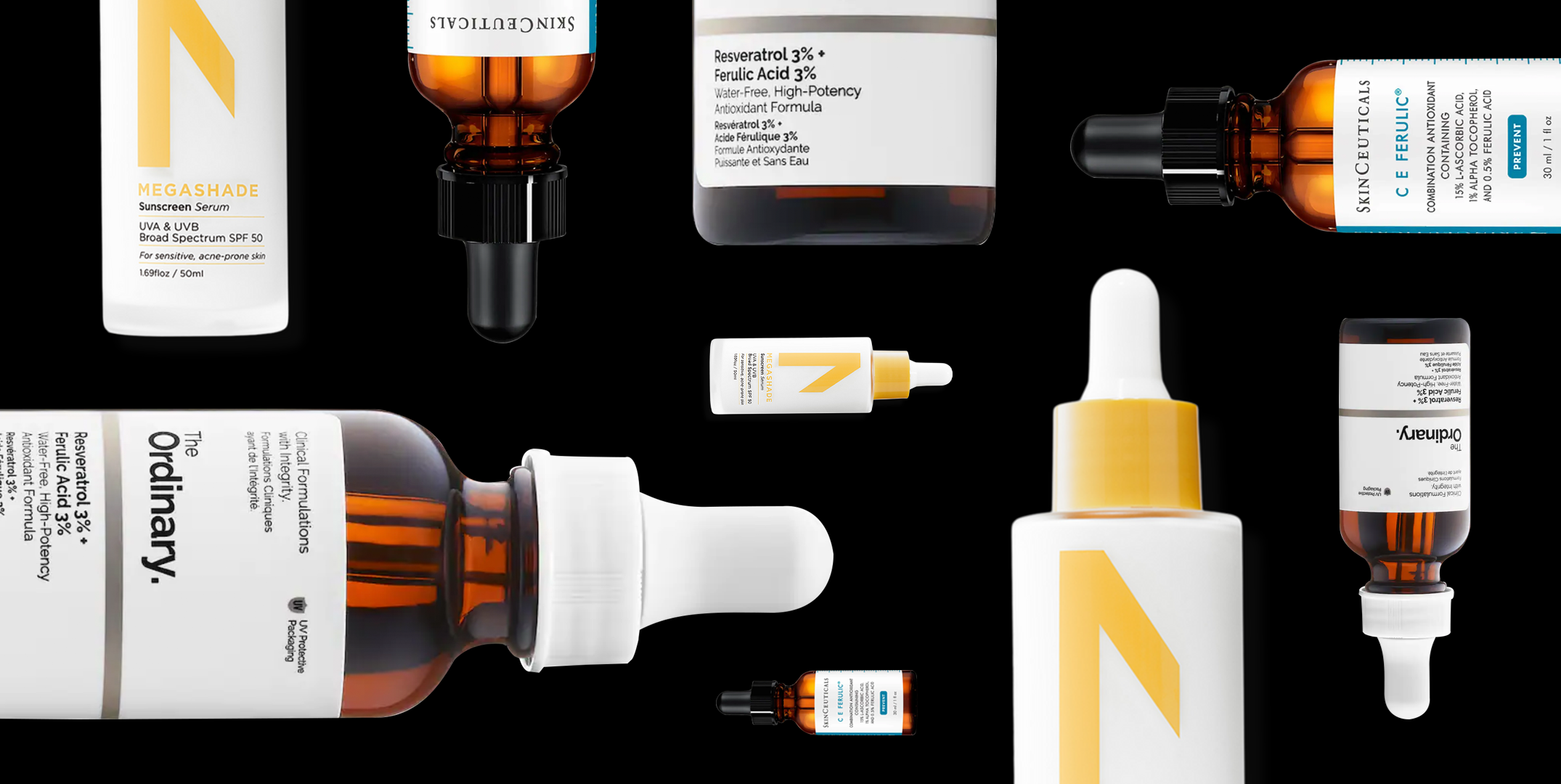
Vitamin C is a staple in many anti-aging skincare regimens, but it’s notoriously unstable on its own and degrades quickly, especially with sun exposure. That’s why vitamin C products are typically packaged in opaque or amber containers.
Ferulic acid is believed to help stabilize vitamin C and enhance its photoprotective capabilities. Photoprotection refers to the ability to reduce damage from sunlight.
A 2005 study indicates that combining ferulic acid with vitamins C and E may provide up to twice the photoprotection compared to using the vitamins alone.
The researchers also suggest that such antioxidant blends could lower the likelihood of future photoaging and potentially reduce skin cancer risk, though these outcomes are not yet fully established.
Does ferulic acid cause any side effects?
Generally, ferulic acid is well tolerated by most skin types. If you have particularly sensitive skin, it’s wise to patch-test a small amount of a new product, just as you would with any skincare addition.
There is a chance of an allergic reaction to ferulic acid, often depending on the plant source it’s extracted from. For example, if you’re allergic to bran, you may react to ferulic acid that originates from that source.
Discontinue use and consult a healthcare professional if you notice any of the following reactions after applying a product containing ferulic acid:
- redness
- rash
- hives
- itching
- skin peeling
Where can I find ferulic acid?
To explore ferulic acid’s skincare advantages, choose a serum that combines ferulic acid with vitamin C.
Some commonly recommended products include:
- DermaDoctor Kakadu C 20% Vitamin C Serum with Ferulic Acid and Vitamin E — A multitasking serum designed to smooth fine lines and wrinkles while improving texture, elasticity, and hydration. Best used each morning.
- DermaDoctor Kakadu C Intensive Vitamin C Peel Pad with Ferulic Acid and Vitamin E — The serum above is also available as an at-home peel option for those seeking exfoliation and smoother skin.
- Peter Thomas Roth Potent-C Power Serum — A twice-daily serum reported to contain vitamin C concentrations far higher than typical serums, with ferulic acid boosting the vitamin’s effectiveness for enhanced anti-aging results.
- PetraDerma C Serum with Vitamins C, E, B, Ferulic Acid, and Hyaluronic Acid — A popular antioxidant-rich formula that also includes hyaluronic acid to help support collagen production.
Topical application via serums or peel pads tends to deliver the most effective skin benefits from ferulic acid.
If you prefer oral options, consider Source Naturals Trans-Ferulic Acid, currently one of the few ferulic acid supplements on the market.
As always, if you have a chronic health condition or take prescription or over-the-counter medications, consult your healthcare provider before starting any new supplement.
The bottom line
Ferulic acid is an antioxidant that can amplify the performance of other antioxidants. In skincare products, it helps shield the skin by lessening the appearance of fine lines, spots, and wrinkles.
If you’re thinking about trying ferulic acid, opt for a topical serum that also contains complementary antioxidants for the best results.
Frequently Asked Questions
Ferulic acid is a plant-derived antioxidant found in foods like bran, oats, rice, eggplant, and citrus. It’s commonly used in topical skincare to neutralize free radicals and enhance other antioxidants.
Applied topically, ferulic acid helps stabilize and boost the effectiveness of antioxidants like vitamin C and E, increases photoprotection, and can reduce the appearance of fine lines and age spots.
Most people tolerate ferulic acid well, but sensitive individuals may experience redness, itching, rash, or peeling. Patch-testing new products is recommended and discontinue use if reactions occur.
Topical serums combining ferulic acid with vitamin C and E generally provide the most direct skin benefits. Oral supplements are available but appear less effective for skin-specific results.
Look for serums that pair ferulic acid with stable vitamin C formulations and vitamin E, packaged in opaque or amber containers to protect ingredients from light and air.
Read Next
What Are Licorice Root's Benefits and Downsides?

Health Benefits of Hawthorn Berry

What Are Deer Antler Supplements? Health Effects and Safety

EGCG (Epigallocatechin Gallate): Benefits, Dosage, and Safety
What Is Colloidal Silver, and Is It Safe?
What Are the Purported Benefits and Uses of PanAway Essential Oil?
Related Posts
Does Tribulus Terrestris Really Work? An Evidence-Based Look
Sep 2, 2026 • 15 min read
Folic Acid vs. Folate — What’s the Difference?
Aug 17, 2026 • 34 min read
Seed Probiotics Review 2025: A Dietitian’s Take
Aug 24, 2026 • 7 min read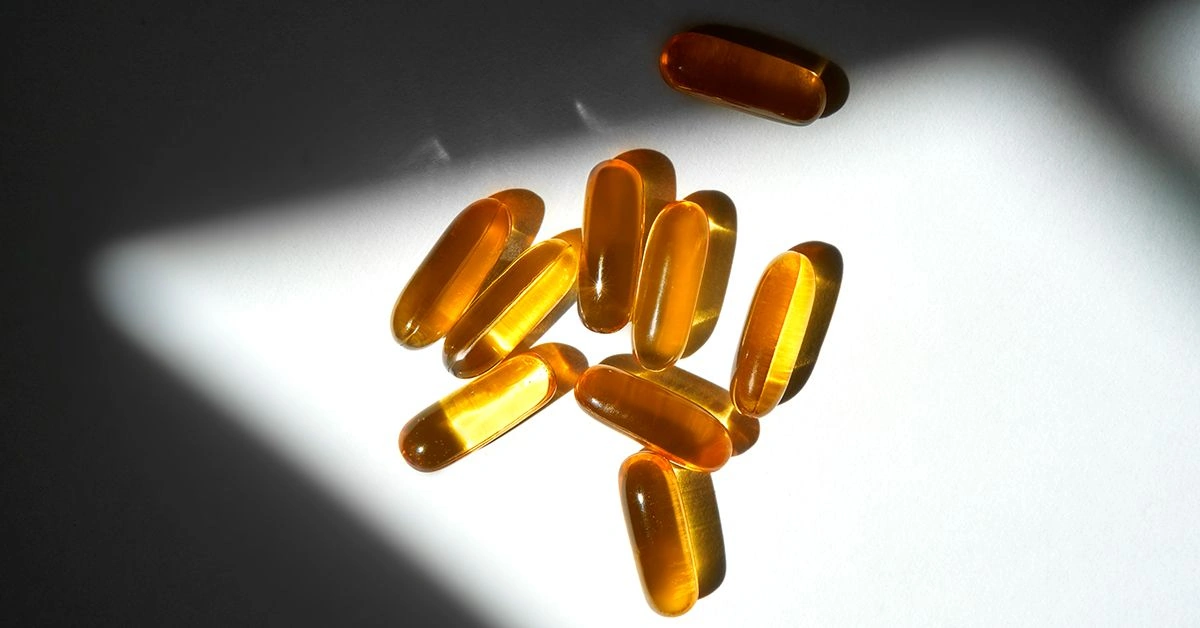
Does Evening Primrose Oil Safely Induce Labor?
Aug 16, 2026 • 12 min read
Is Willow Bark Nature’s Aspirin?
Sep 8, 2026 • 24 min read