
What is eyebrow lamination?
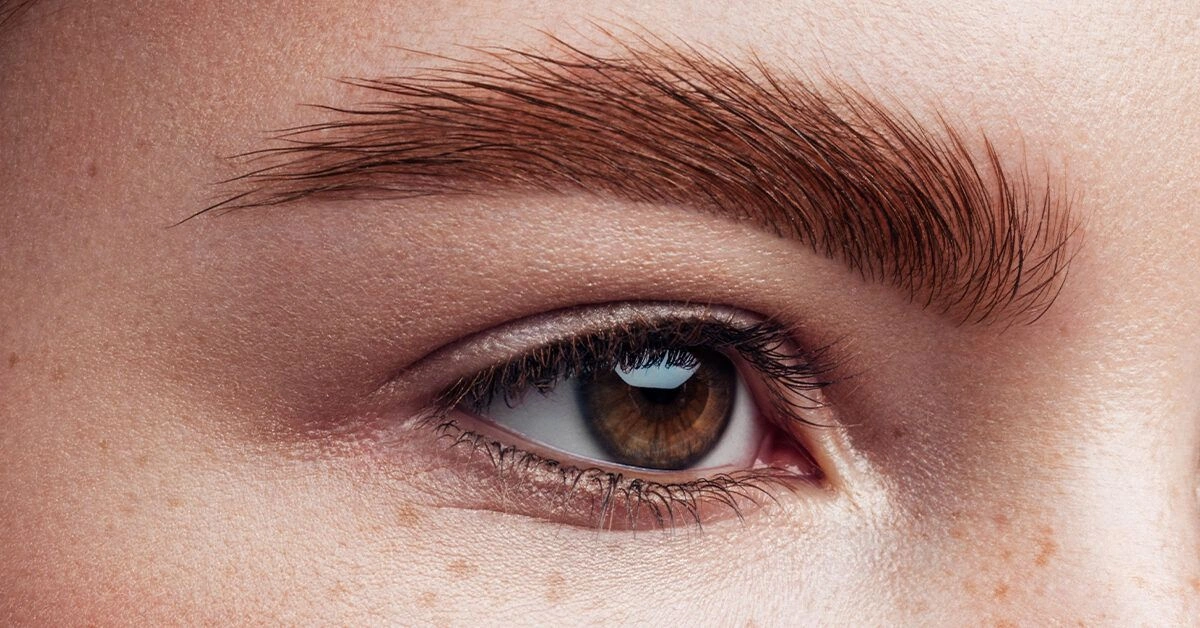
Eyebrow lamination is a newer beauty treatment designed to create sleek, shiny brows. Sometimes referred to as an “eyebrow perm,” the glossy finish appeals to people dealing with thinning or unruly brows. Unlike microblading, this method doesn’t involve needles or pigment insertion.
As a semi-permanent option, eyebrow lamination can be a good choice if you want your brows held in a particular shape without applying eyebrow gel every day. The effect is temporary and will require touch-ups down the line, and there are potential risks. Keep reading to learn the essential details about this trend.
Brow lamination how-to
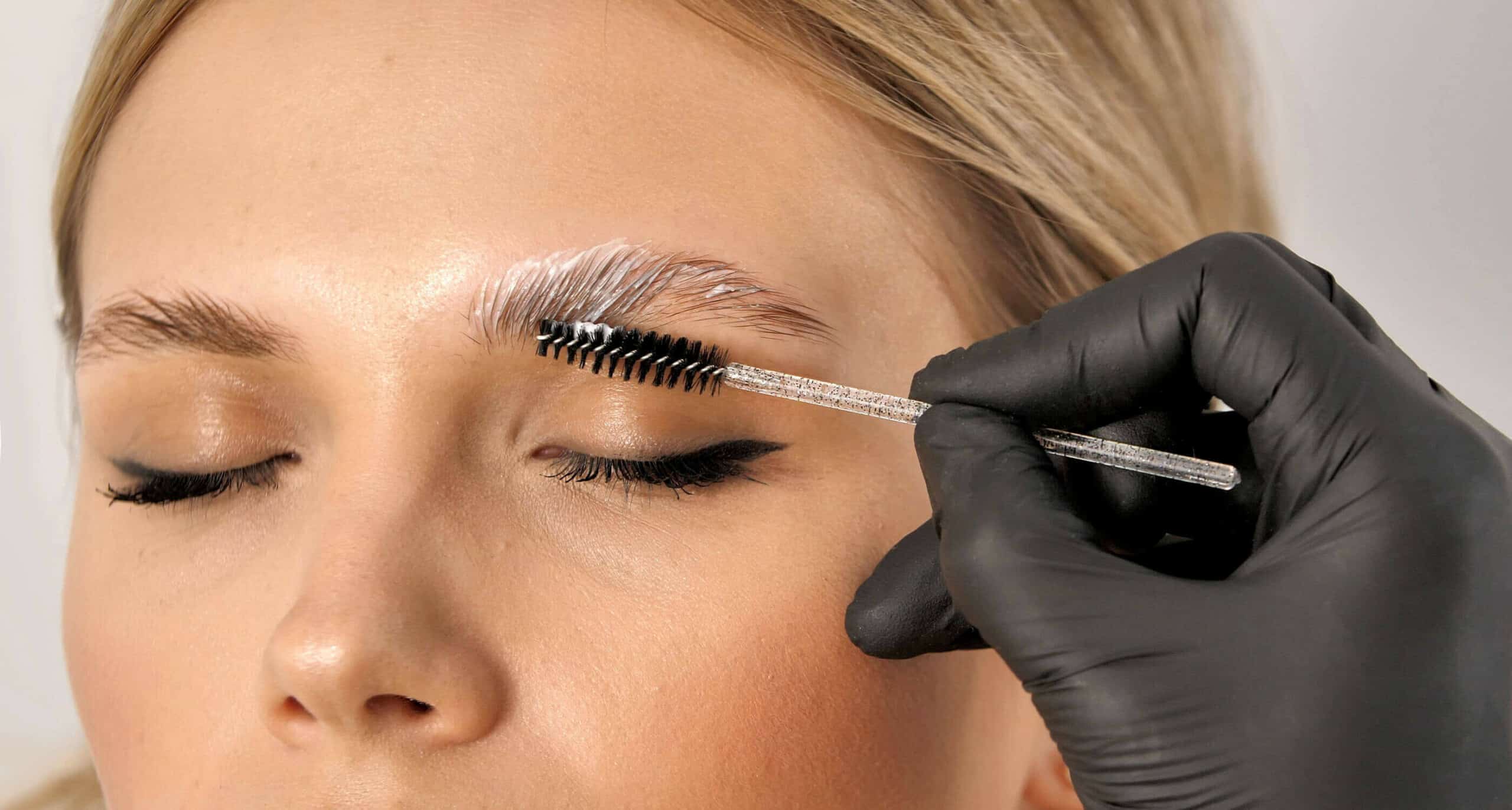
Brow lamination works by “perming” the brow hairs to achieve a fuller, more uniform appearance. It can also help your brows stay put after washing off any makeup.
The procedure generally includes the following steps:
- Your technician first applies a cream intended to “lift” the hairs.
- Then the brow hairs are brushed upward to align them in a consistent vertical direction.
- A neutralizing solution is applied next to lock the hairs into place.
- Finally, a nourishing oil is used to soothe the skin and reduce hair dryness that may result from the chemicals used during the perm.
The whole service typically takes under an hour. Optional extras may include:
- tweezing stray hairs
- waxing to shape your arch
- tinting to deepen or change color
After treatment, apply a nourishing oil or cream nightly to help prevent brow dryness.
Brow lamination benefits
Eyebrow lamination can help with multiple brow concerns, such as:
- hair thinning that can happen with age
- gaps from past overplucking or excessive waxing
- hairs that grow in different directions despite brushing
- uneven shape or lack of definition
In general, lamination is intended to make brows appear thicker and more substantial. Lifting the hairs vertically can also create the illusion of new growth. The treatment is non-invasive overall.
Potential risks and side effects
Although brow lamination is less invasive than brow surgery or tattooing, there are side effects to consider, mostly due to chemical irritation. These can include:
- swelling
- redness
- peeling
- itching
- bumps
These reactions may show up above and below the brows and can even affect the eyelids.
This treatment may not be suitable if you have:
- sensitive skin
- rosacea
- eczema
- a history of contact dermatitis
Just as perming scalp hair can cause dryness or damage, repeated brow lamination can potentially harm eyebrow hairs, especially if treatments are done more frequently than every six weeks.
A more serious concern is potential eye injury if chemicals accidentally enter the eye during the process.
Before and after pictures
Brow lamination aims to give your eyebrows a fuller, smoother look. See before-and-after images to get a sense of possible outcomes.
How long does brow lamination last?
One major drawback of eyebrow lamination is its temporary nature. To preserve the effect, you’ll need repeat sessions every few months, similar to a conventional perm.
It’s important that your technician applies a moisturizing oil or cream immediately after the treatment. Using the same product at home can also help maintain healthy brows and reduce damage.
How much does brow lamination cost?
On average, eyebrow lamination sessions are priced between $50 and $100.
Compared with other brow services, lamination is relatively inexpensive, likely because it requires minimal time and supplies.
Still, prices can differ among providers, so ask about costs before booking an appointment.
How to find a provider
For brow lamination, consider contacting a licensed aesthetician or a professional makeup artist. Ask whether they have direct experience performing this specific treatment.
You can also look for “brow studios” or “brow artists” in your area, as these businesses specialize in eyebrow services.
When selecting a provider, be sure to inquire about their:
- experience
- licensing and credentials
- fees
- portfolio of past work
- guidance on aftercare and potential side effects
Alternatives to brow lamination
There are several other treatments that aim to create a fuller brow. Many involve semi-permanent color, which the FDA has not approved for use around the eye area. Below are some common alternatives.
Microblading
Microblading is a professional technique that uses small incisions beneath the brow hairs with fine needles. Pigments are placed into these cuts to simulate fuller brows. Results typically last about 12 to 18 months before fading begins.
Microshading
Microshading also deposits pigment but uses tiny dots throughout the brow for a shaded effect. The outcome is semi-permanent and usually requires touch-ups after several months.
Permanent tattooing
If you prefer a longer-lasting color option and tolerate more discomfort, permanent makeup tattooing is another choice. Though longer-lasting, the color can still fade over years, and deeper needle penetration may raise the likelihood of side effects.
Tinting
For a less invasive route to richer color, eyebrow tinting involves applying dye at a salon. Results last for a few weeks before needing renewal.
Penciling
Filling in sparse areas can also be done with an eyebrow pencil or powder. Choose a shade that complements your natural brow color and use light strokes to build your desired look.
Brow gel
To control unruly hairs rather than add color, a waterproof brow gel can help. It applies like mascara and is brushed upward and outward across the brows. As with penciling, the effect lasts until you wash it off.
Takeaway
If you want longer-lasting hold and the appearance of thicker brows, eyebrow lamination may be worth considering. The perm-like technique can make brows look fuller and more defined—qualities that have become increasingly trendy.
As with any cosmetic service, choose a licensed, experienced professional. If you have chronic skin conditions, consult a dermatologist to ensure the chemicals used in lamination won’t provoke a flare-up.
















Leave a Reply
You must be logged in to post a comment.