
Humans typically sleep lying down. For many, this position is essential to feel at ease and achieve restorative rest.
Much of this preference relates to how gravity interacts with our bodies. Sleeping while standing or sitting upright would force muscles to work harder to keep you upright, making it harder to fall and stay asleep.
Moreover, lying down is important for reaching REM sleep, a vital sleep phase when memories are consolidated and muscles are largely inactive. Being horizontal helps you progress through this stage without needing to engage supporting muscles.
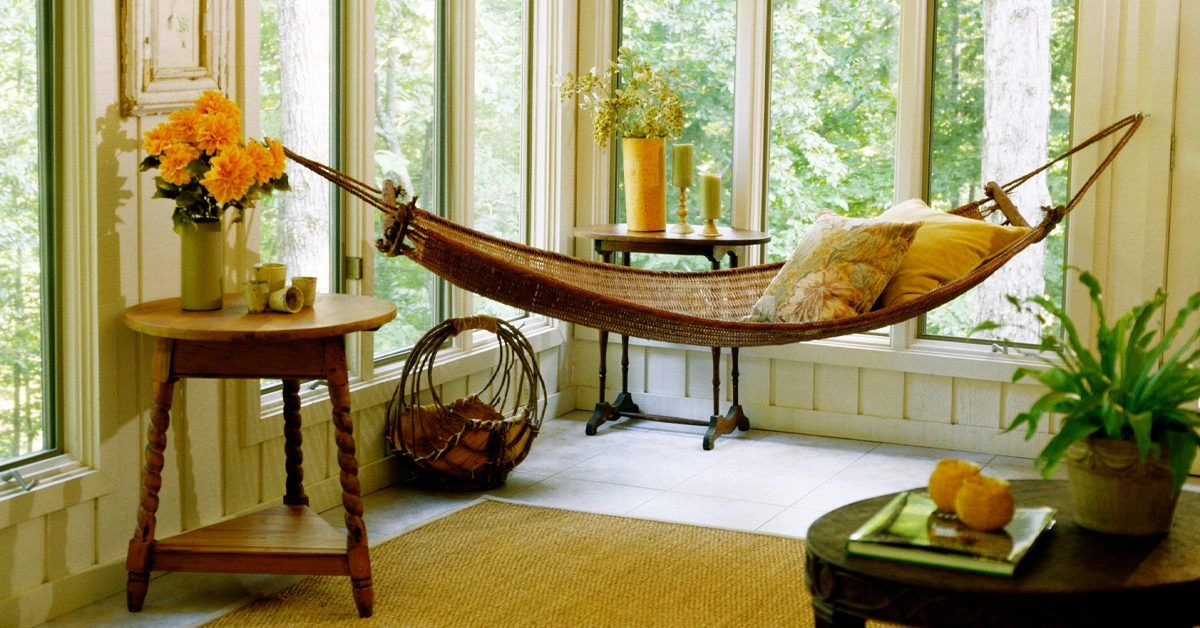
Most people sleep on a mattress in a bed. However, some prefer hammocks, and in various regions of the world, hammock sleeping is commonplace.
If your mattress is uncomfortable, you may wonder whether switching to a hammock is a better option. Advocates suggest multiple health perks, but scientific study on the topic is scarce.
Potential advantages of sleeping in a hammock
So far, researchers haven’t deeply investigated the advantages of hammock sleeping. Much of the scientific attention has focused on infants, and many adult benefits remain anecdotal.
There is some evidence that sleeping in a hammock might provide a few benefits:
Deeper sleep
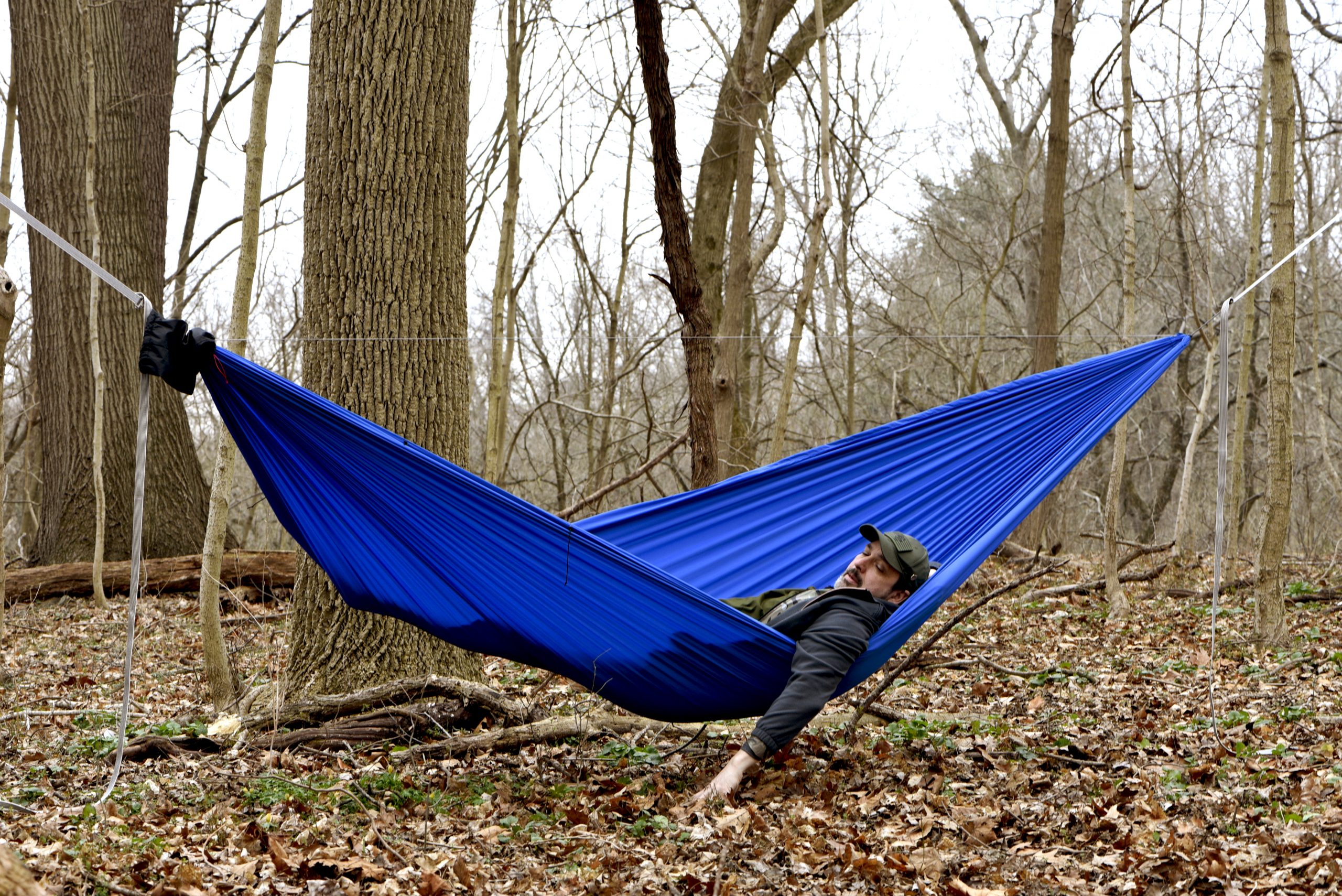
The gentle rocking of a hammock may help people fall into deeper sleep. A small 2011 study explored this idea by having 12 men take two 45-minute afternoon naps on different days — one on a stationary bed and one on a swinging bed.
During the naps, researchers used polysomnography and EEG to monitor brain activity. They observed that naps in the swinging bed accelerated the switch from wakefulness to sleep and extended stage 2 sleep, the light-sleep phase that precedes deep sleep.
Researchers suggested the motion may entrain internal sleep rhythms, promoting deeper sleep. The rocking might also induce relaxation by producing a soothing sensation.
However, this study is limited by its age, small sample size, and focus on naps rather than full-night sleep. More robust research is necessary to determine how sleeping in a hammock affects sleep quality over longer periods.
Pressure point relief
Sleeping on a mattress often concentrates pressure on areas like the:
- shoulders
- back
- buttocks
A quality mattress helps distribute pressure and reduce strain on these pressure points. Conversely, an old or poorly designed mattress can aggravate them.
Proponents of hammock sleeping claim it eases pressure on those areas because the fabric flexes to distribute weight more evenly and contours to your natural shape.
Although many hammock users report relief, this remains theoretical; researchers have not thoroughly examined how hammocks impact pressure points.
Fewer bugs
If you sleep outdoors or have a mattress on the floor, a hammock could offer an advantage.
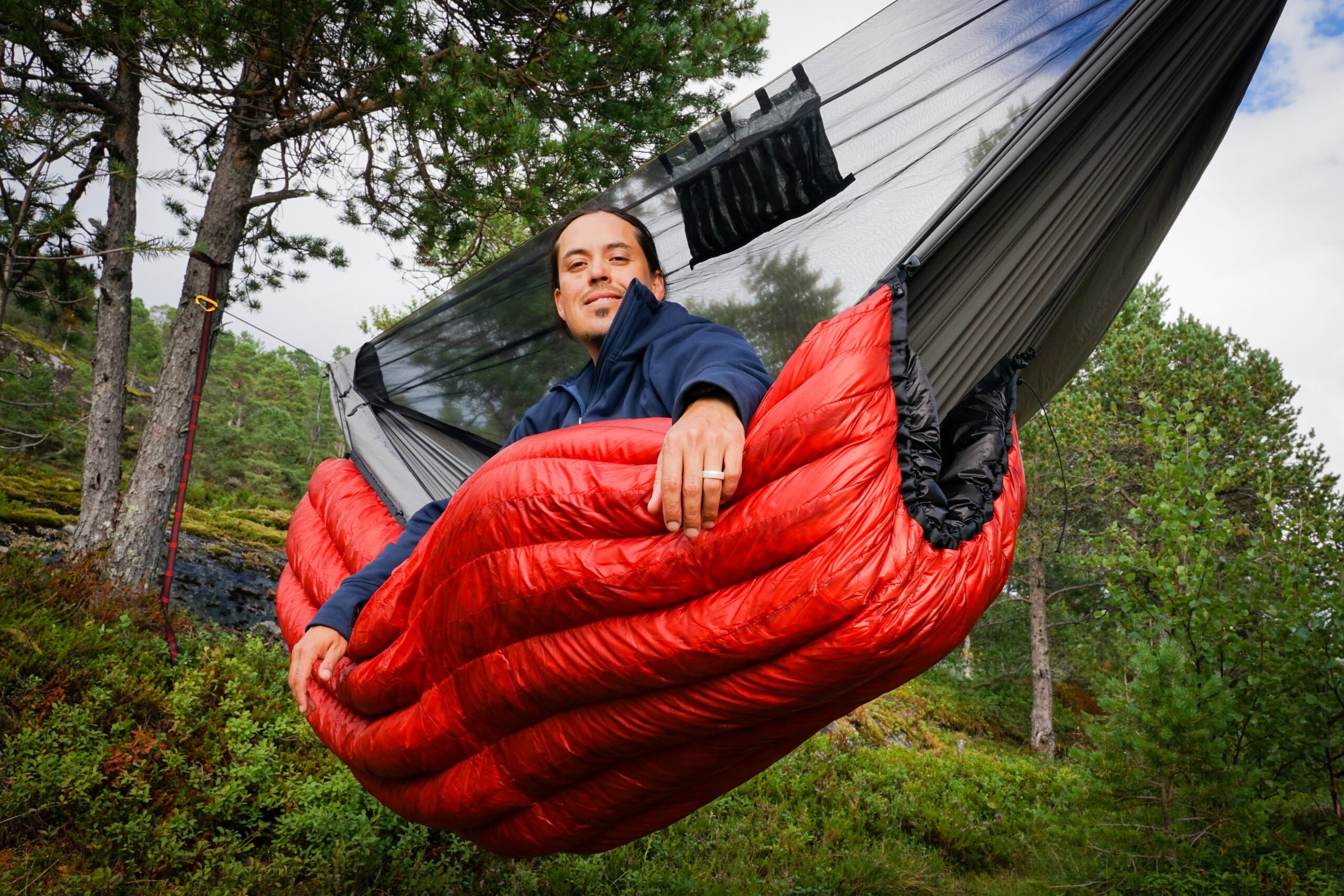
Hammocks elevate you off the ground, reducing exposure to crawling insects — a benefit when camping.
Inside a bedroom, sleeping in a hammock might reduce contact with dust mites that accumulate in mattresses.
That said, hammock use won’t completely eliminate contact with all pests; flying insects can still be an issue.
Is sleeping in a hammock every night beneficial?
Because research on sleeping in hammocks is limited, there’s no conclusive evidence that nightly hammock sleeping is either beneficial or harmful to health.
Enthusiasts claim it can:
- encourage deeper sleep
- shorten the time it takes to fall asleep
- reduce insomnia
- alleviate back pain
Again, these claims are largely anecdotal. If you’re considering making a hammock your nightly bed, consult a healthcare provider first.
Could hammocks be bad for your back?
Hammock sleeping isn’t suitable for everyone. Depending on your sleep habits and health, it can produce unwanted effects.
Possible downsides include:
- neck discomfort
- back pain
- changes in posture
- risk of falling out
- difficulties getting in or out
- stiffness from limited room to stretch
How to hang a hammock safely
There are many hammock styles. Traditional models hang between two fixed supports like trees; others use a metal stand so no external supports are needed.
Nylon hammocks are generally better for sleeping; rope or netting hammocks are more suited to short periods of lounging.
To hang a conventional hammock safely, follow these steps:
- Consult the manufacturer’s recommendations for the proper hanging distance, including minimum and maximum spacing between supports.
- Do not attach a hammock to anything that moves, such as a trailer. Avoid using dead trees or trees with dead limbs, which can be hazardous.
- Indoors, use the mounting hardware supplied by the manufacturer.
- Outdoors, secure the hammock ends to supports with ropes or tree straps.
- Do not hang the hammock more than 18 inches above the ground, and avoid positioning it over water.
If you’re using a hammock with a metal stand, assemble and set it up according to the manufacturer’s instructions.
Tips for sleeping in a hammock
To improve comfort when sleeping in a hammock, try these suggestions:
- Use a pillow to support your neck.
- Wrap yourself in a large, cozy blanket.
- Lie diagonally across the hammock to increase available space.
- For added lumbar support, place a pillow or a rolled blanket beneath your knees.
If you’re curious about other sleep aids, consider reading about sleeping with earplugs to block noise for a better rest.
Bottom line
Some people sleep in hammocks by necessity or preference, and many believe the practice can promote deeper sleep and relieve pressure points. However, there isn’t enough scientific evidence to confirm these benefits; most reports are anecdotal.
Occasional naps in a hammock are generally considered safe for most people. If you plan to sleep in a hammock every night, discuss it with a healthcare professional first, as it may lead to issues like back pain or altered posture.























Leave a Reply
You must be logged in to post a comment.