

Many runners opt for evening jogs instead of morning or daytime sessions. This choice can stem from a hectic morning agenda, eating patterns, or simply an affinity for the atmosphere as the day winds down.
Read on to discover the perks of running at night and a handful of safety measures to keep in mind.
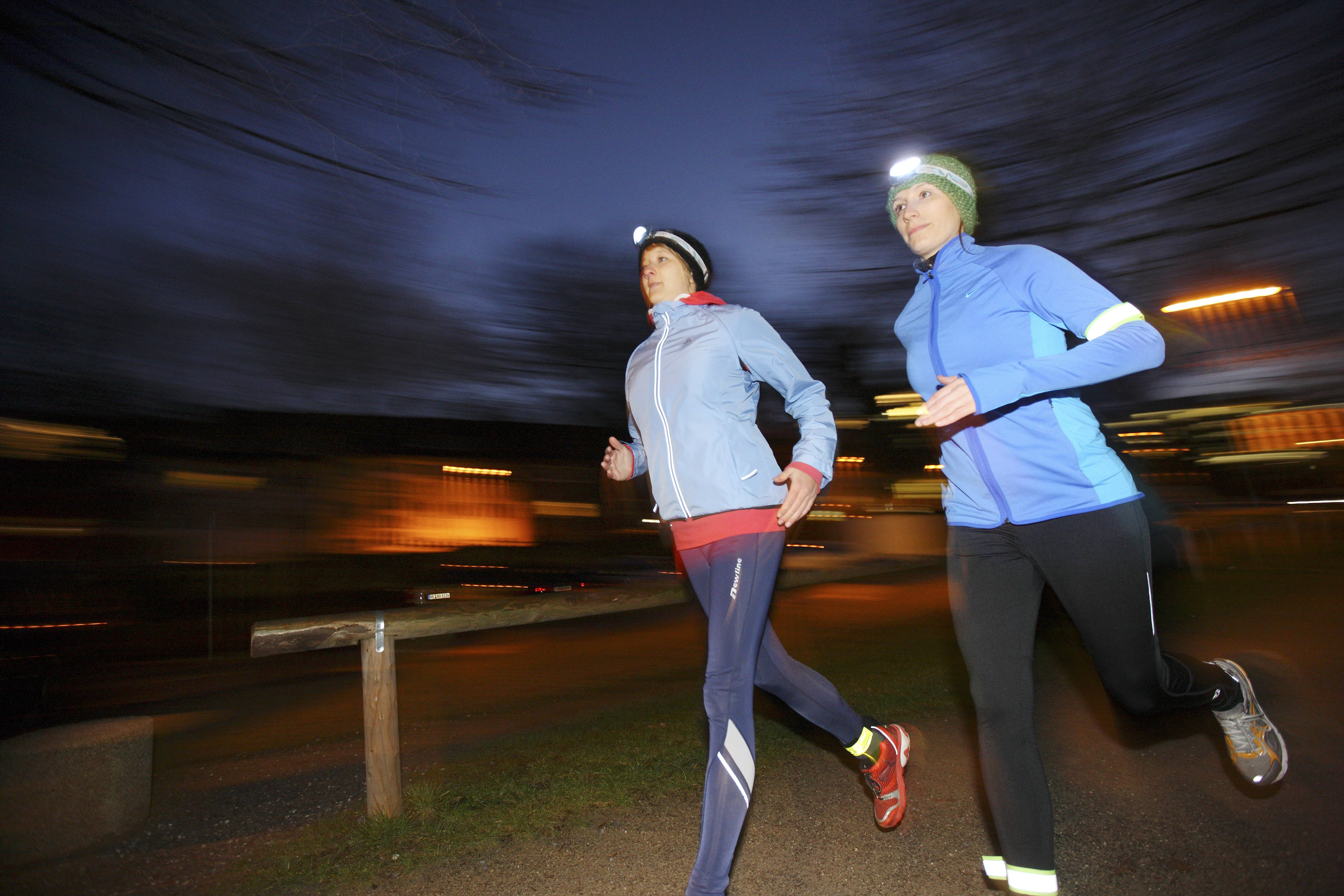
Benefits and tips for running at night
1. Promotes healthier eating habits
Running in the evening can encourage healthier food choices throughout the day, since you’ll be mindful that pre-run meals — particularly those eaten close to your workout — need to be digestible.
If you prefer exercising on a relatively empty stomach, you might gravitate toward lighter, easily digested options and steer clear of greasy, heavy meals.
Additionally, you may be less inclined to drink alcohol at dinner. Choose nourishing, hydrating beverages like coconut water, herbal infusions, or fresh fruit juices instead.
2. Time to eat earlier in the day
Evening workouts give you plenty of opportunity to eat and let your food settle before heading out. This suits people who dislike running on an empty stomach in the morning but also struggle with running immediately after a meal.
3. More flexibility in your schedule
If mornings are hectic and missed alarms shorten your workout, you may skip sessions altogether on days you oversleep.
Night runs can be a great solution for those with busy daytime timetables, allowing for a more leisurely start to the morning.
With fewer daytime interruptions, evenings might offer a quieter window to concentrate on your run and potentially log longer distances.
4. Improved sleep
People who exercise in the evening often report deeper, higher-quality sleep. You might fall asleep more easily and experience more restorative rest.
Night runs suit those who feel fatigued after exercising, since it’s convenient to go to bed not long after an evening workout.
A 2019 study showed that evening exercise had beneficial effects on sleep, although exercising less than an hour before bedtime could negatively affect certain aspects of sleep.
Taking a warm shower or bath after your run may help you relax and enhance sleep quality.
Always end your runs with a cooldown to help your body transition toward rest.
5. Wash away the day’s stress
Conclude your evening with a clean mental slate before turning in. Running offers a chance to discharge tension, irritation, or stress accumulated during the day.
You can also use this time to outline plans for the next day, so your mind may feel clearer and more at ease when you lie down, reducing rumination and distraction.
Running lowers blood pressure, eases muscle tightness, and fosters relaxation. The release of endorphins elevates mood and can help relieve depressive feelings.
Hitting the pavement eases anxiety and promotes mindful presence, leaving you with a clearer head and a sense of calm.
6. Muscles are warmed up and ready
If you wake with stiff, less flexible muscles and joints, evening runs might suit you better.
Your body may not be primed for intense activity first thing, particularly if you have conditions that cause stiffness.
By day’s end your body is often more limber and prepared, reducing the risk of injury or overexertion.
You may experience improved muscle control and coordination at night, and you’ll likely have more opportunity for a thorough warm-up before starting your run.
Drawbacks
There are some downsides to evening runs, mostly related to safety. It’s important to be mindful of these issues so you can stay safe.
Safety tips
7. Visibility
After sunset it’s tougher to spot potholes, uneven pavement, or icy patches. Be extra vigilant about the surface you’re running on.
Consider buying a running headlamp. Stick to well-lit routes, wear nighttime running apparel, or attach high-visibility reflective bands to your limbs.
Purchase a running headlamp and high-visibility reflective bands.

8. Keep your senses sharp
Stay alert visually and auditorily so you’re fully aware of your environment.
Avoid headphones, which can diminish your ability to hear oncoming vehicles, people, or animals.
If you must use earphones, keep the volume extremely low.
9. Pick well-traveled routes
Choose routes that are well-lit and busy. Opt for areas that feel secure to you.
Trust your instincts if a street feels off, even if it means changing your planned route.
Vary your running path frequently so it’s not predictable.
10. Stay connected
When possible, run with a partner at night — even a dog. Tell at least one person where you’re running so they’ll expect you back.
Carry your phone so you can call for help if you encounter bad weather or an emergency.
You can also add a medical ID and use a GPS safety app that shares your route with friends and family.
11. Follow road rules
Run facing traffic so you can see oncoming vehicles. Look both ways before crossing, even when you have the right of way. Obey traffic laws, signs, and signals.
Morning vs. night
If you’re not a morning person and the snooze button repeatedly derails early runs, it may be time to rethink your routine.
It ultimately boils down to personal preference, weather, and your daily timetable.
If your runs feel stale, trying a different time of day can be a refreshing change.
Pay attention to how your body responds to running at various times. You might find evening runs best kept at a lower intensity; many runners reserve intense or interval sessions for midday.
If you want to ramp things up, consider running twice a day, experimenting with different workouts at different times.
The bottom line
You can run at any hour. Running daily is fine as long as you avoid overtraining.
Weigh the pros and cons of night running and choose what suits your body and schedule best.
Create a training plan with clear, attainable objectives—whether your goals are to boost mental health, endurance, strength, or manage weight. Consistency will help you see progress.
Reassess your goals every few weeks and adjust as needed. Most importantly, listen to your body and take rest days when necessary.























Leave a Reply
You must be logged in to post a comment.