

Calcium lactate is an additive commonly incorporated into many foods to improve texture and taste or to help prolong shelf life.
This substance is also employed in some medications and certain calcium supplement formulations.
This piece covers the essentials about calcium lactate, including its possible advantages, adverse effects, and the foods that often contain it.
What is calcium lactate?
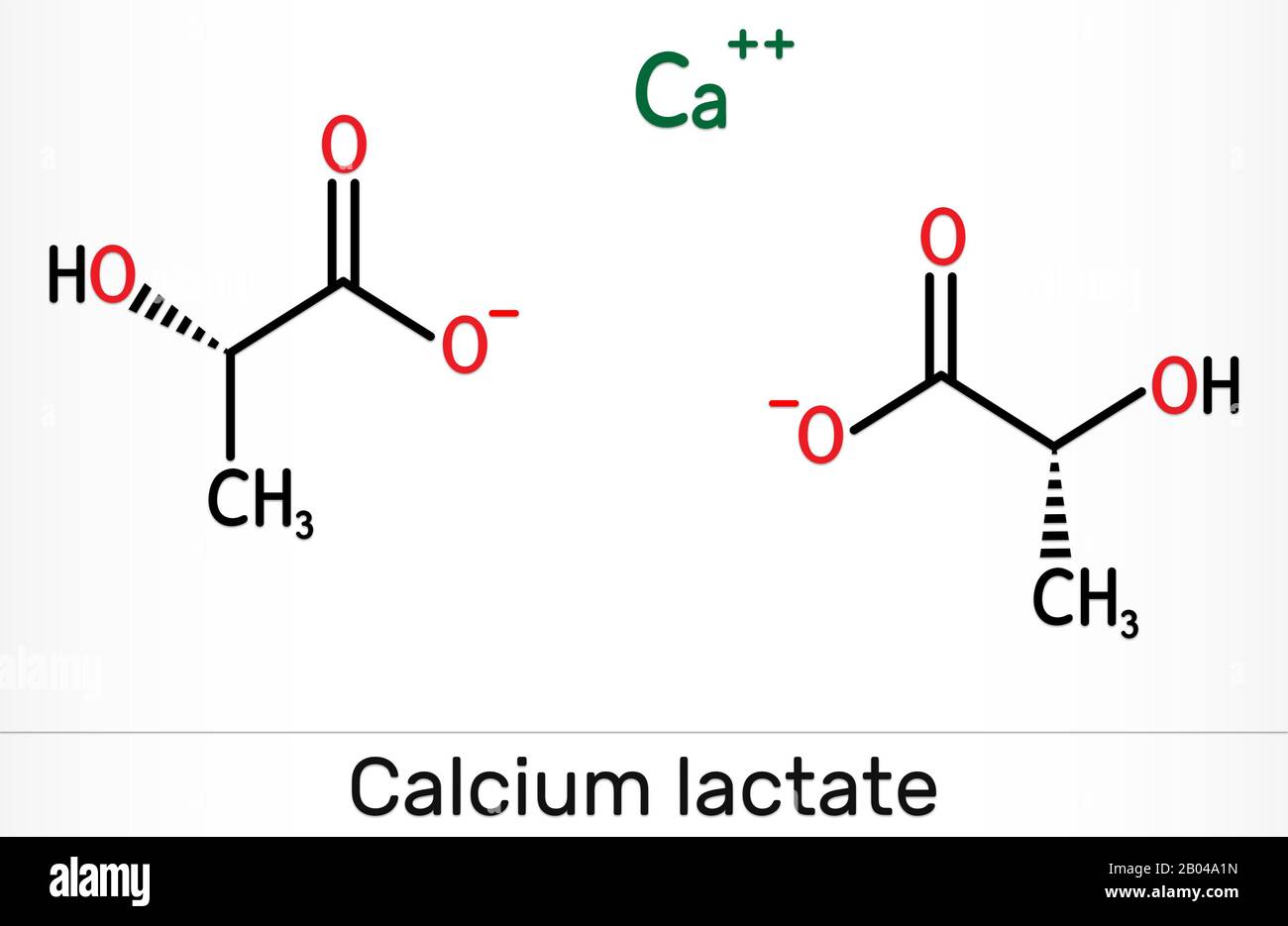
Calcium lactate is a white to cream-colored, nearly odorless additive made from lactic acid, a molecule that cells produce naturally when generating energy under low-oxygen conditions (1).
It’s manufactured commercially by neutralizing lactic acid with calcium carbonate or calcium hydroxide and is primarily used to stabilize, thicken, enhance flavor, firm, or help leaven food products. Calcium lactate is often identified by its name or its E number — E327 (2, 3).
It can also be added to calcium supplements or medicines for conditions such as acid reflux, bone degeneration, parathyroid dysfunction, or certain muscular disorders.
Additionally, calcium lactate may be used in animal feed or in water treatment to make water safe for drinking (4, 5).
Despite the similar name, calcium lactate does not contain lactose, so it is suitable for individuals with lactose intolerance.
Summary: Calcium lactate is a commercially manufactured food additive used to stabilize, thicken, flavor, firm, or leaven foods. It’s also applied in water treatment, animal feed, calcium supplements, and certain pharmaceuticals.
Which foods contain calcium lactate?
Calcium lactate is frequently used as an additive in processed foods, including (4):
- nectars
- jams, jellies, and marmalades
- butter, margarine, and other cooking or frying fats
- canned fruits and vegetables
- beer
It’s also sometimes applied to fresh items like mozzarella, fresh pasta, or pre-cut fruit to help them stay firm or last longer (4, 6).
You can identify calcium lactate on ingredient lists; it may also appear as E327 (3).
Summary: Calcium lactate shows up in many packaged items like jams, beers, and cooking fats, as well as canned produce. It can also be added to some cheeses, fresh pasta, and cut fruit.
Potential health benefits
There are very few studies that have evaluated the specific health effects of calcium lactate itself.
However, it can serve as a calcium source in supplements, and some research associates calcium-rich diets with healthier, stronger bones, though findings are mixed (7, 8, 9, 10).
Obtaining calcium from foods is usually preferable, but supplements can be useful for people who cannot meet their needs through diet alone (7).
When taken as a supplement, calcium lactate may offer advantages similar to other calcium preparations, such as:
- Improved bone strength. With adequate vitamin D, calcium supplements may support the development and maintenance of strong bones (7, 11, 12).
- Lower blood pressure. Diets higher in calcium may slightly reduce systolic blood pressure in people with elevated readings, though benefits in those with normal blood pressure appear minimal (13).
- Reduced risk of preeclampsia. Greater calcium intake during pregnancy might decrease the chance of preeclampsia, a severe complication affecting a portion of pregnancies worldwide (7, 14, 15).
- Possible protection versus colon cancer. Some studies indicate that higher calcium intake from food or supplements may lower colon cancer risk, though additional research is required to confirm this (11).
Older research suggests that chewing gums with calcium lactate combined with the sweetener xylitol might help prevent cavities, but further studies are necessary to validate these claims (16, 17).
Per gram, calcium lactate typically supplies less elemental calcium than more common forms like calcium carbonate or calcium citrate (18).
As a result, supplements using calcium lactate may be larger to deliver the same calcium dose, which could make them harder to swallow or require taking more tablets.
Calcium lactate is probably less likely to cause constipation than calcium carbonate, but it does not offer advantages over calcium citrate. This is one reason it’s not often the primary ingredient in calcium supplements (18).
Summary: Calcium lactate is sometimes included in calcium supplements, which may aid bone health, oral health, and blood pressure, and possibly lower colon cancer risk for those who can’t get enough calcium from their diet.
Safety and precautions
The U.S. Food and Drug Administration (FDA) classifies calcium lactate as generally recognized as safe (GRAS) and permits its use in foods except for infant formulas and baby foods (2).
It’s viewed as a safe calcium source in supplements and, because it contains less elemental calcium than some alternatives, it is less likely to provoke constipation or stomach upset commonly linked to calcium carbonate (18).
However, excessive calcium intake from supplements can cause hypercalcemia, a condition marked by dangerously high blood calcium that can affect heart and kidney function (7).
It’s recommended not to exceed the tolerable upper intake levels (UL): 2,500 mg/day for adults under 50 and pregnant or breastfeeding adults, 2,000 mg/day for those 51 and older, and 3,000 mg/day for pregnant or breastfeeding adolescents under 19 (7).
Calcium lactate supplements can interact with medications, such as certain diuretics, antibiotics, and anticonvulsants. Consult your healthcare provider before starting supplements.
Summary: Calcium lactate is generally safe as a food additive. As a supplement, it can interact with some drugs and excessive intake may lead to hypercalcemia.
The bottom line
Calcium lactate is a manufactured additive used to stabilize, thicken, flavor, firm, or leaven foods. It’s commonly present in packaged goods like jams and canned items but can also be added to fresh cheeses, pasta, or cut fruit.
It also appears in some medications and can serve as the calcium source in certain supplement types. Overall, it is generally regarded as safe in either form.
Nevertheless, too much calcium from supplements can be harmful. Therefore, consult a healthcare professional about safe usage and dosing.





















Leave a Reply
You must be logged in to post a comment.