
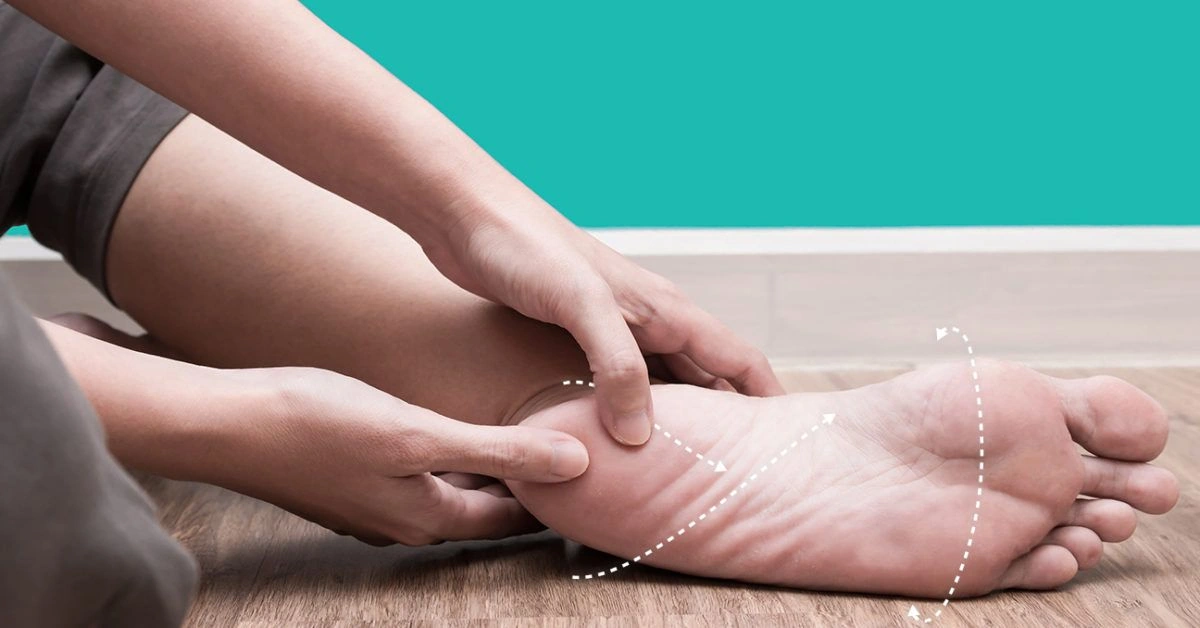
Taping is a simple home method to help manage plantar fasciitis, although it may take a few attempts to master the technique.

What is plantar fasciitis?
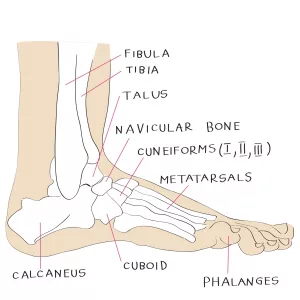
Plantar fasciitis is a painful disorder involving the plantar fascia, a ligament that stretches from the heel to the toes and supports the foot’s arch.
Activities like walking, running, jumping, or standing place stress on the plantar fascia. Excessive strain can cause small tears or other damage, triggering an inflammatory response. This leads to plantar fasciitis, which produces heel pain and stiffness along the bottom of the foot.
There are several approaches to managing plantar fasciitis, and taping is one of them. Plantar fasciitis taping, often referred to as low-Dye taping, uses specialized tape applied around the foot and ankle. This helps stabilize the plantar fascia and supports the arch.
Read on to learn more about how to tape your foot to ease plantar fasciitis.
What are the benefits of taping for plantar fasciitis?
Plantar fasciitis stems from excessive strain on the plantar fascia. Taping can limit the amount the ligament stretches and moves while you’re on your feet. That reduction in movement gives the plantar fascia a chance to recover and helps prevent additional injury.
A 2015 review of eight studies found that taping offers short-term pain relief for people with plantar fasciitis. The review did not find definitive evidence for long-term benefits of taping.
An additional 2015 study compared taping with 15 minutes of physiotherapy consisting of transcutaneous electrical nerve stimulation for 15 minutes and five minutes of low-level infrared therapy. Participants who combined taping with physiotherapy experienced less pain than those who received only physiotherapy.
What materials do I need for taping?
Plantar fasciitis taping is commonly done with zinc oxide tape. This cotton athletic tape is stiffer than many other tapes, making it more effective at stabilizing joints and restricting movement.
Zinc oxide tape still has slight elasticity, allowing for a snug application around the foot. It’s also durable, water-resistant, and generally gentle on skin.
Where to buy
Amazon sells zinc oxide tape in various lengths, widths, and colors. You can also find it at some pharmacies and sporting goods stores.
What about kinesiology tape?
Some people opt for kinesiology tape instead. Unlike standard athletic tape, kinesiology tape lightly pulls on the skin to boost blood flow and reduce swelling. This may help speed recovery.
However, proper application requires some skill. If you’re considering kinesiology tape, it’s wise to see a physical therapist for a few sessions so they can teach you the most effective application techniques.
How do I apply the tape?
Make sure your feet are clean and completely dry before taping.
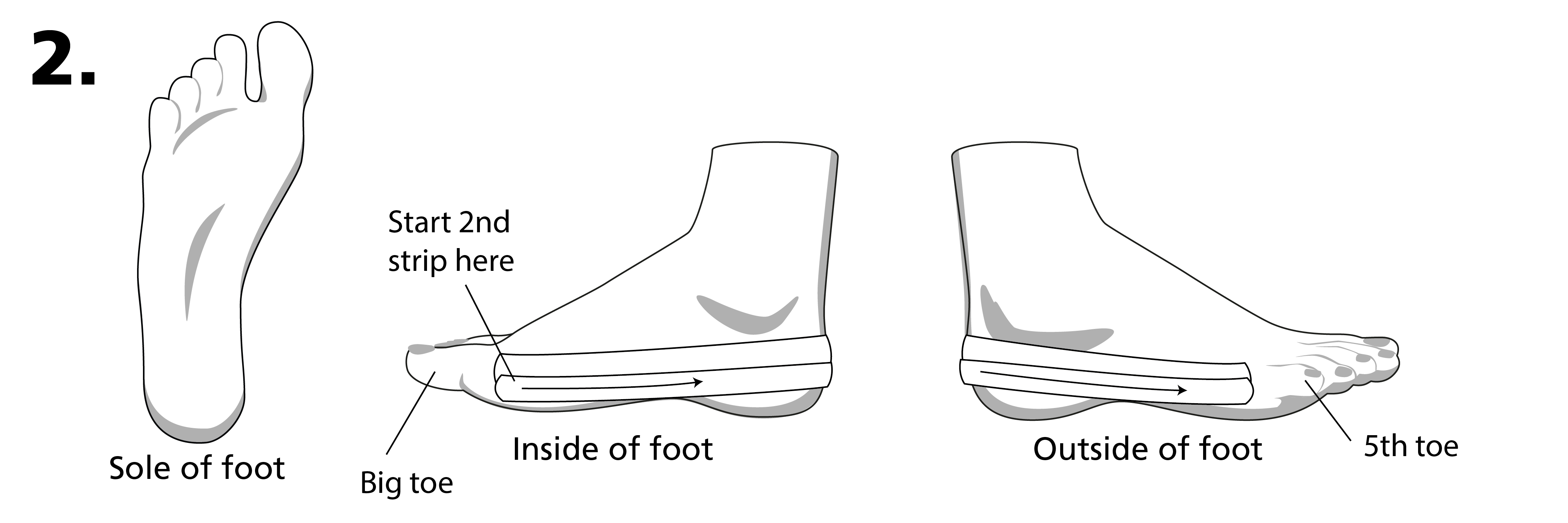
When you’re ready, follow these steps:
- Place the foot in a neutral position and wrap tape around the ball of the foot, then cut the tape.
- Apply a strip of tape around the heel, attaching each end to the tape at the ball of the foot.
- Apply a second strip around the rear of the heel. This time, pull each end across the sole of the foot and anchor them to the ball of the foot. You should form an X on the sole. Repeat this step two more times for added support.
- Cut several strips to match the width of your foot. Lay them horizontally across the sole so the X is covered and no skin is showing except near the toes.
- Press the tape down to ensure it lies smooth against your foot.
- Remove the tape each night before bed.
- If daily taping irritates your skin, place an adhesive pre-wrap under the zinc oxide tape. This also helps the zinc oxide tape adhere better.
The bottom line
Taping your foot can lessen the symptoms of plantar fasciitis and allow the plantar fascia time to heal. It may take several tries to perfect your technique, so keep extra tape available.
















Leave a Reply
You must be logged in to post a comment.