
Blisters that develop between your toes are most often the result of a fungal infection, repeated rubbing, or an allergic reaction. In many instances, these can be managed at home.
When a blister appears between two toes, what starts as mild irritation can quickly escalate into sharp pain, particularly if you spend long periods standing or walking.
There are two primary categories of interdigital toe blisters: those from friction and those not caused by friction.
Blisters that form directly between two toes without friction are usually due to infection or an allergic trigger. More commonly, blisters occur when one toe consistently rubs against its neighbor, irritating the skin. These are often referred to as friction blisters or pinch blisters and are frequently treatable at home.

Kinds of blisters
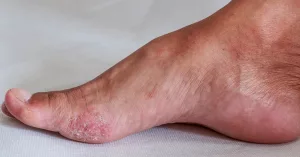
A blister is a pocket of fluid that appears on the skin. The fluid may be clear or contain some blood. Friction and nonfriction blisters can look similar, but the blister’s location and the events leading up to its appearance often help you or a clinician figure out the cause.
Interdigital blisters not linked to friction
Your feet are susceptible to various infections and allergic reactions, which can produce rashes and blisters.
If a bubble crops up between your toes — and not on a toe that’s pinched by another toe or pressed by the inside of a shoe — it’s likely unrelated to rubbing.
The blister may be plainly visible on the top of your foot between two toes. Sometimes, however, an interdigital blister forms between the bases of two toes on the underside of your foot.
Because an interdigital blister can be caused by infection, you may need a medical evaluation and treatment. Proper medications and foot care generally resolve the issue.
Pinch blisters
As the name implies, a pinch blister usually develops when one toe is tucked under the adjacent toe and gets pinched. At times the rubbing force can rupture the blister before it’s noticeable. Tight or ill-fitting shoes can also press excessively against a toe, prompting a blister.
A pinch blister commonly appears near the tip or base of a toe. Unlike other interdigital blisters, the cause of a pinch blister is often readily identifiable.
What causes blisters between toes
Identifying what caused your blister helps you choose the right treatment and may prevent similar issues later. Since feet endure a lot of stress and are exposed to many hazards, it’s useful to understand the various problems that can arise between toes and make standing or walking uncomfortable.
Interdigital blisters not caused by friction might indicate an underlying health issue. Other symptoms can sometimes point to the cause, though a healthcare professional may need to assess the situation.
Fungal infections
Athlete’s foot is among the most frequent fungal infections. Damp socks or walking barefoot in warm, humid places like locker rooms increase your chance of athlete’s foot. Typically it causes an itchy, scaly rash, but it and other fungal infections can also produce blisters between the toes.

Allergies
Allergic reactions can lead to blisters between toes or elsewhere on the foot. A bite or sting may cause a blister in those who are sensitive. Synthetic fabrics, such as polyester, may also be culprits; if you’re allergic and wear polyester socks, an interdigital blister could develop between any two toes.
Eczema
Eczema is an inflammatory skin disorder triggered by sweat, extreme dryness, bacteria, allergens, and other irritants. The hallmark is patches of dry, red, flaky skin, but eczema can also produce blisters between the toes and in other areas of the body.
Sunburn
Severe sunburn can cause blisters nearly anywhere. If you’re barefoot for a prolonged period on a sunny day, the top of your foot can get sunburned and raise the chance of blisters forming between toes.
Pinch blisters
Pinch blisters relate to toe shape and alignment, as well as factors like footwear and gait. While the immediate cause is often distinguishable, preventing repeat episodes can be more difficult.
Toe alignment
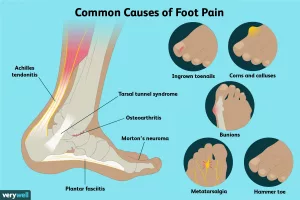
If one or more toes curl toward a neighboring toe, you’re more likely to develop recurring blisters unless you take preventive measures. This may be due to an obvious deformity such as hammertoe — where a toe bends abnormally at a middle joint — or a small bend that allows one toe to press against another.
Sweating
Prolonged foot perspiration lets moisture accumulate between toes, heightening the chance of skin irritation and friction blisters.
Poorly fitting shoes
Improper footwear can lead to multiple foot problems, including blisters between toes and on heels or soles. Shoes that squeeze the front of your foot together can produce several pinch blisters, especially during extended walking or running. Conversely, shoes that let toes move too freely can concentrate pressure on certain toes and cause painful blisters.
How to treat a blister between toes
Most toe blisters can be managed at home. Besides allowing healing, your main goal is to prevent infection. That means avoiding popping or picking at the blister; intact skin helps block bacteria from entering.
There are home remedies and professional recommendations for proper blister care. Whether a blister is just starting or already raised, cover it with a bandage. If possible, change into more comfortable shoes, loosen laces, or even go barefoot for the remainder of the day.
If the blister has burst, soak your toes in a clean basin of warm water and Epsom salts. Washing the area gently with warm water is also appropriate.
Use an adhesive bandage or apply a round piece of moleskin for blisters over the blister to shield it during healing. If the inner layer of skin is exposed, consider applying a moisture barrier like Aquaphor or petroleum jelly before dressing it.
Watch for infection signs:
- redness
- swelling
- pus draining from the blister
- increasing pain
- fever
If you think the blister is infected, consult a doctor. Bacterial infections may require antibiotics. For fungal causes, a clinician may suggest an antifungal cream or spray for the affected area.
See a physician if the blister occurs with other symptoms, such as dry patches that suggest eczema or another skin disorder. A dermatologist or podiatrist can provide diagnosis and treatment.
Preventing toe blisters
If blisters keep appearing in the same location, you can take several measures to prevent them. Also, when you expect extended time on your feet, try the following strategies to keep your toes comfortable and healthy:
Wedges
Various soft pads or wedges are available to fit between toes and help prevent blisters. The downside is they can shift out of place, especially during vigorous activity like running.
Toe sleeves
Gel toe sleeves or similar socks slip around a toe to protect it and stop it from rubbing against adjacent toes.
Lubricants
A small amount of petroleum jelly applied to a spot that often blisters can reduce friction and help prevent a friction blister.
Socks
Many athletes wear two pairs of socks to avoid blisters on the soles. A moisture-wicking inner sock helps draw sweat away from the skin, lowering the risk of friction blisters.
Taping
Applying a piece of moleskin slightly larger than the problem area may help when other methods fail. Even taping two adjacent toes together with medical adhesive tape can be effective.
Bottom line
If you’re unsure about treating or preventing blisters between your toes, consult a podiatrist. A specialist can identify toe alignment issues like hammertoe that might be treated.
They can also advise you on selecting suitable athletic footwear. A running-store fitter can help you find the right shoes; for dress or work shoes that cause problems, look for alternatives that fit better.
If avoiding irritating shoes isn’t possible, take protective measures. A pad or lubricant can spare you considerable discomfort by day’s end.

















Leave a Reply
You must be logged in to post a comment.