
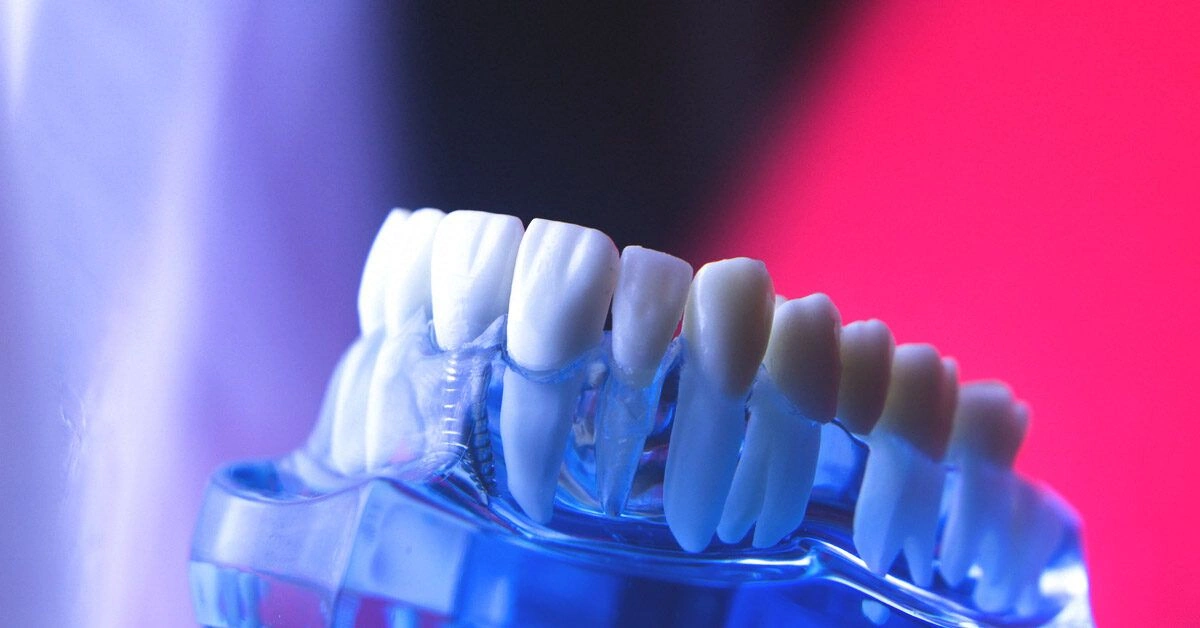
Dental veneers are ultra-thin, tooth-colored shells bonded to the front surface of teeth to enhance their overall appearance. They are commonly used to correct cosmetic issues such as chipped, cracked, stained, uneven, or smaller-than-average teeth, helping patients achieve a more uniform smile.
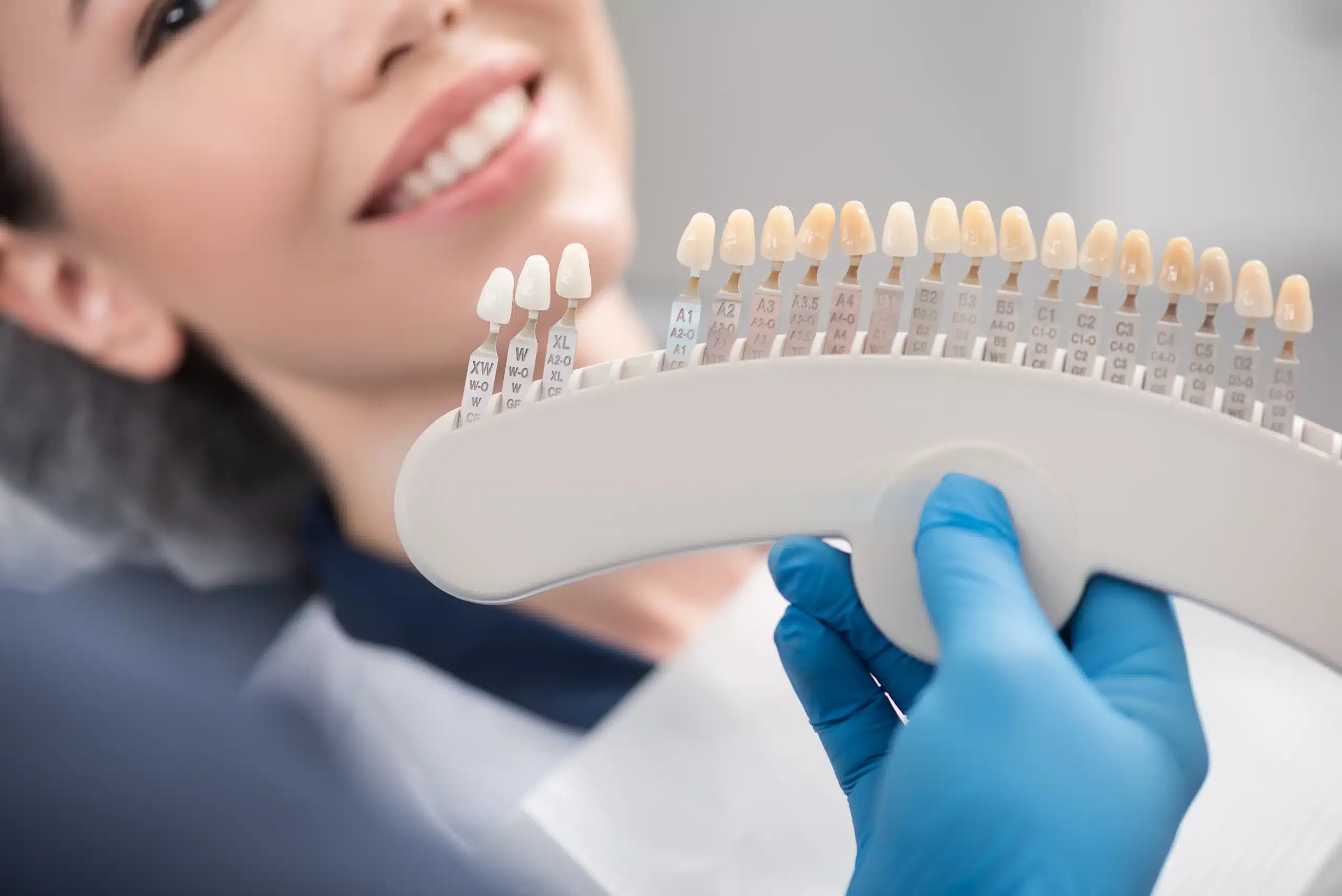
Most dental veneers are crafted from porcelain or resin-composite materials and are permanently adhered to the natural tooth structure. When people begin researching cosmetic dentistry, one of the first concerns is affordability—especially Full mouth veneers cost per tooth with insurance—since treatment expenses can vary widely depending on materials, location, and dental expertise.
While some individuals may need only a single veneer to restore a damaged tooth, others opt for six to eight veneers to create a balanced, symmetrical smile. The upper front eight teeth are the most frequently treated because they are the most visible when speaking or smiling.
What are the different types of veneers?
Dental veneers are typically made from porcelain or composite resin and require detailed preparation before placement. In addition, there are “no-prep” veneers, which involve a modified and generally less invasive technique.
Traditional veneers require reshaping the tooth by grinding down a small portion of the enamel—and in some cases, a bit of the underlying tooth structure. This ensures proper fit and a natural look, but the process is irreversible and may cause temporary sensitivity. Local anesthetic is often used to minimize discomfort.
The extent of enamel removal depends on your specific dental concerns and how many teeth are being treated. If multiple teeth are involved, your dentist may create a wax model to preview how your veneers will appear once completed.
No-prep veneers, on the other hand, involve minimal enamel alteration. Though some light preparation may still be required, the changes are typically less extensive than with traditional veneers.
Porcelain veneers
For porcelain veneers, many dentists begin by reshaping the teeth and taking an impression to fabricate a custom mold. This mold is then sent to a dental laboratory, where the porcelain veneer is precisely crafted.

Once completed, the veneer is bonded to the prepared tooth using dental cement. Temporary veneers may be worn while waiting for the final restoration. Some dental practices use CAD/CAM technology, allowing a computer to design the veneer and produce it in-office, sometimes in a single visit.
Composite resin veneers
If you select composite resin veneers, your dentist will etch the tooth surface before applying a thin layer of composite material. Multiple layers may be added to achieve the desired color and contour.
A special curing light is then used to harden the material. This technique often allows veneers to be completed in one appointment, making it a convenient and cost-conscious option for many patients.
No-prep veneers
No-prep options include brands such as Lumineers and Vivaneers, both made of porcelain. These veneers require less preparation and are considered less invasive.
Instead of removing significant enamel, no-prep veneers typically adhere directly to the enamel surface. In many cases, local anesthetics and temporary veneers are not necessary.
Which type of veneer is best?
Determining the right veneer type depends on several important considerations:
- cost
- length of time of the installation process
- appearance of the veneers
- longevity of the veneers
- your dentist’s recommendations
| Porcelain veneers: | Resin-based veneers |
|---|---|
| more expensive | less tooth needs to be removed to prepare the tooth |
| may require more than one visit to the dentist | veneers often can be applied in just one visit to the dentist |
| stronger and longer-lasting than composite veneers | less expensive than porcelain veneers |
| more expensive | lasts 5-7 years |
| less likely to stain | easier to fix |
| may get damaged more easily |
Veneers: Before and after
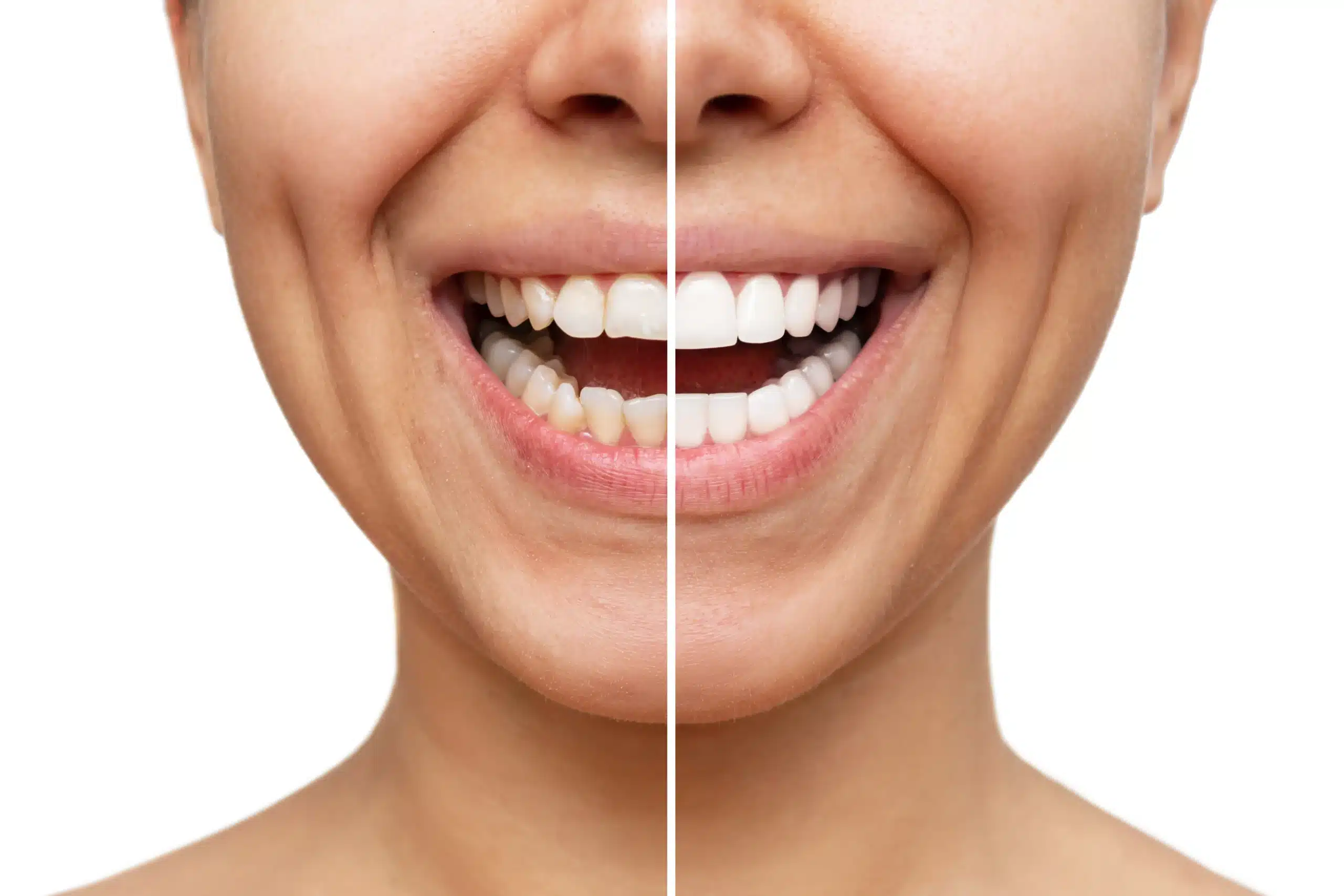
The transformation achieved with dental veneers can be remarkable. They can convert chipped, uneven, or heavily stained teeth into a smooth, naturally colored smile. Reviewing before-and-after photos during your consultation can provide realistic expectations about shape, shade, and overall smile enhancement.
How much do veneers cost?
Cost is a major consideration for many patients exploring cosmetic dentistry. Questions about Full mouth veneers cost per tooth with insurance are especially common, as dental insurance often categorizes veneers as cosmetic rather than medically necessary.
In most cases, veneers are not fully covered by insurance. According to the American Dental Association, you can generally expect to pay between $925 and $2,500 per tooth, depending on the material and provider.
Composite veneers typically range from $400 to $2,000 per tooth and last about 5 to 7 years. Although porcelain veneers have a higher upfront cost, they often prove more economical over time due to their durability.
Your total expense will depend on factors such as the type of veneer selected, your geographic location, your dentist’s level of experience, and whether additional procedures are required. For a deeper breakdown of pricing factors, see Veneers cost per tooth with insurance. If you are wondering about partial reimbursement options, reviewing strategies on How to get veneers covered by insurance may help clarify potential pathways for coverage.
Some patients reduce costs by visiting dental schools, where supervised students perform procedures at discounted rates.
What are the benefits of dental veneers?
The primary advantage of veneers is cosmetic enhancement. They can dramatically improve the brightness, alignment, and symmetry of your smile. Veneers are frequently used to address:
- broken or chipped teeth
- severe discoloration or uneven coloring that can’t be fixed with whitening
- gaps in the teeth
- smaller-than-average teeth
- pointed or unusually shaped teeth
Depending on the material used, veneers can last more than a decade. This makes them a semi-permanent solution for individuals seeking long-term aesthetic improvement and enhanced self-confidence.
How to prepare for your appointment
Before undergoing treatment, you’ll attend an initial consultation to determine the best approach and the number of veneers needed. If your teeth are significantly misaligned, orthodontic treatment such as braces may be recommended before veneer placement.
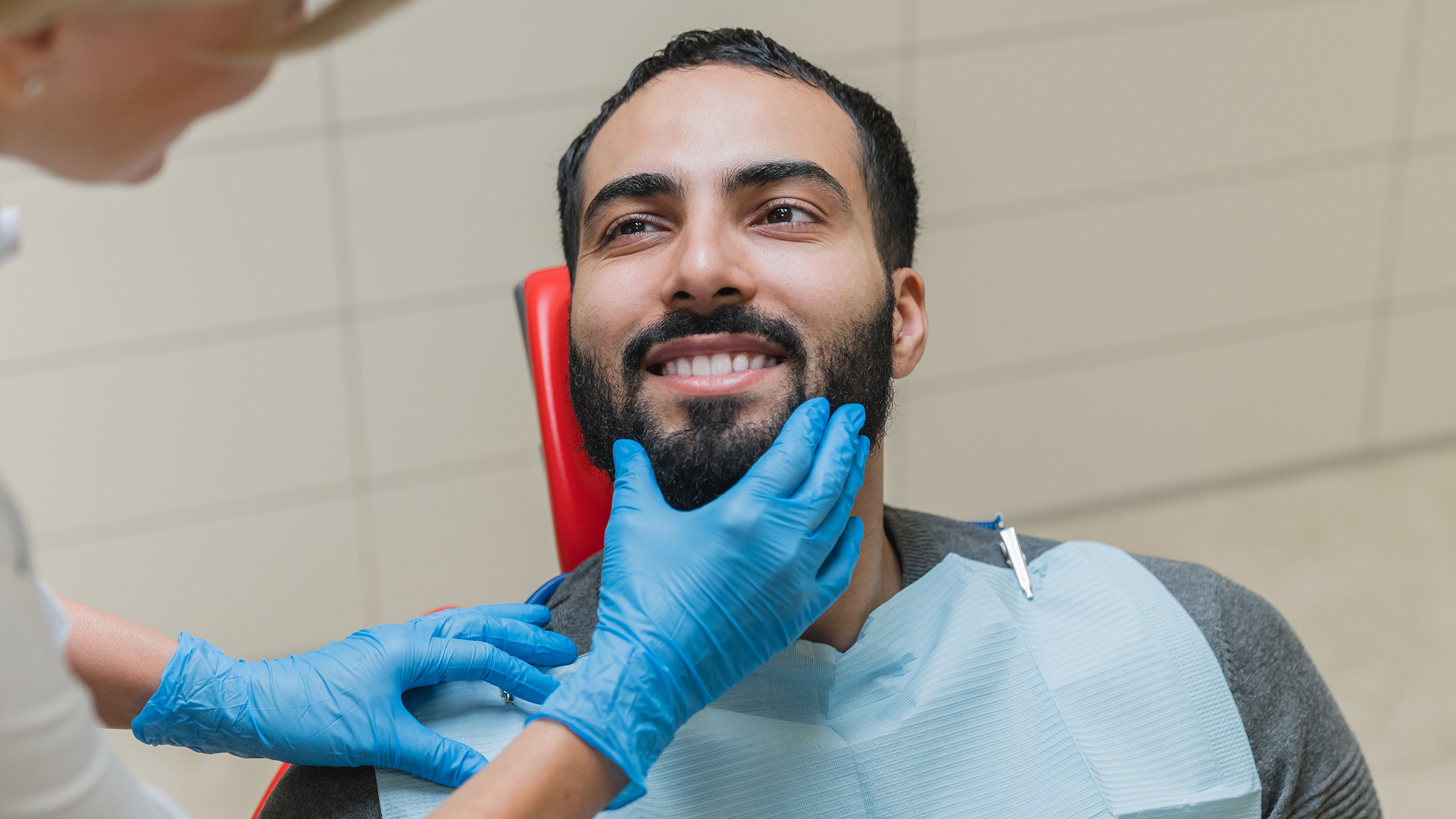
Your dentist may take X-rays to assess oral health, checking for tooth decay, gum disease, or the need for root canals. Active dental disease must be treated prior to cosmetic procedures.
At the preparation visit, approximately half a millimeter of enamel is removed from the tooth surface. An impression is then taken and sent to a laboratory for fabrication of your custom veneers.
How are veneers put on teeth?
It usually takes 1 to 2 weeks for the dental laboratory to complete your veneers after impressions are taken.
During the placement appointment, your dentist evaluates the fit, shape, and shade of each veneer to ensure optimal aesthetics. The teeth are then thoroughly cleaned to reduce the risk of bacteria being trapped beneath the veneer.
A slightly rough texture is created on the tooth surface to improve bonding. Dental cement is applied, and ultraviolet light is used to harden the cement quickly and securely.
This appointment typically lasts under two hours, depending on the number of veneers and whether local anesthetic is administered.
What is the difference between veneers, crowns, and implants?
Veneers differ significantly from crowns and dental implants. Veneers cover only the front surface of a tooth, whereas crowns encase the entire tooth structure. Veneers are also thinner—about 1 mm compared to approximately 2 mm for crowns.

Because veneers require less reshaping of the natural tooth than crowns, they are considered less invasive. However, if a tooth is severely damaged, a crown may be more appropriate.
An implant replaces a missing tooth entirely. It is surgically placed into the jawbone, and a crown is attached after healing. This process can take several months to allow proper osseointegration before the final restoration is secured.
How to take care of your veneers after they’re placed
Recovery after veneer placement is typically minimal. Once the anesthetic wears off, you can resume normal eating and speaking. Avoid biting your cheeks or tongue while numb.
You may initially feel slight roughness due to residual cement, but this generally smooths out within a few days. If it persists, your dentist can easily polish the surface.
Traditional porcelain veneers last at least 10 years, with some studies suggesting they may last up to 20 years. No-prep veneers typically last 5 to 7 years.
To maximize longevity:
- Avoid chewing on hard objects such as ice, pens, or fingernails.
- Do not use your teeth to open packaging.
- Limit biting into hard foods with your front teeth; use your back teeth instead.
- If you grind or clench your teeth at night, wear a splint or retainer.
- Use a mouth guard when playing sports.
Maintaining excellent oral hygiene, including brushing twice daily and regular dental checkups, further protects both your veneers and natural teeth, helping preserve your investment in a healthier, more confident smile.






















Leave a Reply
You must be logged in to post a comment.