

Key takeaways
- Synvisc and Hyalgan are both brand-name medications used in viscosupplementation to manage osteoarthritis knee pain by cushioning the joint and enhancing movement.
- Both Synvisc and Hyalgan contain hyaluronic acid and are regarded as second-line therapies, generally recommended after other treatments such as pain relievers and physical therapy have been attempted.
- Although the side effects of both medications are comparable—such as pain and swelling at the injection site—Synvisc is chemically altered to increase its molecular weight, but research has not confirmed that this improves effectiveness.
Osteoarthritis (OA) is marked by the gradual breakdown of cartilage within the joints. Cartilage serves as a protective cushion that allows bones to glide smoothly against each other. When this cushioning wears down, stiffness, swelling, and chronic knee discomfort can develop. Many people searching What is the best gel injection for knees are exploring options like Synvisc and Hyalgan to relieve symptoms and improve mobility.
Although no therapy can reverse OA-related cartilage damage, viscosupplementation treatments such as Synvisc and Hyalgan may help reduce knee pain and enhance joint function. These gel injections are designed to supplement the natural joint fluid and restore lubrication. Continue reading to better understand how they compare, how they differ, and what to consider when discussing treatment with your healthcare provider.
About viscosupplementation
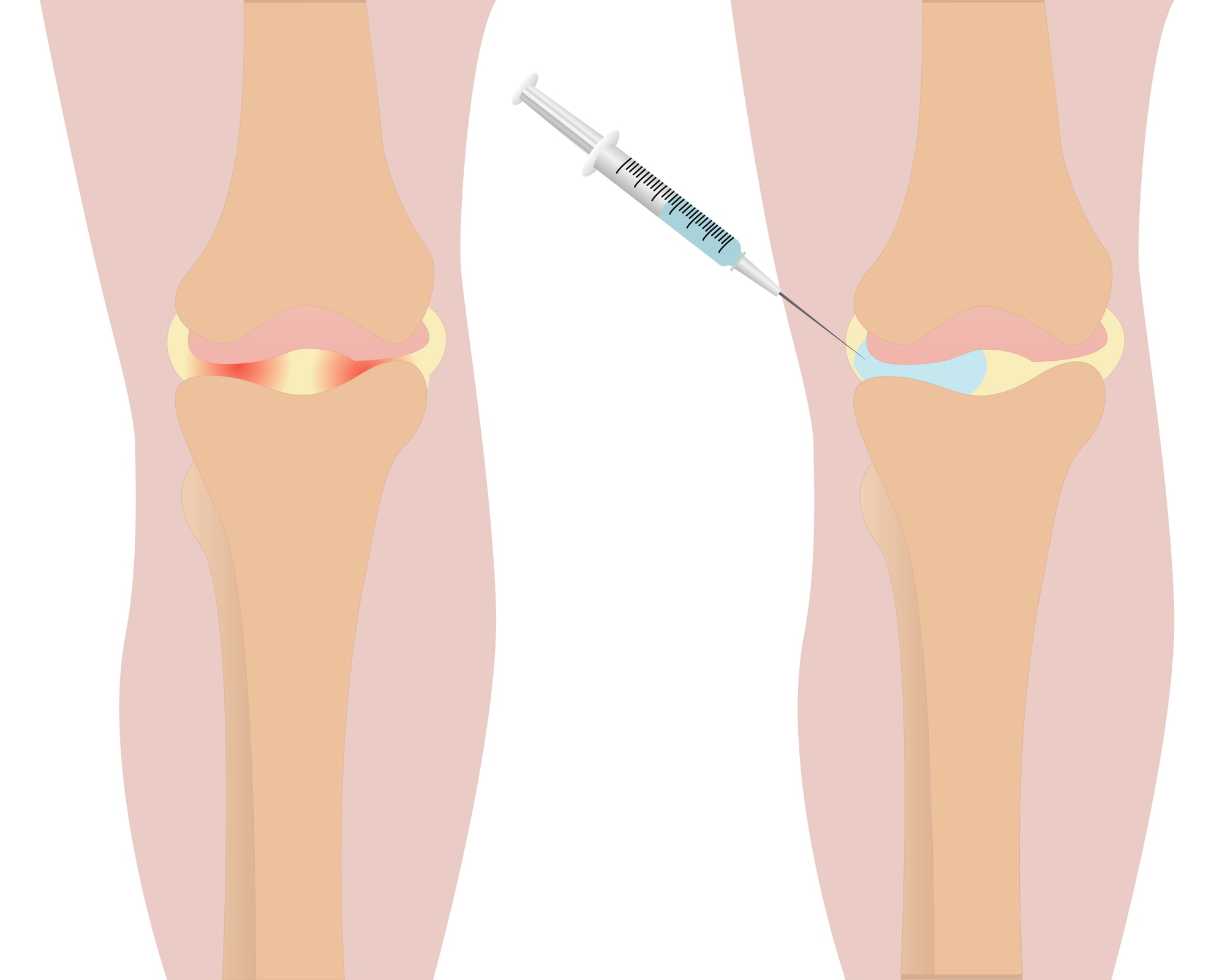
Viscosupplementation is a minimally invasive procedure that involves injecting a gel-like substance directly into the knee joint. This fluid functions as a shock absorber, helping the bones move more fluidly and reducing friction within the joint space.
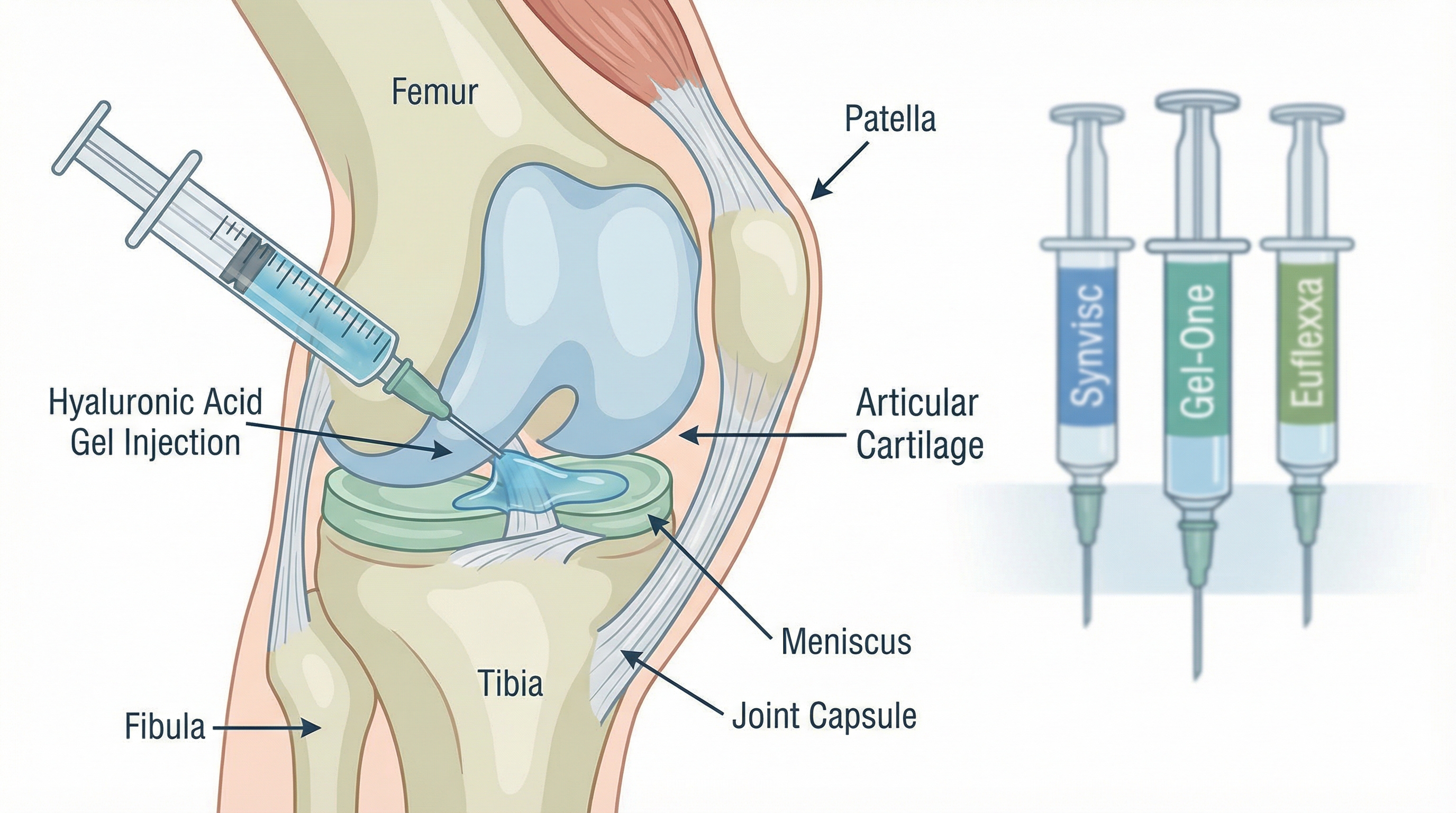
This can help enhance joint mobility and lessen discomfort, particularly in individuals with mild to moderate osteoarthritis of the knee. By improving lubrication and cushioning, these injections may also support daily activities such as walking, climbing stairs, or standing for extended periods. The available products for this treatment include Synvisc and Hyalgan, both of which are commonly discussed in Knee gel injection reviews by patients evaluating their options.
For those wondering What is the best gel injection for knees, the answer often depends on individual factors such as symptom severity, prior treatment response, and overall joint health. A thorough consultation with a healthcare provider is essential to determine suitability.
Similarities between Synvisc and Hyalgan
Synvisc (hylan GF 20) and Hyalgan (hyaluronic acid) are both brand-name prescription treatments. Each is formulated using hyaluronic acid, a naturally occurring substance in the body that contributes to joint lubrication and cushioning.
These medications are typically categorized as second-line therapy. In most cases, a doctor will first recommend conservative measures such as oral pain relievers, nonsteroidal anti-inflammatory drugs (NSAIDs), corticosteroid injections, structured physical therapy, weight management, and activity modification before suggesting viscosupplementation.
Clinical evidence shows that both Synvisc and Hyalgan are safe and effective for decreasing pain associated with knee OA. The injections are administered in a medical setting directly into the knee joint cavity, ensuring accurate placement of the gel.

Both single-injection and multiple-injection regimens are available. However, according to research, their overall efficacy appears comparable regardless of dosing schedule.
Depending on the specific formulation used, you may require a series of injections before achieving optimal results. Symptom relief is not always immediate. It can take several weeks to notice improvement, but the benefits may last for several months. This extended relief period is one reason many individuals researching What is the best gel injection for knees consider these therapies as part of a long-term pain management plan.
Differences between Synvisc and Hyalgan
Although both products are derived from hyaluronic acid obtained from chicken combs, Synvisc undergoes chemical modification to increase its molecular weight. Hyalgan does not undergo this same modification.
Higher molecular weight formulations are believed to more closely resemble the elasticity and molecular characteristics of natural joint fluid found in younger individuals. However, current research has not demonstrated that Synvisc provides superior outcomes compared to Hyalgan in people with OA.
In the United States, there are 12 FDA-approved viscosupplementation products available. Among these, there are two Synvisc formulations and one Hyalgan formulation.
Your physician will decide which product is most appropriate based on several considerations, including the progression of your osteoarthritis, your tolerance to prior injections, overall health status, insurance coverage, and cost factors.
Available dosing options include:
- Synvisc-One: Administered as a single 6-milliliter (mL) injection.
- Original Synvisc: Given as a 2-mL injection once weekly for 3 consecutive weeks.
- Hyalgan: Delivered as one injection per week for 5 weeks.
When evaluating What is the best gel injection for knees, convenience may also play a role. Some patients prefer a single injection regimen, while others are comfortable with multiple visits if recommended by their provider.
Comparing side effects
Considering potential side effects and complications is an important part of any treatment decision, particularly for intra-articular injections.
Synvisc and Hyalgan share a similar side effect profile. They include:
- fluid buildup around the joint
- pain, redness, and swelling at the injection site
These reactions are generally mild and temporary. Applying ice, limiting strenuous activity for a short period, and following post-injection care instructions may help minimize discomfort.
Repeated injections of Synvisc have been associated with a potential hypersensitivity reaction. This involves an immune system response to the product and may include allergic-type symptoms. Although uncommon, hypersensitivity reactions can occur even if previous injections were well tolerated.
Discuss any history of allergies or prior injection reactions with your healthcare provider before beginning treatment. Proper patient selection and monitoring can reduce risks and improve outcomes.
The bottom line
Knee pain from OA often becomes more common with age, previous joint injuries, or long-term joint stress. While available treatments cannot reverse cartilage loss, they can significantly reduce pain and improve quality of life.
A variety of management strategies exist, ranging from lifestyle modifications and physical therapy to medications and injection-based therapies. Your doctor will recommend a personalized approach based on your medical history, imaging findings, symptom severity, and functional limitations.
If viscosupplementation is advised, Synvisc, Synvisc-One, and Hyalgan are options that work in similar ways and have established safety profiles. Determining What is the best gel injection for knees ultimately depends on individual clinical factors and a shared decision-making discussion with your healthcare provider.























Leave a Reply
You must be logged in to post a comment.